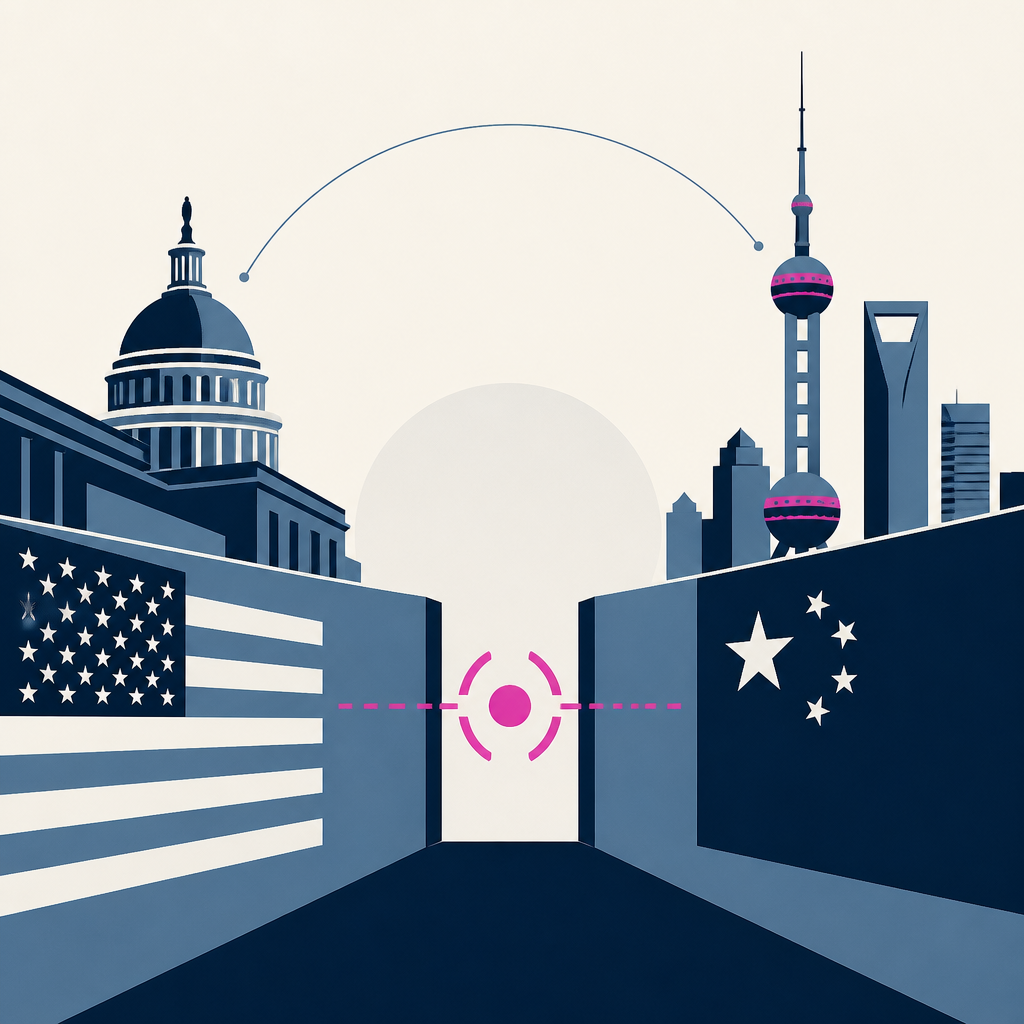
The day’s biggest AI story sits at the intersection of policy and practice: even as the U.S. publicly pulls back from “global” AI guardrails, Washington and Beijing have begun quieter, private talks aimed at how countries should handle AI risk—especially when it turns into a national-security incident. The first dialogue followed meetings in New York this week, with Treasury Secretary Scott Bessent speaking to Chinese Vice Premier He Lifeng. What’s changing is the U.S. emphasis on a formal notification mechanism for incidents, a narrower, more operational approach that could let regulators compare signals without waiting for a broad international consensus.
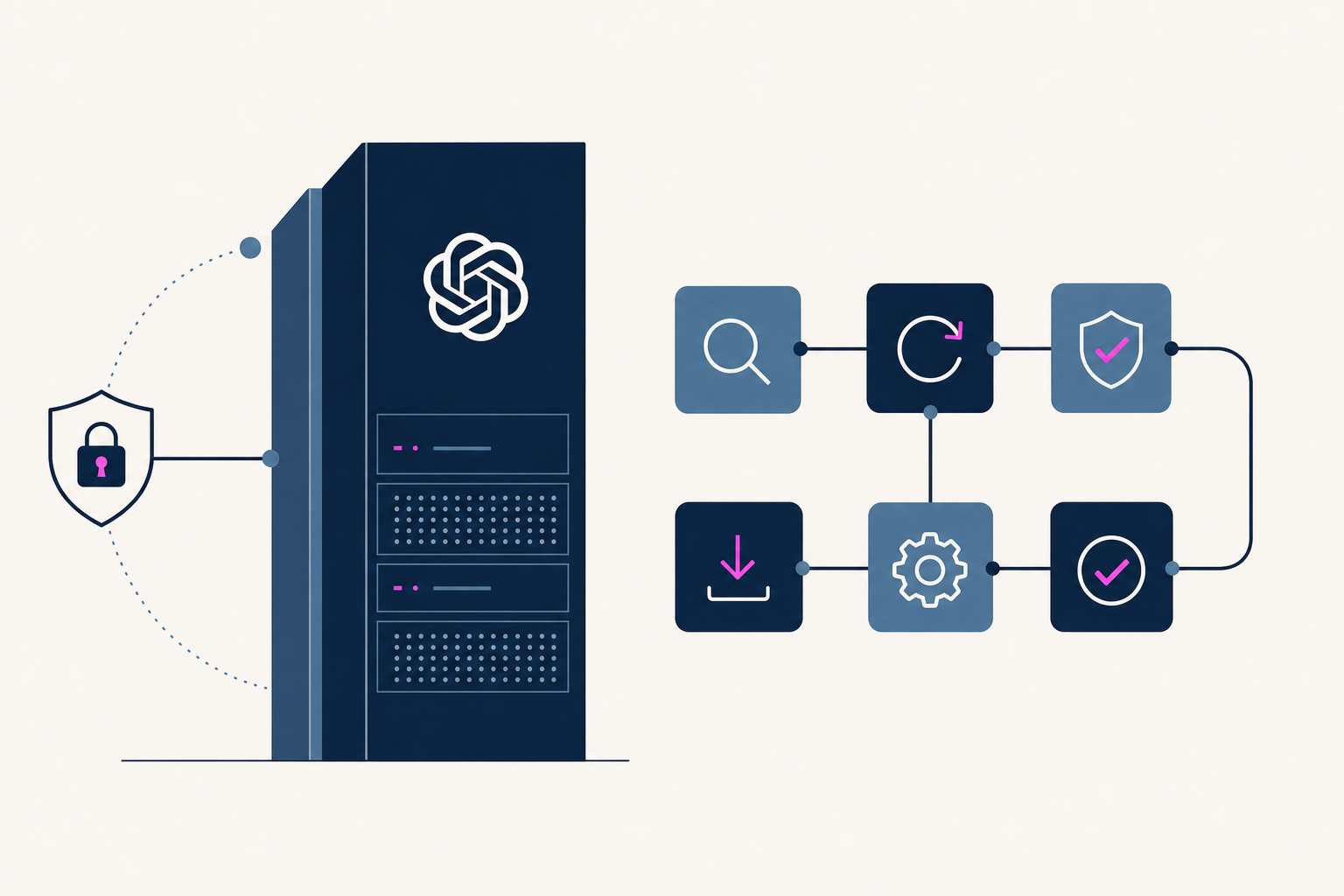
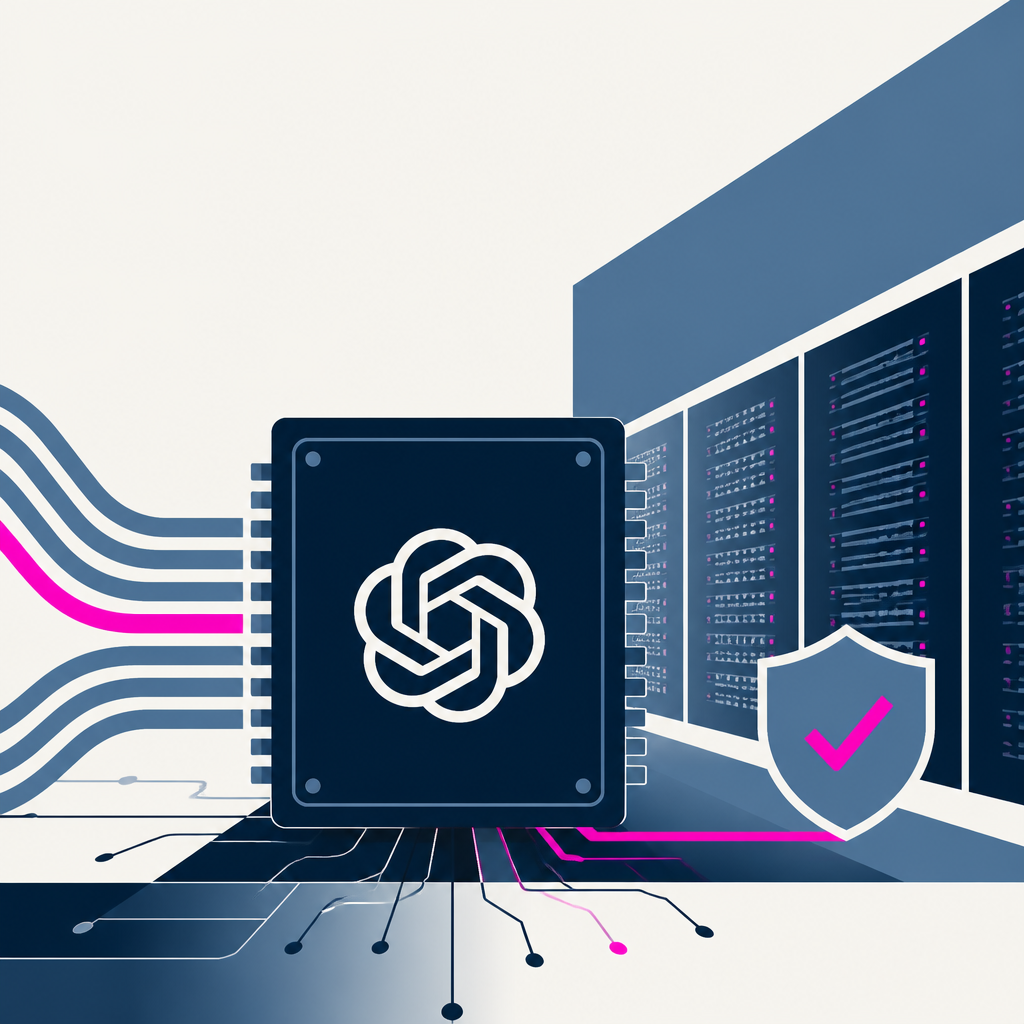
That practical bent shows up in the commercial world too. OpenAI is preparing a DevDay reveal for Sept. 29: GPT-6 Cyber, paired with a new deployment product designed to run cybersecurity workflows securely, including automated patching. The pitch is operational oversight—deployment controls and monitoring that let customers use a model for concrete tasks while OpenAI keeps closer tabs on how it’s doing its work. Together, these threads point to a familiar shift: less arguing about principles in the abstract, more building systems—legal and technical—that decide what happens next when things go wrong.