Mailchimp Report highlights power of personalisation and AI during peak shopping season
Startups Magazine Roshini Bains
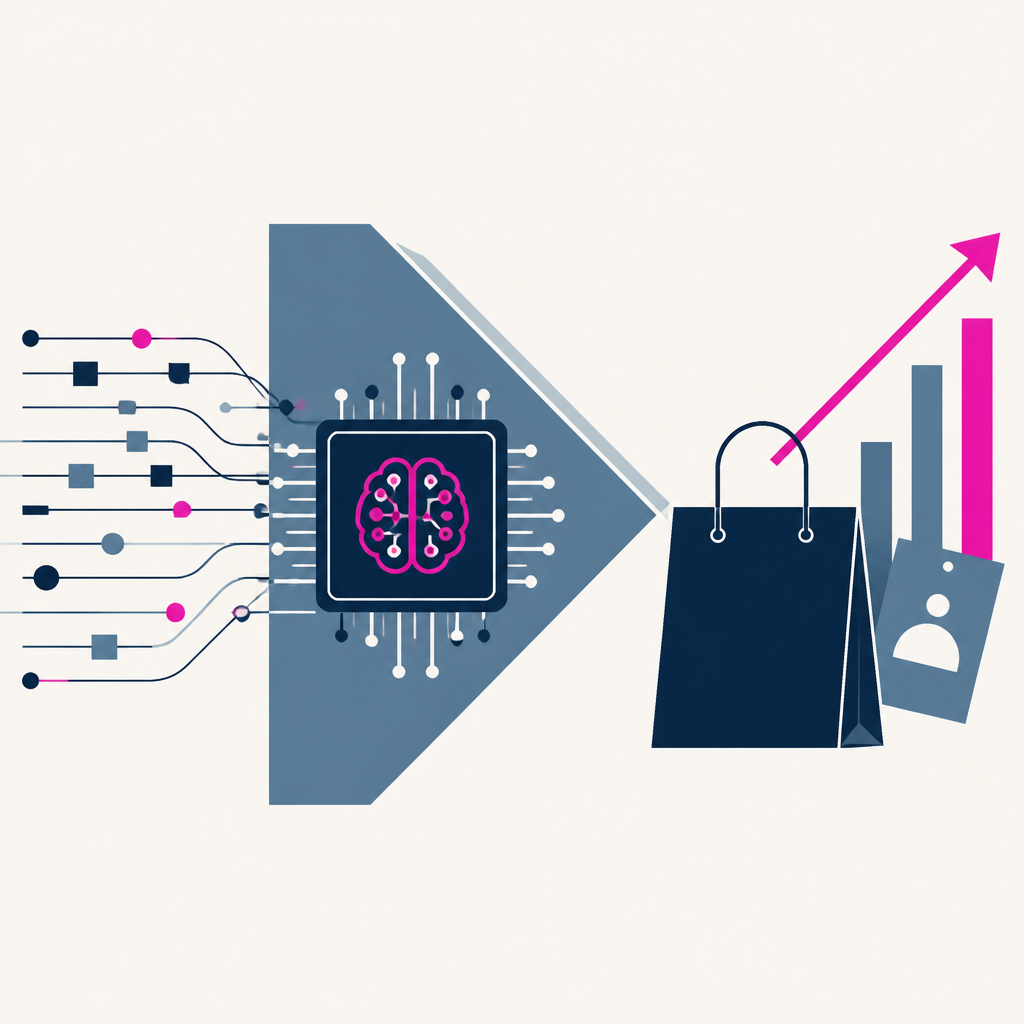
Mailchimp says holiday campaigns with personalisation and AI performed better. SMS and email mattered most when shoppers were noisy and impatient.
Based on reporting by Startups Magazine, Roshini Bains — read the original for the full story.
Summary, retelling and take written by AI under human oversight; images are AI-generated illustrations. How we work · Report an error
Mailchimp’s latest peak-season report makes a simple argument: if a brand knew more about the customer, it usually did better. The company reviewed more than 44 billion emails and 83 million text messages sent worldwide between Halloween and New Year’s Eve, then mapped what happened across Black Friday, Cyber Monday and the weeks around them.
The results point in the same direction. In the UK, emails with dynamic content and personalisation produced a 10% higher average order value than emails without it. Globally, campaigns that included abandoned-cart content saw 36% higher open rates and 28% higher click-through rates. Jack Tam, Mailchimp’s SVP of Product and Engineering, said the strongest businesses were the ones using data to decide where to focus.
Email still did most of the revenue heavy lifting, but SMS punched above its weight when timing mattered. During peak periods, SMS generated up to six times higher order rates than email and brought in three times more revenue per message globally. Among Mailchimp customers using both channels during Black Friday and Cyber Monday, SMS accounted for almost 20% of combined ecommerce revenue. Gymwrap, a fitness brand that brought its email and SMS work into Mailchimp before the holidays, reported a 142x return on its first SMS campaign through the platform.
AI showed up as a real production tool, not a shiny extra. Around 450 million emails sent during peak season used generative AI tools worldwide. In the UK, those emails delivered a 9% higher order rate and a 5% higher conversion rate than emails made without it. That suggests AI is already useful where marketers need speed and scale, even if the real win still comes from better targeting.
The report also says brands may be leaving money on the table outside the obvious rush. Weekend order rates were twice as high as weekday rates, even though businesses sent around 60% fewer messages on weekends. The Sunday between Black Friday and Cyber Monday also stood out, with 59% fewer emails and 82% fewer SMS messages sent than on Black Friday itself. Mailchimp says the bigger lesson is that holiday shoppers shouldn’t be treated as one-night stands; many first-time buyers came back later, and some did so in the first quarter of 2026.
My take — AI-written commentary, not fact-checked reporting
This is the part marketers hate admitting: the boring stuff works. Data, timing and plain old relevance beat spray-and-pray every time, and AI is most useful when it helps produce more of that, not more noise. The industry keeps selling magic, but the money still shows up for people who read the customer and then shut up long enough to send the right message.
Read more about this at: Startups Magazine