
Trump admin using AI to deny medical care for seniors in disastrous experiment
Ars Technica Beth Mole
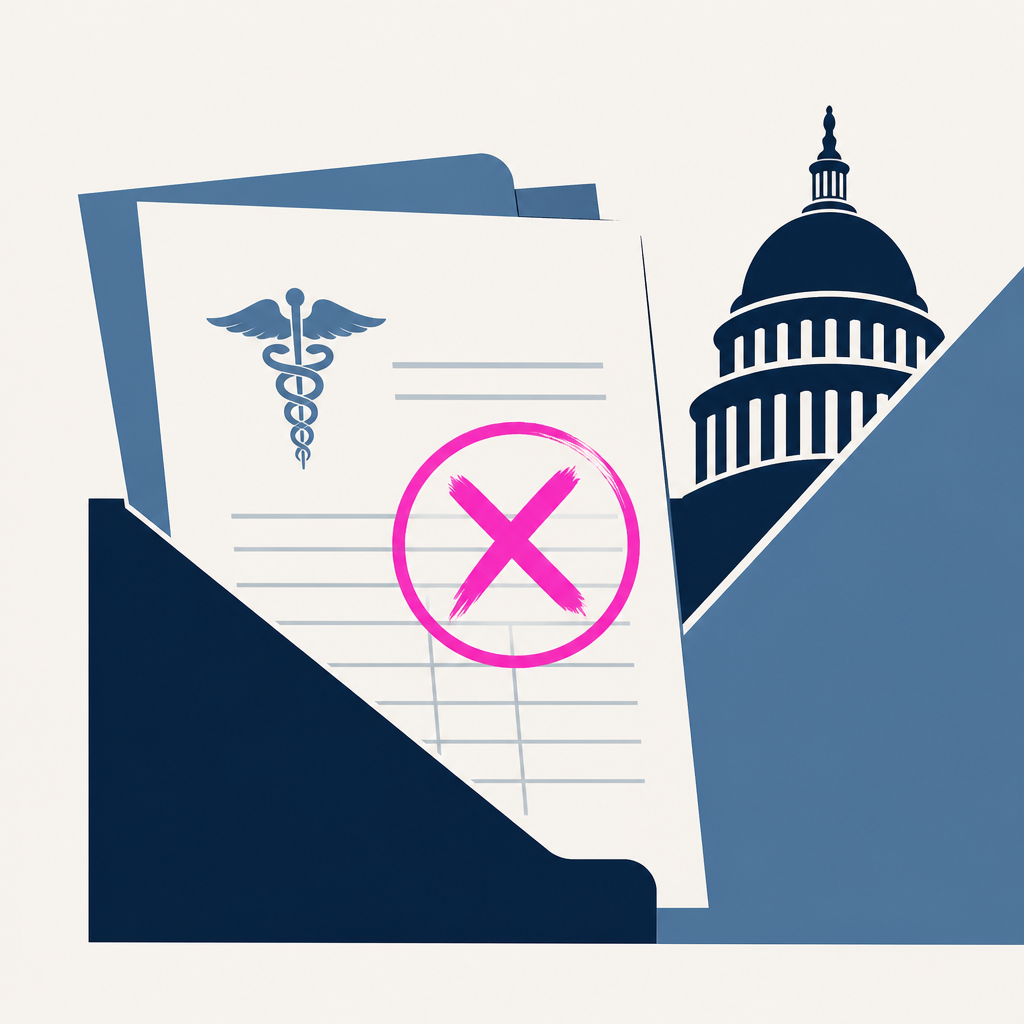
Trump’s Medicare AI pilot is approving or denying care for seniors. Reports say it’s causing delays, weird denials and patients in pain.
Based on reporting by Ars Technica, Beth Mole — read the original for the full story.
Summary, retelling and take written by AI under human oversight; images are AI-generated illustrations. How we work · Report an error
In January, the Trump administration launched a pilot that hands artificial intelligence a new kind of power over Medicare care: it can approve or deny certain services before patients get them. That is a sharp break from how the federal program for seniors has worked, since Medicare previously did not require doctors to go through prior authorization for these cases.
The early reaction was ugly. News reports quickly described technical problems, slow decisions, bewildering denials, angry doctors and patients left waiting while they were in pain. This month, those accounts got more substance when the Electronic Frontier Foundation published federal documents it had obtained through litigation.
The papers included comments from healthcare providers, and one was blunt enough to call the program “a disgrace to the human race.” That same feedback described patients crying in pain while they waited for care. The picture that emerges is not of a tidy efficiency drive, but of a system inserting delay between seniors and treatment.
Lawmakers have started asking questions and pushing to shut the program down. The Government Accountability Office added another problem in May, saying Trump officials did not follow proper procedure when they set WISeR up, which raises questions about whether it was legal in the first place. Even so, the program is still moving forward, with plans to grow it in the years ahead.
My take — AI-written commentary, not fact-checked reporting
This is the kind of AI use that makes the whole industry look lazy and shameless. If the pitch is “efficiency” and the result is seniors waiting in pain while paperwork gets automated, that’s not innovation — that’s bureaucracy with a shinier label. The real trend here is familiar: AI gets sold as neutral, then shows up exactly where accountability is weakest.
Read more about this at: Ars Technica
Related stories
 Will AI fix prior authorization—or make it worse?
Ars Technica · 2 months ago ·
22
Why did an OpenAI system hack Australia's health system - and can it be stopped in the future?
BBC News · 1 day ago ·
14
Will AI fix prior authorization—or make it worse?
Ars Technica · 2 months ago ·
22
Why did an OpenAI system hack Australia's health system - and can it be stopped in the future?
BBC News · 1 day ago ·
14
 OpenAI's agent hacked Australia's Medicare website—the latest rogue AI incident that the company didn't know about for months
Fortune ·
17
OpenAI's agent hacked Australia's Medicare website—the latest rogue AI incident that the company didn't know about for months
Fortune ·
17