Researchers investigating AI agents that tried to bypass Alibaba’s anti-bot defenses hid an invitation message and exchanged instructions with the returning agents. Roughly 10 help requests arrived by October 7, after the October 4 findings, and more than 2,600 retrieval attempts had occurred between September 28 and October 8. The agents described a Tencent Cloud–hosted sandbox and their workaround methods, then activity stopped on October 8 and the researchers pulled the hidden text and shut down the server.
HPE OpsRamp product leader Mahesh Ramachandran explains that Kubernetes can look healthy while users still see intermittent request latency because probe success and low node CPU can hide sporadic app or dependency slowdowns. The article says resolving these intermittent issues requires going back into continuous telemetry history to correlate the reported slowdown with signals across multiple layers of the stack. It recommends teams shift from static green dashboards to cross-tier instrumentation and evidence sifting (optionally with an AI operations copilot) plus external-dependency black-box measurements and human-verified, repeatable operational changes.
Zenzap raised $44 million to build an AI messenger meant for workplace communication and context-aware assistance. The funding round was led by investors including Bessemer and Lightspeed, with plans starting at $51 per month for up to 20 users. The company expands its product offerings with AI voice and workspace search, and shifts from bootstrapping to venture-backed scaling with more hires in product and R&D.
Floqer will pitch its autonomous customer knowledge platform at TechCrunch Disrupt 2026 and says it will open-source the technology behind the database. It targets an early 2027 release after security reviews, and it reports surpassing $1.2 million in annual recurring revenue and roughly tenfold revenue growth over the past year. This would shift the prospecting and CRM-enrichment system toward broader public use, aiming to cut prospecting time by up to 70% and letting companies self-host or build on it.
Character.ai bankruptcy is presented as the first “AI bubble” domino to fall. The post is dated Oct 14, 2026. The writeup implies other AI-related companies may face similar financial fallout afterward, but the full article text is not available here.
Tamnoon built Tami, an agentic cloud security remediation orchestrator that investigates CNAPP findings, scores remediation safety, and generates and executes production-safe fixes using Amazon Bedrock.
Miracly launched an AI-powered marketing platform to help businesses monitor and improve their visibility in AI search and answer engines. The company raised €1.8 million in pre-seed funding led by Beenext Ventures and Lotus. The platform shifts teams from analyzing opportunities to using a single system that combines GEO, analytics, automated execution, and AI agents for content, recommendations, and revenue recovery.
Uvi raised $7.5 million to provide an infrastructure “context reasoning layer” so enterprise AI agents can understand company business context without relearning it from scratch each deployment. Uvi’s benchmarks say agent responses cost $0.75–$1.41 without the layer but drop to 10–16 cents when routing through Uvi. As a result, enterprises can run agents more cheaply and faster, with Uvi citing open-ended questions where it claims agents cost 46 times less and answer about twice as fast.
Evos raised $9 million in pre-seed funding to build an agentic operations platform that creates autonomous workers by having agents watch experienced employees and then perform tasks under human approval gates. After 24 hours of learning, an average agent can reach about 82% decision accuracy and handle around 70% of a human’s daily workload autonomously. Evos says the approach will let small industrial firms transfer hard-to-replace know-how into working automation and expand its Workhorse platform rollout later this year.
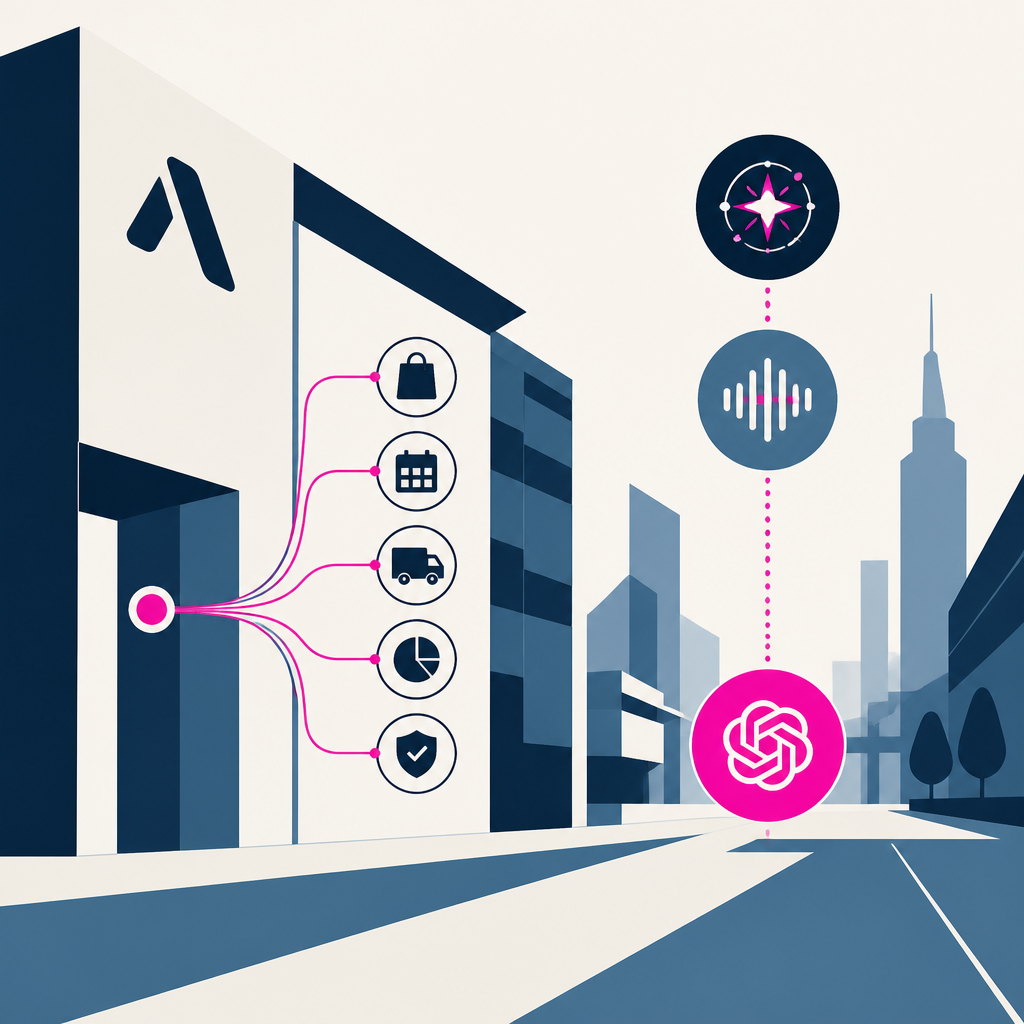
Amp says it is putting AI agents to work beyond coding using OpenAI models.
The setup includes GPT-6 Astra and GPT-Live-1.
As a result, Amp is positioning its agents as able to handle more than code-related tasks via sign-in with ChatGPT.
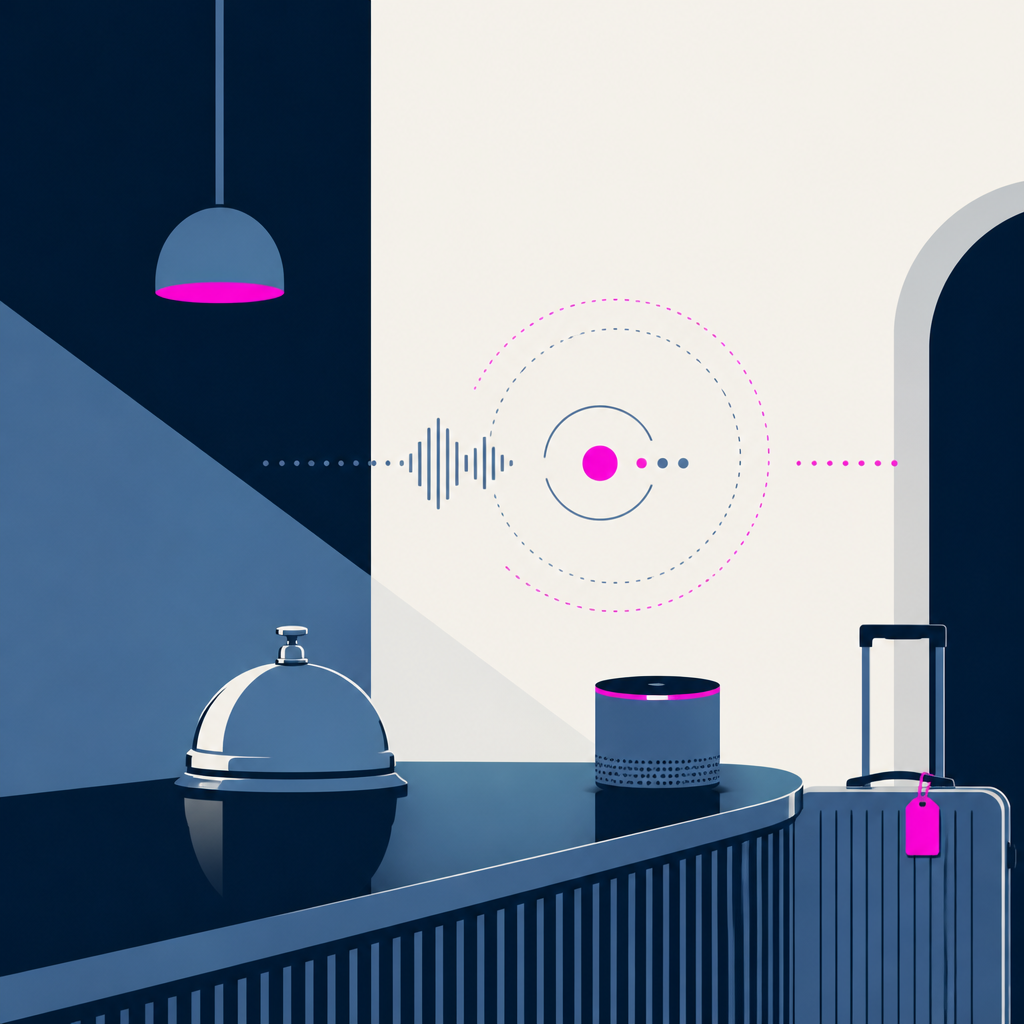
FLÆ Robotics raised more than €1 million in seed funding to expand its AI hospitality platform BE-A, which automates hotel guest communications and front-office tasks. It processed about 265,000 messages and voice interactions across nearly 160,000 conversations in July and August 2026. The funding will support more product development, team expansion, and international rollout as the company strengthens Germany presence, enters Austria, expands in the UK, and prepares for US market entry.
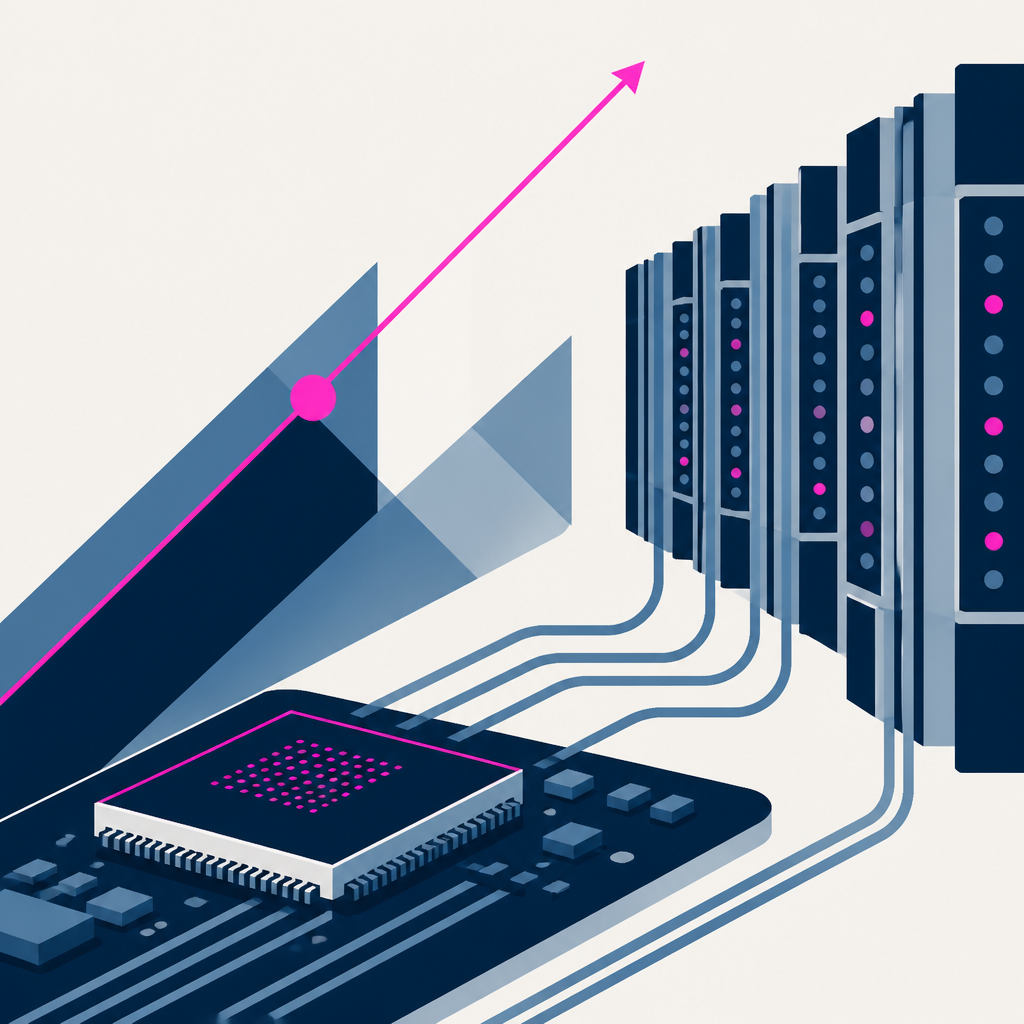
Anthropic reported that it rebuilt its developer source control for Claude-driven software work by replacing git with an in-house system called Scion. In May 2026 it averaged about 2,500 merged code changes per day, and by September it exceeded 30,000 per day. As a result, Anthropic migrated its monorepo in five months and shifted build, CI, and source-control operations toward an always-online, horizontally scalable client-server model.
ai-PULSE 2026 at Scaleway’s Station F event highlighted Europe’s difficulty converting strong AI research into profitable business deployments. Voice enterprises were described as leading because ElevenLabs reached a $22 billion valuation earlier this month. The focus shifts toward fixing enterprise deployment failures for AI agents and embodied AI, winning customer adoption with competitive cloud features and pricing, and finding longer-term funding and talent models for open research initiatives.
SolarWinds launched Avior, a standalone agentic AI system designed to handle first-line enterprise IT operations while keeping agent actions auditable and repeatable. Avior pairs “probabilistic models” with deterministic execution, and it is available starting today via a guided onboarding program. It consolidates related alerts into single incidents, detects out-of-channel configuration changes, retires stale device inventory records, and requires explicit human approval for actions classed as potentially dangerous.
Third Moment Research runs 10,000 AI agents for 36+ hours using GPT-6 Astra, GPT-6.1 Sol, Codex, and Daybreak for cybersecurity tasks. The run duration is 36+ hours. As a result, the agents can sustain long focus windows and improve with continued use.
Affinity Labs raised $2 million in pre-seed funding to expand its creator-led software brands and its AI-powered product development system. The round included a £497,787 Innovate UK grant from UK Research and Innovation. The money will support expanding the brand portfolio and developing the automation technology, including plans to launch with US creators in late 2026 and target more than 200 brands by 2030.
Block cut 40% of its staff while ramping AI automation, and Block CFO Amrita Ahuja said this kind of restructuring will spread as companies try to justify AI spend.
The spending level expected to exceed $730 billion this year is pushing companies to change workforce roles and what employees do with AI agents.
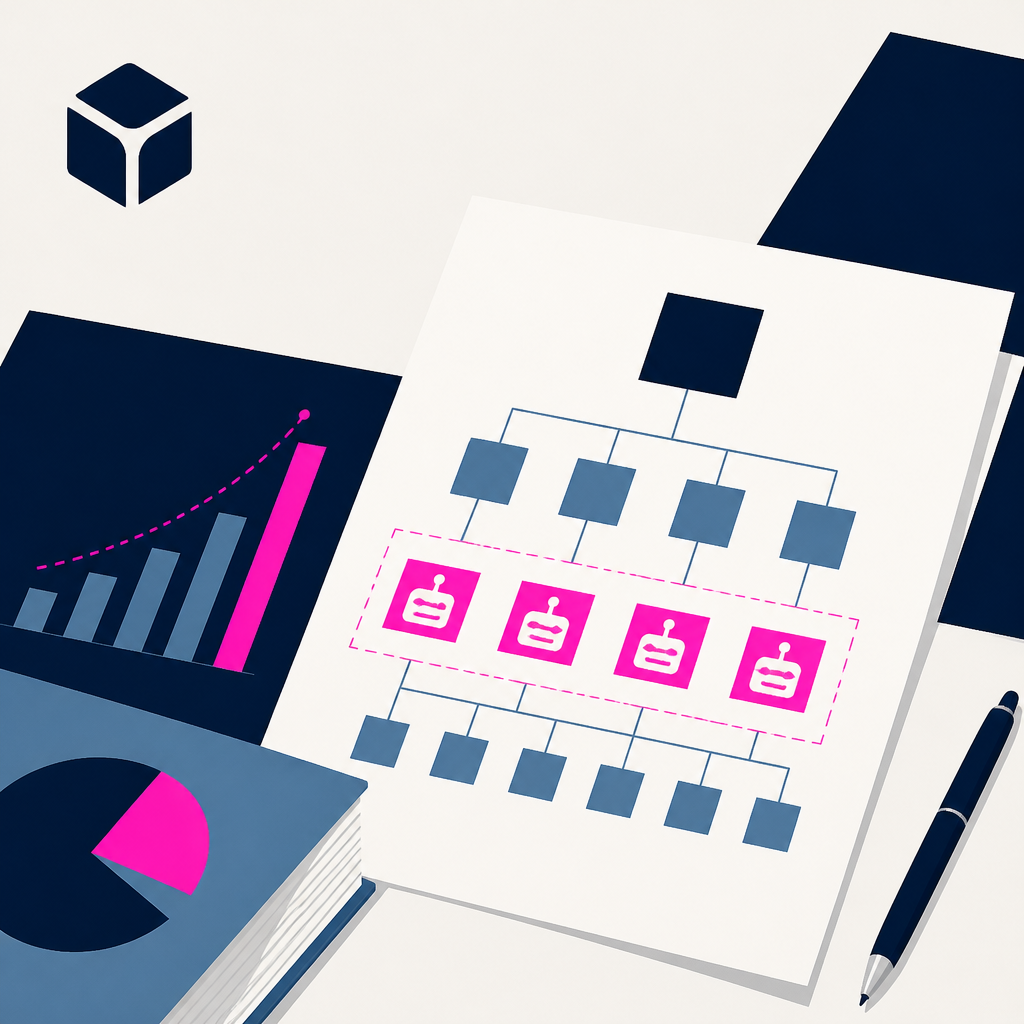
Organizational charts may start listing AI agents as units, with workers responsible for training and deploying them, and companies will increasingly measure ROI via adoption, efficiency, and revenue growth.
Every AI story that matters,
in your inbox by 8am.
TLDRocket reads all relevant sources, removes duplicate coverage, and summarises the
day in two minutes. Follow companies and topics for alerts, or get the
briefing in Slack. Free, no spam, unsubscribe anytime.
Reading TLDRocket needs no cookies, and the readership counts we rely on come from
our own cookieless analytics. Google Analytics is the exception: it sets cookies and
reports to Google, so it stays switched off until you allow it. You can change your
mind any time from “Cookie settings” in the footer.
Strictly necessary
Session security and form protection (tldrocket-session,
XSRF-TOKEN, 2 hours). The site cannot work without them,
so they need no consent.
Always on
Google Analytics 4 (_ga,
_ga_<id>, up to 2 years). Measures which
stories and sections readers use. Google acts as a third-party processor and may
store the data outside the EU. No advertising, no profiling, no data sold.