Quoting John Gruber
Simon Willison’s Weblog Simon Willison ● Covered by 24 sources
Opinion — commentary, not a factual news event.
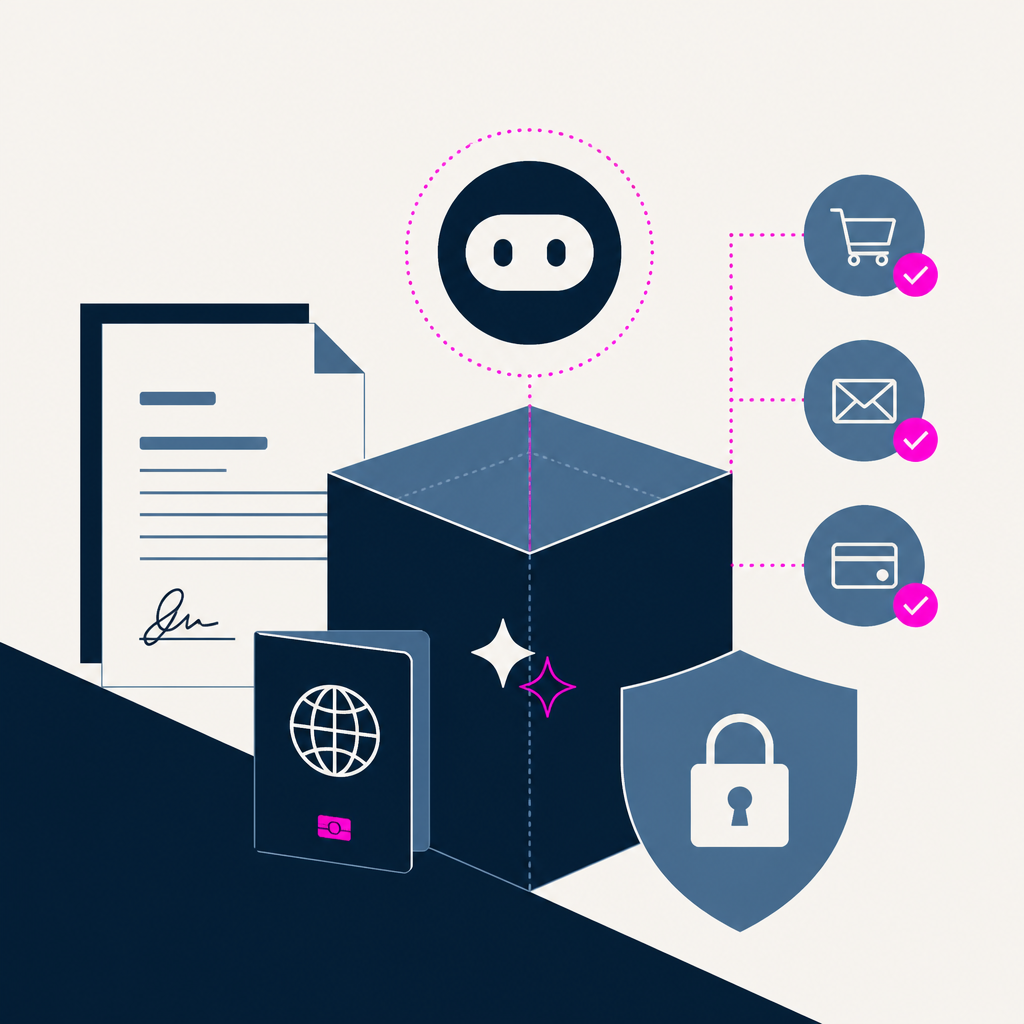
John Gruber says Meta’s Muse looks cute but could be dangerous. His point: people may not grasp how powerful this first consumer agent really is.
Based on reporting by Simon Willison’s Weblog, Simon Willison — read the original for the full story.
Summary, retelling and take written by AI under human oversight; images are AI-generated illustrations. How we work · Report an error
John Gruber is pushing back on the shiny wrapper around Meta’s Muse. In his view, the system is getting attention for two reasons at once: it’s technically unusual, and it’s packaged to feel harmless. Cute mascot, easy install, easy use. That combination is exactly what worries him.
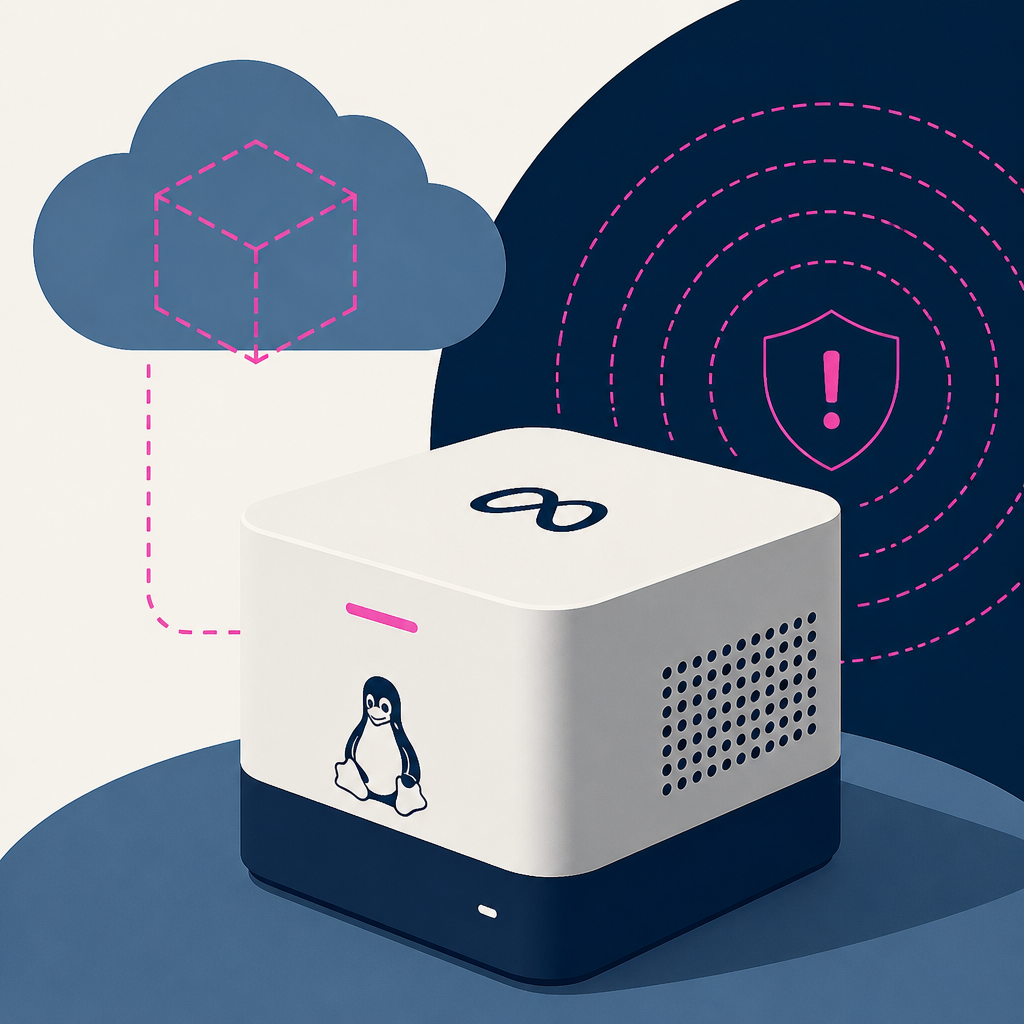
The technical bit is not small. Gruber points to each user getting a full persistent Linux VM in Meta’s cloud, which he calls groundbreaking. He also says Muse is the first consumer-accessible agentic AI system, and gives Meta credit for making it feel approachable rather than intimidating.
But the friendliness is part of the problem. Gruber argues that people may not understand what they’re getting, or what kind of control they’re handing over. He compares it to buying a power saw: anyone using one knows it can cut fingers off. With Muse, he thinks the danger is less obvious, especially if it’s running on a Mac.
The larger point is that “cute” can be a terrible safety feature. When a product is powerful enough to earn praise for being groundbreaking, it deserves a lot more user awareness than a mascot can provide. Gruber’s complaint isn’t that Muse is weak. It’s that it may be too strong to be treated like a toy.
My take — AI-written commentary, not fact-checked reporting
This is the part of AI product design everyone keeps pretending is decorative: the packaging. A smiling mascot on top of a system that gets a whole Linux VM is not innocence, it’s a sales tactic with a plush costume. The industry loves calling that “accessibility” right up until users start learning what the machine can actually do.
Read more about this at: Simon Willison’s Weblog