
TLDRocket
Sign in

The day in AI

THE DAY IN AI TLDRocket 5 August 2026 Wednesday GPU Infrastructure Inference Optimization Model Deployment 1 story · summarised & linked to the source

AI news — Wednesday, 5 August 2026

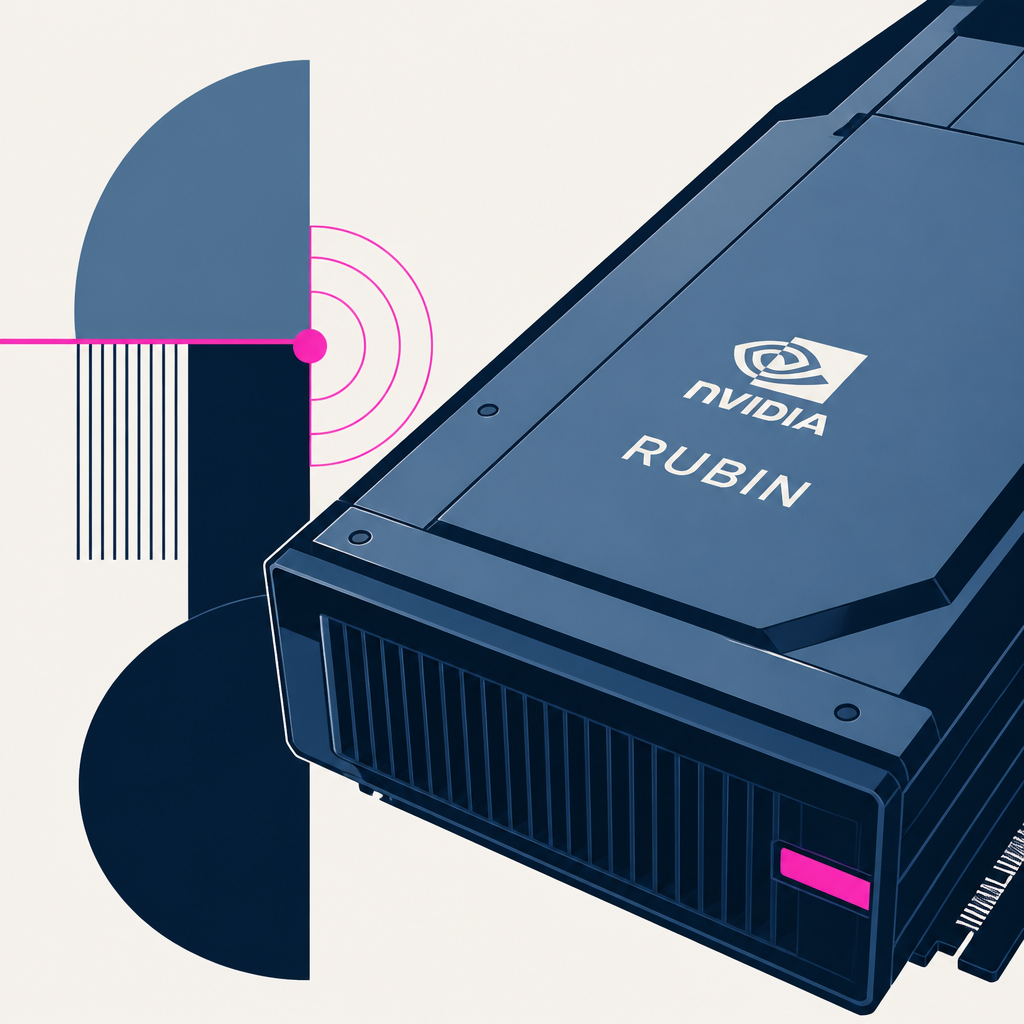
The infrastructure battle over how to efficiently run AI models just tilted decisively toward modularity. NVIDIA's new Rubin GPU, announced this week, includes dependency triggers—hardware features that dynamically manage computation sequences—effectively making the megakernel approach less necessary. Megakernels, hand-fused GPU kernels designed to squeeze out performance by reducing launch overhead, were once central to inference optimization. But they proved brittle: each new model required rewriting fused operations, and the complexity made them impractical at scale. Production systems at Meta, OpenAI, and major inference providers have largely abandoned them for modular stacks like TensorRT-LLM, which optimize individual components and compose them flexibly. Yet Cursor's open-source Mixture of Kittens megakernel just demonstrated a 41% increase in tokens per second, keeping the debate technically alive. What matters is the industrial shift: as hardware gets smarter about hiding latency through dependency management and as companies standardize on composable building blocks, the megakernel thesis weakens. The pattern mirrors broader infrastructure trends—monolithic optimizations give way to layered systems that are easier to reason about, maintain, and parallelize. This is less exciting than a performance breakthrough, but it's how software actually scales.

Share

1 story from this day

[AINews] Megakernels are so dead and so back

Latent Space 5 hours ago 44 2 sources

Megakernels—hand-fused GPU kernels designed to reduce launch overhead—are largely abandoned in production systems due to complexity and the superiority of modular approaches, though research teams continue exploring them; NVIDIA's Rubin GPU includes dependency triggers that further reduce their justification, yet Cursor's open-source Mixture of Kittens megakernel achieved a 41% increase in tokens per second, suggesting the debate remains live. The key technical shift is that NVIDIA's new hardware features make kernel fusion less necessary for hiding latency, while companies like Meta and inference providers have moved toward TensorRT-LLM and modular kernels that optimize individual components and parallelize better. As a result, the megakernel research direction appears to be closing while serving infrastructure consolidates around composable, easier-to-optimize building blocks rather than monolithic fused kernels.

The daily briefing

Every AI story that matters, in your inbox by 8am.

TLDRocket reads 60+ sources, removes duplicate coverage, and summarises the day in two minutes. Follow companies and topics for alerts, or get the briefing in Slack. Free, no spam, unsubscribe anytime.