Europe's tech sovereignty is facing its biggest test yet
Fortune Sam Forsdick ● Covered by 2 sources
Europe's AI chiefs say the sovereignty clock is ticking fast. A US move to cut off Anthropic access just made the fear feel real overnight.
Based on reporting by Fortune, Sam Forsdick — read the original for the full story.
Summary, retelling and take written by AI under human oversight; images are AI-generated illustrations. How we work · Report an error
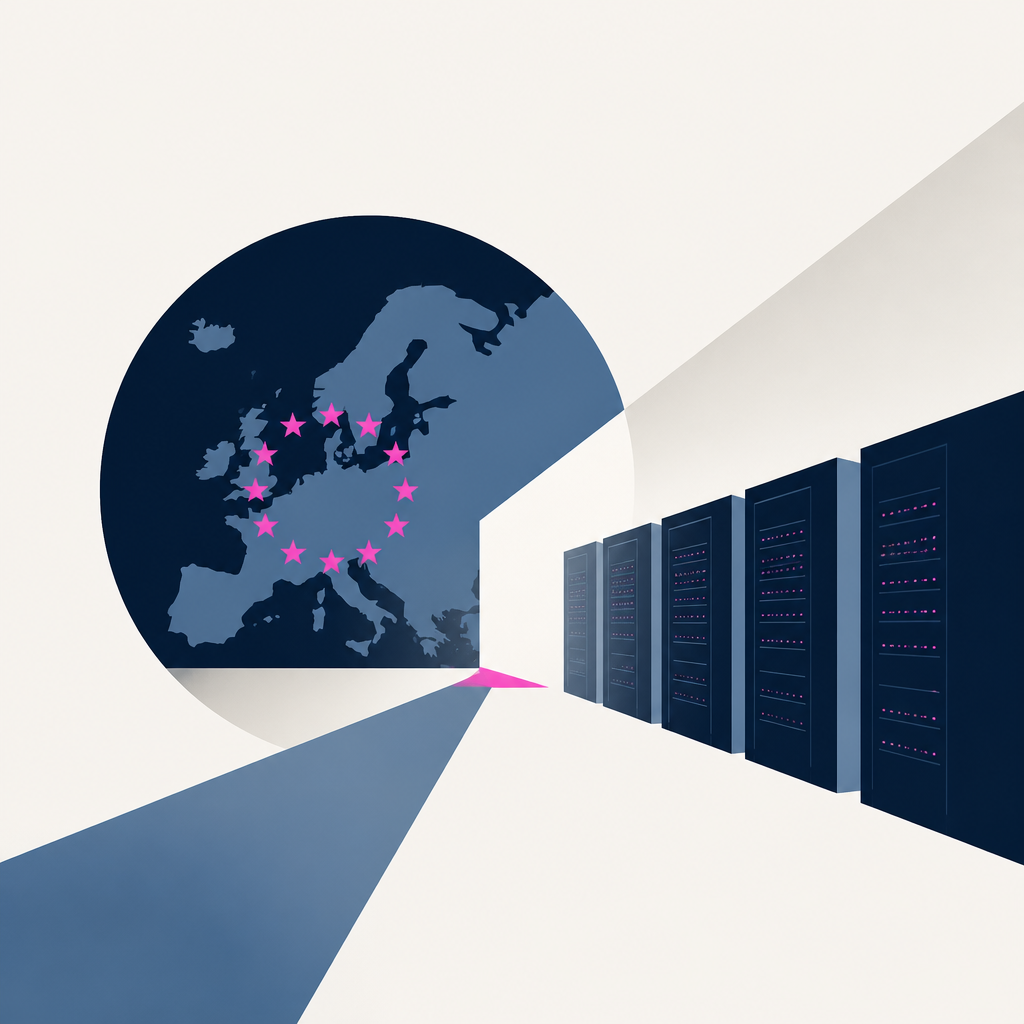
Europe got a stark deadline this June: build serious AI muscle by 2031, or slide into economic irrelevance behind the U.S. and China, exposed to nastier cyberattacks along the way. That's the warning from a group of AI governance experts, and it lands with unusual force in a region already nervous about tech dependence.
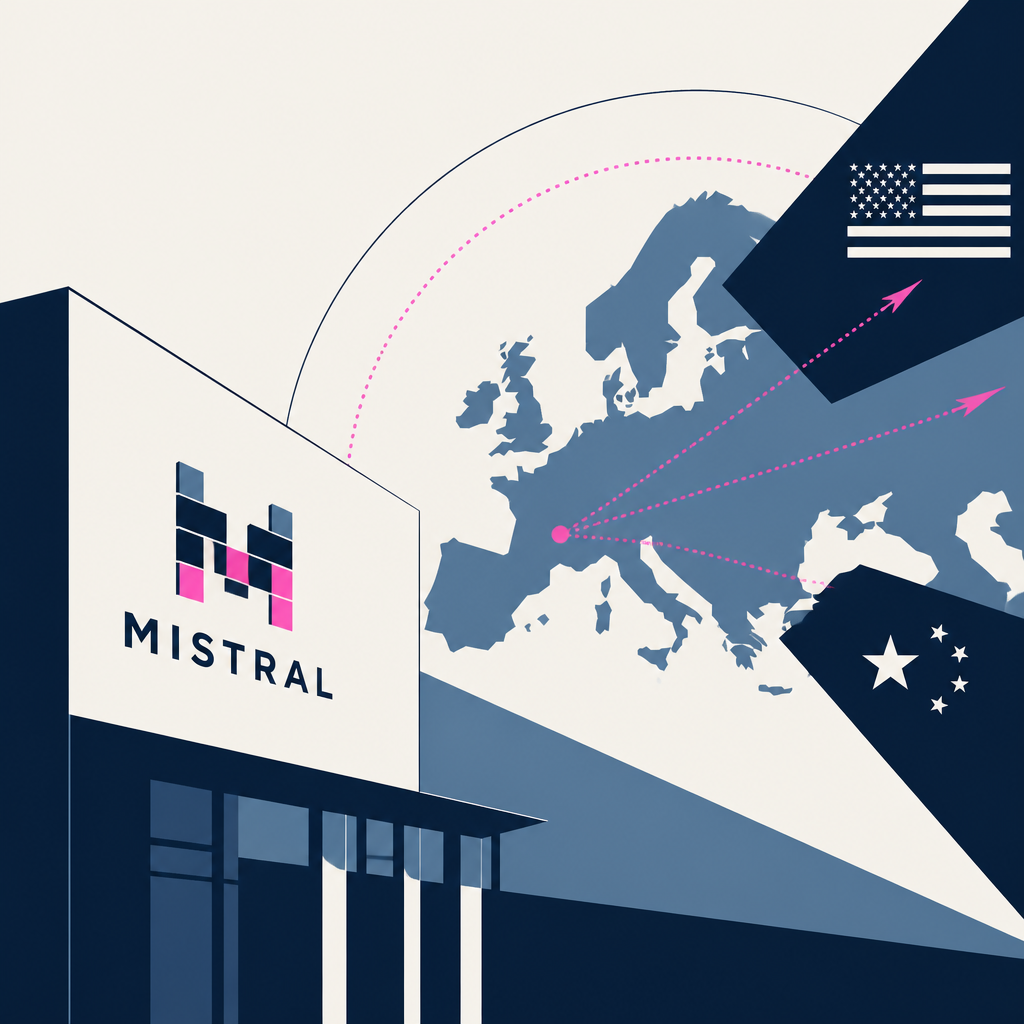
Arthur Mensch has been saying something similar for a while now. The CEO of Paris-based Mistral, Europe's clearest AI front-runner, argues that without homegrown AI infrastructure the continent risks turning into what he calls a "vassal state" — permanently tethered to American technology, with no leverage of its own.
That fear stopped being theoretical fairly quickly. The U.S. government ordered Anthropic to cut off foreign access to its most advanced models, and suddenly European policymakers who'd treated AI sovereignty as a slow-burn policy debate started treating it like an emergency. The issue has climbed the agenda fast since then.
Mistral is the company everyone points to as proof Europe can compete. But Mensch isn't interested in playing the role of regional consolation prize. He wants Mistral to be a genuine global contender, not a sovereignty project with modest ambitions — a distinction that matters if Europe's answer to U.S. dominance is going to be more than symbolic.
Whether that ambition survives contact with reality is the open question. Amazon just topped this year's Fortune Global 500 with $716.9 billion in revenue, a company Jeff Bezos built from a garage into something Mensch may quietly hope Mistral can one day resemble. For now, though, Europe's AI hopeful remains a long way from that kind of company, and the 2031 clock keeps running.
My take — AI-written commentary, not fact-checked reporting
Europe has a habit of discovering urgency right after the danger has already knocked on the door — the Anthropic access cut did more for AI sovereignty policy than a decade of white papers ever managed. Betting the continent's tech independence on one Paris startup wanting to go global, rather than settle for being a protected national champion, is either bold strategy or wishful thinking dressed up as one. Given how the last few decades of European tech ambition have gone, it's fair to assume the latter until proven otherwise.
Read more about this at: Fortune