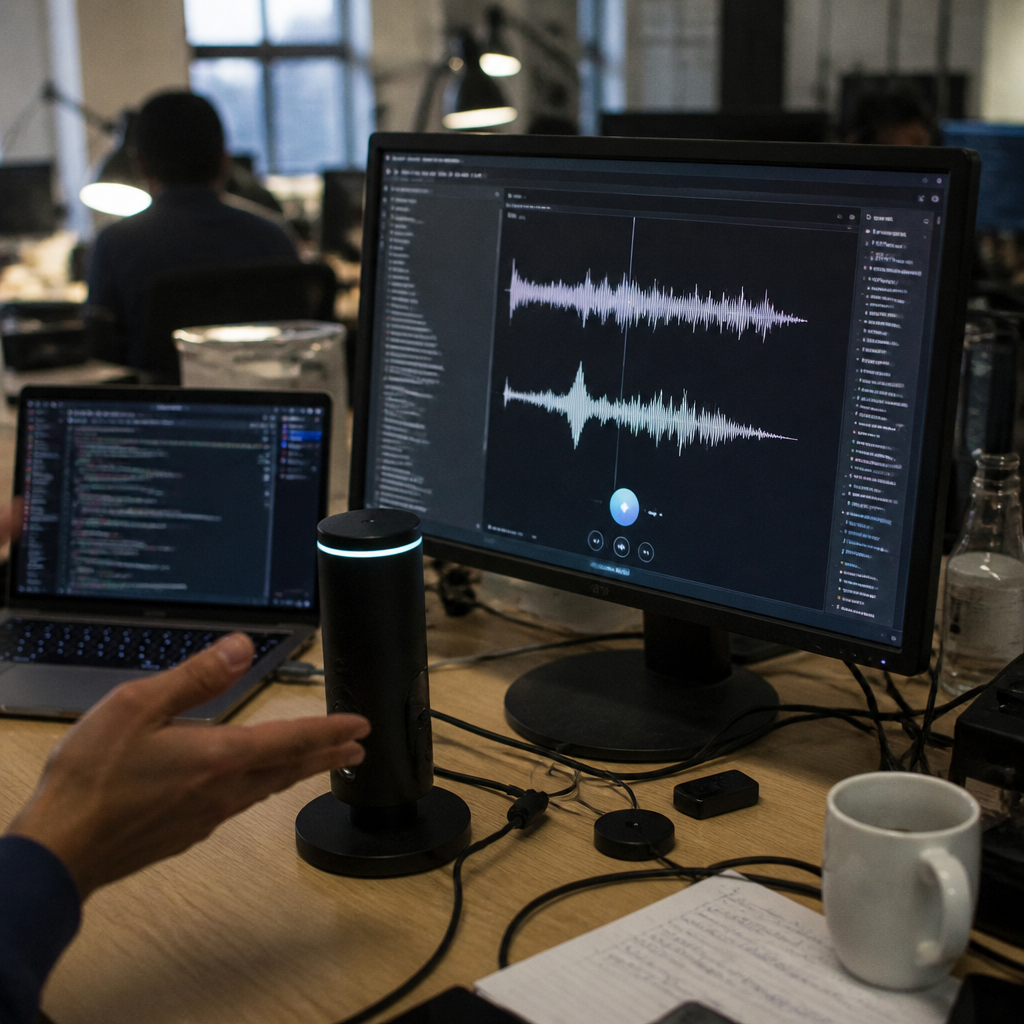
How we built a realtime system for responsive voice AI in six months
OpenAI ● Covered by 2 sources
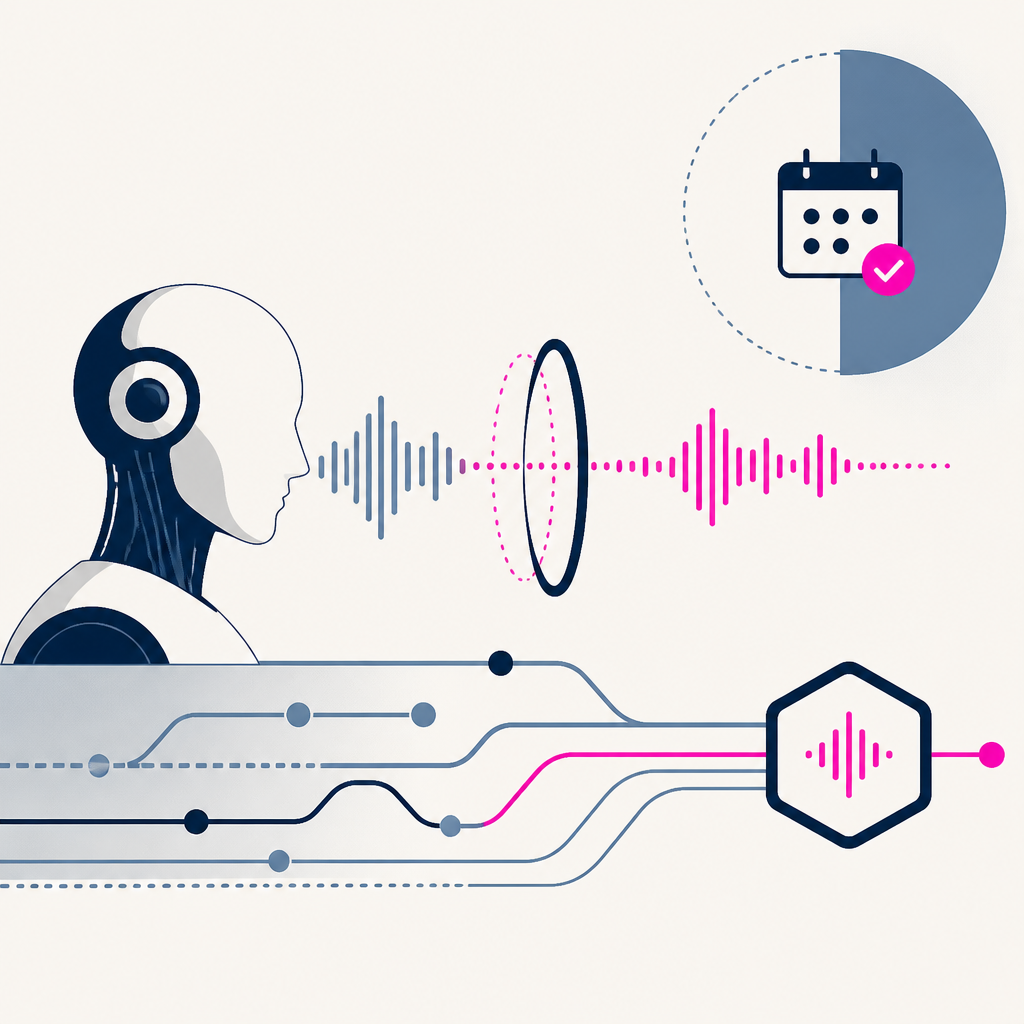
OpenAI built a new voice system that lets AI talk and listen at the same time, no more waiting for you to finish. It ditches the old 'wait your turn' setup, so conversations feel way less robotic.
Based on reporting by OpenAI — read the original for the full story.
Summary, retelling and take written by AI under human oversight; images are AI-generated illustrations. How we work · Report an error
Six months is a tight window to rebuild how a machine listens and talks, but that's the timeline the team behind GPT-Live is claiming. The core idea is simple to state and brutally hard to engineer: full-duplex audio. Instead of the model waiting for you to stop talking, detecting a pause, then generating a response, the system processes speech continuously in both directions at once, the way an actual phone call works.
That shift kills the turn-based detection logic that's powered voice assistants for years. Anyone who's used Siri or Alexa knows the tell: you talk, there's an awkward silence while it decides you're done, then it answers. GPT-Live is built to skip that gap entirely by streaming audio in and out simultaneously, so the model can start forming a response while you're still mid-sentence, or even get interrupted and adjust on the fly.
The harder problem, and the one that usually breaks these systems, is depth. Fast responses are easy if the model doesn't think much. Real reasoning takes time, and time is the enemy of a natural conversation. The team's answer was asynchronous delegation — offloading heavier computation to separate processes that run alongside the live audio stream, rather than blocking it. So the conversation keeps flowing on the surface while something more deliberate churns underneath, and the two get stitched back together before you'd notice the seam.
None of this is revolutionary in isolation. Streaming audio, background processing, low-latency pipelines — engineers have been chasing these for a decade. What's notable is doing it well enough, in six months, that the turn-taking illusion actually disappears. Voice AI has spent years feeling like texting with extra steps. This is one of the first credible attempts to make it feel like just talking to someone.
My take — AI-written commentary, not fact-checked reporting
Latency has always been the tell that you're talking to a machine, and killing it matters more than any benchmark score. Full-duplex voice is the unglamorous plumbing work nobody hypes up, but it's the difference between a demo and something people actually want to use daily. Expect every major voice assistant to quietly copy this architecture within a year, because the alternative is sounding like a walkie-talkie in 2024.
Read more about this at: OpenAI