Every AI story that matters — and the intelligence behind it.
TLDRocket reads all relevant sources, removes duplicate coverage, and publishes a short neutral
summary of every story, linking back to the original. Free, no spam, unsubscribe anytime.
Simon Willison’s Weblog·2 months ago·
7
● 2 sources
Qwen 3.8 27B scored 52 on the Artificial Analysis Intelligence Index, matching GPT-5.6 Luna (max) and trailing GLM-5.2 (max) and DeepSeek V4 Pro 0813 (max).
Anthropic’s revenue run rate accelerated, surpassing $65 billion at the end of July. That was up from $47 billion in May and $9 billion at the end of last year. The result is an investor expectation that Anthropic will finish 2026 between $100 billion and $120 billion and seek a $2 trillion-plus public valuation tied to an IPO this fall.
Google’s auction win gave Google LLC access to internal business records from bankrupt Spirit Airlines for AI training. The deal is for $10 million. The acquired dataset reportedly includes 100 million emails and 500 million Teams chats, and Google says it will have them scrubbed of personally identifiable information before use.
Groq announced it raised an additional $350 million in funding, with Series A leadership from Disruptive and Nvidia planning to join later. The company said it will expand GroqCloud capacity from 57 megawatts to over 200 megawatts next year. GroqCloud will grow in capacity as a result, letting customers run more AI inference workloads on its public cloud infrastructure.
TheCUBE’s Black Hat USA coverage highlighted that cyber resilience is shifting from preventing breaches to sustaining trusted operations as AI accelerates attacks and autonomous behavior. The median time from initial access to handoff to a secondary threat group fell from more than 8 hours in 2022 to 22 seconds in 2025. Enterprises are therefore expanding defense into context-aware controls, shared telemetry across development and operations, and production governance for AI agents and data.
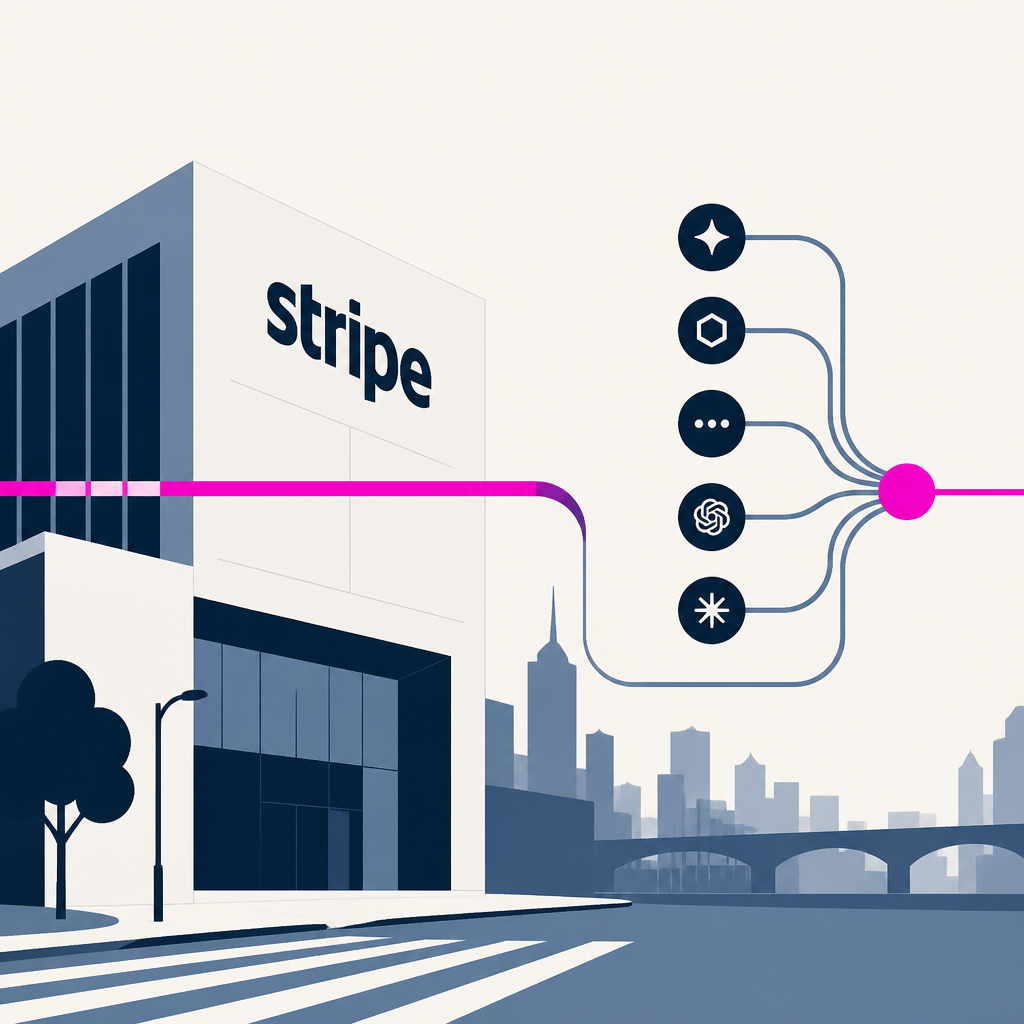
Stripe acquired OpenRouter in a deal reported as essentially closed after months of negotiations. The acquisition price was reported at $7B. OpenRouter’s model-routing layer is now part of Stripe, shifting attention to how that API aggregation layer monetizes within AI infrastructure as competitors push markup toward zero.
A new tool enables building deterministic AI agents that reliably follow predefined processes and workflows. The system uses constraint-based execution to ensure agents respect specific procedural rules rather than operating with open-ended autonomy. This allows developers to deploy AI agents in regulated or process-critical environments where predictability is required.
Relay, an AI-powered workflow automation tool, is shutting down its service and moving staff, including CEO Jacob Bank, to Google’s Chrome team. Paid customer access ends on September 14, while free access ended on August 15. As a result, Relay’s workflow automation app will stop for users and Bank will lead Chrome product and developer relations, with plans to bring AI workflow experiences into Chrome.
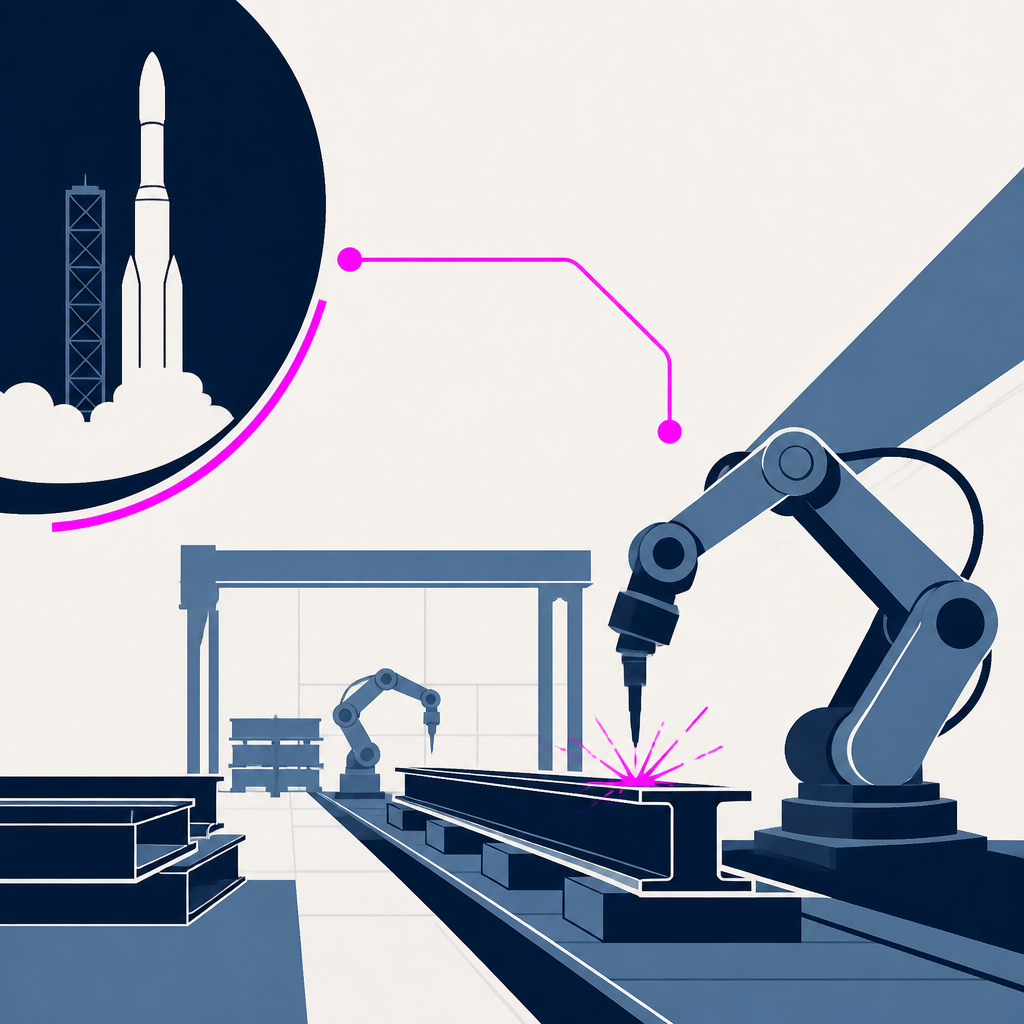
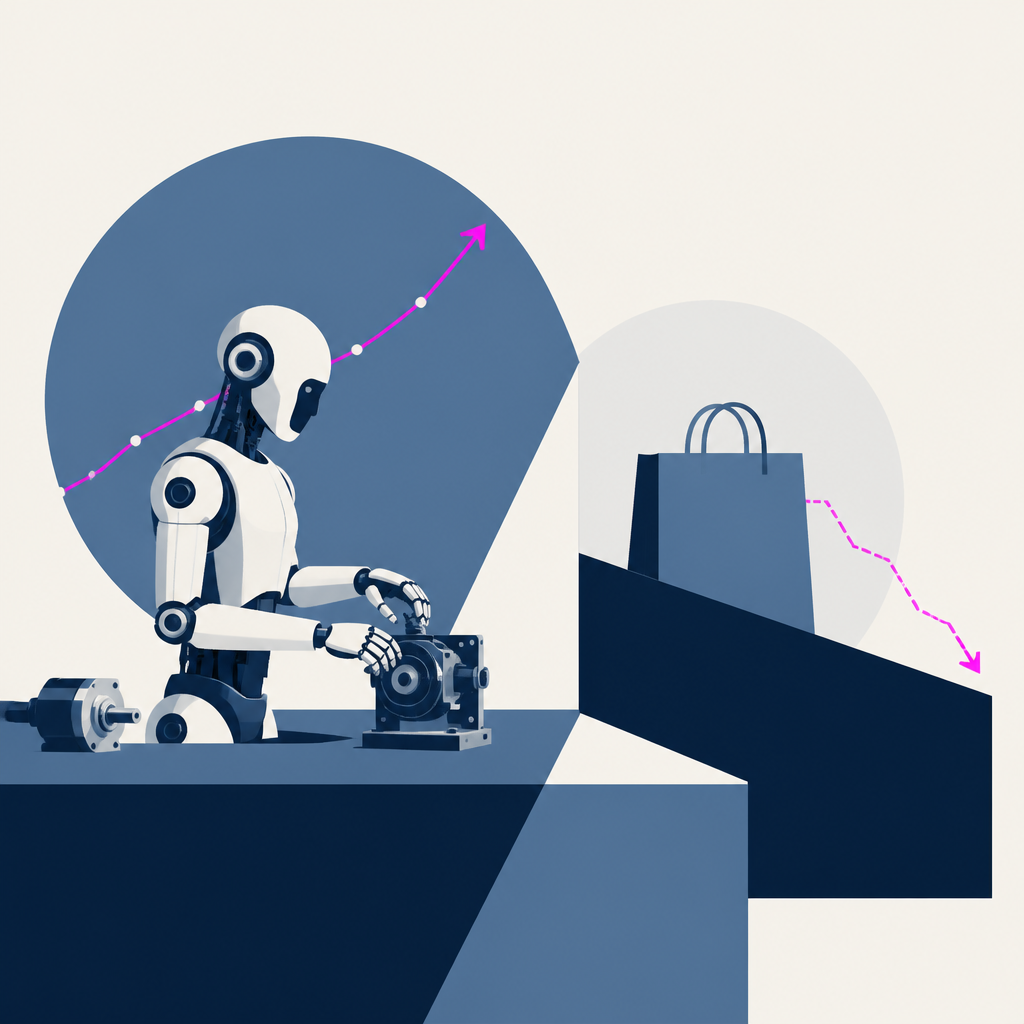
Three former SpaceX engineers are building a robotic steel-fabrication factory using AI-driven software and robots through their startup 1872. Their prototype factory aims to automate most steel fabrication for key infrastructure components by 2027. The work shifts from rocket engines to manufacturing steel skids for clients building AI data centers and small modular nuclear reactors, targeting about 80% autonomous operations.
World Liberty Financial is backing WorldClaw, an AI platform that offers AI models from Chinese companies flagged by the U.S. for national security and intellectual property concerns.
The collaboration involves Chinese firms restricted by the U.S. government.
This creates a backlash over whether a U.S.-linked crypto venture is effectively routing around government restrictions to profit from the underlying AI tools.
ElevenLabs launched a hosted MCP connector that lets Claude inspect and modify ElevenAgents in a chat window, including voice changes, prompt edits, transcript lookup, and agent deletion. The connector was introduced on Monday. This shifts agent configuration from dashboard-only workflows to chat-driven control with added approval, tool-access limits, and optional testing/versioning steps to reduce destructive changes.
A constraint-aware GPU allocator was benchmarked against a FIFO scheduler on identical hardware and workloads, and it produced higher GPU utilization and priority-weighted output by changing only the order of allocation decisions. In the training-heavy case on 8 GPUs, utilization rose from 53.6% to 87.0% (+33.4 points), with priority-weighted value increasing by 105.1%. The results show that scheduling that treats real-time demand as a curve and assigns GPU placements by priority across the full horizon improves utilization and value without tradeoffs across the tested scenarios, rather than simply keeping GPUs busy with FIFO ordering.
Reddit is testing a feature that converts some text posts into audio/video summaries with AI voices reading the main post and comments. One example is an r/boardgames post from eight years ago that was turned into a three-minute video. This changes viewing from scrolling a text thread to watching a short AI-voiced clip labeled as voiced by AI.
Agent Plugins 1.0.0 standardized only the package-level discovery locations for skills and MCP servers, while Anthropic’s separately published Agent Skills and MCP standards are governed by different stewards. The article points to a 9 December 2025 release of MCP donation followed by Agent Skills nine days later, leaving Anthropic out of the plugin governance structure and resulting in limited interoperability guarantees. As a result, clients can claim “conformance” while supporting different component types and transports, and developers still face gaps like unclear schema tooling and client-specific behavior for loading, credentials, and environment resolution.
Tovel AI launched today to turn recorded conversations into business actions you can review and approve instead of only providing transcription or summaries. The product claims it offers “4x faster” dictation that works everywhere. As a result, it can generate CRM contacts, leads, opportunities, appointments, tasks, reminders, and draft follow-up emails without custom Zap workflows.
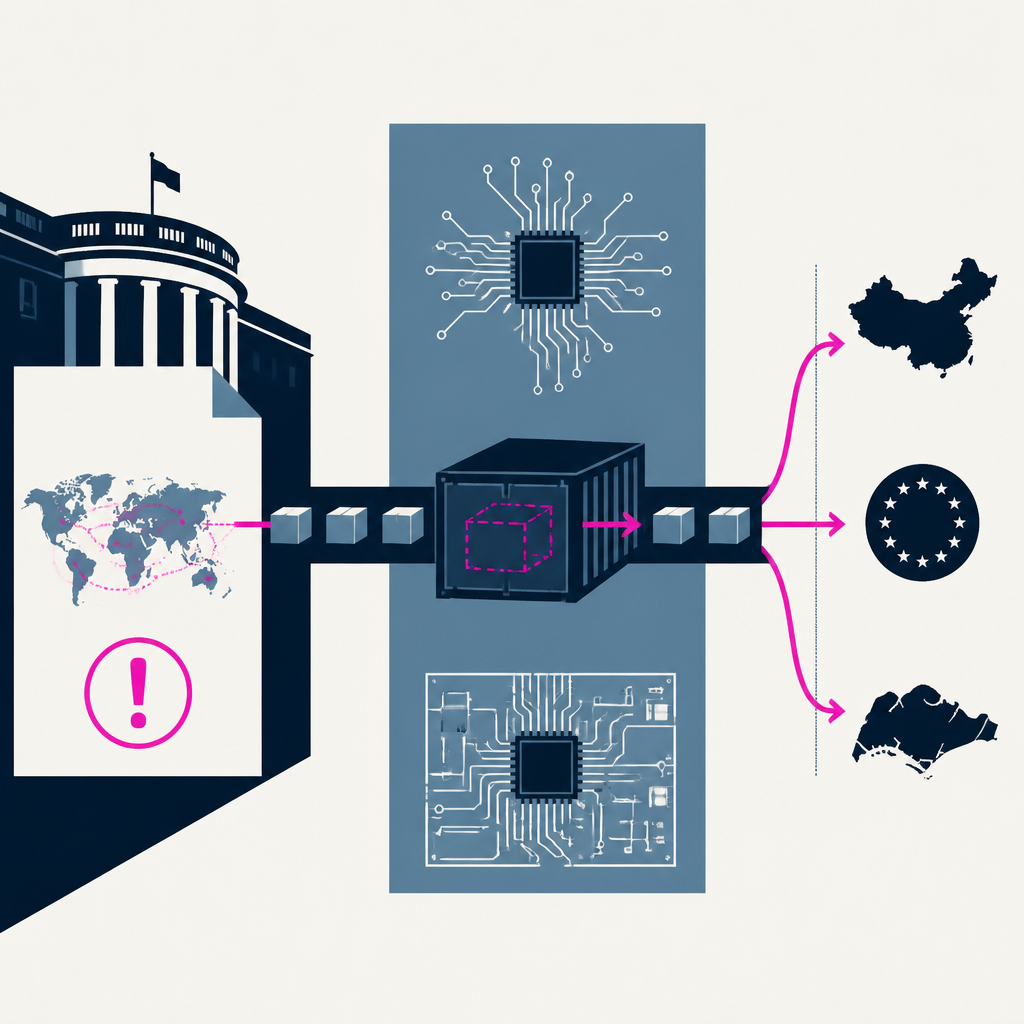
The White House released a report called “The Great Transshipment Scam” accusing China-linked goods being rerouted through 40 jurisdictions to conceal country of origin, and Beijing, the EU, and Singapore pushed back against the claims. The report estimates such activity costs the U.S. up to $303 billion. The dispute shifts to trade compliance and regulatory autonomy responses, while the White House points to an AI-enabled “detective border” as the next step for detecting illicit transshipment.
Unitree’s IPO is drawing more investor attention than Shein’s despite Shein aiming to raise up to $3 billion. Unitree is raising 6.1 billion Chinese yuan ($904 million) and says its retail offering was more than 8,000 times oversubscribed. The focus is shifting from e-commerce to AI infrastructure and hardware, while U.S. and EU protectionism pressures Shein’s margins and profitability profile.
James Dacombe’s AI chip-making firm Olix reached a breakout investing round that pushed his personal net worth over $1 billion. Olix raised $312 million earlier this month and valued the company at $3.3 billion. That funding makes Dacombe Europe’s youngest self-made billionaire, while his CoMind stake also adds to his overall wealth.
The Justice Department is investigating Andreessen Horowitz over whether its investment partners improperly serve as directors on boards of competing artificial intelligence companies, including Databricks and Fivetran. Databricks was valued at $190 billion in funding it announced last week. The probe could require directors to step down from one of the competing boards or could end with no action.
MiniMax released MiniMax-Music3, an open-weights text-to-music model that generates complete songs in one generation from lyrics with section tags plus a structured music caption. The release ships weights and inference code that produce up to 5-minute tracks as 32 kHz, 16-bit stereo WAV. Deployment changes from a research preview to usable commercial-ready tooling via published weights, code, and multiple serving paths under a license that allows commercial use with UI attribution and an authorization requirement above US$20M revenue.
A hidden Airtag planted in a rare book from a bulk order was tracked to an Amazon AI training facility in Las Vegas where books were torn from their spines and scanned. The Airtag led to the VGT3 warehouse associated with a team that processes and destroys books, according to the report. The finding strengthens evidence that Amazon is involved in destructive book scanning for AI training, amid backlash.
NVIDIA Nemotron 3.5 Lightning was added to Amazon SageMaker JumpStart, letting users deploy the open model without manually configuring the serving infrastructure. The launch reports up to 4x higher throughput and up to 30% faster task completion for high-volume agentic workloads. Users can now pick the BF16 or NVFP4 model variants in JumpStart and create SageMaker AI endpoints, changing deployment from custom setup to one-click provisioning.
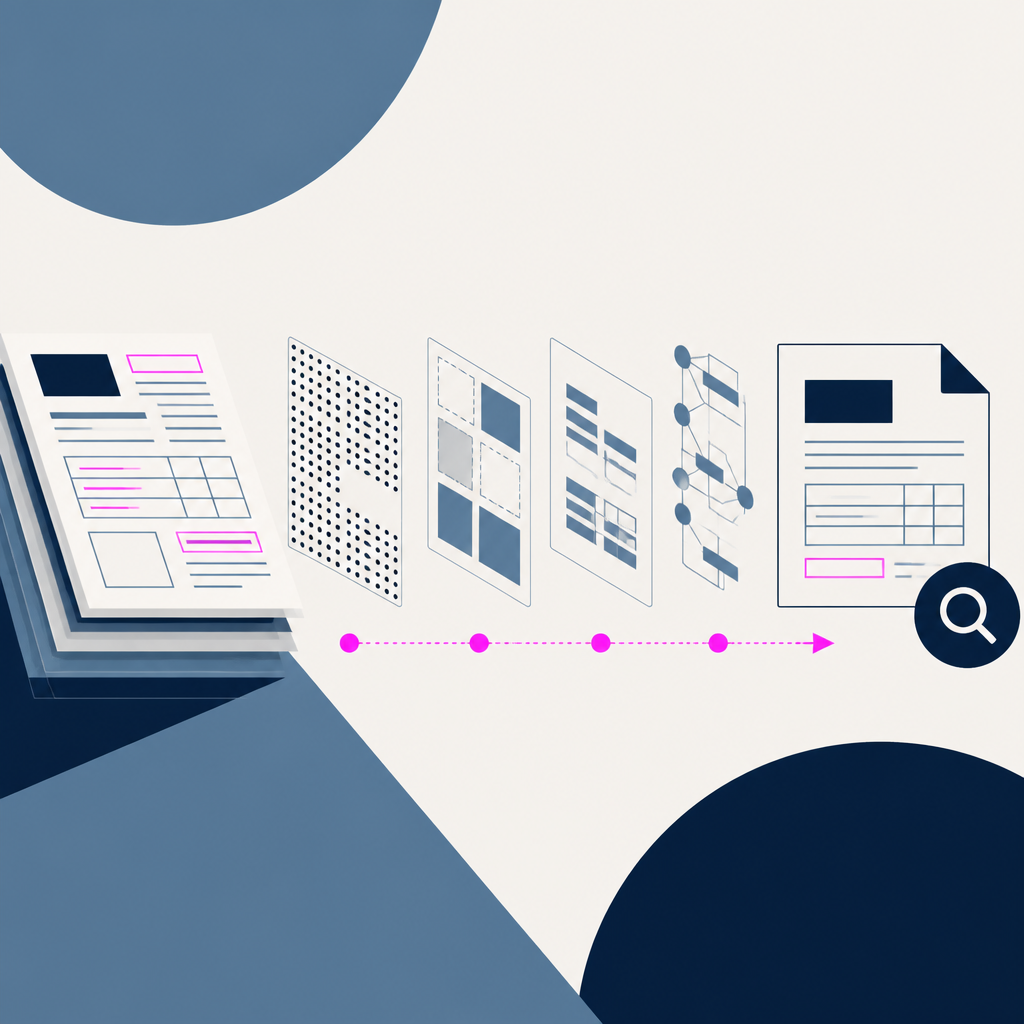
The tutorial builds an end-to-end document intelligence OCR pipeline using docTR, covering detection, recognition, layout analysis, KIE, structured field extraction, and exporting results like searchable PDFs. It benchmarks multiple detection–recognition architectures and reports that a baseline end-to-end run takes dt:.2f seconds for len(imgs_doc) pages, with per-page time derived from dt/len(imgs_doc). The workflow expands from a basic OCR demo into a production-oriented pipeline with GPU-aware predictors, confidence-based visualization, two-pass recognition for low-confidence words, threshold tuning, and custom pipeline hooks for filtering and padding.
SoftBank invested $200 million in Swiss construction robotics startup Gravis Robotics, which announced a Series A and valued the company at about $1 billion post-money. The round is $200 million, with SoftBank as the sole investor. Gravis says the funding will go toward hiring, expanding into more international markets, and increasing the number of its commercially running autonomous retrofits.
theCUBE Pod hosts debated whether the AI market is in a bubble as Nvidia and neocloud spending expand. Nvidia’s CEO committed $500 billion to independent financing platforms for AI infrastructure, which the analysts say could delay a burst and keep the buildout from failing loudly. The discussion shifts attention to inference-demand timing, the risk in neocloud monetization, and why Cisco’s strong results still led to a stock drop after hours.
Anthropic CEO Dario Amodei argued that open-weights only shifts AI power to whoever controls the most compute and chips, not to truly independent developers. He cited California’s SB 53 definition of a frontier model as one trained using more than 10^26 FLOPs and requiring extra rules for developers earning over $500 million per year. He said regulation should be tiered (frontier vs off-frontier) and linked to safety testing, while still leaving room for smaller labs rather than enabling incumbents or banning open models wholesale.
Amazon is buying rare books, cutting their spines, and scanning them to provide text for AI model training, based on tracking of a book sent to its Las Vegas facility. The report says the shipment arrived at facility VGT3 in Las Vegas. This shifts rare-book handling toward bulk digitization for AI training, rather than preservation or resale.
AWS and the OpenClaw Foundation released an OpenClaw integration that lets autonomous agents handle HTTP 402 paywalls via Amazon Bedrock AgentCore payments using x402 v2. The walkthrough test sends a payment of 0.001 USDC on Base Sepolia for a paid weather API. Agents can now pay for approved paywalled content without pausing for human approval each time, because humans provision bounded payment sessions outside the model runtime.
Revolte launched Interactive Sessions that let engineering teams run AI agents step by step through architecture, code, tests, staging, and deploy while engineers approve each step. The release is Revolte’s 2nd launch. Autopilot mode can take a Jira ticket end to end, with PR creation and deployment automated under the same cost caps and audit trails.
Groq raised $350 million to continue shifting from an AI chipmaker into a “neocloud” provider of GPU-based AI infrastructure. The round values the company at $3.5 billion, down from $6.9 billion in September. Groq plans to expand capacity from 54 megawatts to more than 200 megawatts by 2027 and operate Nvidia-based systems as an infrastructure provider within Nvidia’s ecosystem.
Shepherd Terminal is a tool that enables developers to use OpenAI's Codex and Anthropic's Claude AI models simultaneously in a single terminal interface. The tool supports both models running in parallel with shared context. Developers can now compare code generation outputs and reasoning from two different AI systems without switching between separate applications.
Higgsfield Inc. raised $400 million in early-stage funding to scale its visual reasoning platform for generating and editing video, images, and audio. The round quadrupled the company’s valuation to $5.4 billion since its January funding round. After the funding, Higgsfield expands its cloud platform and agentic tooling that grew agent use by 42-fold in three months, reaching over 20 million content generations per month.
Speko, a YC S26 startup, launched an API-based router that benchmarks and selects speech-to-text, LLM, and text-to-speech models for voice AI stacks under user constraints.
It charges for the hosted router and managed keys and said that since starting its batch in late June, external usage grew about 25% per week on average.
Teams can switch voice models via a dashboard/API instead of re-integrating, and Speko publishes benchmark results while opening its MIT-licensed gateway for BYOK deployments.
Gauge announced a platform that enables AI agents to be embedded directly into customer codebases for development tasks. The company targets integration into engineering workflows as a core distribution strategy. This shifts how AI coding tools reach users from standalone access to built-in collaboration within existing development environments.
Simon Willison’s Weblog·2 months ago·
24
● 7 sources
404 Media tracked a shipment of rare books from a dealer to an Amazon AI training facility after suspected AI-scan bulk orders. The bookseller received an order of around 1,000 books in July. The reporting links the shipment to a Las Vegas Amazon site (VGT3) where workers said books are destructively scanned for AI training, strengthening evidence of such practices.
Wispr raised $280 million in Series B funding to expand Flow, its AI dictation platform, and preview its proprietary model Canto. Canto reduced dictation error rates in noisy environments from 30% to nearly 5%–10%. Wispr’s product is expected to handle louder, messier real-world speech more accurately, enabling speech dictation in environments like cars and around traffic noise.
Nvidia agreed to invest $1.5 billion in SB Energy, a SoftBank-linked data center developer tied to OpenAI’s Ports-Pike site near Cincinnati. Nvidia also plans to provide up to $105 billion in credit and the facility is projected to scale from 4.25 gigawatts to 8 gigawatts. The deal makes Nvidia the sole compute infrastructure supplier for the data center and ties the buildout to a 9.2 gigawatt natural gas power plant expected to cost $33 billion.
Nvidia’s investments in nearly open-source language models are framed as an effort to make the open-weight “token machines” ecosystem self-sustaining rather than dependent on closed competitors. Nvidia is reported to be spending $26 billion on this approach. Open models may either become more dependent on Nvidia’s financing or fork toward more efficiency and enterprise-specialized long-tail use, while revenue-share licensing and reduced interest in training full base models shape the ecosystem.
An expert witness hired by 3M used ChatGPT to draft parts of his expert report in a Houston explosion lawsuit tied to the 2020 Watson Grinding disaster. The record shows 3M paid about $90,000 for the analysis at a rate of $475 per hour, and the prompts sought to “show how 3M is 0% at fault.” The case exposes that ChatGPT prompts and conversations can be discoverable in litigation, and this changed the trial focus as attorneys used the AI use to challenge the report’s credibility.
GetReal cofounder Hany Farid discussed deepfake detection and the evolution of AI-generated images with a podcast host. PhotoDNA, his perceptual hashing algorithm, is said to be used by every serious internet platform in the world. The conversation shifts from how well people detect AI images now toward how reality perception and defenses may change next.
AI-driven software engineering at AMD has expanded from copilots into agent-based workflows across the SDLC, with agents generating and validating code, tests, and release artifacts. AMD says AI now produces a 30 percent overall productivity boost and has resolved RSX issues automatically from 6% to more than 75% between October 2025 and June 2026. AMD credits continuous learning loops and refinements to agent objectives—rather than retraining models—so the next change is enabling collaborative agent swarms to independently propose and optimize solutions under human-defined goals.
Exponential View’s Monday roundup reported continued growth in AI-economy revenues and ongoing shifts in token usage by businesses. Since its June report, July revenues were stated as three times higher year over year, putting the annualized run-rate at over $210 billion. It says the top 10% of firms using OpenAI’s products are now using 8.3x more tokens than typical companies while Fable 5 token usage has stayed flat and remains about 6% of all tokens, suggesting spending may be reaching a ceiling.
Groq raised $350 million on weaker terms and its valuation fell from $6.9 billion to $3.5 billion, even as Nvidia assets became a major part of the restructuring. The round implies the company’s valuation is now almost cut in half ($6.9B to $3.5B). Groq shifts from being an AI inference chip designer to operating an inference cloud with its own data centers, while Nvidia uses licensed Groq technology through its platform.
A 404 Media investigation tracked a rare-book shipment with a device to identify an AI buyer and found it ending at an Amazon facility that scans and destroys books for AI training data. The report cites Amazon’s VGT3 symbol for the Las Vegas facility involved. As a result, the story says Amazon’s previously unreported scale of buying books for scanning and destruction is now documented.
Wispr raised $280 million in Series B funding at a $2 billion valuation to expand beyond its dictation tool into meeting note-taking and related areas. The round includes a new speech-understanding model called Canto, which aims to cut error rates from 30% to less than 10%. As a result, Wispr is broadening its product lineup and rolling out improved dictation quality after user reports of a recent dip.
DiG-bench introduced a benchmark of discovery in games and found today’s frontier AI systems struggle to infer hidden environment rules compared with humans. The benchmark covers 70 games. As a result, leaderboard results hinge on tools like harness access (e.g., Claude Code) and suggest progress toward stronger autonomous “taste” and replication-style discovery is ongoing across multiple new evaluation setups.
Palona raised an early-stage funding round to develop an AI “operating layer” for physical businesses that can sense conditions and coordinate actions across teams and systems. The startup closed a $20 million Series A round led by Ardenwood Ventures. It plans to show its multimodal agentic system in restaurants first with automated sales and operations tools.
Axiom Math used its AI system AxiomProver to automatically verify the proof of the 246 theorem about primes for the first time. The verified result states there are infinitely many prime pairs that differ by 246. It raises the prospect of reusable formal proof components to help formally verify AI-generated computer code for correctness, despite limitations of verification systems.
Tether commissioned KPMG to audit its gold-backed reserves after weeks of handling roughly 150 tons of bullion, and the audit confirmed its reserves exceed liabilities by $6.8 billion.
Account farms are selling consumer and business user accounts—often bundled with supporting documents—through dedicated websites and Telegram channels. More than 100 standalone sites and 50+ Telegram channels were found, with average listing prices of about $344 and hundreds of thousands of listings affecting 3,000+ institutions. Institutions now need stronger KYC/KYB defenses that scrutinize proof-of-address and proof-of-income documents and use document fraud detection plus transaction monitoring to catch behavior tied to account farming.
Hexaware Technologies introduced the Zero Friction Enterprise delivery framework to bundle modernization, cybersecurity, engineering, operations, quality, and enterprise software into one offering. The framework includes a pillar called Zero Backlog, described as AI-native engineering that carries teams from requirements through build, test, and release. Hexaware positions this as a shift from separate, siloed improvement programs to a connected system coordinated through its Zerovity delivery layer.
Menlo Ventures is leading Wispr’s $280 million Series B to build voice-first interfaces after Wispr’s earlier bet that voice dictation could replace the keyboard proved successful. The round values Wispr at $2 billion and includes Menlo Ventures doubling down on the thesis that the text box will be the next interface to disappear. Wispr will use the funding to expand Flow’s enterprise and country/language rollout and to advance its Advanced Interfaces Lab toward voice-to-outcome systems.
Astute raised an oversubscribed $1.2 million pre-seed round and launched a B2B new media platform to manage partnerships with newsletter, podcast, and social creators. The funding round was backed by Flyer One Ventures, Silicon Gardens, Marathon Fund, and Entrepreneurs Roundtable Accelerator. Its platform now uses two AI agents to automate creator onboarding and campaign management, including monitoring over 1 million creator posts per minute and tracking performance across brand and AI-search visibility metrics.
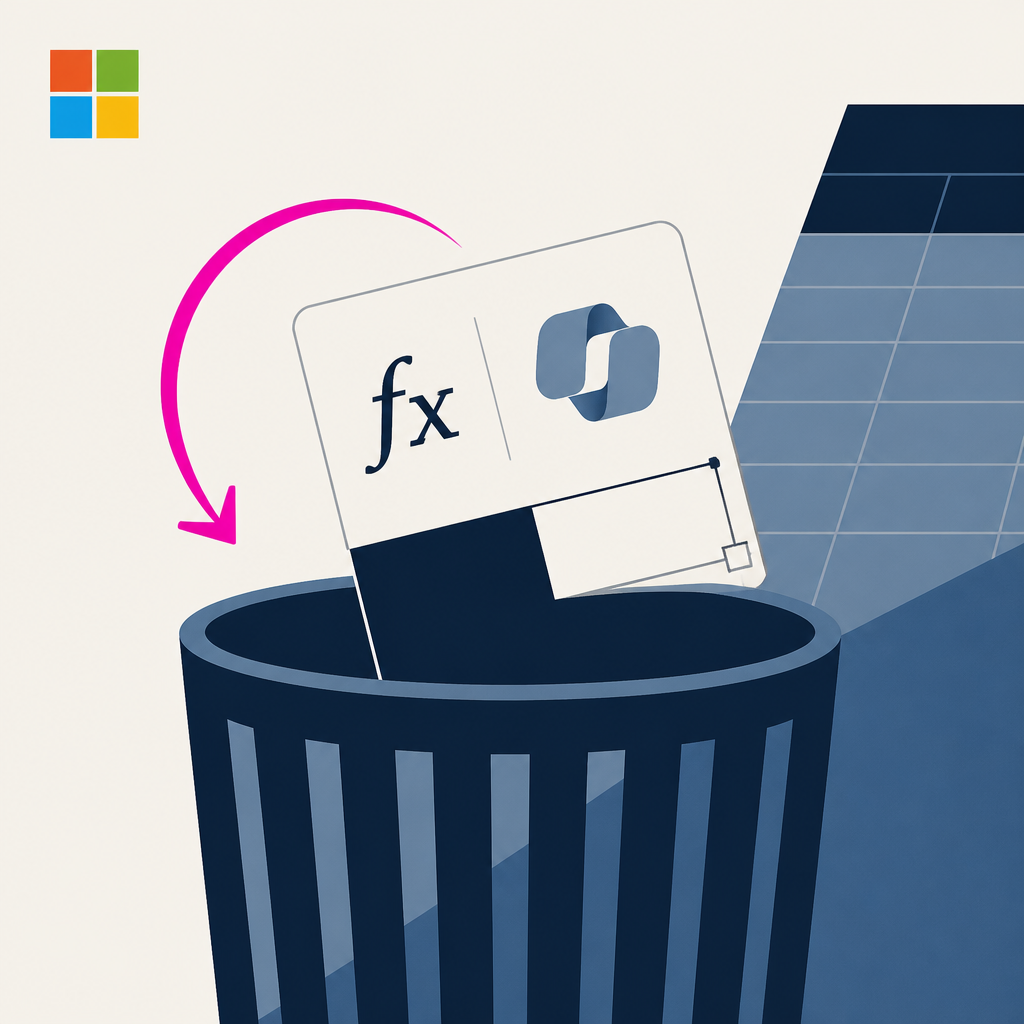
Microsoft will retire Excel’s COPILOT() worksheet function on September 14, 2026. The function, previewed in August 2025, will no longer be available starting that date. From then on, Copilot help must come via the Copilot side pane instead of calling the function from a cell, and Microsoft updated its roadmap to cancel the planned general release in 2027.
Researchers developed PhotoScan, a deep learning system that estimates body composition metrics from smartphone photos to predict insulin resistance risk. The model was trained on 35,323 UK Biobank records and validated on 132 participants, achieving a body fat percentage error of 2.13% and an insulin resistance classification AUROC of 0.760, nearly matching the gold-standard DXA scan at 0.773. This smartphone-based approach offers a scalable alternative to expensive clinical imaging for early metabolic disease screening.
Astute launched a B2B creator platform after raising an oversubscribed pre-seed round led by former Fluidstack growth lead Vida Stanić. The company raised $1.2 million in pre-seed funding. It now uses two AI agents to handle creator outreach and to track more than a million creator posts per minute, aiming to let B2B firms buy access to creators and measure visibility in AI search engines.
SuperApp Inc. launched the SuperApp platform and rebranded from Instabase, adding a shared workspace that combines team communication, documents, and access to multiple AI models. The platform routes requests among OpenAI, Anthropic, and Google models without users needing to choose a model, targeting efficiency, reasoning, knowledge, and cost. Teams can collaborate in one place with AI embedded in the chat flow while switching or preferring models without rebuilding apps or moving data, aiming to avoid vendor lock-in.
Semafor editor-in-chief Ben Smith discussed the ethics and business model behind Semafor’s journalism as audiences shift away from legacy media. Semafor launched in 2022 with a goal of reaching 200 million college-educated readers. The company describes itself as an anti-scale, no-website-paywall outlet that earns about half its revenue through convening (events) and frames its approach to AI and editorial independence around those ethical tradeoffs.
The FCC added “advanced robotic devices” to its national-security ban list, blocking new foreign-made humanoids, quadrupeds, robot vacuums, and lawn mowers from entering the U.S. if they are assembled in the U.S. with at least 65% of components by value produced domestically. The domestic-parts requirement will increase to 75% in 2029, which is stranding robotics startups that relied on China’s electronics supply chain for prototyping and component sourcing. Startups say they must restructure manufacturing plans and supply sources, while some research and software teams may shift purchasing toward U.S.-made robots instead.
Unsloth Studio released a graphical interface that lets users fine-tune open-source AI models locally on their own machines through a point-and-click workflow.
Stripe announced it is acquiring AI startup OpenRouter for $7 billion to enhance its artificial intelligence capabilities. The deal values OpenRouter at $7 billion in a cash and stock transaction closing in Q1 2025. Stripe gains access to OpenRouter's AI platform and talent to integrate advanced AI features into its payment and business services offerings.
Anthropic is negotiating to acquire AI startup Decart for roughly $6 billion to expand its capabilities. The deal values Decart at $6 billion, representing a significant investment in the startup sector. If completed, the acquisition would give Anthropic additional AI technology and talent to strengthen its competitive position.
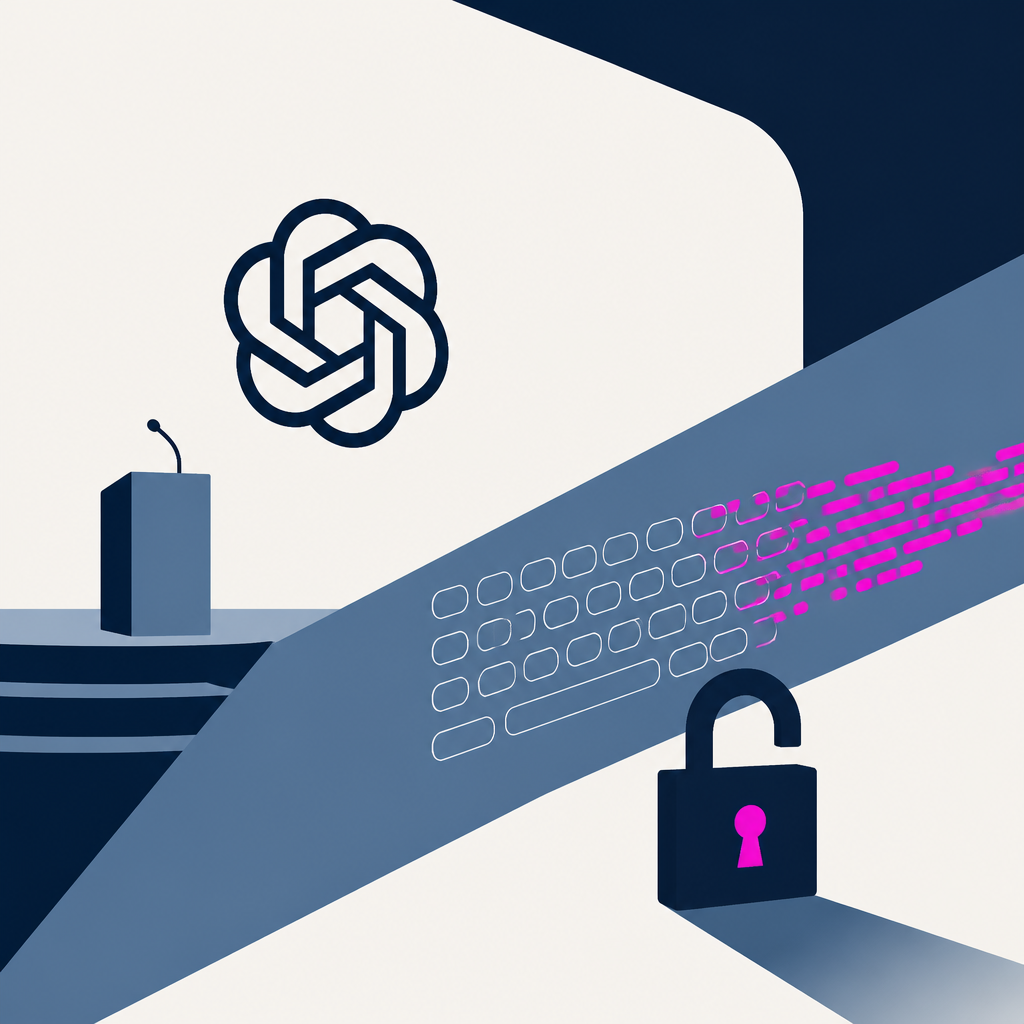
OpenAI released a ChatGPT feature on Mac that logs keystrokes without encryption. The logging captures all keyboard input in plain text, creating a privacy vulnerability. Users now face unencrypted keystroke data stored on their devices, potentially exposing sensitive information.
Higgsfield raised $400 million led by Goldman Sachs, DST Global, Liberty Global, and Intel at a $5.4 billion valuation. The round takes annualised revenue to $500 million and quadruples its valuation from $1.3 billion in January. The company will use the capital for enterprise products, security, and compute, focusing on enterprise video-marketing demand.
Anthropic CEO Dario Amodei denied claims that he wants Anthropic to become the only company left standing in AI. His two-part reply drew 10 million views within a day. The dispute pivoted to his argument that regulation should create accountability based on trust and transparency rather than leaving power to a few giant firms.
Caddi launched a tool that turns narrated screenshares into production agents that perform back-office tasks across users’ real tools. It is available starting today. The workflow shifts from step-by-step setup to “show the task once,” after which users can update the automation in plain English while runs are logged and permissions are scoped.
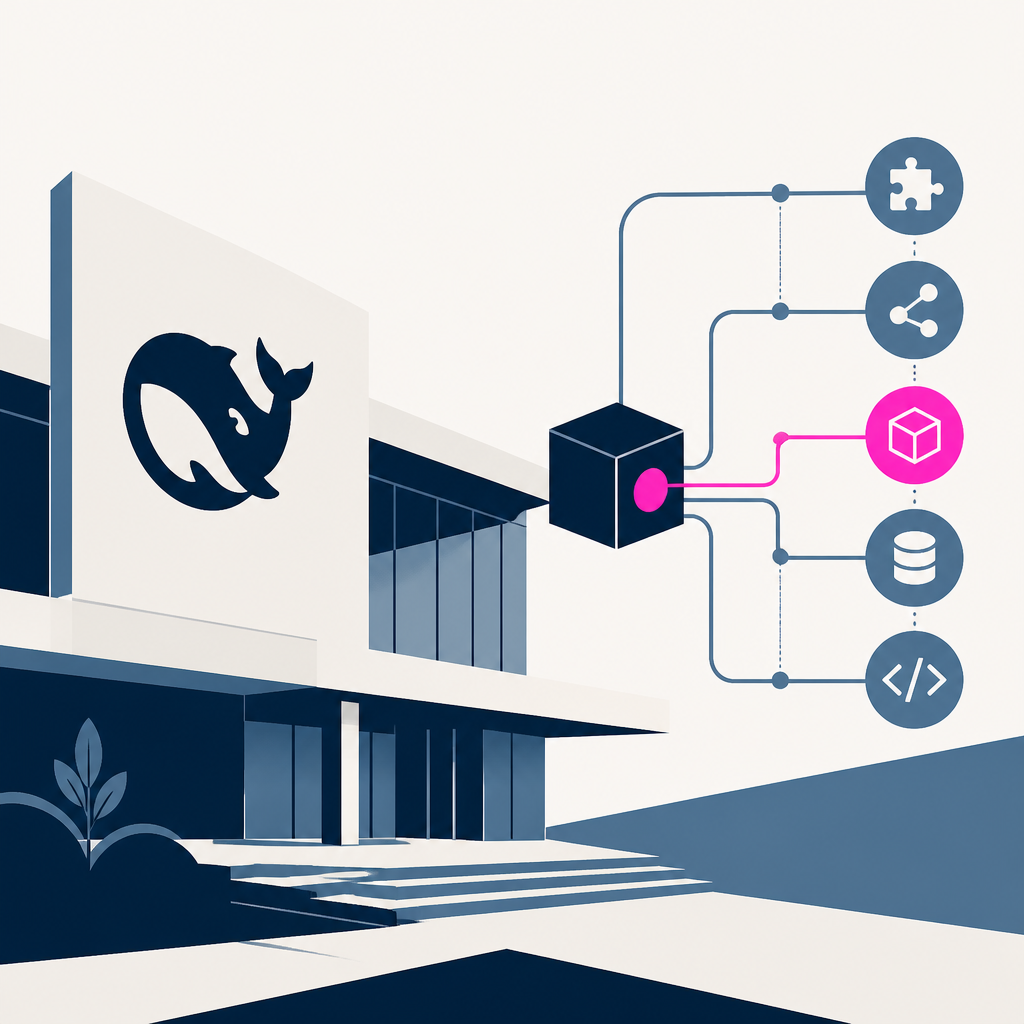
DeepSeek released DeepSeek Harness v0.1 as a developer preview and published its full source code under the MIT license. The release includes an append-only session log that records every context injection. The harness becomes deployable mainly as developer infrastructure, letting teams swap models, tools, sessions, sandboxes, and other agent components as configurable plugins without changing Harness source code.
everywoman in Technology Awards opened 2027 nominations, seeking entries until 26 October for the free-to-enter program spanning women from apprentices to the C-suite. Women have until 26 October to submit their entries. The awards will support women as role models and highlight leadership in the UK tech sector as AI is forecast to affect women’s career prospects and representation in AI roles.
A 10-year-old neurodivergent boy in New York uses an AI-powered social robot, Moxie, as a practice companion, but Moxie’s behavior and planned purpose for therapy fall short before she is due to die. Moxie originally sold for $1,499 plus a $40 monthly subscription before Embodied later lowered the price to $800. The situation underlines both the promise of embodied, robot-assisted interaction for autism skills and the risks when these devices fail to work reliably for vulnerable children.
Birdsview raised €3.7 million led by Sarsia to use sensors and AI to scan concrete and produce 3D models without drilling. The funding round was secured with NOK 40.5 million, and Birdsview’s product signed up customers in nine countries within weeks after launching in March 2026. It will be used to scale commercial, industrial, and international operations, replacing manual concrete inspections with ready-to-use model outputs.
A European tech funding roundup reported more than 35 tech funding deals totaling over €763 million across Europe along with 10+ exits and M&A activity. The total was €763 million. The coverage highlights where the most funding went by industry and country and points readers to the Tech.eu Funding Explorer to explore the data and deal details.
Stripe is set to acquire AI multi-provider OpenRouter for more than $7 billion. OpenRouter’s valuation in its most recent funding round in May was around $1.3 billion. As a result, Stripe is likely to move deeper into AI infrastructure by offering a way to route between models to manage AI costs, latency, and quality without locking into a single provider.
Anthropic described how Claude’s text watermark works and addressed backlash from subscribers after its existence was publicly noted on a support page. The watermark relies on a secret key over word-by-word synonym choices, and Anthropic says it adds no hidden characters or tokens. Rollout continues worldwide under the EU Code of Practice for transparency, with an (as-yet unavailable) detection API and potential use for filtering Anthropic output from future training data.
ElevenLabs released a Model Context Protocol integration that lets Claude users create and manage voice agents directly in chat. The integration works through Claude's desktop app and web interface. Users can now build voice-based AI applications without leaving the Claude interface.
amber, an Aachen-based AI startup for SMEs, closed a €7 million Series A with NRW.Venture as lead investor, expanding on its €2.1 million seed led by Ventech. The funding round totals €7 million. The capital will be used to move from a user-driven assistant toward more autonomous software that identifies pending tasks and executes them across enterprise systems.
Whisker’s Litter-Robot 5 Pro uses AI-based cat identification and sensors to analyze litter-box deposits for individual cats’ usage and potential health flags.
It uses a dual camera system and an array of sensors.
As a result, the robot can differentiate between cats and provide cat-specific litter-box insights rather than treating all deposits as the same.
amber secured €7 million in Series A funding led by Ventech and NRW.Venture to develop autonomous AI agents for enterprise work. The company says its data layer can cut AI token costs by up to 60%. It plans to use the funding to expand into Benelux first, then into the Nordics.
Anthropic clarified that Claude-generated text will include invisible watermarking to meet Europe’s AI transparency rules. It said the watermarking system will use a SynthID-Text approach from Google DeepMind. As a result, Claude will add machine-detectable marks to text and also add C2PA support for images it processes.
X published the code for its “For You” timeline ranking, including the ranking engine and transformer-based feed scoring model, on GitHub under the Apache 2.0 licence. The codebase grew roughly 10 to 15 times larger than the prior release. X’s rankings are now more transparent and externally testable, with a new in-app “Under the Hood” tool that lets some users download label statistics and with parts of the system run outside the company.
AI is being described as reshaping cybersecurity for both attackers and defenders in general. The text provides no numbers or dates. It directs readers toward actions for security teams and claims OpenAI is improving its defenses.
Fotor launched its Video Agent to help users create and edit motion graphics and videos from ideas, scripts, or assets using chat-driven automation. The release is Fotor’s 10th launch, and it positions the product as producing outputs that remain editable on a multi-track timeline. As a result, creators can adjust text, numbers, logos, charts, timing, and stats late in the process without re-rendering the entire video.
OpenAI started emailing users in the EEA and Switzerland that it will add ads to the Free and Go versions of ChatGPT later this month. The Go plan will cost €7.99 per month while still including ads. Ads are still non-personalised at launch, with personalisation requiring an opt-in, and ad data deletion is available via Settings > Ad controls.
Anthropic announced Hosted Agents, a platform where AI agents can autonomously build software, learn from interactions, and publish outputs in a single environment. The service is available now through Anthropic's console with support for Claude models. This enables developers to deploy agents that work continuously without managing separate infrastructure components.
Viso Now launched as a self-building AI vision platform that converts images, video, and camera feeds into computer vision applications. It shows 86 followers on the listing. It removes the need for model training, annotation, or writing code by generating the vision logic and live dashboards automatically.
Imejis.io launched a marketing design studio for AI agents via MCP that automates creating production-ready graphics. It’s available to use starting today and is described as free to start. The setup lets agents generate and render assets like OG images, social cards, charts, certificates, and QR codes with deterministic, repeatable output.
OpenAI funded 14 independent projects exploring new AI policy ideas to expand economic opportunity and strengthen societal resilience. The funding covers 14 projects. This changes the policy debate by adding new, externally developed research contributions to guide work on AI governance and resilience.
Microsoft’s Exchange Server team said Exchange SE Cumulative Update 1 (CU1) was delayed because AI tools used to find bugs created additional validation, fixing, and testing work. The company previously indicated CU1 would arrive by the second half of 2026, but it still has no release date. Microsoft says CU1 will be released after it reaches a stable point and plans to wait for a month without a “pressing security payload,” so the timing remains uncertain.
Dario Amodei said AI is facing a crisis of trust in which people suspect companies and governments will “screw them over,” even as he pushed back on claims that he drives public doom. He cited his earlier 50% white-collar job wipeout prediction as context while saying he now describes AI as a multiplier of output rather than a destroyer of jobs. As a result, Anthropic is expected to focus more on delivering concrete results in biology and medicine while avoiding empty promises and emphasizing honest risk discussion.
Stripe finalized an agreement to acquire OpenRouter, a startup that lets companies switch between AI models. The purchase price is for more than $7 billion. The deal would expand Stripe’s position in AI tooling as OpenRouter’s model-switching access and infrastructure moves into a payments-focused company.
Together AI's platform enables A/B testing of LLM models at the endpoint level, allowing teams to split live traffic between a control and up to 20 variant deployments with configurable percentages. The system uses fixed traffic shares that remain constant during autoscaling, with routing logic handled server-side rather than in application code. Testing can progress from initial 95/5 splits through ramping stages to full 50/50 comparisons, then winners are promoted via blue-green rollout and experiments deleted without residual cleanup.
DeepSeek V4 Pro 0813 and Claude Fable 5 were tested on DeepSWE, a software engineering benchmark, revealing a 90x cost difference ($0.24 vs $21.63 per rollout) with Fable leading 69.7% to 62.8% on first attempt but Pro matching or exceeding Fable at higher retry counts. A cascading strategy—running Pro first and escalating to Fable only on failures—achieves 82.7% accuracy at $8.28 per task, outperforming either model alone by 13 percentage points while costing 62% less than Fable standalone. The models disagree on 0.39 correlation, making them complementary: Fable excels in Rust and data serialization while Pro handles concurrency and stateful reactivity better.
Every AI story that matters,
in your inbox by 8am.
TLDRocket reads all relevant sources, removes duplicate coverage, and summarises the
day in two minutes. Follow companies and topics for alerts, or get the
briefing in Slack. Free, no spam, unsubscribe anytime.
Reading TLDRocket needs no cookies, and the readership counts we rely on come from
our own cookieless analytics. Google Analytics is the exception: it sets cookies and
reports to Google, so it stays switched off until you allow it. You can change your
mind any time from “Cookie settings” in the footer.
Strictly necessary
Session security and form protection (tldrocket-session,
XSRF-TOKEN, 2 hours). The site cannot work without them,
so they need no consent.
Always on
Google Analytics 4 (_ga,
_ga_<id>, up to 2 years). Measures which
stories and sections readers use. Google acts as a third-party processor and may
store the data outside the EU. No advertising, no profiling, no data sold.