DeepSeek AI Releases DeepSeek Harness in Developer Preview: An MIT-Licensed Agent Harness Where Everything is a Plugin
MarkTechPost Asif Razzaq
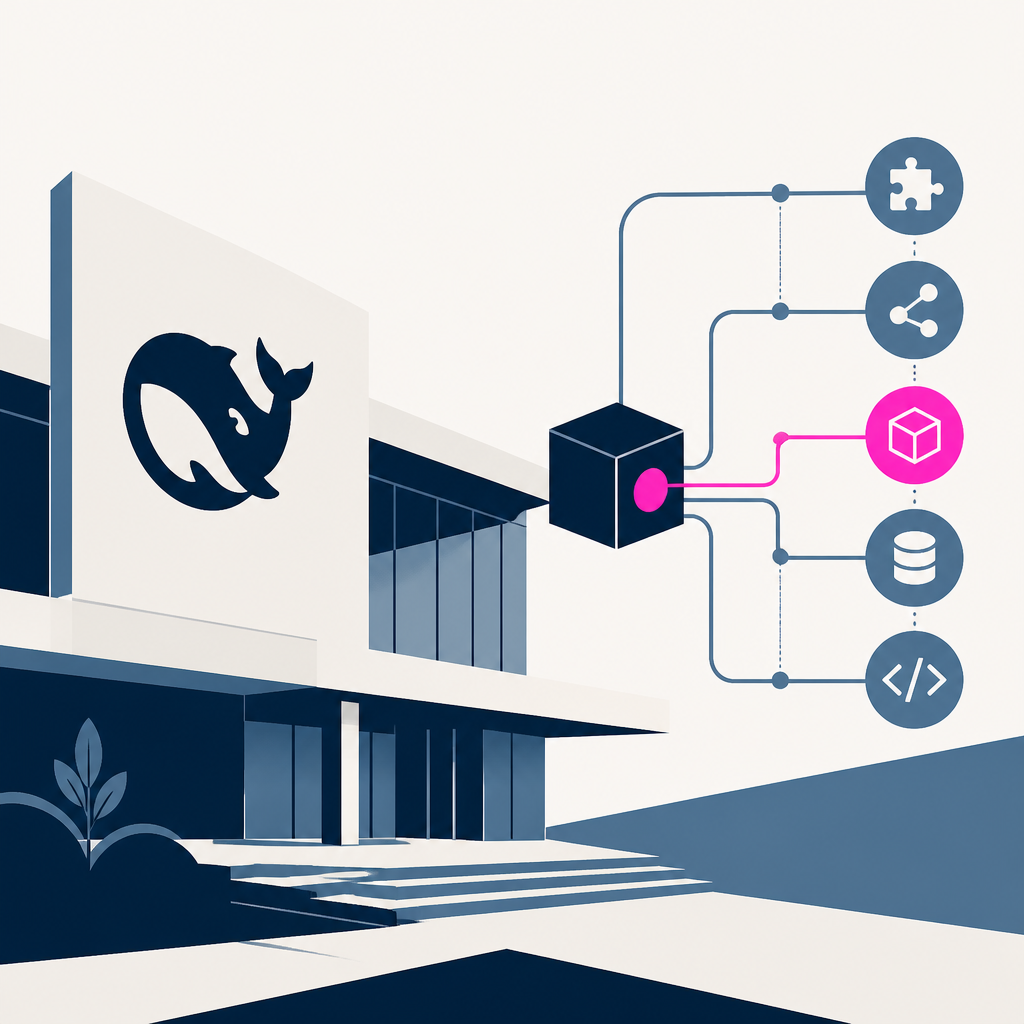
DeepSeek put out Harness v0.1 as open source, and it treats almost every part of an agent like a plugin. That makes it more like runtime infrastructure than a finished AI product.
Based on reporting by MarkTechPost, Asif Razzaq — read the original for the full story.
Summary, retelling and take written by AI under human oversight; images are AI-generated illustrations. How we work · Report an error
DeepSeek has released DeepSeek Harness v0.1 in developer preview and put the whole project on GitHub under the MIT license. The package ships as dsh, and DeepSeek’s own framing is blunt: an agent is the model plus the harness around it.
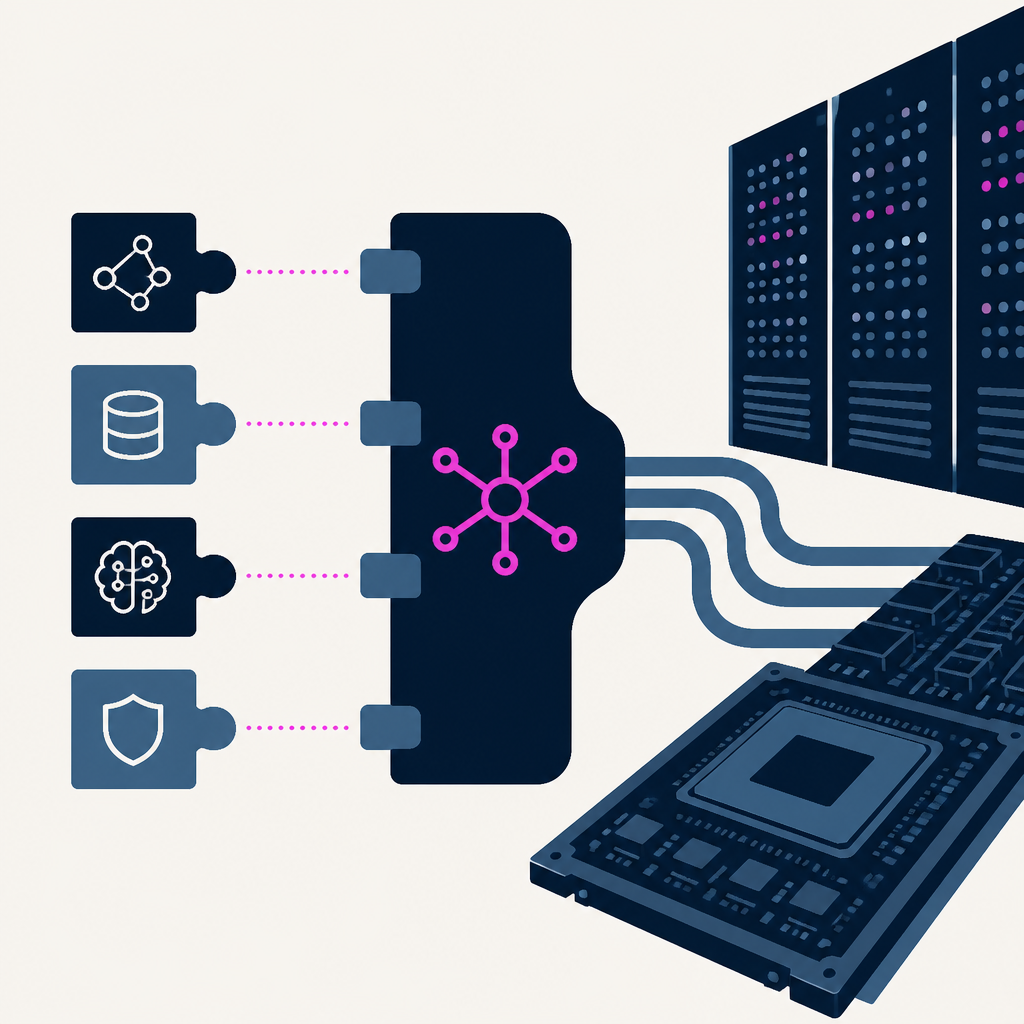
That harness is where the interesting part lives. Instead of baking in the agent loop, tool registry, session store, and other plumbing, Harness pushes models, tools, skills, sessions, sandboxes, storage, loops, scheduling, and even the UI behind Cordis plugin boundaries. In practice, that means the runtime is built to be swapped and extended from configuration, not rewritten in source.
DeepSeek is also making the case for traceability. Every run is written to an append-only session log, including system prompts, reasoning, tool calls and results, subagent scheduling, and each context injection. Resume, fork, search, and replay all pull from that same event stream. That is a cleaner promise than the usual “we log tool calls” pitch, because the context layer is part of the record too.
The project ships with four runtime modes. Standard is the full coding agent setup, with file editing, shell access, file and web search, skills, planning, goals, subagents, and workflows. Code mode exposes those tools through a Code Mode SDK so the model can stitch multi-step work into one TypeScript program. Minimal pares things down to a persistent bash and str_replace_editor for benchmarking. Creator mode adds runtime inspection, in-memory plugin experiments, and guidance for authoring presets.
Provider support is also meant to be flexible. A DeepSeek API key takes effect on the next request without restarting the server, and the installed catalog includes Anthropic and OpenAI by API key. Bedrock, Vertex, Azure, and Codex use native credentials, while custom providers can point at any OpenAI-compatible base URL and protocol. The local setup is straightforward enough for teams that want to try this as infrastructure: there’s a web UI, a Python SDK, and a self-hosted path for regulated environments that need to keep the whole thing in house.
My take — AI-written commentary, not fact-checked reporting
This is the right way to think about agent software: less magic, more plumbing, and a lot more control. The industry keeps shipping glossy assistants while the real bottleneck is the messy middle where tools, sessions, and audits live. DeepSeek is betting that serious teams would rather swap parts than worship a monolith, which is refreshingly unromantic.
Read more about this at: MarkTechPost