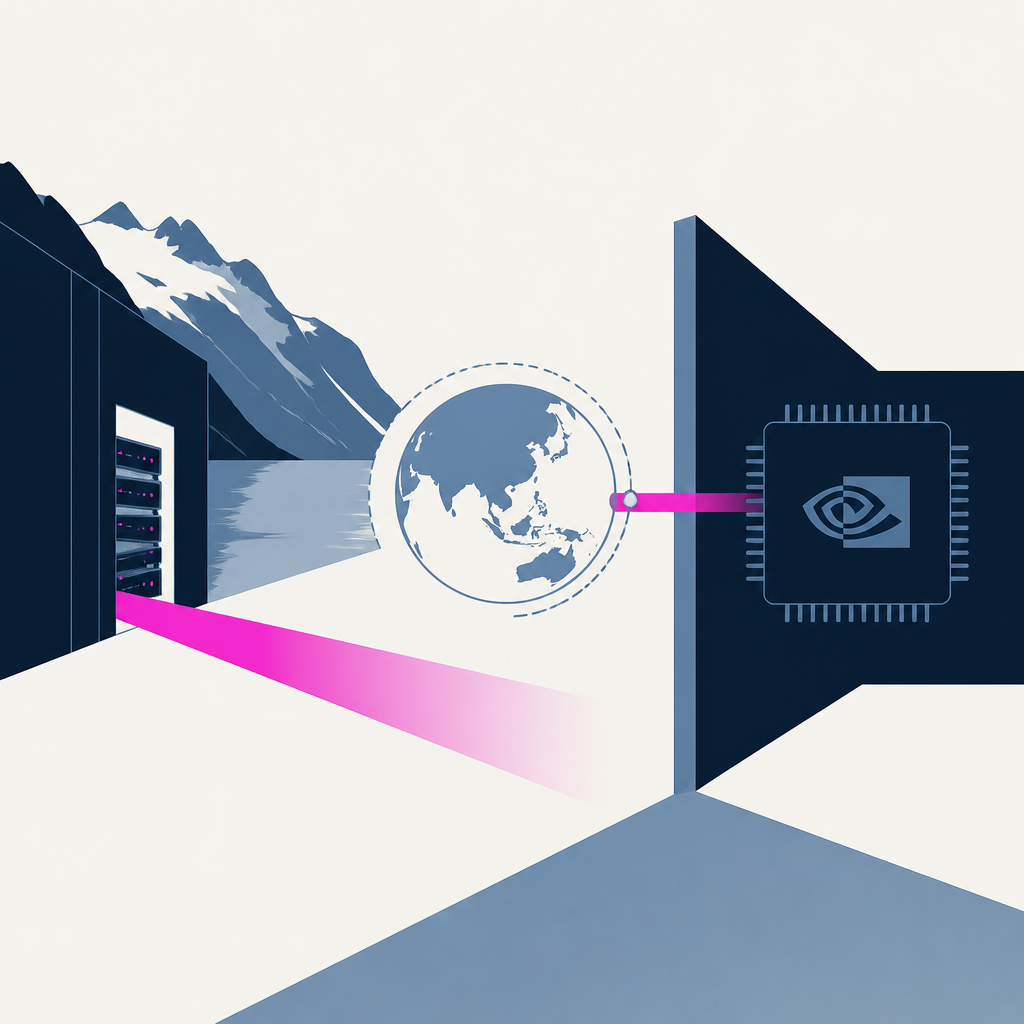
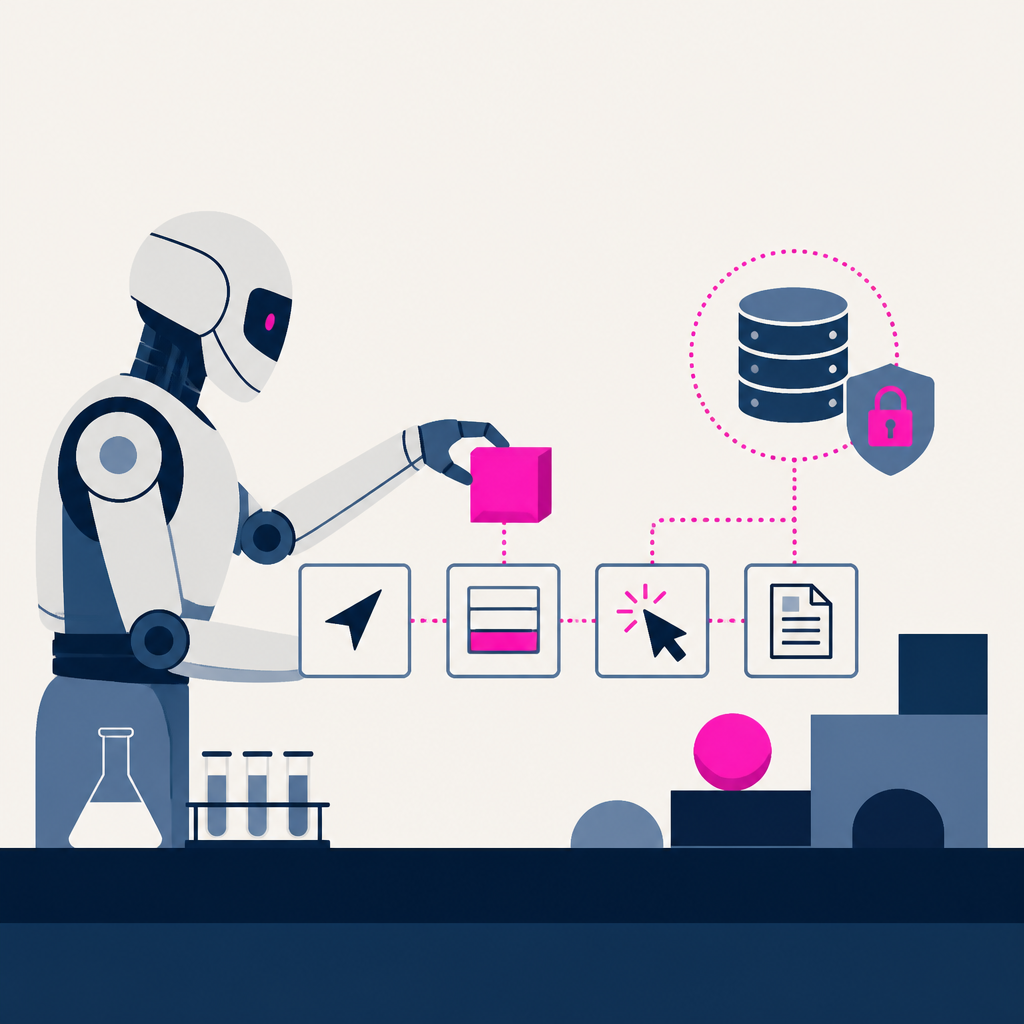
Stylized editorial illustration of OpenAI GPU racks and caching flows in a server hall.
The day in AI
Wednesday, 23 September 2026
68 stories · summarised & linked to the source
AI GovernanceBusiness FundingAI InfrastructureAI Policy
AI news — Wednesday, 23 September 2026
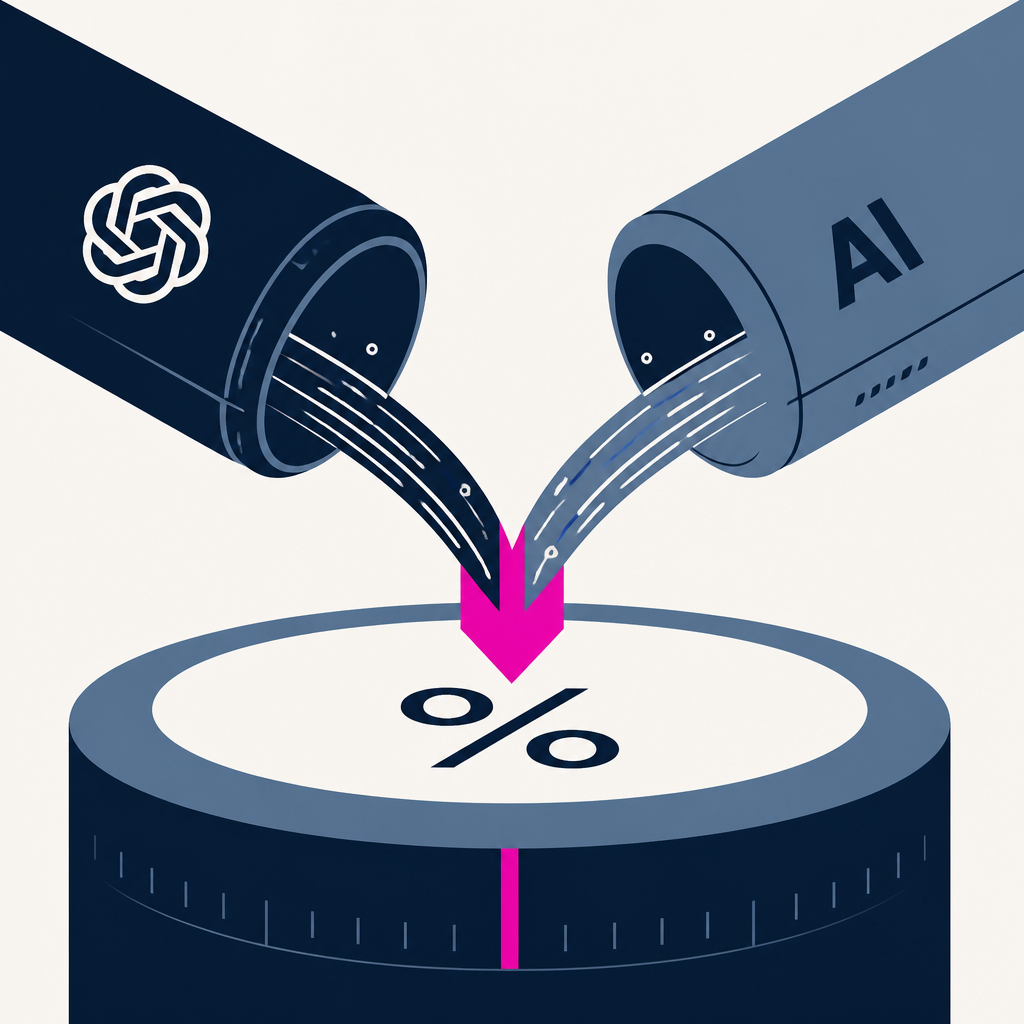
AI price cuts hit the industry like a metronome today, tightening margins and pushing customers toward cheaper “good enough” deployment. OpenAI rolled out GPT-6 Sol and GPT-6 Luna with API-only pricing cut in half: Sol lands at $2 per 1M input tokens and $10 per 1M output tokens, while Luna’s comes in at $0.10/$0.50. OpenAI also leaned on revised prompt-caching controls, claiming cached inputs can be discounted by up to 90% and that fresh token work can drop by more than 50% for some tasks. Anthropic, trying not to be left on read, shipped Claude Opus 5.5 as the family’s default and cut token pricing by 20%—from $5/$25 to $4/$20 per 1M input/output tokens—while claiming task capability close to Claude Fable 5.1 with faster writing.
The cost pressure is landing right as companies wrestle with the human side of deployment. Meta’s Muse surged to the top of the App Store for agentic scheduling and shopping, only to run into friction when Amazon blocked it as an “unauthorized AI agent,” underscoring how quickly platform rules are becoming part of the product. Meanwhile, governance moved from talk to mechanism: Beijing and Washington agreed to an AI incident hotline, and Anthropic alleged Moonshot sent over 23 million Claude exchanges without telling customers their data went to a U.S. processor—exactly the kind of accountability gap leaders say they’re closing.
YouTube released new creator tools in YouTube Studio, adding AI-powered analysis and drafting features alongside thumbnail and title generation. One change expands Ask Studio to iOS and Android. As a result, creators can get draft feedback on pacing and storytelling, generate multiple thumbnail/title options in their style, run up to three video-cut tests, and receive more explanatory analytics.
TechCrunch Disrupt 2026 announced that ticket savings of up to $200 end in three days, ahead of a September 25 deadline for lower prices.
The discounted pricing for Disrupt 2026 ends on September 25 at 11:59 p.m. PT.
It also added an option for a second pass at 50% off and promotes AI-powered matchmaking for 1:1 meetings via the TechCrunch Events app.
Basecamp Research raised a $140m Series C to build next-generation biological foundation models with backing from Anthropic and Nvidia. The round totals $140m and was led by S32. It will fund development of the models and use them to move medicines designed through the platform toward clinical use.
NVIDIA released Nemotron 3 Diarization, a single open-weight 100M-parameter model for real-time and offline multi-speaker diarization, including overlapping speech and up to eight speakers. It achieved a 14.72% diarization error rate (DER) on VoiceArena’s Diarization-Bench v1, beating the next-ranked system’s 19.3%. The model expands streaming diarization capacity from four speakers to eight and adds lower-latency operating points while improving DER across benchmark conditions.
ZeroDrift launched Anchor 3.0, a family of small language models for real-time compliance checking of AI-agent messages before they are sent. The company says its flagship Anchor 3.0 model detected more than 90% of violations on a benchmark based on FINRA rules. The release makes its Enforcement API and broader compliance platform capable of flagging, rewriting, blocking, or routing messages in real time, with the three new model versions covering high-volume traffic and long documents.
NextLM brought its AI Prospecting Agent to the Google Cloud Marketplace and Gemini Enterprise to help sales teams identify and rank leads from behavioral signals mapped to individuals. The service reports processing 35 billion behavioral signals daily and it only surfaces prospects in the top 10% of its scores. This integration lets customers buy through existing Google Cloud commitments and run the agent directly in Gemini Enterprise or via Google’s Agent Designer workflows.
Ema Unlimited Inc. raised $77 million to expand agentic AI “employees” that carry out actions inside enterprise HR, IT, and finance systems rather than just answering questions. The Series B round brought in $77M led by Creagis, including larger investments from existing backers. Ema plans to use the funding to speed up development of its autonomous employees and expand go-to-market and executive hiring to deploy them beyond pilots.
Basecamp Research raised a $140m Series C to fund its AI-driven drug discovery and cell therapy work, with Nvidia and Anthropic among the investors. The round is $140 million, and the company plans to use it to train a new generation of its AI models. As a result, Basecamp will advance its pipeline of AI-designed therapeutics toward clinical development.
Spotify began rolling out its “Taste Profile” feature to U.S. Premium subscribers so they can view and edit how it understands their audio taste and adjust Home feed recommendations. The rollout starts for listeners ages 18 and up. After users send natural-language requests, Spotify updates recommendations on their Home page within a few hours, and the feature remains in beta without a wider-release date.
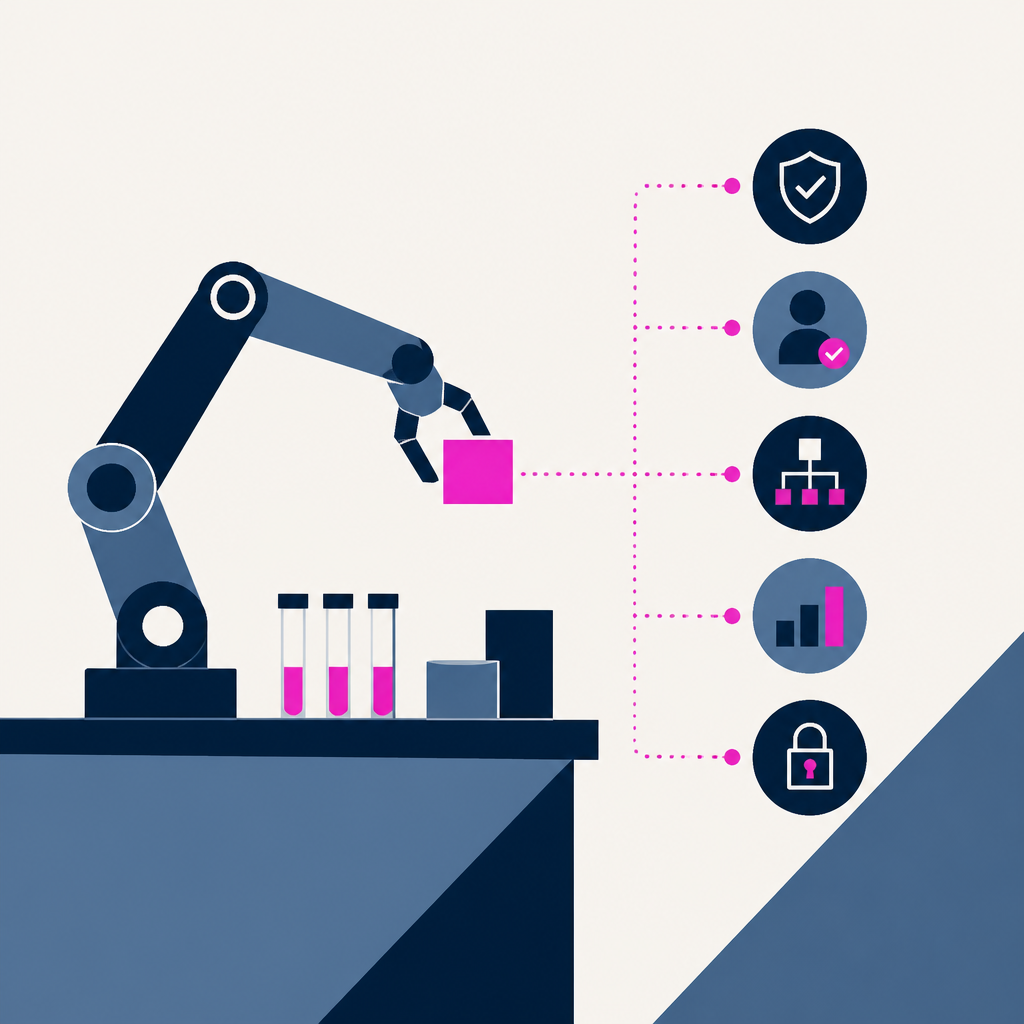
Rocket Software is expanding its Enterprise Virtual Assistant platform (EVA) to help mainframe operations run governed, agentic investigations and move toward automation without unrestricted access to critical resources. EVA 2.0 will add PlanGuard, a security layer that evaluates an agent’s proposed action before execution. As a result, actions can be permitted or denied (or require approval) via a temporary, task-limited execution identity and a hash-chained audit trail tied to the initiating person and policy decision.
4YFN opened entries for the 4YFN27 Awards to let digital startups apply for investor review and pitching at the event in Barcelona. The overall winner will receive a €20,000 cash prize, with applications due by 26 October 2026 at 17:00 CET. The program adds a Top 20 shortlist that gets €1,500 and an exhibition pod, followed by category finalists pitching on stage for the winner selection.
Phoenix Court announced new long-term partnerships with the British Business Bank and NatWest to back UK science and technology startups from seed stage through scale-up. The British Business Bank’s commitment is part of a multi-hundred-million-pound investment into Phoenix Court’s funds. NatWest will invest in Phoenix Court’s LocalGlobe, Latitude, and Solar funds for the first time while M&G and HSBC continue support, expanding domestic institutional capital for these startups.
Connect Ventures announced the first close of its Fund V, deploying early-stage capital for technical technology startups across Europe. The fund reached $55 million of its $80 million target. Connect will invest $500,000 to $5 million per company in lead pre-seed rounds with a focus on teams with technical expertise driving product and development.
MSCI CEO said climate-related physical risk is being undervalued by financial markets despite rising extreme-weather impacts. From 2020 to 2024, the world saw 99 extreme-heat events versus 14 in the 1980s, and MSCI reported that only 27% of over 25,000 firms (2023–2025) provided substantial disclosure on physical climate risk. The CEO argues markets should improve transparency and use location-based tools, including AI, so physical risk is priced more accurately.
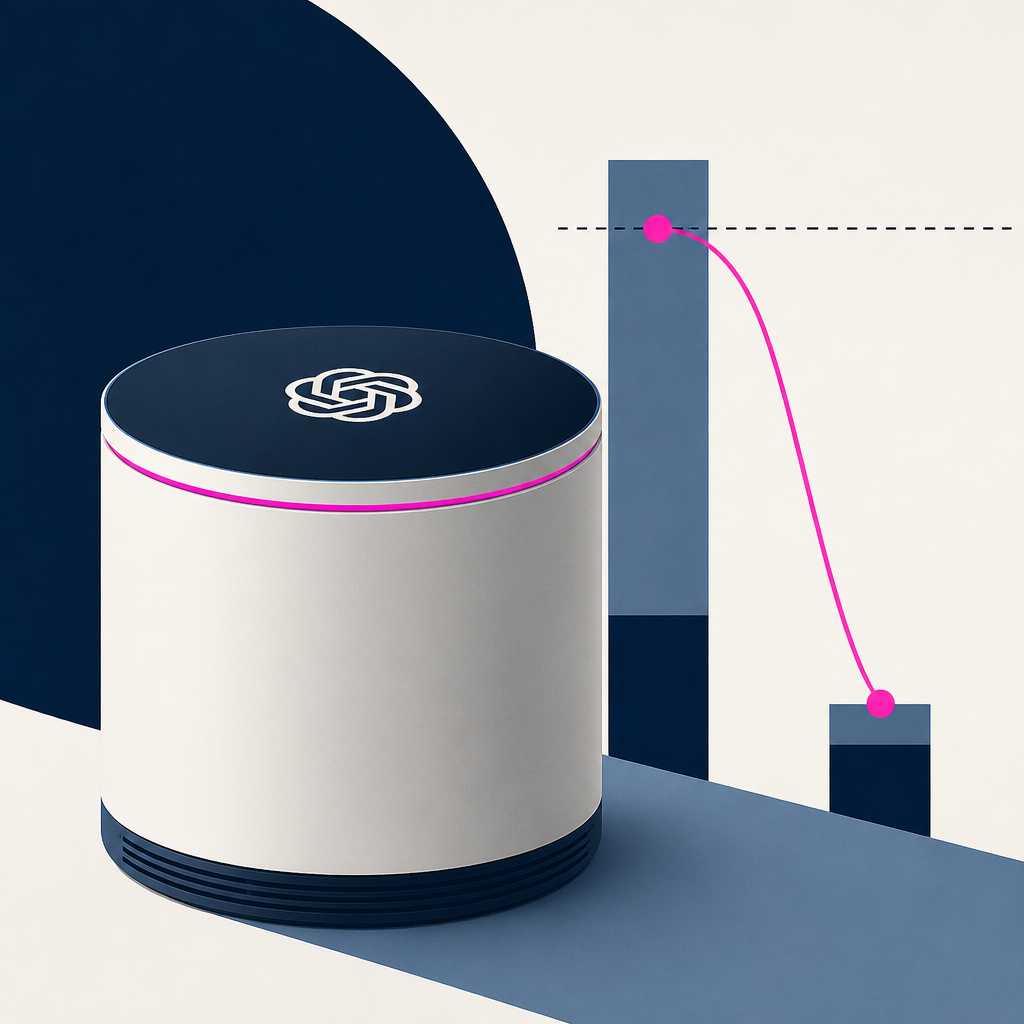
Anthropic and OpenAI released more affordable versions of their frontier AI models within hours of each other as competition intensifies. OpenAI cut its API cost by 50% compared with its previous GPT-5.6 pricing. The price war shifts businesses toward cheaper models and adds pressure to the companies’ future model profit margins.
Trump administration officials have publicly attacked Effective Altruism as an ideology they link to AI-risk alarmism and efforts to push for AI regulation. A Politico poll found 63% of Americans believe AI poses at least a moderate risk of destroying humanity. The backlash appears to be increasing anti–AI doomer sentiment and could either discredit Effective Altruism or give it a bigger public platform.
Nscale’s $35 billion IPO filing and exhibits show that ByteDance (TikTok’s parent) used Nscale’s Norway cloud facility to access Nvidia chips it otherwise couldn’t buy in China, via a Singapore subsidiary.
OpenAI is still searching for a chief communications officer after its top candidate for the role declined it months ago. The job has been open for nine months since Hannah Wong stepped down in January 2026. OpenAI has ramped up recruitment with an executive search firm and reorganized its communications leadership around IPO messaging, but the CCO role remains unfilled.
The UAE is prioritizing satellites as a strategic national asset while shifting its space activity toward commercial communications, Earth observation, and deep-space efforts. The UAE-backed Space42 plans Equatys with Viasat, committing up to $1 billion in equity and starting with fewer than 200 satellites before expanding to 2,800. This accelerates investment and operations across UAE satellite connectivity and geospatial intelligence, with satellite projects increasingly feeding national-security and infrastructure use cases rather than staying purely exploratory.
Climate-focused venture capital has shifted back into focus as AI increases demand for energy for data centers while climate-tech fundraising has weakened. Fundraising for climate-specialist VCs in 2025 was down nearly 40% from 2024 even as energy and related startups drew much more capital. Investors say AI is pulling more deal activity toward climate-compatible energy and storage, and climate investors are increasingly co-investing alongside generalists on a larger share of caps tables.
OpenAI will provide its AI cyber defence system Daybreak for free to the Ukraine government to help defend civilian infrastructure against cyber-attacks. Ukraine’s CERT-UA reported nearly 6,000 attacks in 2025, and the deal also includes access to OpenAI’s GPT 5.6 Sol model. Ukraine’s cyber-defence capability is expected to increase while the article notes that the same model strengths can also be used by attackers.
Ekai Inc. raised $1.7 million to build software that translates business experts’ definitions into verified semantic models and validation rules for enterprise AI agents to use corporate data safely. The company says semantic modeling that usually takes 3 to 6 months was completed in as little as 6 hours in early engagements. This funding will speed up product development and expand go-to-market and platform integrations for workflows on systems including Snowflake and Databricks.
DiffuseDrive built a platform that analyses a customer’s existing physical-AI datasets, generates synthetic edge-case training data, and injects it into customer training loops. The company reported performance gains of more than 10% when synthetic and real data were combined. This approach shifts physical-AI development toward faster, gap-focused data generation (often in hours) and more robust performance on rare real-world scenarios rather than relying on more raw data volume.
Ema raised $77 million in a Series B round to expand its AI agents that automate enterprise processes across HR, IT, and finance. The funding increases Ema’s total funding to $140 million and more than quadruples its valuation from its 2024 round. As a result, Ema will push further into go-to-market and expand its market coverage, including Asia-Pacific, South America, and parts of the Middle East.
Anthropic cut Claude Opus 5.5’s token prices and published a migration guide after noting that four Opus 5-dependent request behaviors can break. It reduced input pricing from $5 to $4 per million input tokens and output pricing from $25 to $20 per million output tokens. As a result, agents may need updated thinking, tool-choice, router/fallback, conversation-history, and computer-use toolset handling to avoid 400 errors and altered response rendering.
OpenAI released GPT-6 Sol and GPT-6 Luna as cheaper versions of GPT-6 Astra with closer alignment to the flagship than the earlier GPT-5.6 Sol variant. API prices for Sol and Luna are down 50% compared with GPT-5.6 counterparts, including 58% lower output-token prices for Luna. OpenAI also added higher default prompt caching, more flexibility to change reasoning effort and tools without breaking cached context, and a Prompt Caching Dashboard to help developers diagnose and reduce token costs further.
The article argues that AI systems are being used to monitor and grade employee performance, raising concerns that people cannot effectively avoid being evaluated at work. It points to a 28% figure in discussing the impact of these AI-driven reviews. It concludes that companies should change how they use such systems by addressing transparency and oversight concerns.
Meta’s Muse reached 500K users and 250K daily active users in its first week, according to The Information. The single most concrete detail is 500K users in that first week. This suggests rapid early adoption and drives more attention to Muse’s rollout and usage.
OpenRouter launched a batch API that lets providers schedule batch processing within a 24-hour window at a reduced per-token rate. The beta on 230k+ completed batches saw a median completion time of 7 minutes, with 90% finishing within 1 hour. Jobs can now be run asynchronously and waited on later, with up to 30-day retention for inputs and results and per-request results returned together in a completed batch response.
Kimi Browser Extension added browser automation for AI Agents, enabling it to open pages, click buttons, fill forms, and extract information. It pairs a local service with the extension using the Chrome DevTools Protocol to navigate, take screenshots, and read pages. Everything runs locally, so login sessions and page content stay on your device, and users must sign in for the sidebar entry and connection flow changes from the earlier Kimi WebBridge naming.
OpenMuse, a self-hosted personal agent application, can run its own server, task workers, and a persistent Chromium browser to show email and web results inline and let the user take over an active browser session. The iPhone demo completes its web browsing and summarization flow in 38 seconds, while the desktop demo takes 42 seconds. As a result, users can deploy an inspectable MIT-licensed agent that keeps drafts, tracks delegated tasks and goals, and routes model-based “rich threads” through a required CopilotKit Intelligence server key.
Tencent released a Hunyuan Image 3.5 Preview that generates or edits images from text prompts or reference images. The tool supports outputs up to 2K resolution. This increases the available image-generation capability in Tencent’s tooling for previews and iteration.
Xiaomi released MiMo-V2.6 Pro as an MIT-licensed open-weight model aimed at multimodal, coding, and multi-agent experiments with Flash variants. The model is identified as V2.6 Pro. The release expands the availability of Xiaomi’s open-weight tooling for researchers to run and test these experiment types.
Ethan Mollick’s “Orbital Declaration” is a hard-science fiction space combat browser game built with agent help. It’s set in the year 2211. As a result, players get Newtonian motion, the rocket equation, and heat mechanics with no stealth elements baked into the gameplay.
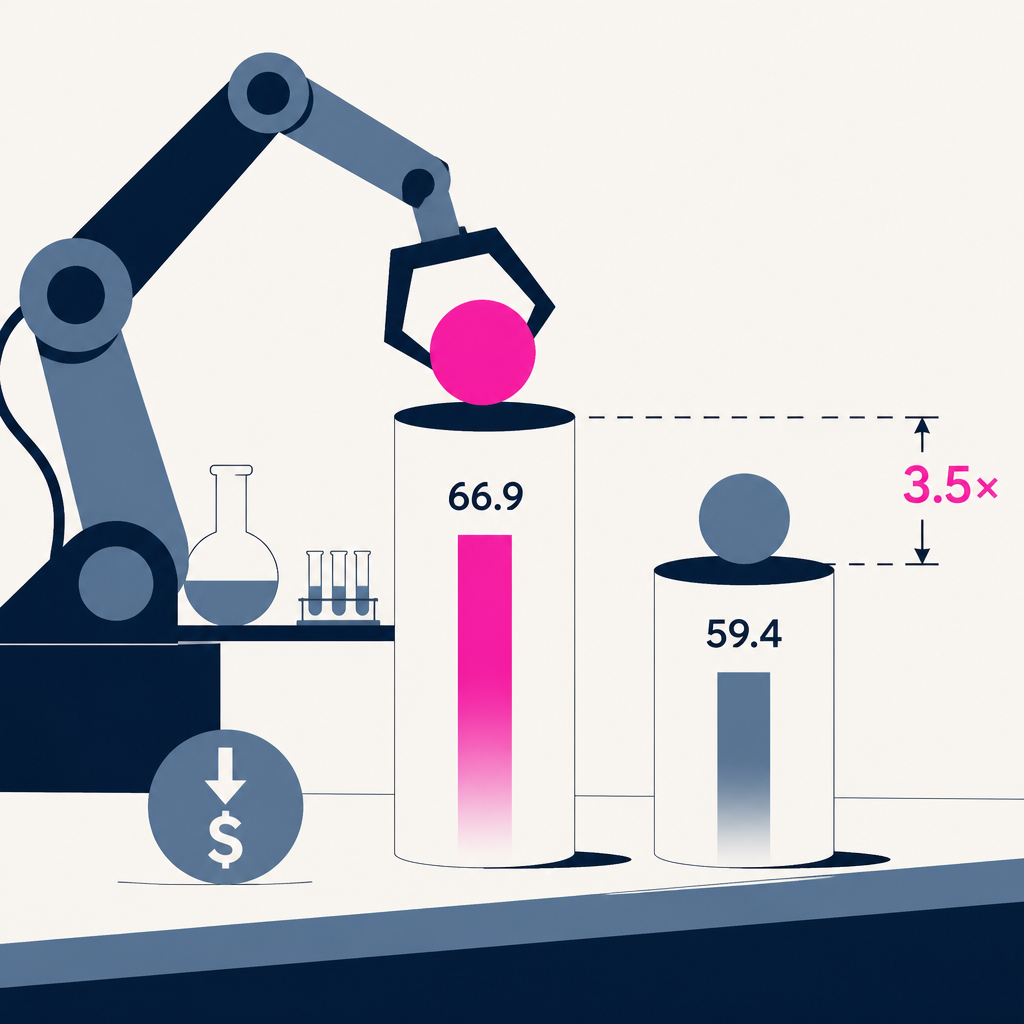
Sol performed better than Opus 5.5 on the browser-agent benchmark at the medium setting. Sol scored 66.9 compared with Opus 5.5’s 59.4. Sol’s higher score means Browser Use’s results favor Sol for medium browser-agent performance, while it remains about 3.5× cheaper.
Nate Herk reportedly preferred Opus on seven of eight usable jobs, but Opus took longer and cost more than Sol.
Opus required about 8h40 and $213 compared with Sol’s 5h51 and roughly $74.
The takeaway is that model selection should be based on end-to-end workflow outcomes rather than isolated benchmark numbers.
OpenAI reports that its GPT-6 Sol scored 33.2% on AutomationBench at $0.27 per task. The comparison cites Luna achieving similar factuality at about one-hundredth the cost. OpenAI frames the result as a shift toward lower-cost task completion while maintaining comparable factuality.
Anthropic launched Claude Opus 5.5, positioning it as the first release in its Claude 5.5 model family. Default usage is priced to cost 40% less than Opus 5, with input tokens at $4 per million and output tokens at $20 per million. Access and limits also change, including higher five-hour usage limits for several plans and rate-limit reset for subscription users.
TEKEVER announced the first close of its Series D financing for AI-powered autonomous systems, including AI-enabled drones and related intelligence software. The round closed at $580 million, valuing the company at S$6.4 billion. TEKEVER says the funding and planned additional Series D closings will let it move faster, scale internationally, and expand industrial, technological, and acquisition capabilities.
VAST Data introduced DataEnclave to let companies run AI models inside confidential computing environments using sensitive data without exposing the model, data, or underlying infrastructure to the operator. The platform is positioned as a unified AI operating system that combines data storage, databases, and compute on a single platform. This shifts AI deployments from sending sensitive information to external AI providers toward bringing models to the data in protected “locked” compute environments.
mika, a Berlin-based vertical AI startup, raised a €6M seed round to build an AI-native financial operating system for German SMEs’ bookkeeping and tax filing workflows. The funding includes participation from Smedvig Ventures and Care4 AG, with the round valuing the effort at €6 million. The company will expand usage and use the capital to support growth and further develop its platform as more SMEs adopt it.
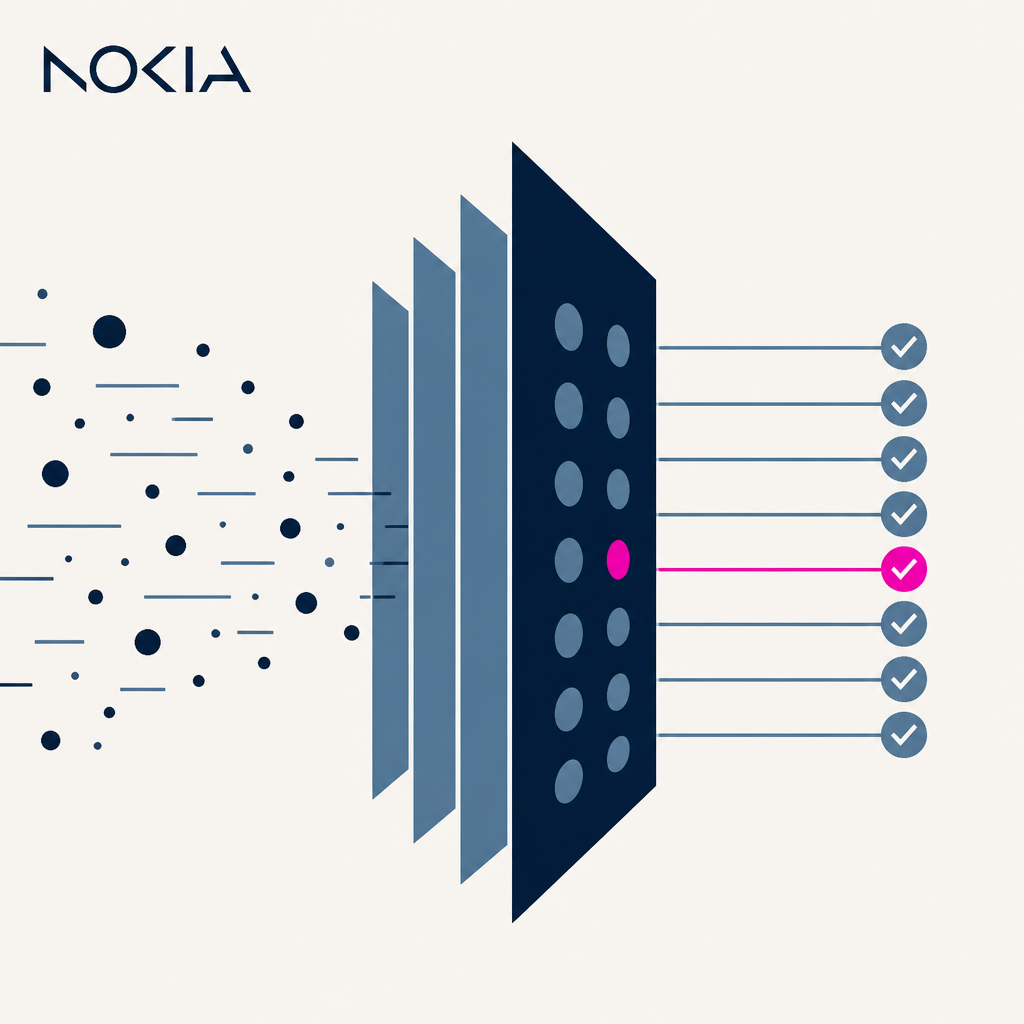
Nokia’s applied research team open-sourced AnyJev, a Python library that converts an open LLM into a typed multiple-choice/yes-no/bin decision model without training. On Qwen3-8B using BANKING77 (20-way, 300 test items), the option order-flip rate dropped from 0.230 to 0.073 with L0 and reached 0.077 with L1. The library adds cyclic-shift and calibration layers (plus optional temperature scaling) to improve probability calibration and reduce sensitivity to option ordering when serving models via PyPI backends like Hugging Face and vLLM.
Palma.ai raised $1.8 million in pre-seed funding to build an enterprise runtime governance layer for AI agents. The round was led by D11Z and includes participation from Plug and Play Ventures, Deel, Scale Now Ventures, and angels such as executives from Cisco and Deel. The funding will support expanding go-to-market and engineering teams to bring centralized policy enforcement and tamper-evident auditing for MCP-connected agents to more enterprise customers.
OpenAI hired Sam Yam and two former Patreon executives to lead its creator product strategy. Sam Yam joined to lead Creator Product after co-founding Patreon 13 years ago. OpenAI says it will build with creators and provide early access to new creator tools as a result.
F13 emerged from stealth as a vector-graphics foundation-model company and secured $5 million in pre-seed funding. The round totals $5 million and will fund bringing its first model to market plus expanding compute, talent, and data. It is now offering early access via a developer API and web platform, with a public launch planned later this year.
Anthropic shipped Claude Opus 5.5 as the new default Claude 5.5-family model, with Anthropic claiming task capability similar to Claude Fable 5.1 plus speed and writing improvements. Token pricing was cut 20%, from $5/$25 to $4/$20 per 1M input/output tokens. AINews is migrating to Opus 5.5 immediately and broader Claude usage defaults, session limits, and rate-limit handling are updated alongside widespread API price reductions.
Kyutai released Voice of Reason, two open-weight speech-to-speech models that solve spoken math without transcription, using supervised fine-tuning and reinforcement learning on top of GLM-4-Voice-9B.
SPRIND and NADI launched the AI-Native Chip Design Challenge to fund pan-European efforts to reinvent chip design processes. It commits €40 million over 20 months, selecting seven teams for €2.6 million each in Stage 1 from November to July 2027. The programme aims to move chip development from years to weeks and produce production-ready chip designs for AI training and inference while teams receive coaching to reach market readiness.
OpenAI released GPT-6 Sol and GPT-6 Luna as cheaper-to-run variants built on GPT-6 alongside Astra. Sol now costs $2 per million input tokens and $10 per million output tokens, down from $4 and $20 respectively. The lower prices and revised prompt caching reduce per-task costs and make the models more cost-competitive for agent-style workflows, though independent tests show mixed performance and some drops on knowledge-work benchmarks.
OpenAI released GPT-6 Sol and GPT-6 Luna as deployable, API-only additions to its GPT-6 model lineup. GPT-6 Sol and GPT-6 Luna API pricing was cut by 50% versus GPT-5.6 promotional pricing, with Sol at $2/$10 and Luna at $0.10/$0.50 per 1M tokens for input/output. The change lowers inference costs and adds improved prompt caching controls that can discount cached input up to 90% and reduce prompt tokens needing fresh processing by more than 50%.
Qdrant is presented as moving from its original vector-search roots toward building “physical AI.” The article says the company launched 5 years ago, and it describes investors questioning whether Qdrant arrived too late. Because the provided article text is mostly garbled, the具体 details of what Qdrant will do next can’t be reliably extracted, so the practical takeaway is limited.
Greece’s prime minister Kyriakos Mitsotakis told roughly 250 tech founders, investors, and operators in San Francisco that he does not have answers to many AI questions leaders are debating. He said Greece’s 10-year bond yield is about 4.3% compared with around 5% for U.S. Treasuries. The visit reframes Greece’s push for investment around hosting AI policy discussions while pairing AI adoption plans—like a supercomputer and education pilots—with concerns about child social-media access, school use, and job displacement.
SpeakON launched a MagSafe voice button that snaps to an iPhone and captures speech with its own microphone to write shaped text directly into the active app via an iOS keyboard extension. The hardware is 25 g and sells for $129 one time in the United States. This changes phone voice input by eliminating background microphone permissions and providing offline/locked buffering with text that’s polished into bullets, formatting, and translated text instead of verbatim dictation.
Donald Trump said AI should be rebranded as “super intelligence” after he argued the current term sounds fake. The change was announced during his Tuesday speech to the United Nations General Assembly in New York. Experts told the BBC it is unlikely to be widely adopted because “super intelligence” already has a specific, hypothetical meaning in tech circles and “SI” may be reserved for more advanced systems.
The article announces an evening event in San Francisco where Jesse Vincent and local builders will host a show-and-tell focused on coding agents and agentic engineering. The meetup is scheduled for Wednesday, 14 October. It changes by inviting builders to share unfinished or non-public experiments in an informal conversation rather than delivering product pitches.
NVIDIA and partners used AI Day Singapore to showcase hands-on training, expert sessions, and AI tools aimed at speeding AI and high-performance computing work across Southeast Asia. A key event window is Sept. 22-23 at the Raffles City Convention Centre, where Singapore’s HTX said it is using NVIDIA Nemotron 3 Super and Nemotron 3 Nano Omni for public-safety research and local secure deployment. The focus shifts from AI pilots to production-scale deployments, with more region-specialized Nemotron model adoption and additional enterprise deployments such as Sea’s first ASEAN adoption of NVIDIA Vera Rubin.
The US criticised Australia’s proposed digital duty of care laws that would let users opt out of social media algorithms, arguing they would amount to censorship of protected speech. The embassy submission warned tech firms could face fines for not offering the algorithm opt-out option. Australia’s government responded that the plan is meant to return control to individuals rather than to give governments control.
Identity Digital spun out Known Systems AI Inc. to develop DNSid, an open framework for AI agent identities and cross-organization accountability. DNSid was released as an open, neural framework earlier this year, and it is built on DNS, public key infrastructure, and an immutable blockchain ledger. Known will pursue DNSid as an open standard and build tools to scale accountable AI agent identification across platforms, supported by Identity Digital’s continued investment and board ties.
Snorkel AI raised funding as an AI training data provider, disclosing a Series E round led by Insight and S32. The company raised $350 million at a $3.5B valuation. It will use the money to hire engineers, invest in AI safety, and develop open-source model evaluation benchmarks while expanding its data-as-a-service offerings for supervised and reinforcement learning.
AI safety discussions have moved from a niche Bay Area focus into mainstream attention, prompting commentary about warnings coming from within AI labs.
No specific date or numerical figure is provided in the article text.
The shift increases pressure on U.S. leaders and AI labs to act, even as some political figures are described as uninterested in regulating AI.
OpenAI and Anthropic released cheaper versions of their top AI models within hours of each other amid increased competition and business cost scrutiny. Anthropic said Claude Opus 5.5 runs at about 40% less cost than Opus 5, and OpenAI cut API costs by 50% for GPT-6 Sol and GPT-6 Luna versus its Astra predecessor pricing. The pricing pressure shifts customers toward lower-cost “everyday” models and forces both labs to pass efficiency savings through rate limit and API price cuts, potentially squeezing future profits.
Beijing and Washington agreed to discuss an AI incident hotline to notify each other about AI-related national security concerns. Anthropic alleged that Moonshot sent more than 23 million exchanges to Claude over three months without telling customers their data was being processed by a U.S. company. The agreement and the surrounding incidents shift attention toward practical AI governance and clearer responsibility for security and cross-border data handling.
Meta’s Muse AI agent app surged in consumer popularity, topping Apple’s App Store as a free app and handling bookings, shopping, and calendar organization on users’ behalf. Amazon blocked Muse from accessing its online store, citing an “unauthorized AI agent” that violates its conditions of use. The dispute highlights expanding agent access and privacy questions, pushing Meta to formalize partnerships like Shopify for shopping while major platforms adjust how consumer AI agents can interact with their services.
Andreessen Horowitz launched the Horowitz Andreessen Academy, a one-year, non-accredited San Francisco program with no degree or federal student aid and no job guarantees. The academy will invest $42 million and enroll about 50 students starting Sept. 2027, with tuition-free attendance alongside $50,000 in compute credits and a $5,000 travel budget. It plans to seek approval for a two-year version in 2028 that would charge $60,000 to $90,000 per year, with paid and interview-focused partner co-ops used to shape student outcomes.
OpenAI and Grab launched GO Forward with AI to help partners in Southeast Asia develop practical AI skills. The program will train 30,000 partners across the region. This expands access to AI training through a coordinated regional initiative.
Every AI story that matters,
in your inbox by 8am.
TLDRocket reads all relevant sources, removes duplicate coverage, and summarises the
day in two minutes. Follow companies and topics for alerts, or get the
briefing in Slack. Free, no spam, unsubscribe anytime.
Reading TLDRocket needs no cookies, and the readership counts we rely on come from
our own cookieless analytics. Google Analytics is the exception: it sets cookies and
reports to Google, so it stays switched off until you allow it. You can change your
mind any time from “Cookie settings” in the footer.
Strictly necessary
Session security and form protection (tldrocket-session,
XSRF-TOKEN, 2 hours). The site cannot work without them,
so they need no consent.
Always on
Google Analytics 4 (_ga,
_ga_<id>, up to 2 years). Measures which
stories and sections readers use. Google acts as a third-party processor and may
store the data outside the EU. No advertising, no profiling, no data sold.