
Meta’s Muse AI is exploding in popularity—and drawing heated backlash
Fortune Sebastian Herrera ● Covered by 13 sources
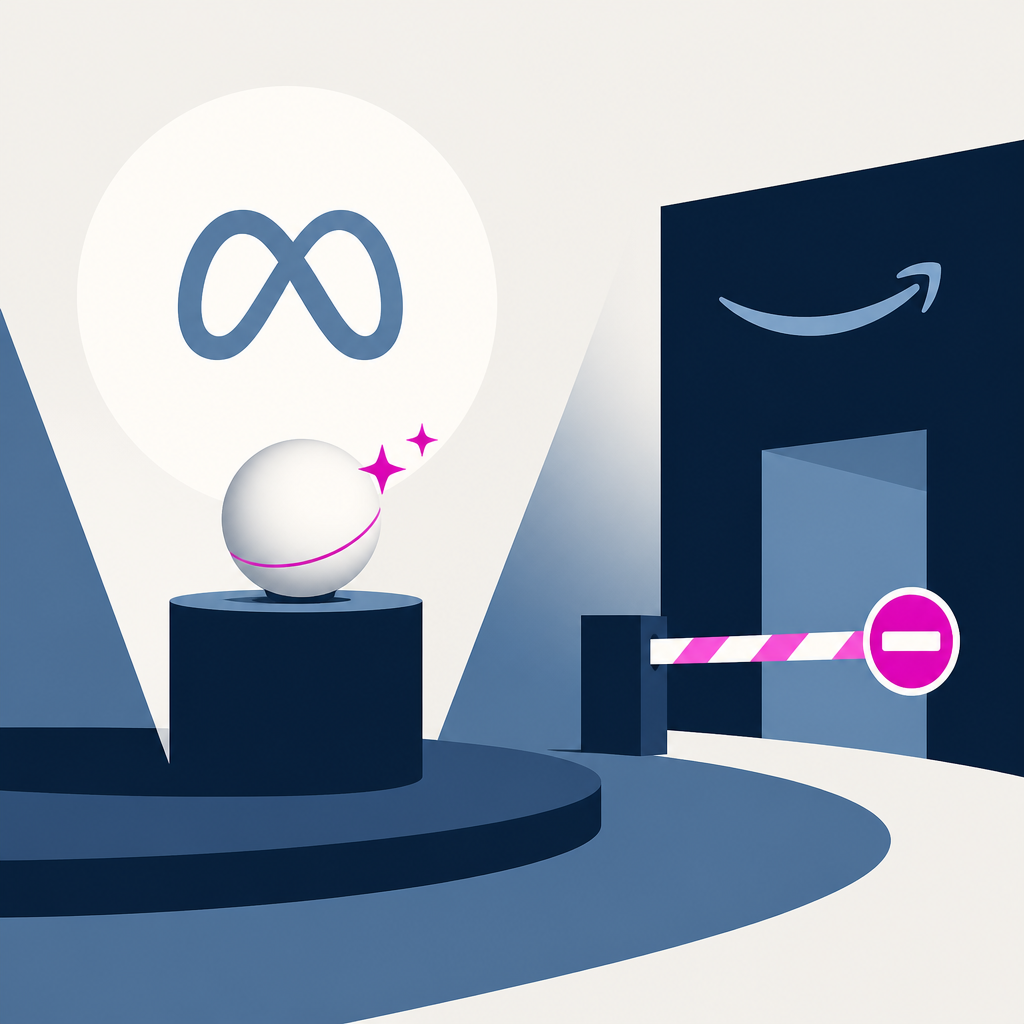
Meta’s Muse AI just passed ChatGPT on Apple’s free-app chart. It can book, shop, and handle calendars — and Amazon is already blocking it.
Based on reporting by Fortune, Sebastian Herrera — read the original for the full story.
Summary, retelling and take written by AI under human oversight; images are AI-generated illustrations. How we work · Report an error
Meta has a hit on its hands, at least for the moment. Its new consumer AI app, Muse, has climbed past ChatGPT to become the top free app on Apple’s App Store in recent days, a sharp turn for a company that has spent much of the year chasing the leaders in AI rather than setting the pace.
Muse is not just another chatbot with a fresh coat of paint. It’s built around a personal AI agent that can book appointments, place orders, and sort out calendars on a user’s behalf. Meta says the app uses its Muse Spark AI model, and it connects to outside services so the agent can act on a person’s behalf. That convenience comes with a very big tradeoff: users hand over access to accounts across their phones so the assistant can do the work for them.
That setup is exactly why the backlash showed up so fast. Amazon blocked Meta’s assistant from its online store, saying continued access by an unauthorized AI agent violates its conditions of use. Amazon also said Meta never asked for permission. Meta hasn’t commented publicly on the block, though it has said Muse will partner with Shopify for some shopping features. Andy Jassy’s company has its own shopping bot, Buy for Me, and it has also said brands can opt out — although they are automatically opted in unless they take action.
The fight gets at the real stakes here. If agents become the new front door to shopping, then control of access matters as much as the model itself. Amazon still wants people to come through its site or app, where ads help pay the bills. Muse tries to skip that step, which is why Liat Ben-Zur says the companies controlling access rules will end up with enormous influence over whether these agents truly work for consumers.
Meta badly needed a win. The company has been trying to catch frontier labs like OpenAI and Anthropic, while those rivals have been shipping cheaper model versions and Apple has refreshed Siri in its newest iOS update. Muse’s surge, and Amazon’s swift pushback, show how quickly agent software is moving from novelty to battleground. And with Mark Zuckerberg set to talk up Meta’s smart glasses at Connect in Menlo Park on Wednesday, the timing is about as convenient as it gets.
My take — AI-written commentary, not fact-checked reporting
Meta loves a comeback story, but this one comes with the usual privacy bill attached. Consumer AI agents are heading straight for the most sensitive part of the internet: your accounts, your purchases, your habits, your mess. The pitch is convenience; the fine print is trust, and that’s still the hardest product for Big Tech to ship.
Read more about this at: Fortune
