Rabbit returns with OS3, a personal AI agent that can access files and connect computers
SiliconANGLE Kyt Dotson ● Covered by 2 sources
Rabbit launched OS3, a cloud AI agent that can reach into your files and devices. It runs across five machines and can swap models without losing context.
Based on reporting by SiliconANGLE, Kyt Dotson — read the original for the full story.
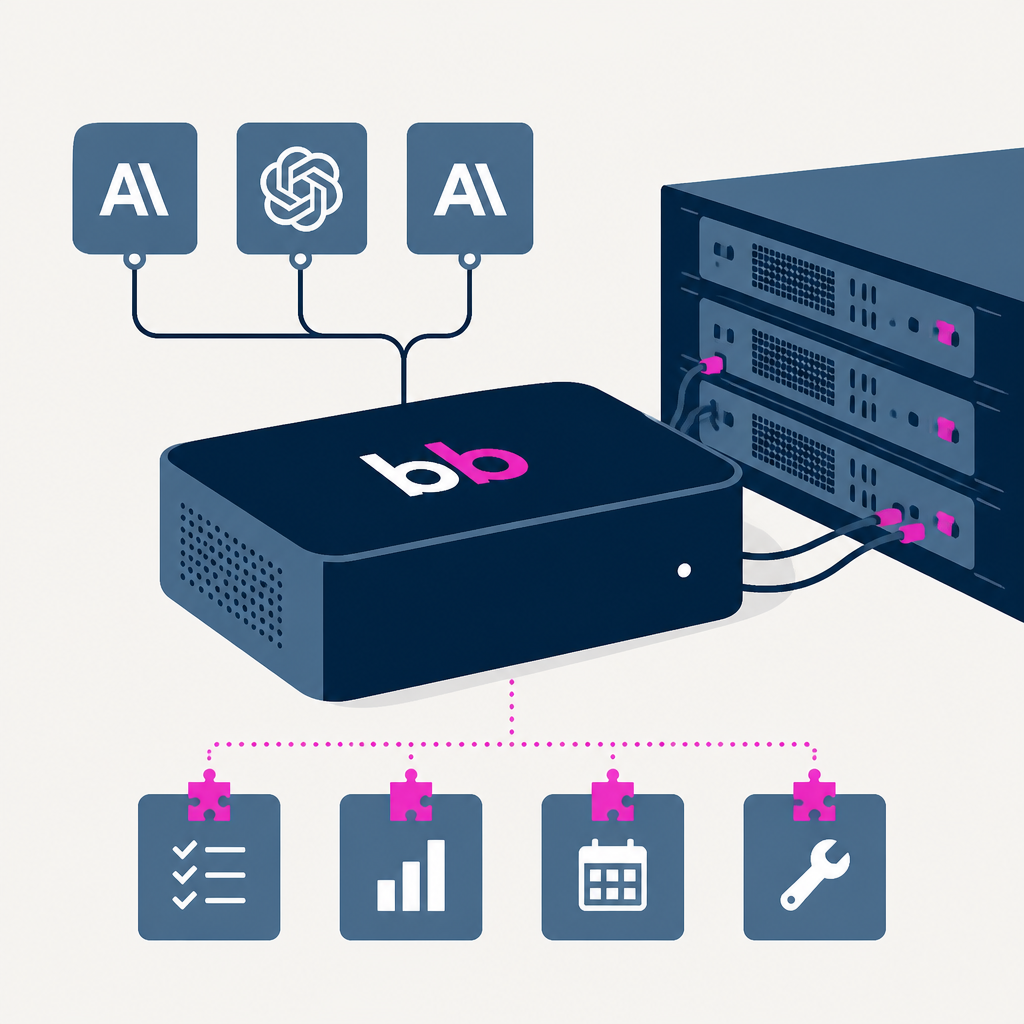
Summary, retelling and take written by AI under human oversight; images are AI-generated illustrations. How we work · Report an error
Rabbit is back with a new bet on the same idea: let the software do the fiddly work, not the human. On Tuesday, the startup behind the pocket-sized R1 device unveiled OS3, a personal AI agent that lives in the cloud but reaches into a user’s own devices through Rabbit’s agent software.
That agent installs with a single command and can be set up on up to five machines. Rabbit says OS3 works on Windows, macOS and Linux local machines, along with cloud virtual machines, dedicated AI machines and the R1. The phone-sized R1 is not required, but it still plugs into the system.
The pitch is familiar because the market is already crowded with this sort of thing. Rabbit named OpenClaw, Hermes Agent, Instinct and Muse as examples of other personal agents that can keep long-term goals in mind, use tools like email and calendars, and read and write files while they work in the background.
OS3 is also model-agnostic, which is a polite way of saying Rabbit doesn’t care whose AI brain you use as long as you pay for it. Users have to bring their own key, whether that means Anthropic’s Claude, OpenAI’s GPT, a local model, or an aggregator like OpenRouter. Rabbit says the agent can switch between models without losing context, memory or skills, which should help people spend less when a lighter task doesn’t need a heavier model.
Jesse Lyu, Rabbit’s founder and chief executive, framed OS3 as a system you direct toward an outcome rather than operate step by step. Users can type or speak to it, carry on conversations, and get pinged when long-running work is done. It can also stay connected through a paired Telegram bot and the web, so it can keep going after you’ve walked away.
Rabbit says the assistant only acts on user instructions, with guardrails for sensitive actions and local operating-system prompts for system-level permissions. Users can revoke access at any time. The company is already promising more device types later, because apparently one more AI helper was not quite enough.
My take — AI-written commentary, not fact-checked reporting
Rabbit is chasing the same promise every AI agent company is chasing: less clicking, more trust, and just enough control to keep the lawyers calm. The real test is not whether OS3 can talk nicely about “outcomes,” but whether people want another layer of software babysitting their tabs and files. The industry keeps calling this autonomy; most users will call it useful if it doesn’t get weird.
Read more about this at: SiliconANGLE