
Nscale’s $35 billion IPO is heavily dependent on ByteDance’s access to Nvidia’s chips
Fortune Jim Edwards ● Covered by 3 sources
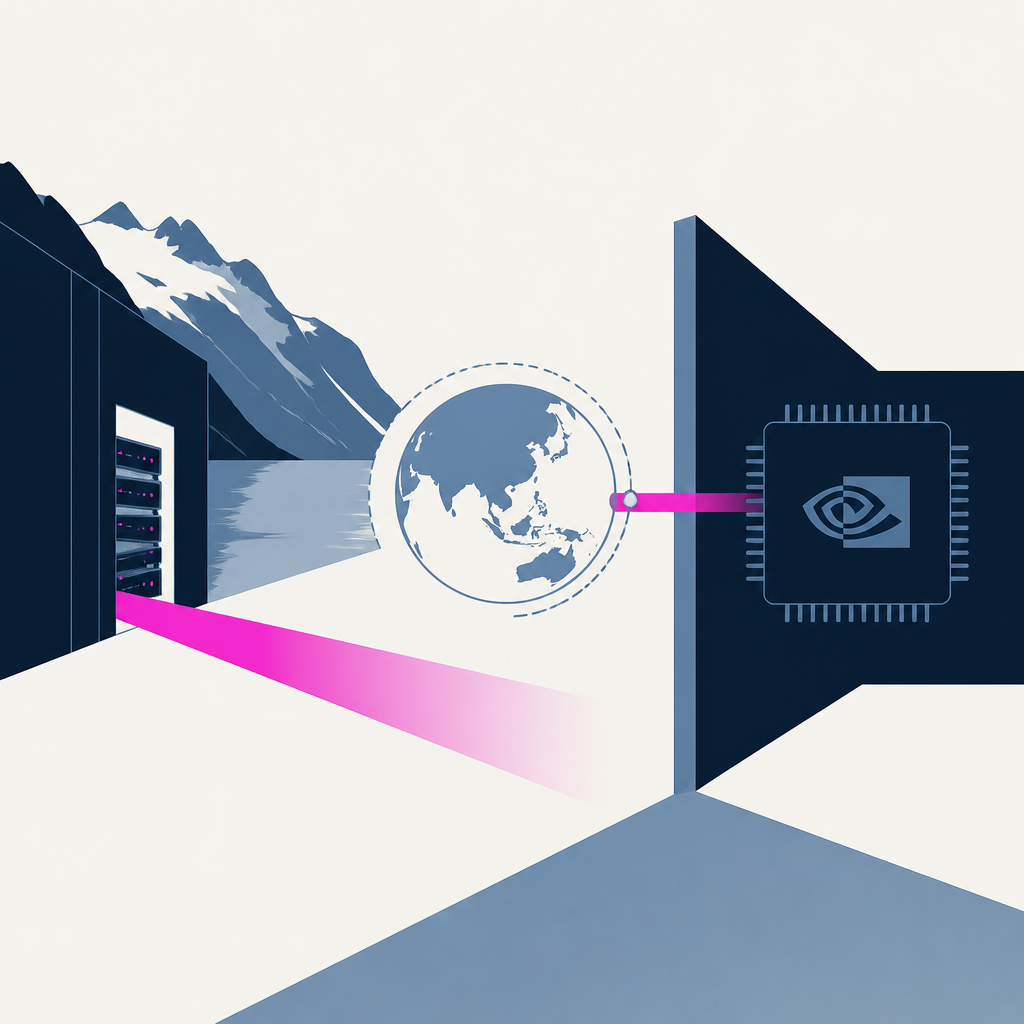
Nscale’s IPO filing shows ByteDance was its biggest customer. That matters because the whole business leans hard on one buyer and Nvidia chip access.
Based on reporting by Fortune, Jim Edwards — read the original for the full story.
Summary, retelling and take written by AI under human oversight; images are AI-generated illustrations. How we work · Report an error
Nscale’s IPO pitch has a giant customer-shaped shadow hanging over it. The company says in its S-1 that it brought in $33 million in revenue in 2025 and another $140.6 million in the first half of 2026, but the Financial Times reports that ByteDance, TikTok’s Chinese parent, accounted for 73% of that 2025 revenue. In the more recent period, Nscale says its largest customer made up 52% of revenue.
That customer isn’t named in the filing. Instead, the trail shows up in Exhibit 10.9 to a September 2025 draft registration statement, where Nscale disclosed a Macquarie loan secured against customer contracts. One of those contracts referenced a Singapore company called Spring (SG) Pte. Ltd. Spring is a ByteDance subsidiary. So the dependence is there, even if the S-1 keeps the name out of the headline story.
The FT says ByteDance used Nscale’s cloud facility in Norway to get access to Nvidia chips it could not otherwise buy in China, taking advantage of a loophole in U.S. trade restrictions. That arrangement is legal, but it puts Nscale in an awkward spot: useful enough to matter, tied enough to a geopolitical fight to attract scrutiny.
Nscale is also trying to sell investors on enormous future business. Since the filing, it has signed agreements with Microsoft worth $43.8 billion through December 2033 and with Anthropic worth $44.6 billion over an unspecified period. The company also disclosed $56.4 billion in remaining performance obligations and $103 billion in total contract value, again over an unspecified period. Nice numbers, but the S-1 is blunt about the risk: a small number of customers drive a substantial portion of revenue, and losing one would hurt the business badly.
My take — AI-written commentary, not fact-checked reporting
This is the modern AI business model in one awkward package: big contracts, thin disclosure, and one customer doing most of the heavy lifting. Europe keeps ending up as the quiet middleman in U.S.-China chip drama, then acting shocked when the wiring gets noticed. The real risk here isn’t the headline valuation; it’s how easily one buyer can turn a growth story into a liability.
Read more about this at: Fortune