Every AI story that matters — and the intelligence behind it.
TLDRocket reads all relevant sources, removes duplicate coverage, and publishes a short neutral
summary of every story, linking back to the original. Free, no spam, unsubscribe anytime.
Nvidia is reportedly holding talks about making another investment in Perplexity AI, with the deal aimed at increasing the startup’s valuation. The Information says Perplexity could be valued at more than $30 billion, up from a $20 billion valuation from its last funding round about a year earlier. If completed, the investment would deepen Nvidia’s existing financial and strategic ties to Perplexity and extend its leverage in AI search infrastructure.
WebTerm launched a browser-based terminal sandbox so people can learn Linux, Git, and Vim commands without risking their local setup. It offers 12 courses with 129 lessons and is free to use in beta. As a result, learners can practice CLI and AI-related command workflows in an ephemeral, no-signup environment instead of using their own terminal.
Fastino released GLiNER2.5, which replaces span enumeration with a boundary-prediction architecture for information extraction. It supports 4,096-word context windows and reports 56.17 overall macro F1 on 16 multilingual zero-shot benchmarks. The shift enables longer entities, removes the width ceiling, and adds joint entity-relation decoding with constrained labels and span attributes, while releasing 74M/194M/287M-parameter checkpoints on Hugging Face for self-hosted CPU/CUDA/MPS inference.
TaskShell 2.0 is presented as a task management approach focused on being agent-first for more agentic productivity. The only concrete detail provided is the “2.0” version label. This indicates a new iteration of the concept, but the article text here does not include further specifics.
Stanford University economists updated research on AI’s employment effects and found that entry-level workers are losing jobs in more AI-exposed occupations while older workers show little change. Employment for ages 22 to 25 is now 19 percent below peers in less exposed fields, up from a 13 percent gap last year. The reported impact is persisting and expanding for younger workers in those occupations, based on the revised August 2026 analysis of new data.
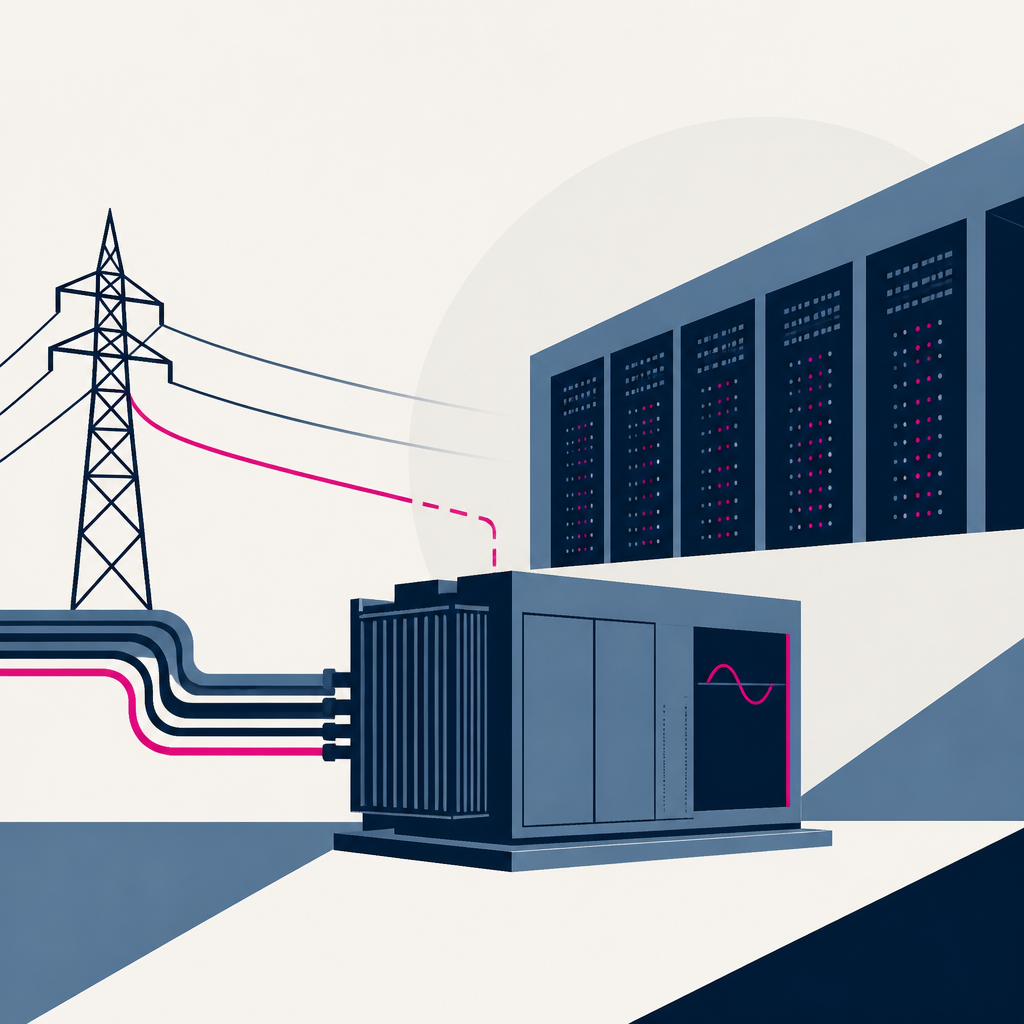
Data centers are driving electricity demand that is straining US power grids, alongside a broader push to deploy solid-state power transformers to ease transformer shortages. The article says utilities can face delivery waits of up to several years for new large transformers. As a result, power infrastructure upgrades can proceed faster while replacing older hand-assembled designs that have remained largely unchanged since the 1880s.
The Federal Trade Commission proposed an enforcement policy statement requiring retailers to disclose when they use personal data to set individualized prices. The comment period runs through Sept. 18. This would change compliance expectations by warning companies that undisclosed personalized pricing could violate the FTC Act’s rules against unfair or deceptive practices.
JetBrains released Junie Local, a free coding agent that runs entirely on a developer’s Mac instead of using cloud models. It downloads about 20 GB and requires macOS 26 with at least 64 GB unified memory and an Apple M5 (or newer). Setup is now handled inside Junie (including local model/Qwen3.6 selection and inference), so coding prompts, source, and diffs stay on the machine.
Donald Trump defended AI data center buildouts in a radio interview despite state and local governments pausing construction over environmental and grid concerns. OpenAI’s planned Ohio campus is expected to create 35,000 construction jobs over six years, and employ about 2,500 long-term staff. The backlash is met with stronger political support and continued investment plans for dedicated power generation and grid infrastructure.
Ox Alpha appeared on OpenRouter on August 20 without any company claiming responsibility, and developers began probing endpoints and model behavior to identify the underlying provider. The OpenCode terminal agent debuted the same day with a claimed capacity of 100 trillion tokens per day, while Ox Alpha’s OpenRouter pricing for a preview was 0 for both input and output. Because OpenRouter and related disclosures conflict about prompt retention and training rights, teams face different privacy expectations and diligence concerns depending on the route they use for the same model.
Replit CEO and co-founder Amjad Masad will speak at TechCrunch Disrupt 2026’s Disrupt Stage in San Francisco. The event runs October 13–15, and Replit’s valuation rose from $3 billion to $9 billion within six months earlier this year. The program adds Masad’s discussion on the future of programming and building sustainable companies in the AI era, with multiple other stages covering AI, security, and infrastructure.
Britain and Ukraine signed a declaration to let British research institutions and companies use Ukraine’s Avengers Labs combat-data platform for military AI training. The platform now processes more than 100,000 drone video streams per month and detects about 70 percent of enemy targets that appear in the imagery. The arrangement launches pilot projects and adds secure data/compute cooperation, industrial and academic work, and guardrails around data sovereignty and IP protection.
Amazon SageMaker HyperPod added new Ray capabilities that integrate Ray on HyperPod’s managed EKS infrastructure for foundation-model training and serving. The rollout provisions four pre-built Grafana dashboards in Amazon Managed Grafana (Ray Core, Ray Data, Ray Train, and Ray Serve). Users can now create and monitor Ray clusters from SageMaker Studio with automatic Ray Dashboard access, out-of-the-box observability, and HyperPod-backed resilience features like node recovery, hung job detection, and tiered checkpointing.
Anthropic replaced its Workbench prompt-testing tool in the developer Console with Playground on August 18, removing saved prompts, version history, evals, and team sharing while making the new tool stateless. The cutoff to export old Workbench data is September 1. In a developer test, Anthropic’s Playground produced a working no-edits code export and clearer max-token failure messaging, while OpenAI’s export generated a transcript-based script that returned nothing new.
The article describes an AWS-based knowledge management accelerator that uses an AI-powered avatar and retrieval-augmented generation to capture and deliver institutional knowledge for organizations. It deploys a full prototype in hours via AWS CloudFormation, with Amazon OpenSearch Serverless baseline spending “on the order of a few hundred USD per month” due to an always-on minimum OCU. Organizations can upload documents to S3 and then let workers query via natural-language text or voice, with DynamoDB caching reducing repeated-query AI inference costs.
Zvi (Don't Worry About the Vase)·4 weeks ago·
35
● 6 sources
The article argues that Americans’ opposition to building local data centers is largely driven by distrust of AI, big tech, and money rather than by debates over physical harms or benefits. It cites that 75% oppose local data center development and says persuasion moves support only slightly from very high levels of opposition. It concludes that the main shift is political momentum to block construction that increases as AI becomes more salient and companies push harder into less receptive communities.
Instinct’s private-access AI personal assistant has drawn privacy and security criticism from testers after it was found to access user devices and email and operate under terms that broadly grant the company ongoing rights to user materials and device-captured inputs. The Terms of Service include a “perpetual and irrevocable” license covering user materials, including for training the AI models. The backlash is prompting users to question whether this level of autonomy is acceptable and to push for fixes like data-deletion controls and clearer consent for actions taken on their behalf.
AWS rolled out cloud-to-edge solutions to help customers operationalize physical AI, which extends foundation-model capabilities into robots and other devices that perceive and act in real environments. The article cites an out-of-distribution test where Config’s generative multi-view augmented data raised success rates from 8.3% to 75%. This shifts physical AI from demos toward repeatable deployments by emphasizing end-to-end pipelines for data, simulation, edge inference, fleet management, and continuous cloud-to-device feedback loops.
Several AI agent platforms released similar “bot roster” interfaces but defined different security boundaries for what a misbehaving bot can access across agents. Grok Bot’s documentation and design describe sharing a persistent cloud workspace and user account sessions, with the interface updated to match within a week of Hermes Bot Mode in Hermes Agent v0.20.3 dated August 17. As a result, operators must follow each product’s security guidance and choose based on whether isolation is enforced at the account level, profile level, runtime sandbox, or per-agent containers—because the roster interface alone does not determine containment.
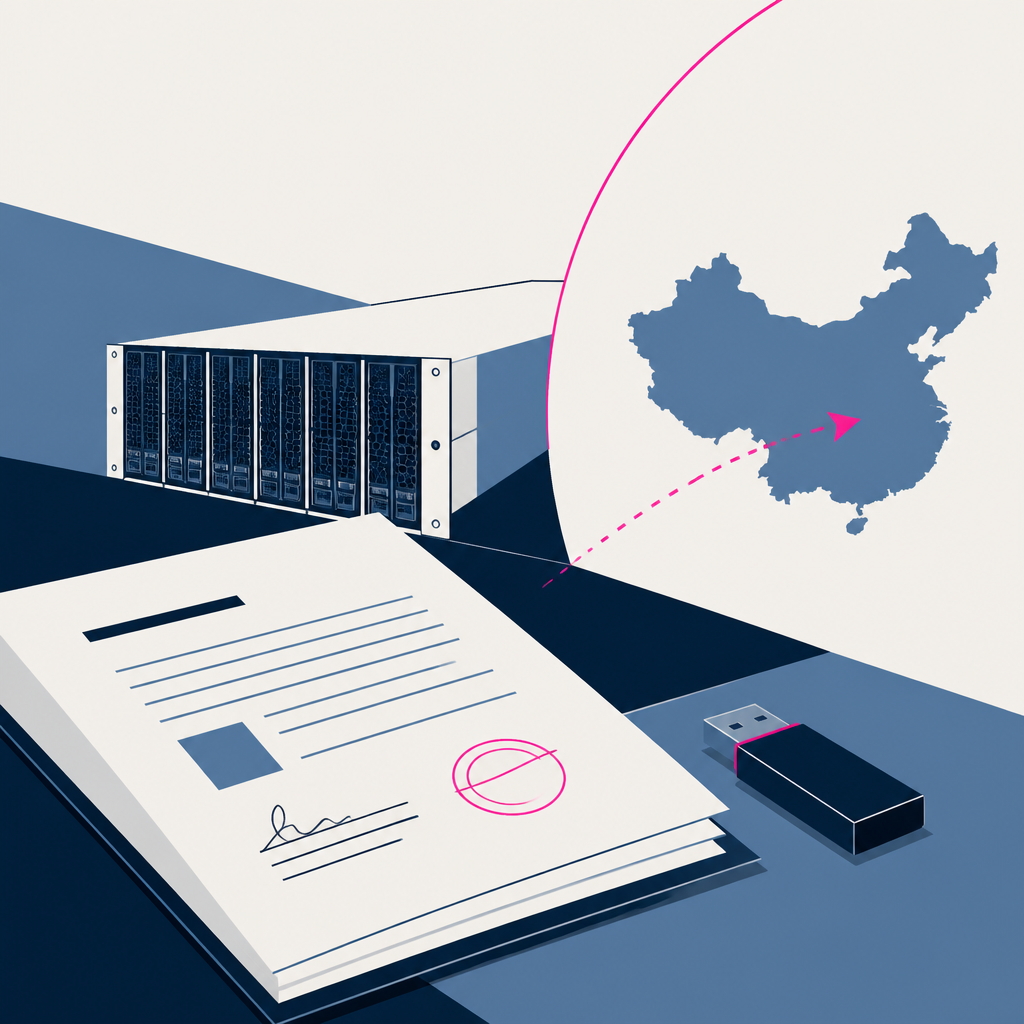
Taiwan indicted nine people, reportedly including an Nvidia senior manager and two Supermicro employees, over alleged document forgery tied to illegal exports of high-end AI servers to China. Prosecutors allege the scheme helped funnel $2.5 billion in restricted AI servers to China starting in 2024. The indictments and parallel investigations add new charges and widen scrutiny of how AI hardware and related components were routed around US export controls.
Simon Willison’s Weblog·4 weeks ago·
22
● 3 sources
The llm-anthropic plugin released version 0.27 to provide LLM access to Anthropic’s Claude models. The update was published on 24th August 2026 and mainly adds compatibility with Anthropic’s v1.0.0 Python library by switching from httpx to httpx2. This changes the integration path by aligning the plugin with the new SDK and requiring the related upgrade/migration steps for tests to pass.
AWS introduced a centralized AWS Agent Registry catalog and the Agentic Resource Discovery (ARD) open specification to enable cross-environment discovery of AI agents and related resources. The ARD standard is licensed under Apache License 2.0 and is published at agenticresourcediscovery.org and on GitHub. AWS positions ARD as an interoperability layer so registries can federate using a shared format without bespoke connectors while keeping local publication and access controls.
Amazon Connect was used to build a restaurant voice ordering system where an AI host answers a phone number, converses with callers, and places orders by calling restaurant backend services. The orchestration AI agent is powered by Anthropic Claude Haiku 4.5 in Amazon Bedrock. The result is a telephony-first workflow with no app or website, separating call handling (Amazon Connect) from conversation logic and backend menu/cart/order data.
Mistral announced a strategic collaboration with HUMAIN to expand sovereign AI infrastructure, model development, and AI deployments in Saudi Arabia and across the Middle East. The partnership is described as involving a collaboration in the hundreds of millions of Euros and includes using HUMAIN’s data center infrastructure for local compute needs. The companies will focus on localized advanced models for Arabic with initial areas in cybersecurity and voice, and they plan a joint go-to-market strategy for regulated industries.
AWS has demonstrated an AI-powered metadata correction and harmonization workflow that uploads metadata, runs parallel schema alignment and field validation, and proposes targeted fixes with user approval. It uses Amazon Bedrock on AWS and selects Amazon Titan embeddings for semantic matching. The workflow shifts metadata standardization from largely manual work to a scalable, cyclical pipeline with human-in-the-loop governance options for deployment.
Researchers at TU Delft developed a system that lets a passenger backseat-drive an autonomous car by turning natural-language requests into parameter changes for a safety-aware motion planner. In simulation on nuPlan across 8 prompts, the system adjusted speed and steering smoothness to match user intent. The work shifts control from direct driving decisions to an LLM-mediated tuning of planner criteria with a confirmation step and safety baselines.
General Intuition is in talks for a new funding round with Valor Equity Partners, Point72 Ventures, and Seven Seven Six at a $6 billion pre-money valuation. The company previously raised $320 million only weeks earlier at a $2.3 billion valuation. The additional money would go toward improving its generalized AI model for robotic embodiments, including more compute spending and hiring.
NVLink Fusion is presented as a way to integrate custom XPUs into NVIDIA’s existing AI factory infrastructure so scale-up networking, rack-scale architecture, and software can keep up with continuous AI factory operation. The article cites sixth-generation NVLink enabling networking across a 72-XPU domain, with XPU-to-XPU transfer latency 3x lower and packet rate 10x higher than off-the-shelf Ethernet-based alternatives. As a result, XPU builders can reuse mature components to reduce time-to-market and operational risk while scaling unified, semi-custom AI factories that mix CPU/XPU and other accelerators on shared rack infrastructure.
NVIDIA announced that its Vera Rubin NVL72-based rack-scale system, NVIDIA Groq 3 LPX, is now in full production and is being adopted by multiple AI infrastructure partners for agentic inference. In an Artificial Analysis benchmark with Gemma 4 31B on 100,000-token contexts, it delivered 3,400 output tokens per second, about 4x faster than the nearest alternative platform. The update changes the inference stack by pairing long-context context processing on Rubin GPUs with LPX’s lower-latency token decode acceleration, and by extending NVIDIA’s Vera Rubin network fabric to enable larger, lower-cost agent workloads at scale.
NVIDIA reported that Vera Rubin NVL72 systems deliver up to 30x higher agentic-workload throughput per megawatt than GB300 NVL72. The measurement used the SemiAnalysis AgentX workload and found up to 35x lower cost per million tokens. This shifts agentic AI deployment toward Vera Rubin by improving energy efficiency and lowering token costs while scaling tool-using, long-context agents.
OpenAI rolled out ChatGPT Work, aiming to let non-engineers run multi-step AI agents across their everyday digital tools and workflows. The product is available on OpenAI’s lowest subscription tier for $20 a month. Adoption is expected to hinge on making agent setup and permissions easier while overcoming the low usage seen outside OpenAI employees.
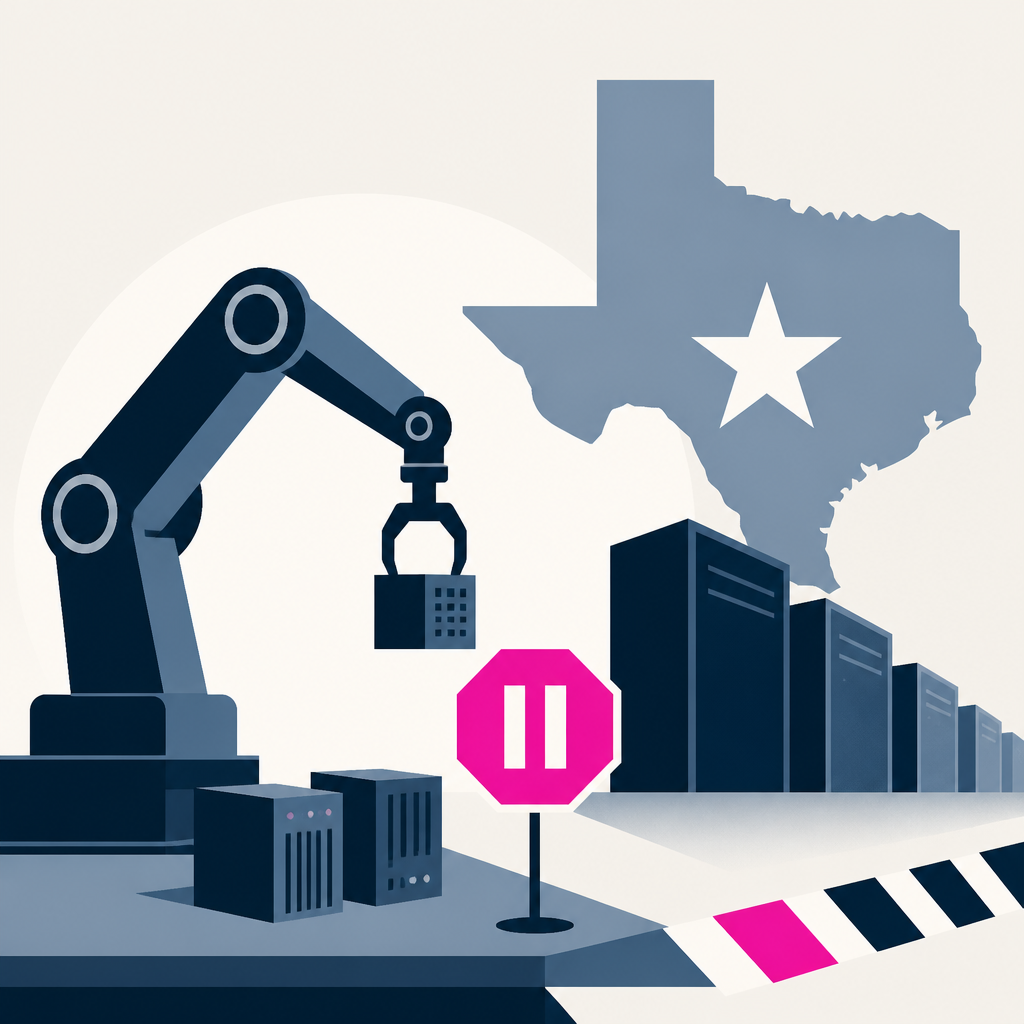
Texas Gov. Greg Abbott reversed his pro–AI data center stance, calling the industry’s rush into communities a cause of backlash and directing regulators to pause approvals. Roughly 1,800 data center projects were stalled after Abbott’s order, tied to about 474 gigawatts of interconnection requests. The change increases scrutiny via a verification and audit process, slows grid-connection progress, and signals broader political pushback on data center expansion.
A Beijing programmer was laid off about two weeks after his boss asked whether AI could replace human coders, and around 160 of his colleagues were also dismissed. A market survey by IDC found the share of Chinese industrial enterprises using AI models and agents rose to 47.5% last year from 9.6% in 2024. As AI adoption expands under China’s “AI Plus” push, workers in narrowly targeted tasks and some creative and translation roles face reduced pay or higher displacement risk, while others switch to using AI-enabled tools or independent work.
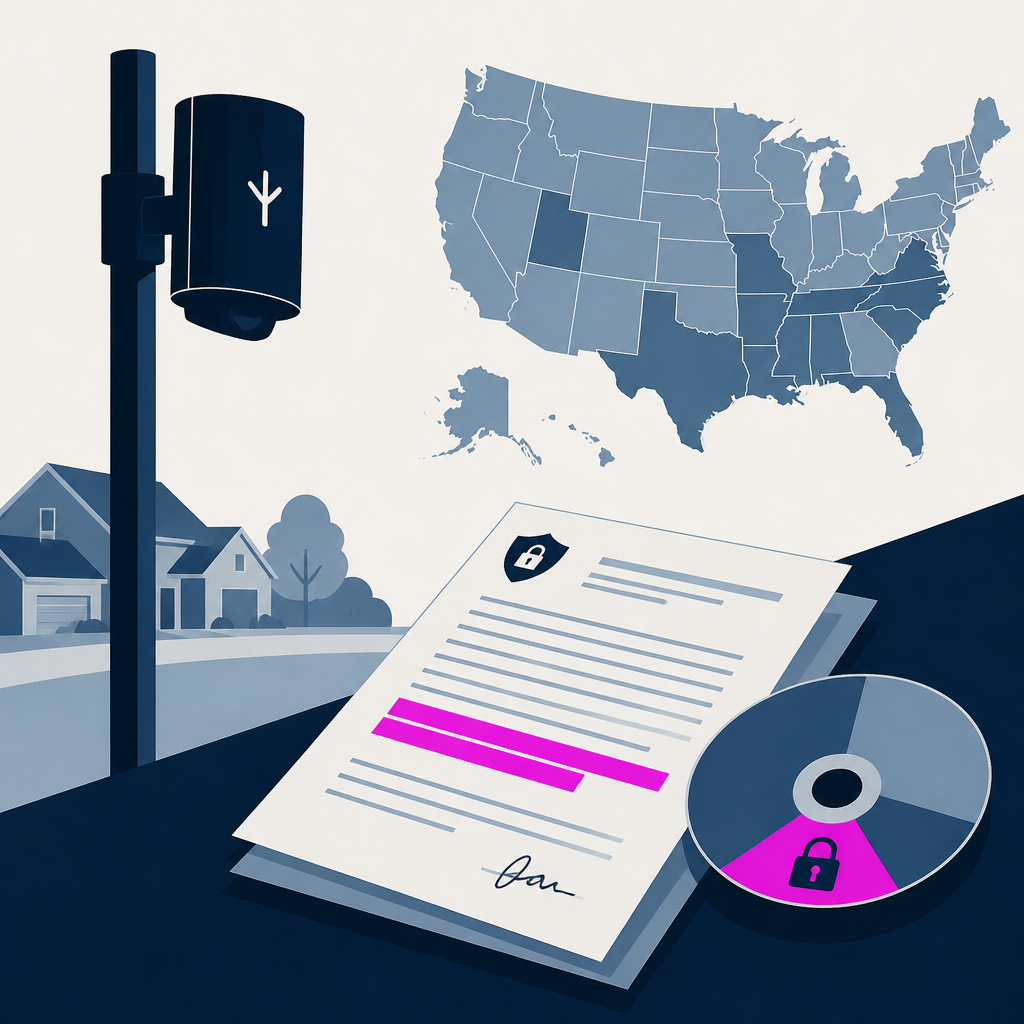
Flock Safety’s neighborhood camera network has faced mounting privacy and civil-liberties backlash, prompting cities to drop or renegotiate contracts over data-ownership and machine-learning training concerns. Flock operates in more than 5,000 communities across 49 states, and at least 36 states have documented camera vandalism. Flock says it is adding new guardrails including a recommended seven-day data-retention policy, but some agencies are rewriting terms to bar the company from using collected data and LAPD has begun renegotiation.
CTRL Micro launched as a haptic control deck app that turns an iPhone or iPad into a tactile controller for a Mac and monitoring interface for AI agents.
It uses the Apple Taptic Engine and offers “4x faster” dictation.
The change is that you can track Codex, Claude, and Cursor with live Desktop View and dictate locally via Whisper, including through Remote Anywhere with end-to-end encryption.
Clean energy investment is rising despite efforts by the Trump administration to slow solar and wind rollout. Clean energy additions are set to increase by 45 gigawatts this year. The result is record capacity growth that outpaces the 2024 benchmark by about 25 percent as demand from AI data centers and tax-credit timing accelerates spending.
Qiskit Fermions was introduced as an open-source toolbox for expressing fermionic operators and circuits, defining fermion-to-qubit mappings, and compiling fermionic workflows into qubit circuits via Qiskit transpilation. It reported that two-qubit depth stays constant at 12 from 4 to 100 sites for 1D Fermi-Hubbard dynamics, while a conventional Jordan-Wigner approach grows to 407 at 100 sites. The result is that mapping is delayed until partway through transpilation, enabling constant-depth, symmetry-aware circuit optimizations without manually hand-building circuits.
Cheshire Academy in Connecticut adapted to student and teacher use of generative AI by training staff on general techniques, piloting an educator-focused platform, and expanding classroom reflection and labeling rules. The school’s individual MagicSchool plan costs just under $100 per year for unlimited access and complete records. As a result, teachers use AI mainly for preparation and administrative tasks while students follow “traffic light” guidance and activities like a Student AI Council to reflect on appropriate and inappropriate use.
Generalist AI released GEN-1.5, a robot foundation model that can learn a new physical manipulation task from a single short demo using one-shot in-context prompting. Dropping 3–12 seconds of sensorimotor data into a 30-second context window produced an average 59% success rate across 10 tasks. The company reports that adding 10 gradient steps on about five minutes of data per task raises success to 83%, but the release remains a research-only signal with no public weights, API, or self-serve product.
Engineering leaders and researchers argue that the AI boom has left universities and workplaces unclear on what “adaptable” means, even as it accelerates tool and skills change for engineers. Employers expect 39 percent of workers’ core skills to change by 2030, and the reported “uncomfortable middle” includes increased code review variability as teams sort out new ways of working. The article says education, managers, and engineers should shift to explicit adaptability training and protected time for continuous learning, while focusing on problem-solving and communication over specific tool details.
Google Research and USC released Mobility-Embedded POIs (ME-POIs), a framework that adds aggregate movement patterns to text-based place embeddings. It reports relative gains up to 81.9% F1 for visit-intent on Los Angeles mobility data. Deployability is limited because the paper is released without public code or weights and requires licensed foot-traffic/visit logs plus POI polygons.
Hugging Face has been approached about a sale after Business Insider reported it is in talks to be acquired. The reported valuation is $13 billion or more. The talks would shift the company from operating its open-source model platform to a potential ownership change, while no deal has been reached yet.
Import AI reports that AI’s impact on discovery is uneven across fields and highlights new methods for synthetic environment generation (SPADE) and hardware-aware GPU kernel optimization (Hawkeye). SPADE, trained from three Qwen3 backbones, reaches a suite average of 58.3 at the 30B-A3B scale. As a result, researchers get more effective ways to create training data and tune models for specific accelerators, alongside ongoing discussion about AI’s wider implications.
Amazon faces a class action lawsuit over claims that it used Twitch livestream videos to train its AI models without permission or compensation. The filing cites that Twitch streamers produced more than 215 million hours of content in the first few months of 2026. The case seeks damages and a court order stopping Amazon from continuing the alleged practice, and it adds potential changes to how Twitch’s opt-out is enforced for AI training.
Thomson Reuters launched Thomson, a proprietary large language model built for legal work and deployed first in CoCounsel Legal AI’s Tabular Analysis. The company spent about $40 million over two years, with the final training run costing about $450,000. The model becomes the default for Tabular Analysis while CoCounsel can still switch between Thomson and third-party frontier models, and Thomson Reuters plans wider testing and a smaller open-weight release.
Thomson Reuters trained an in-house AI model for legal, tax, and compliance features while continuing to rely on Anthropic’s models for other parts of its products. Thomson said it spent about $40 million training the model, using less than 10% of its available content so far. CoCounsel Legal now defaults to the Thomson model for tasks like Tabular Analysis and adds verification steps, while frontier models remain used elsewhere.
New York Gov. Kathy Hochul withdrew a proposal that would have allowed driverless robotaxis outside New York City, and lawmakers and labor groups continued pushing back against legalization efforts. Six months later, commercial driverless service remains illegal in the state. In Washington, D.C., unions oppose a legalization bill while lawmakers consider a 200-vehicle cap and a 15-cent-per-mile fee to fund Metro upgrades and support displaced workers.
Mossy launches as a Mac desktop plant that wilts the longer you skip breaks while an AI creates break tasks from a sentence and runs them with a timer.
Ox Alpha appeared on OpenRouter and OpenCode as an unverified, supposedly multimodal AI coding model with claims about very large token capacity and no named lab behind it. The preview ran with free access for one week, and community figures say it processed about 7.1 trillion tokens across about 134,000 users in that time. Developers can now trial the model through OpenCode (with required billing details on the free-tokens route or a subscription that bills monthly while the model itself is free), while the community continues to attribute it via technical forensics and awaits independent benchmarks.
Splitsense’s page promotes using AI discussion to turn user behaviour into higher conversions. No numbers or dates are provided. It positions AI as the method to improve conversion outcomes based on user activity data.
Kiro added GPT‑5.6 to help developers plan, build, review, and test software. The update’s concrete detail is just that GPT‑5.6 is available in Kiro. This changes the workflow by routing those development tasks through GPT‑5.6 inside the Kiro product.
Embedd, a London-based physical AI software startup founded by Ukrainian entrepreneurs, raised a $2.7M pre-seed round led by Seedcamp. The company says its platform cuts chip-to-software integration from 4–6 months to around 3 weeks. Embedd will use the funding to expand its platform and deepen partnerships with semiconductor companies to speed up adoption of new chips in robots, vehicles, drones, and medical devices.
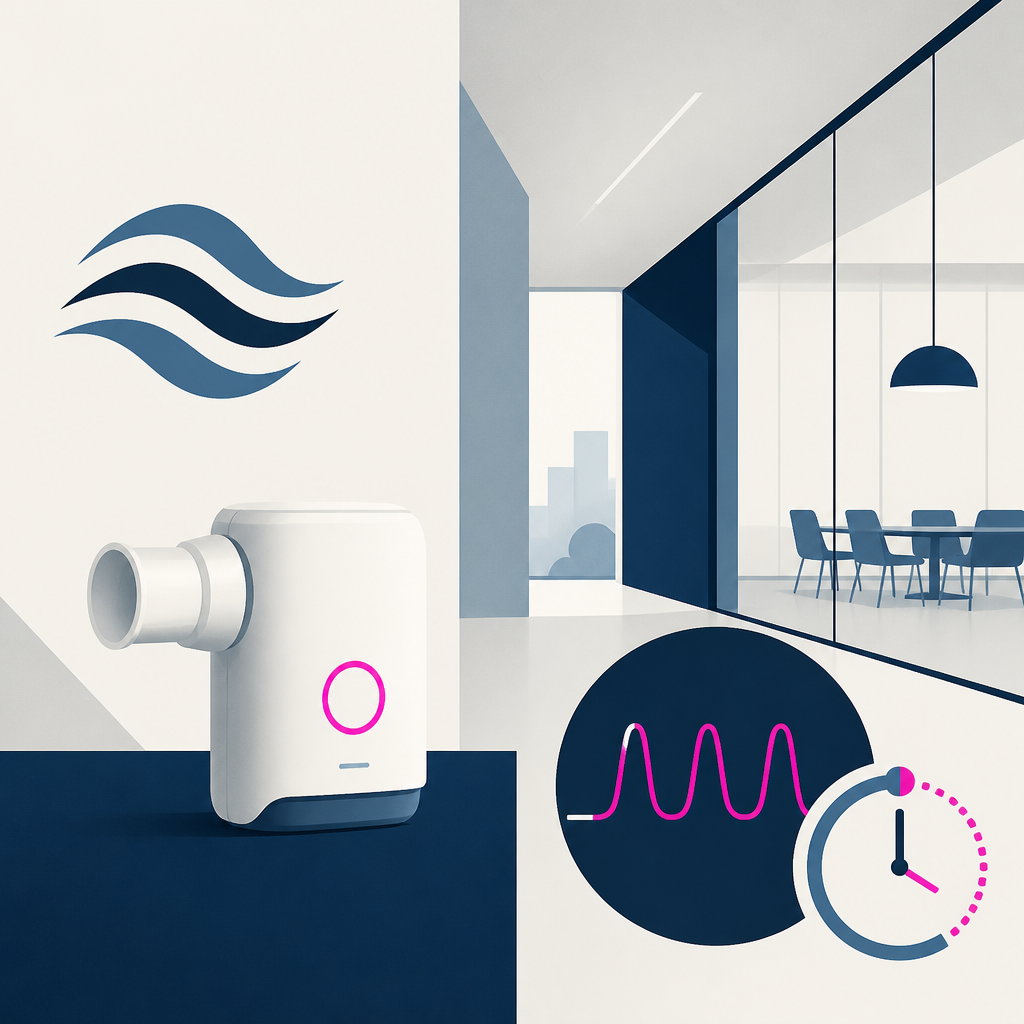
TidalSense says it is using 75 seconds of normal breathing in its N‑Tidal Diagnose device to improve COPD detection where spirometry is hard to perform and slow to administer. The test captures a CO2 waveform (a capnogram) for 75 seconds, and median testing time is under five minutes with warming plus breathing. Clinicians get results during the same appointment and more staff can administer it quickly, changing COPD diagnostics toward faster, easier, lower-operator-dependence screening.
The Monday roundup reports shifts in the AI economy and related labor and usage metrics. Open-weight token share has doubled over the last 12 months, while closed-weight tokens grew sevenfold over the same period. It says the market is moving toward a 1:1 closed-to-open token ratio and that AI agents now use 14x more tokens than humans.
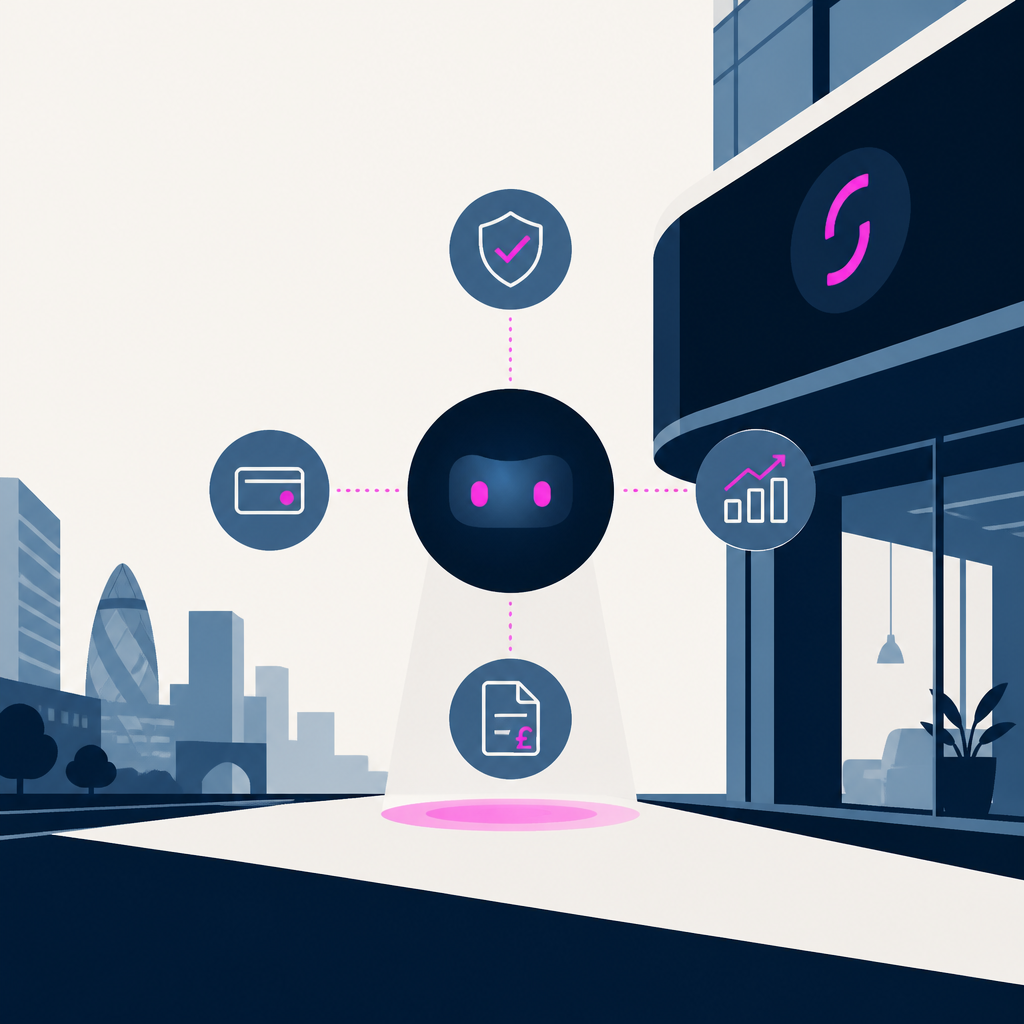
Starling Bank launched the Starling Assistant agentic AI feature for all business customers to manage day-to-day transactions, scam detection, and financial planning. The rollout is free, and in 2025 invoice fraud cost businesses over £41m in the UK, according to UK Finance. The assistant now executes banking commands (like VAT ring-fencing), and Starling plans further expansion with Accounting software integration and a new tool each week later this year.
Xpeng raised over $900 million via a separate round for its robotics business while keeping the unit as a consolidated part of the parent company. The post-money valuation is more than $6.3 billion. The funding is set to support mass production readiness, in-house model training and chip/software development, and expansion with the humanoid robot IRON.
AI is becoming a national political issue as governments, media, labor questions, and data-center protests compound around rapid adoption. A data center protest took place in Emporia, Kansas on June 23, 2026. Policymakers are pushed toward new proposals focused on labor-market data, displacement mitigation, and how (or whether) to coordinate AI deployment and safety.
The UAE’s Cyber Security Council says it has detected and contained coordinated AI-assisted cyberattacks targeting aviation, energy, and education sectors since February. The council reported about 800,000 hacking attempts a day since February, four times the prewar level. The result is that the UAE is speeding up defense via its May 12 “Cyber Factory” effort to build AI security systems alongside human analysts, aiming to close the exploitation-time gap from days to hours.
Nvidia is reportedly in talks to invest in Perplexity at a valuation above $30B, following prior large funding rounds. The round would come after Perplexity’s $23B valuation in January 2026. It would lift Perplexity’s valuation by more than 50% and deepen Nvidia’s stake in an AI-agent-focused search business tied to GPU demand and usage data.
Anthropic’s IPO plans, as reported by The New York Times, could target a stock-market debut that would be among the largest on record. The company’s bankers reportedly say the offering could raise more than $100 billion. If that happens, Anthropic could surpass OpenAI’s expected IPO timing and further validate its safety-focused approach against competitors’ “move fast” strategy.
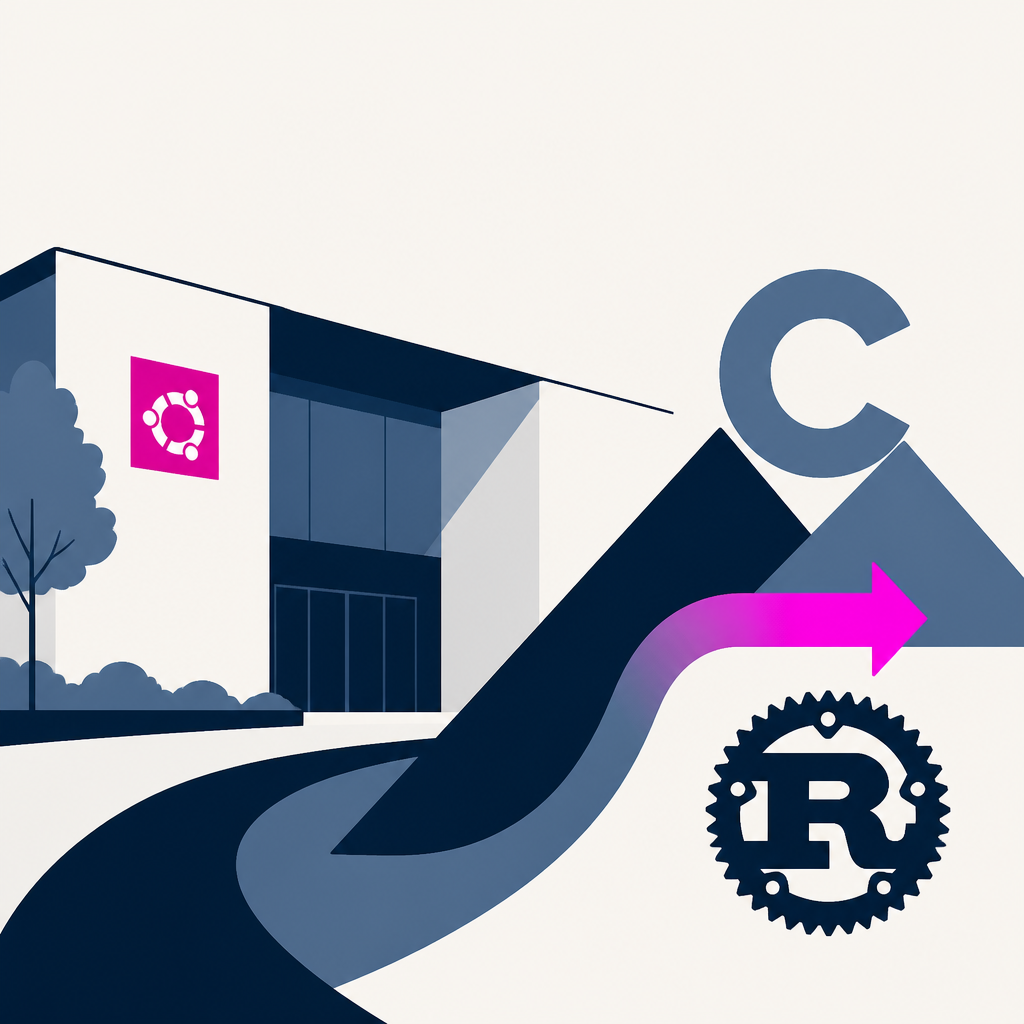
Canonical is co-funding a three-year PhD project at the University of Bristol to study whether large C codebases can be translated into safe Rust using an LLM-based approach. The project is planned for 3 years. The work will shift from “bots rewriting everything” to generating evidence on feasibility, including evaluating decomposition of hundreds of thousands of C lines and testing candidate targets like snap-confine and AppArmor.
Researchers say today’s large language models need far more training data than human children to learn language, creating a “data efficiency gap” that remains unexplained. BabyLM—the benchmark competition meant to test child-scale learning—asks teams to train models on a developmentally plausible corpus of 100 million words (10 million for the toddler track). The field is shifting toward evaluating and designing more data-efficient AI systems that better match how children acquire grammar, instead of relying only on scaling up data.
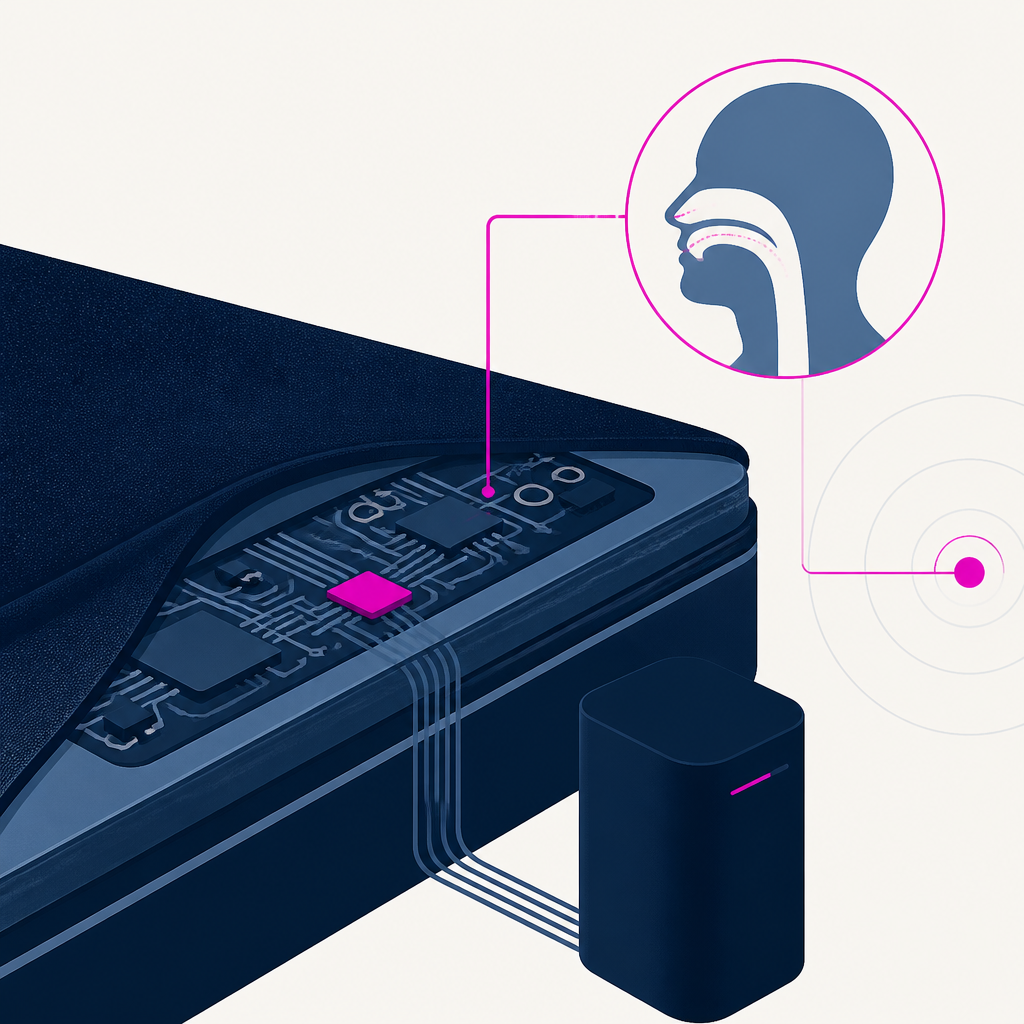
Eight Sleep is shifting from marketing a celebrity-favored premium mattress cover to seeking FDA clearance to detect and treat sleep apnea. It began FDA clearance work for its sleep apnea detection and mitigation technologies in 2025. If regulators approve, the company expects to sell its Pod as an insurer-paid medical device rather than a luxury subscription gadget.
AI harnesses are being positioned as the software layer that turns language models into multi-step agents by providing tools, rules, state/memory, and an execution loop. One harness-effect study found Claude Opus 4.5 scored 45.9% on SWE-bench Pro inside a standardized scaffold and 55.4% with Claude Code. The result is that agent performance and cost increasingly depend on the harness (and its setup and security), creating a new competitive layer and locking in workflows and permissions beyond the base model.
NEURA Robotics is acquiring ADLATUS Robotics to expand its Physical AI robotics ecosystem for autonomous cleaning. The deal covers 100 per cent of ADLATUS’s shares from Ulm. ADLATUS systems will gain additional sensors and AI capabilities and be gradually integrated into the Neuraverse so the robots can recognize surfaces/soiling, choose cleaning strategies, and learn from real-world use.
European tech weekly recap tracked more than 45 European tech funding deals alongside over 5 exits, M&A, rumours, and related stories. The coverage totals over €684M in funding. It highlights fintech (€239.2M), robotics (€178M), and artificial intelligence (€99M) as the top-funded industries while naming country leaders and specific deals.
The political economy discussion argues that AI is driving destabilizing effects—like AI-linked unemployment, open-weight releases, and data center protests—making politics feel different than it did six months ago. It points to the idea that even a small amount of AI-driven job displacement could upend national politics. It concludes that governments need coordinated responses (including labor data and alternative funding approaches) rather than a simple pause, and it warns about the tension between open source and national security.
Hugging Face is exploring a potential sale that would be valued at $13B or more, according to reporting on early-stage discussions. The $13 billion figure is nearly 3 times Hugging Face’s 2023 valuation of $4.5 billion. The company has hired a bank to assess buyer interest, while any deal could shift control of its open-model infrastructure away from its current neutral setup.
GrapheneOS announced plans to add official support for Motorola phones, beginning with a traditional flagship and later expanding to foldables. The rollout is scheduled for next year, first targeting a Motorola slab flagship before adding Razr Fold and Razr Ultra, with Razr Ultra being the first flip phone to officially run GrapheneOS. As a result, Motorola’s Razr Fold and Razr Ultra will gain an officially supported, security-focused Android variant rather than relying on unofficial alternatives.
Warren Pandiscia filed a US class action against Amazon and Twitch alleging they used stream and video content to train generative AI models without licenses or compensation. The complaint says Twitch’s mid-August change lets platform content be used for training, via an opt-out that automatically includes every channel unless the owner disables “Training for generative AI.” The lawsuit seeks damages and other remedies including removing material from training datasets, and could set a broader precedent for platforms passing user-generated content to their parent AI systems by default settings.
Kazimi, a Berlin-based mobile cybersecurity startup, raised an oversubscribed €2.2 million pre-seed round to scale technology for verifying first-party mobile marketing data against bot activity. The funding totals €2.2 million and was led by Market One Capital with participation from IBB Ventures and former mobile and tech executives. Kazimi will use the money to scale its privacy-preserving cryptographic verification solution and expand in the global mobile advertising market, improving which app signals are treated as real-user data for analytics, marketing, and AI use.
ECB economists warned that a correction in AI-driven stock markets is likely to spill over into the euro area through investors’ fund holdings. They estimate euro-area households’ exposure to US technology stocks at around €440 billion using third-quarter 2025 look-through data. The result is a possible feedback loop where fund redemptions force sales that deepen valuation drops, with effects potentially extending to sentiment, financing conditions, and hiring.
An article highlights 6 UK AI infrastructure startups to watch based on input from top VCs. The concrete figure is 6 startups. It gives readers a shortlist of companies to follow rather than reporting a specific technical or funding development.
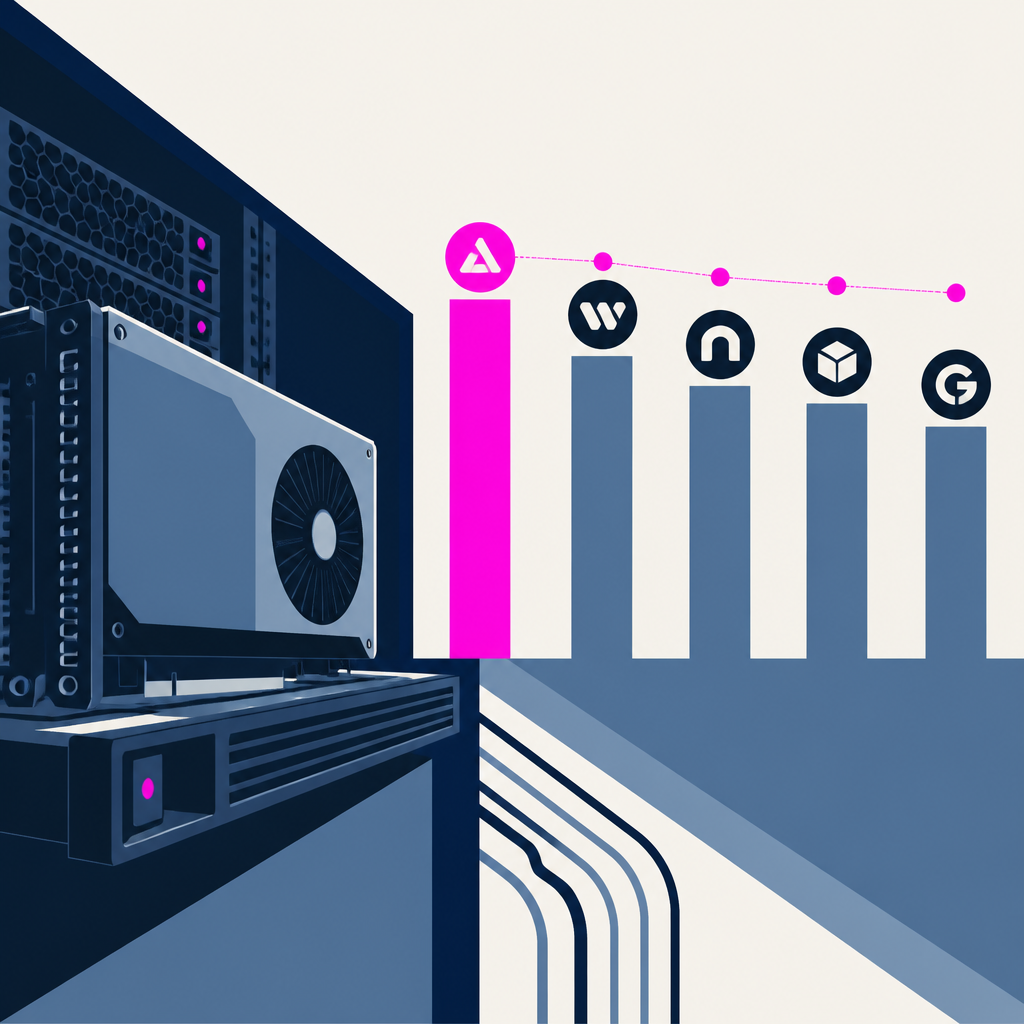
The article ranked CoreWeave, Nebius, Lambda, Crusoe, and Groq as GPU “neoclouds” by published pricing and contracted power. Lambda’s B200 on-demand rate is listed at $6.69 per GPU-hour as the lowest published figure. Buyers are given a side-by-side view of rate cards, contract structures, and hardware roadmaps (including CoreWeave’s Platinum SemiAnalysis tier), rather than treating the “neocloud” label as one uniform offering.
Tiangong Ultra and other Chinese humanoid robots outpaced Usain Bolt’s 100-meter mark at the World Humanoid Robot Games in Beijing. Tiangong Ultra ran 100 meters in 9.39 seconds. The event adds faster bipedal robot performance results for the 2025 edition, which includes 2,056 robots from 16 countries.
Session-indexer provides semantic search over a user’s Claude Code session history.
The page does not list any numbers or dates.
It changes access to past Claude Code work by letting you search the session history by meaning instead of only by browsing records.
MCP-Builder.ai is presented as a way to connect your data with AI tools. No specific technical features, dates, or pricing are provided in the article text—it's essentially just a discussion link. As a result, there’s not enough information here to say what changes in capabilities, costs, or workflows.
Creem launched CREEM 2.0 as a platform aimed at helping AI product builders sell software and digital products with built-in payments, taxes, affiliates, payouts, and usage billing. The launch is scheduled for today. This adds an all-in-one way to handle those back-office functions so selling and growing can be set up faster.
Sam Altman warned that AI control could consolidate in the hands of a few companies or people, leaving most others without a say in how AI affects society. He said his original timeline estimate was wrong after expecting that GPT-4 (in 2023) would drive disruption much more quickly. He now expects a slower, steadier transition as businesses adapt at a different pace than model releases.
Internalized Visual Thinking (IVT) is introduced as a post-training framework that learns visual reasoning from unlabeled videos without generating future frames at inference time. IVT cuts end-to-end latency by more than 5× versus Visual CoT. As a result, it improves over text-only post-training and matches or exceeds Visual CoT performance while keeping the same efficient inference pathway.
Every AI story that matters,
in your inbox by 8am.
TLDRocket reads all relevant sources, removes duplicate coverage, and summarises the
day in two minutes. Follow companies and topics for alerts, or get the
briefing in Slack. Free, no spam, unsubscribe anytime.
Reading TLDRocket needs no cookies, and the readership counts we rely on come from
our own cookieless analytics. Google Analytics is the exception: it sets cookies and
reports to Google, so it stays switched off until you allow it. You can change your
mind any time from “Cookie settings” in the footer.
Strictly necessary
Session security and form protection (tldrocket-session,
XSRF-TOKEN, 2 hours). The site cannot work without them,
so they need no consent.
Always on
Google Analytics 4 (_ga,
_ga_<id>, up to 2 years). Measures which
stories and sections readers use. Google acts as a third-party processor and may
store the data outside the EU. No advertising, no profiling, no data sold.