
FTC moves to make retailers disclose use of ‘personalized pricing’ as technology now enables broad consumer surveillance
Fortune Joshua Hong

FTC wants stores to say when your data helps set your price. It’s about making “personalized pricing” less creepy, not banning it.
Based on reporting by Fortune, Joshua Hong — read the original for the full story.
Summary, retelling and take written by AI under human oversight; images are AI-generated illustrations. How we work · Report an error
The FTC is trying to force retailers to be upfront when personal data helps decide what a shopper pays. The agency says it is taking public comment on an enforcement policy for what it calls personalized pricing: using customer data to guess how much an individual is willing to spend.
That matters because the FTC is warning companies that hiding that practice could run afoul of the FTC Act’s ban on unfair or deceptive conduct. Chairman Andrew Ferguson put it bluntly: when a price is listed, people assume it’s the same for everyone, not a number based on their own data.
The agency is not saying it can outlaw the practice across the board. It is saying businesses may be in trouble if they fail to tell consumers how personal data is being used to set prices. Public comments are open through Sept. 18.
This push sits on top of more than two years of FTC scrutiny around what it calls surveillance pricing. In July 2024, the agency ordered eight pricing-tech companies to explain how they use data such as location, demographics, credit history, browsing history and shopping history. Then in January 2025, the FTC said pricing intermediaries could also draw on precise location, browser history, shopping behavior and even mouse movements.
The stakes are higher because this isn’t happening in a vacuum. The FTC has also been looking at dynamic pricing, where prices move with supply, demand, inventory and competitor pricing. The agency’s own research says retailers can change prices just as often through e-commerce sites or electronic shelf labels, but consumers may not expect their web surfing or buying history to be part of the calculation. That tension gets sharper when grocery bills are already under pressure: in July, fruits and vegetables were up 5.1% year over year, nonalcoholic beverages 4.1%, and households in the lowest income quintile spent an average of $5,498 on food in 2024, or 33% of pretax income.
My take — AI-written commentary, not fact-checked reporting
This is the right fight. If a retailer is using surveillance-style data to shave a few bucks off your wallet, the least it can do is say so out loud. The bigger scandal isn’t personalization; it’s the polite fiction that every price tag is still playing fair.
Read more about this at: Fortune
Related stories
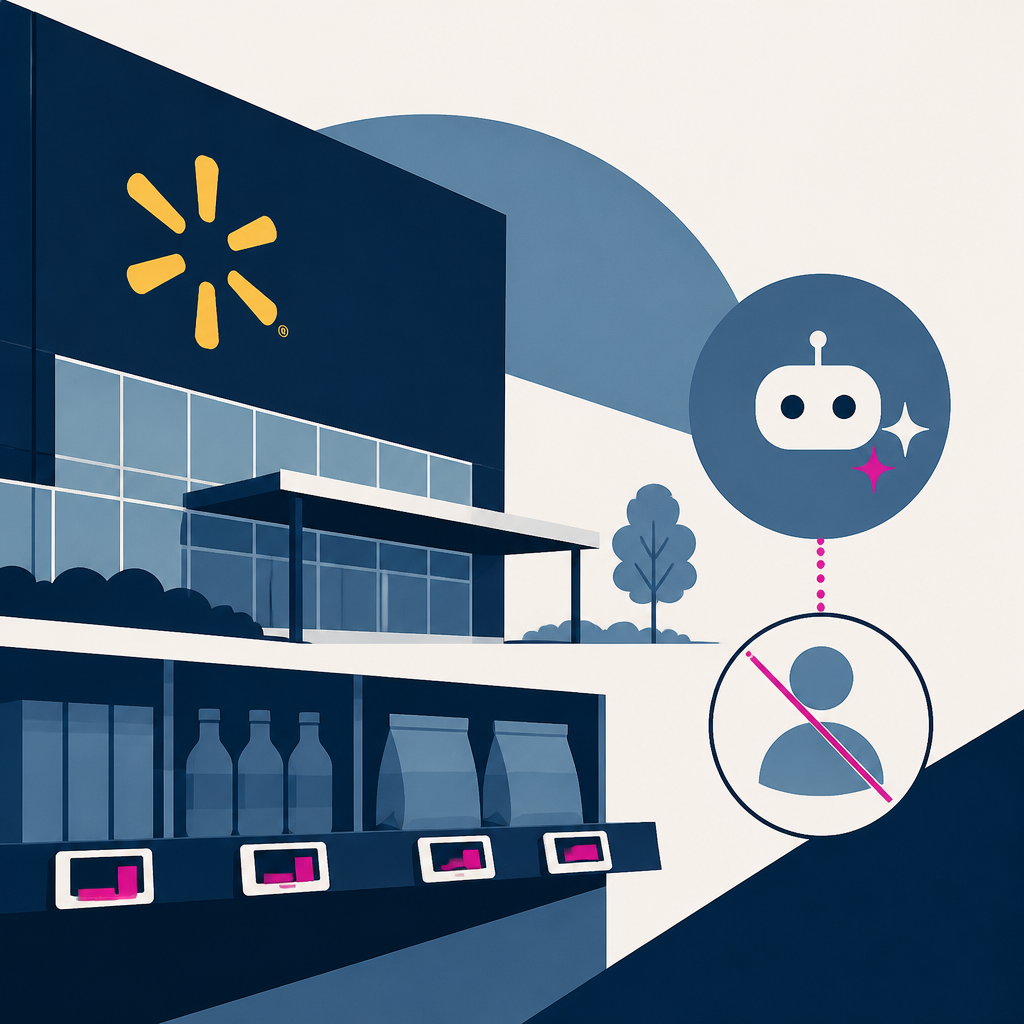 Walmart CEO says that the retail giant and its AI shopping assistant aren't using personal information to set prices amid rollout of digital labels
Fortune ·
31
FTC probe: report says it may compel executives to testify
New York Post · 2 weeks ago ·
23
Walmart CEO says that the retail giant and its AI shopping assistant aren't using personal information to set prices amid rollout of digital labels
Fortune ·
31
FTC probe: report says it may compel executives to testify
New York Post · 2 weeks ago ·
23