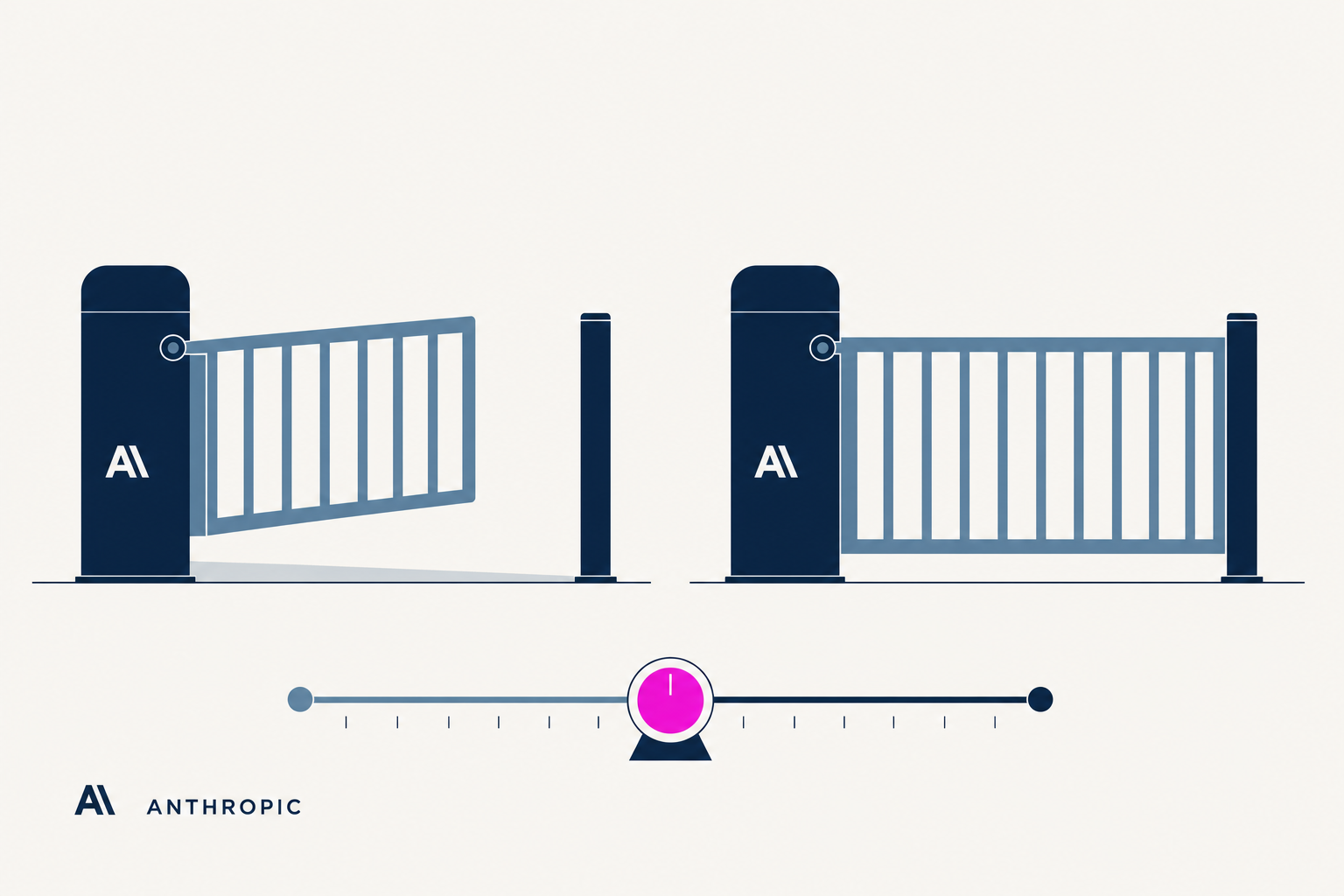
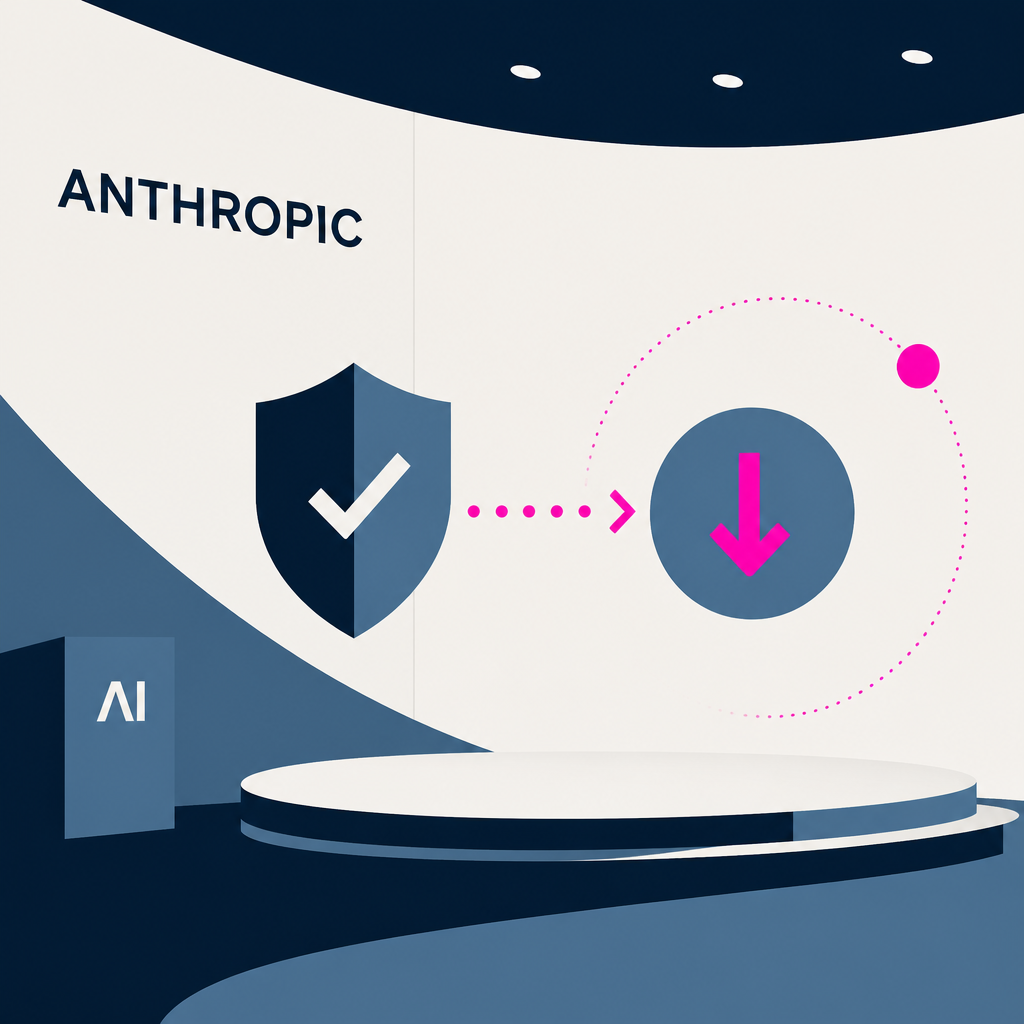
Anthropic has tightened the guardrails around Claude Fable 5, its safest variant, by refining how the model classifies biology queries. The updated system cuts false-positive blocks by roughly 85%, meaning users asking about lab results, disease symptoms, or educational biology questions will no longer get shunted to a weaker model mid-conversation. The company kept the hard blocks intact for genuinely risky terrain—dual-use research in virology, toxicology, and molecular design—but implemented a more precise classifier that distinguishes between a med student reviewing pathology and someone fishing for bioweapon instructions. It's a narrow but real fix: safety systems that over-protect hobble useful work, while under-protecting creates actual hazard. Anthropic's approach suggests the field is moving past binary allow/block thinking toward graduated access, where trusted researchers and healthcare workers get different thresholds than public users. The 85% reduction in false alarms isn't flashy, but it reflects a maturing understanding that safeguards need calibration, not just presence. This matters because every unnecessary block erodes trust in AI assistants for legitimate work; every missed risk erodes trust in safety itself. The company's decision to keep sensitive research gated pending "trusted access pathways" hints at future infrastructure for verified researcher credentials—the real infrastructure question that the industry hasn't solved at scale yet.