
OpenAI’s expensive smart speaker will use moving parts to seem “more alive”
Ars Technica Scharon Harding ● Covered by 5 sources
Rumor — unconfirmed reporting.
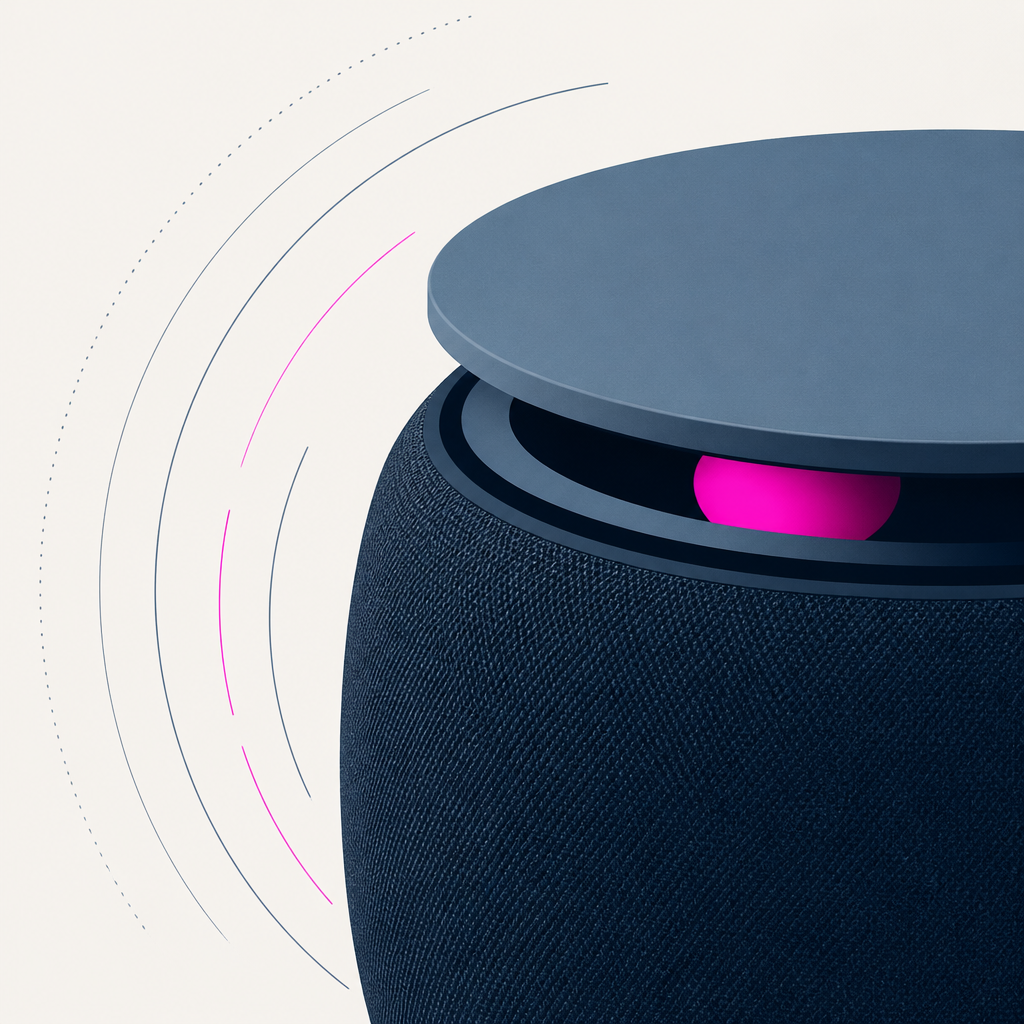
OpenAI is reportedly building a $300-$400 smart speaker meant to replace your phone, per Bloomberg sources. It's shaped like a doughnut, moves when it talks, and Jony Ive's studio designed it.
Based on reporting by Ars Technica, Scharon Harding — read the original for the full story.
Summary, retelling and take written by AI under human oversight; images are AI-generated illustrations. How we work · Report an error
Bloomberg's Mark Gurman has been tracking OpenAI's hardware ambitions since July, and the latest details paint a picture of something far stranger than a Echo clone. Sources tell him the device will run somewhere north of $300, with internal discussions reportedly floating a price as high as $400. That's not pocket change for a speaker, but OpenAI apparently isn't thinking of it as a speaker at all — Bloomberg says the company views this thing as a genuine smartphone replacement, not a kitchen counter gadget for checking the forecast.
The physical design is where things get odd. Picture a doughnut roughly the size of a hockey puck, built from what Bloomberg's sources describe as high-quality metal and other premium materials. OpenAI reportedly worked with LoveFrom, the design studio run by former Apple design chief Jony Ive, to get there. And the device won't just sit still. Parts of it will apparently move independently while it's responding to you, paired with lights that signal when it's listening — a deliberate attempt, per the report, to make the thing feel more alive than the static speakers currently sitting in millions of living rooms.
On the software side, the experience is described as similar to ChatGPT's voice mode on phones, just running on beefier models tuned for more humanlike back-and-forth. It'll reportedly handle smart home controls too, pushing further into the AI-first, task-completing territory that other speaker makers have been chasing rather than the old standbys of timers and trivia.
Then there's the Apple wrinkle, which is hard to ignore given who's designing the thing. Apple has sued OpenAI, alleging the company lifted trade secrets for its hardware work. Bloomberg reports that OpenAI ran its own internal investigation into the speaker after the lawsuit landed and concluded the design doesn't rely on any Apple intellectual property. OpenAI itself has declined to comment on any of this, so for now it's all secondhand — but the shape of the plan, quite literally, is starting to come into focus.
My take — AI-written commentary, not fact-checked reporting
A moving, glowing doughnut with Jony Ive's fingerprints on it and a price tag that rivals a decent phone is a bold swing for a company that has never shipped consumer hardware before. Calling it a smartphone replacement is the kind of claim that sounds visionary right up until people actually try to leave the house without their phone. The Apple lawsuit hanging over the design team is the real story here, and an internal probe clearing itself of wrongdoing isn't exactly the independent verification anyone should find reassuring.
Read more about this at: Ars Technica