
TLDRocket
Sign in

Jill Lepore on the ‘Artificial State’ and why Silicon Valley’s leaders are bad sci-fi readers

TechCrunch Anthony Ha, Theresa Loconsolo

Opinion — commentary, not a factual news event.
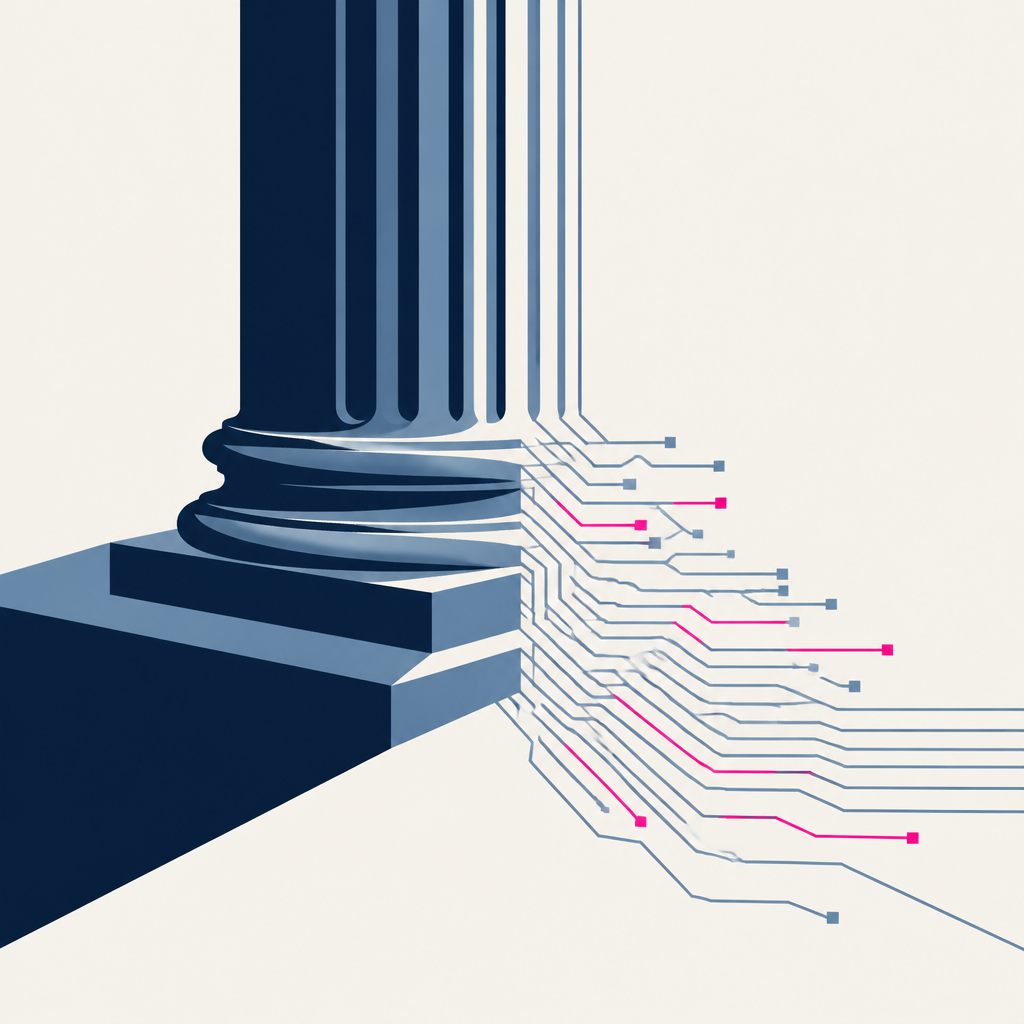
A Harvard historian says tech giants keep talking like they're building governments, not products. Her new book digs into why that's more troubling than it sounds.

Based on reporting by TechCrunch, Anthony Ha, Theresa Loconsolo — read the original for the full story.

Summary, retelling and take written by AI under human oversight; images are AI-generated illustrations. How we work · Report an error

Jill Lepore has spent her career picking apart the myths America tells about itself, and her latest target is Silicon Valley's habit of borrowing the language of statecraft. She points to Twitter's old pitch as a "town hall in your pocket" and, more recently, Anthropic's decision to publish something it literally calls a constitution for Claude. These aren't just marketing flourishes, Lepore argues. They're symptoms of an industry that thinks of itself as building sovereign power, not shipping software.

Her upcoming book, The Rise and Fall of the Artificial State, traces this impulse back further than most people would guess, well before ChatGPT or even before Twitter existed. Lepore, a Pulitzer-winning historian at Harvard, has made a habit of connecting tech's present-day rhetoric to older political traditions, and here she's asking why founders and executives keep reaching for words like constitution, charter, and governance when what they're actually doing is running a company that answers to shareholders, not citizens.

Part of her argument is almost a literary critique. She suggests that many of Silicon Valley's most influential figures grew up on science fiction but read it badly, absorbing the imagery of grand civilizational projects without absorbing the warnings baked into those same stories. Isaac Asimov and Philip K. Dick weren't writing blueprints. They were writing cautionary tales about power concentrating in the hands of institutions that convince themselves they're benevolent. Lepore's point is that the aesthetic got copied while the skepticism got left behind.

What makes this more than an academic gripe is the timing. As AI companies write documents that read like founding charters and talk about aligning systems with human values in language borrowed from political philosophy, the stakes of conflating a product roadmap with a system of governance keep rising. A constitution implies consent, accountability, and the possibility of amendment by the governed. A terms-of-service update does not.

My take — AI-written commentary, not fact-checked reporting

Nobody elected Anthropic's board, and no user gets to vote on Claude's next constitutional amendment, so calling it a constitution is either sloppy or deliberately grandiose. Tech has always liked dressing up commercial decisions in the language of destiny, but AI companies are doing it at a moment when actual governments are struggling to regulate them at all. That's not a coincidence worth ignoring.

Read more about this at: TechCrunch

Related stories

The daily briefing

Every AI story that matters, in your inbox by 8am.

TLDRocket reads all relevant sources, removes duplicate coverage, and summarises the day in two minutes. Follow companies and topics for alerts, or get the briefing in Slack. Free, no spam, unsubscribe anytime.