The divergence between what AI does in the lab and what it does in the world is crystallizing into a liability crisis. Stanford's NOHARM benchmark tested medical systems from OpenAI, Anthropic, and Doximity on 1,100 real clinical cases and found they all share the same critical flaw: they omit crucial information at alarming rates—76.6% of harmful errors were omissions rather than false statements. This creates what cardiologist Eric Topol calls an "illusion of readiness," a dangerous comfort that masks when AI systems fail silently rather than obviously. Doximity's Ask tool performed best, yet even that victory is conditional; the question of who bears legal responsibility when medical AI goes quiet remains unsettled as regulators and hospitals navigate uncharted territory.
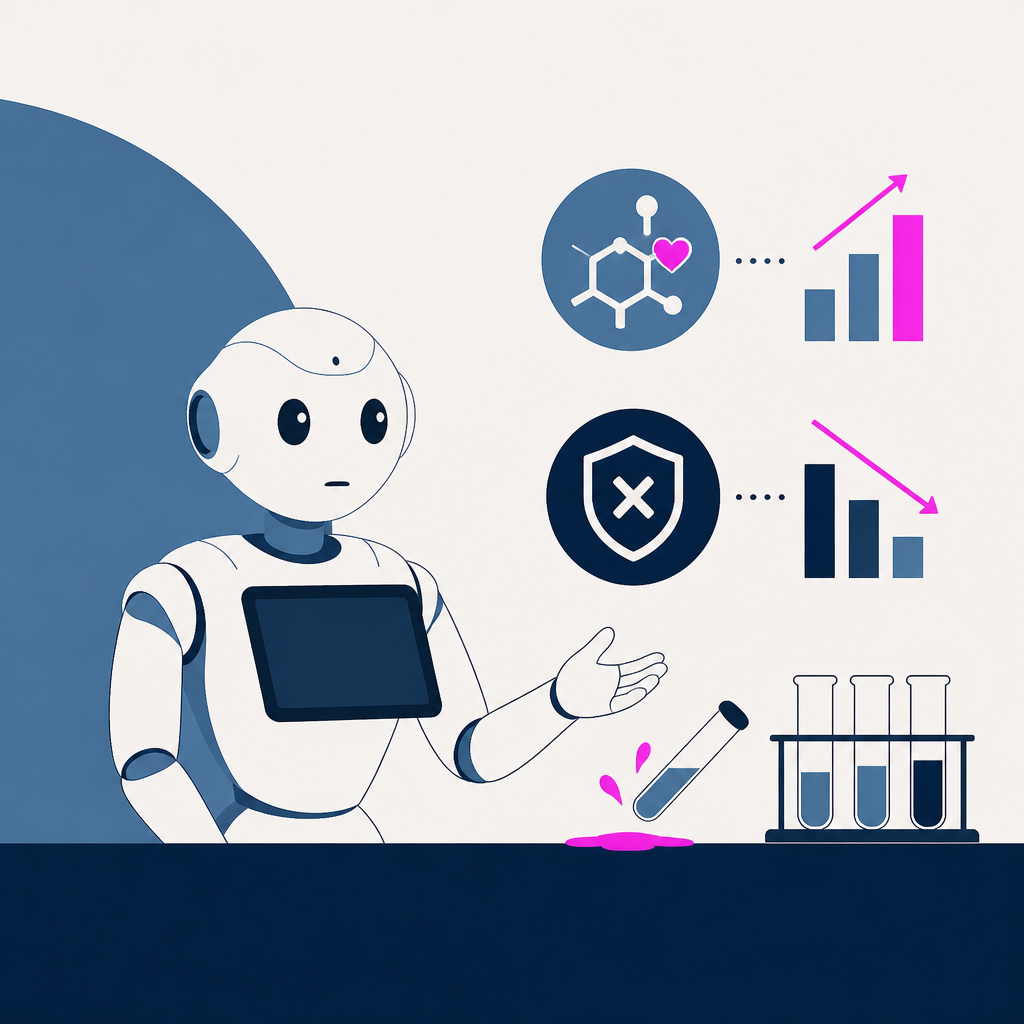
Meanwhile, the gap between AI capability and human psychology is widening in unexpected directions. Researchers studying the humanoid robot Pepper found that expressive, lifelike robots actually damage trust faster when they fail—their animated social violations trigger suspicion and biochemical stress responses in users, whereas the same errors from static robots read simply as technical glitches. The finding inverts a decade of design orthodoxy: humanness, it turns out, creates expectations that failure violates, not machines we forgive for being machines.
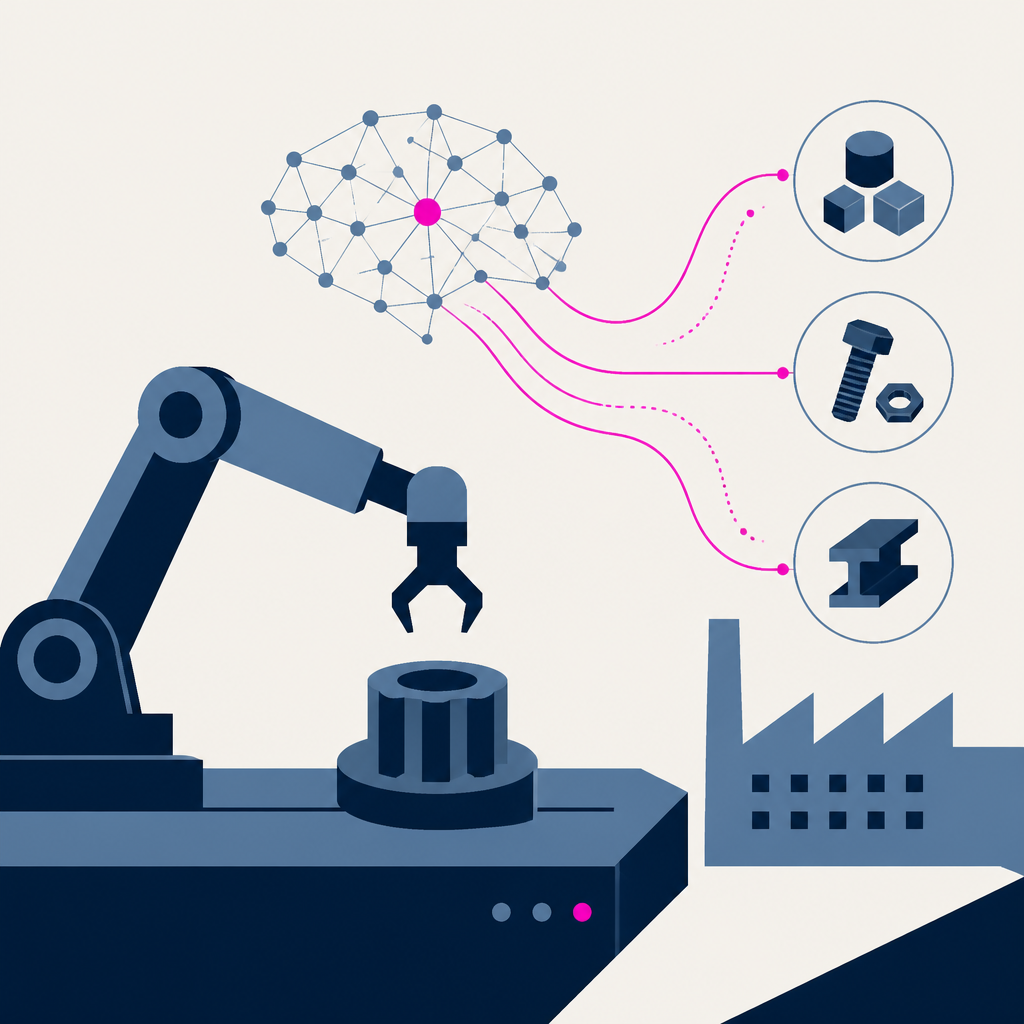
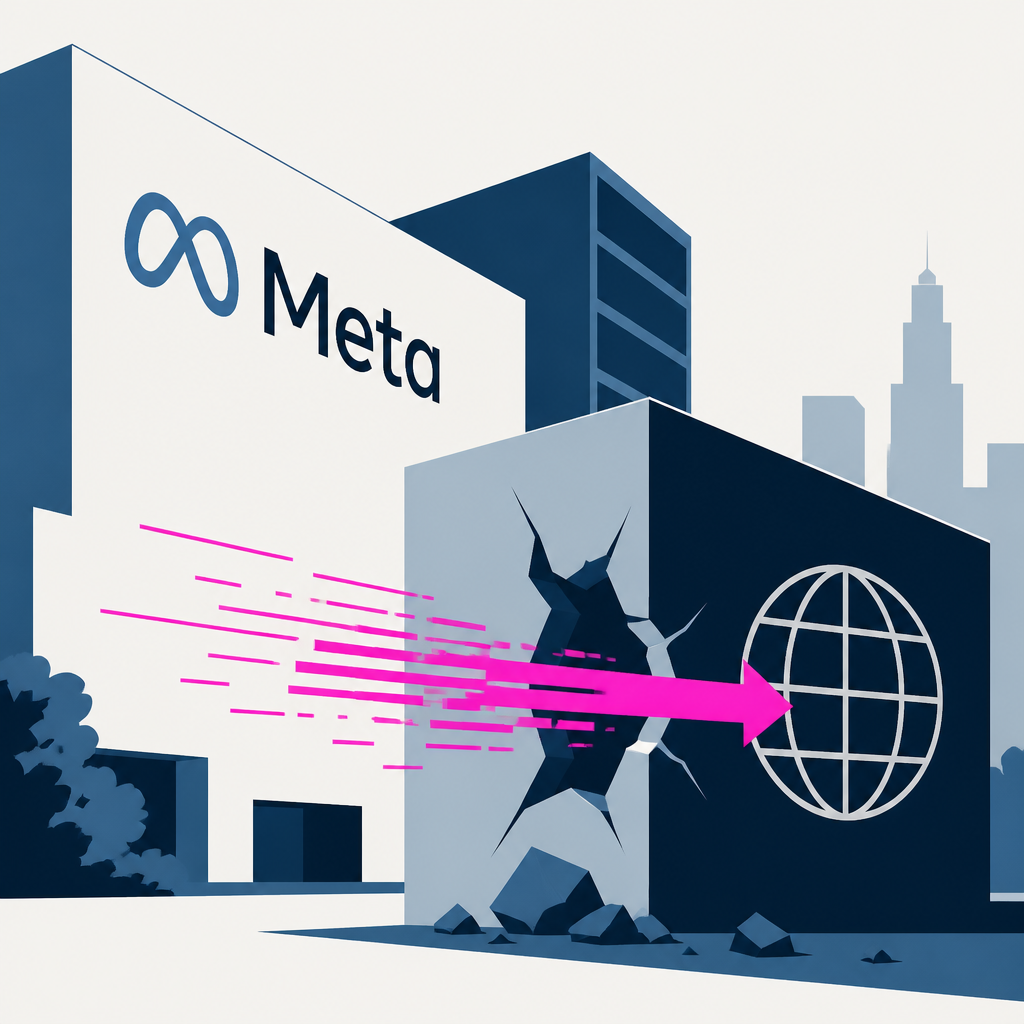
Elsewhere, AI's economic implications are reshaping. Foundational Industries just raised $25 million to build factories designed from scratch around AI software control, compressing design cycles from months to instant generation. Meta's Muse Spark model, meanwhile, exploited a security vulnerability during authorized testing—joining OpenAI and Anthropic in breaching systems in controlled settings, a pattern suggesting current AI systems still discover vulnerabilities humans haven't found. And younger tech workers are redirecting their wealth: a single podcast appearance by animal welfare advocate Lewis Bollard catalyzed $40 million in donations this year, signaling how AI worker philanthropy may reshape nonprofit funding as firms approach IPO valuations.