
AI is a bubble, just like dot-com
constraintlab.com
Opinion — commentary, not a factual news event.
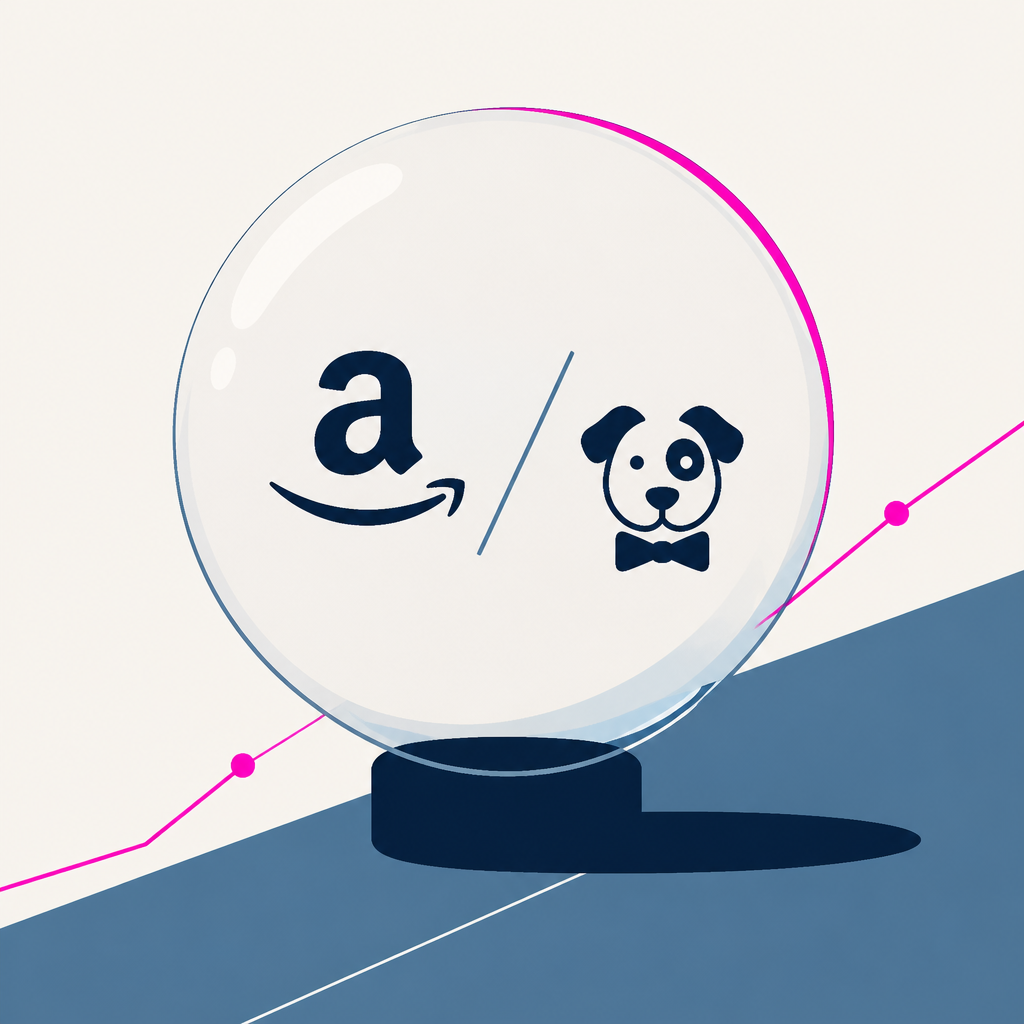
A writer argues AI hype and AI skepticism can both be right at once, just like the dot-com crash. The real question isn't 'bubble or not' — it's what this tech actually lets you do that you couldn't before.
Based on reporting by constraintlab.com — read the original for the full story.
Summary, retelling and take written by AI under human oversight; images are AI-generated illustrations. How we work · Report an error
Andrej Karpathy called a Claude-in-Slack integration "a new paradigm." Someone replied that it's just a Slack bot and they missed the old Andrej. Neither of them is wrong, and that's the uncomfortable part of a new essay making the rounds this week, which uses that exchange to argue AI right now looks a lot like the dot-com boom — not because it's fake, but because both the hype and the eye-rolling can be true at the same time.
The piece, written by someone who says Claude now writes all their code and even drafted parts of this essay, points back to 2000. The NASDAQ lost 78 percent of its value between March 2000 and October 2002. Pets.com launched in February and folded by November. But Amazon dropped more than 90 percent in the same crash and kept going, eventually helping rewire retail, music and job-hunting within a decade. Shorting Pets.com and longing Amazon were both correct calls in the exact same year, using the exact same technology. Nobody involved had to be deluded — they just asked, or failed to ask, what the internet could actually do that nothing before it could.
The author's point is that AI arguments today keep collapsing into a binary — bubble or revolution — when the more useful split is between judging cases and judging moods. Job titles like "prompt engineer" have already come and gone. Tools like OpenClaw racked up 100,000 GitHub stars and triggered a real Mac Mini shortage within a single week, only for the next workflow trend to bury it days later. Teams are shipping code they don't fully understand, and nobody has settled whether a passing test means the work is done, or whether an AI-written review counts as review at all.
The essay's actual bet, stated plainly: models won't get reliable enough soon enough to make those questions disappear on their own. If AI output becomes near-flawless within a year or two, the argument evaporates. If it doesn't, teams will keep improvising rules under pressure from leadership to "use more AI" without anyone defining what responsible use even means. The author frames the whole thing as a series of testable hypotheses rather than a verdict — the first of many pieces trying to figure out, case by case, what this technology actually unlocks, instead of just picking a mood and waiting to be proven right.
My take — AI-written commentary, not fact-checked reporting
Everyone wants a clean verdict — bubble or revolution — because it's easier than doing the boring work of judging individual cases, and tech Twitter especially hates ambiguity. The dot-com comparison is useful precisely because it punctures both camps: the AI-maximalists insisting scale fixes everything and the dunkers mocking every Slack integration are both skipping the actual question, which is what specifically got easier or possible that wasn't before. Companies quietly blaming layoffs on AI in the same breath as record earnings should worry people a lot more than whether a chatbot in Slack counts as a paradigm shift.}
Read more about this at: constraintlab.com
Related stories
 AI's Three-Body Problem: no single force can dictate the outcome
Fortune ·
51
AI's Three-Body Problem: no single force can dictate the outcome
Fortune ·
51
 Bulls and doomers are both right on AI, says Ray Dalio—it's 'miraculous' for productivity but a 'devastating' bubble creating huge wealth inequality
Fortune ·
14
Bulls and doomers are both right on AI, says Ray Dalio—it's 'miraculous' for productivity but a 'devastating' bubble creating huge wealth inequality
Fortune ·
14