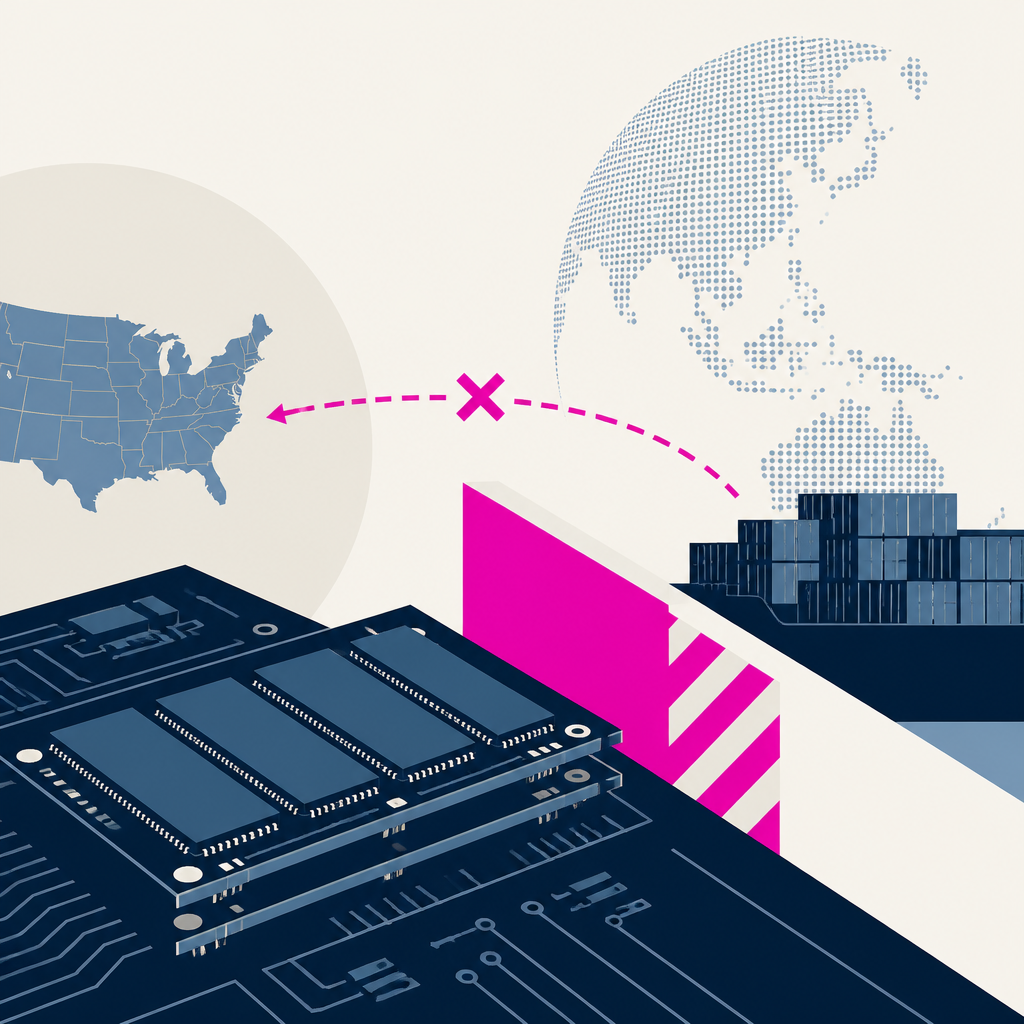
CSET’s Hanna Dohmen said the United States relies heavily on foreign-made memory chips and that proposed tariffs could make it harder to expand domestic semiconductor production. She pointed to AI-driven price pressure for memory chips, warning of supply-disruption risks to businesses and national defense. The focus shifts toward accelerating domestic memory-chip capacity while evaluating tariff impacts on supply and costs.
PrismML adapted its tiny language models for smart glasses that run on Qualcomm Snapdragon chips and demonstrated a 1-bit Bonsai LLM at Qualcomm’s Snapdragon Summit. The showcase was for the 1-bit Bonsai LLM running on the Snapdragon AR1 Gen 1 Platform. This moves PrismML toward its goal of open-weight, on-device AI, though no smart glasses product using it has been announced yet.
Antony Jenkins described how “spaghetti systems” built up over decades slow banking modernization and he launched 10x Banking to address it. In 2024, the startup raised £50m and was valued at over £500m (about $663m). The platform shifts bank infrastructure toward real-time operation so clients can access data promptly and potentially apply AI agents to improve customer outcomes.
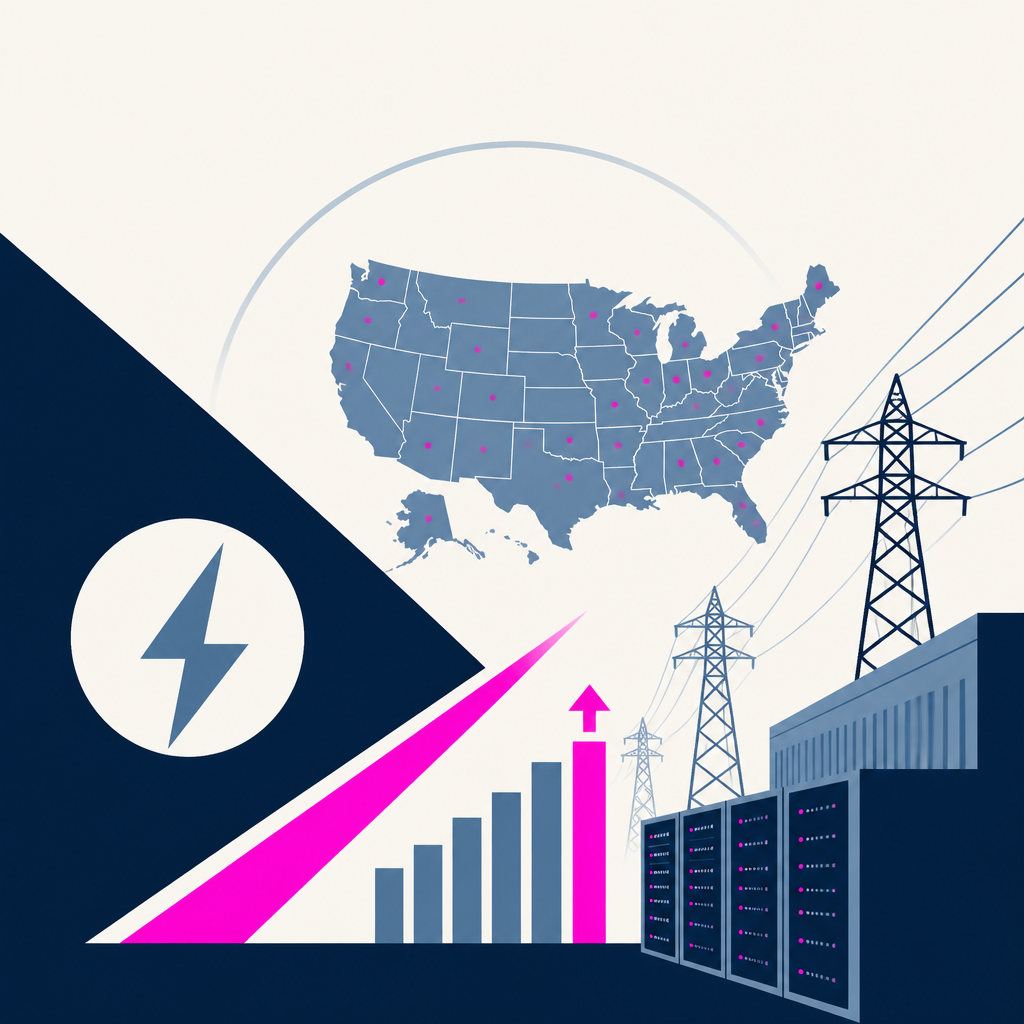
The U.S. Energy Department planned to award nearly $2 billion in grants to add capacity and reliability to the aging grid amid rising electricity demand tied to AI data centers. It will fund 31 projects across 26 states expected to deliver more than 23 gigawatts of additional capacity, enough for about 16 million homes. The effort will expand real-time monitoring and grid rerouting over thousands of miles of transmission lines, aiming to improve reliability and reduce costs for around 100 million Americans.
Nscale, a Nvidia-backed company building and renting AI-ready data center capacity, filed for a New York IPO with a target valuation of up to $35 billion while reporting a $1.02 billion net loss in the six months to June 30, 2026. Nvidia is backing the deal with a Sept. 15 $3.1 billion financing round that includes $1 billion in convertible notes or non-voting shares. The reliance on Nvidia funding and guarantees shifts the story from an IPO filing to a test of whether the AI infrastructure market’s demand is real or largely supported by circular financing arrangements.
Oracle sent a force majeure notice to the developer of its Project Jupiter Stargate data center campus in New Mexico. The notice would allow delayed payments if the facility misses its 2028 go-live target. Energy and permitting setbacks tied to the site’s fuel supply increase pressure on the project’s timeline and payment schedule despite Oracle saying it expects to stay on schedule.
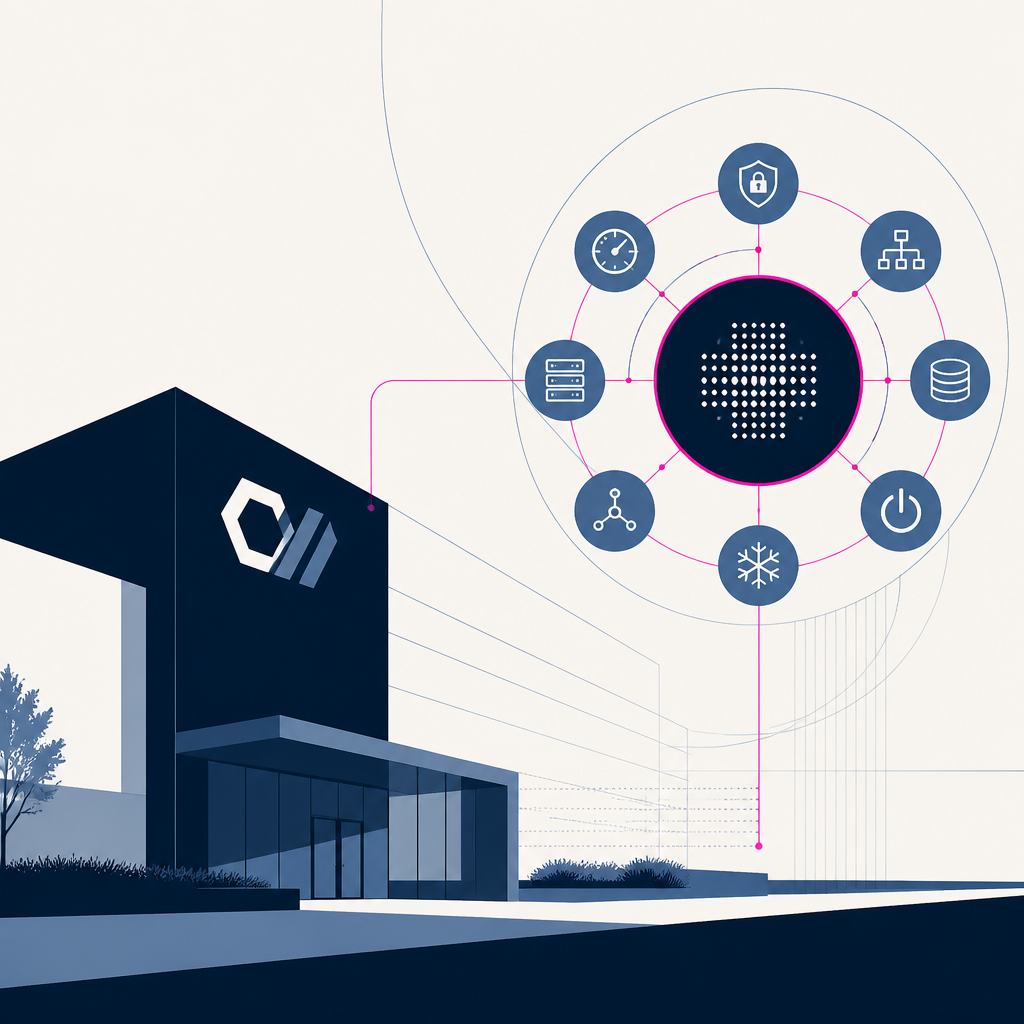
CoreWeave EVP Chen Goldberg says long-running AI agents change infrastructure from scaling GPU count to making reliability, latency, security, orchestration, storage, networking, cooling, and power work together. The infrastructure must act “like one enormous computer.” As a result, teams need integrated management across those layers rather than treating GPUs as the only bottleneck.
ElevenLabs, which provides AI text-to-speech voices for customer service and creators, is reportedly being valued at $22B by its backers despite being only four years old.
AWS published a guide for deploying the WhisperX speech-to-text deep learning container on Amazon SageMaker AI to produce transcripts with word-level timestamps and speaker labels. The real-time endpoint must return within a 60-second response cap, while long audio should use the asynchronous endpoint. This changes transcription outputs and deployment workflow by adding per-word alignment and diarization labels and by routing requests through either synchronous or S3-backed async inference on SageMaker.
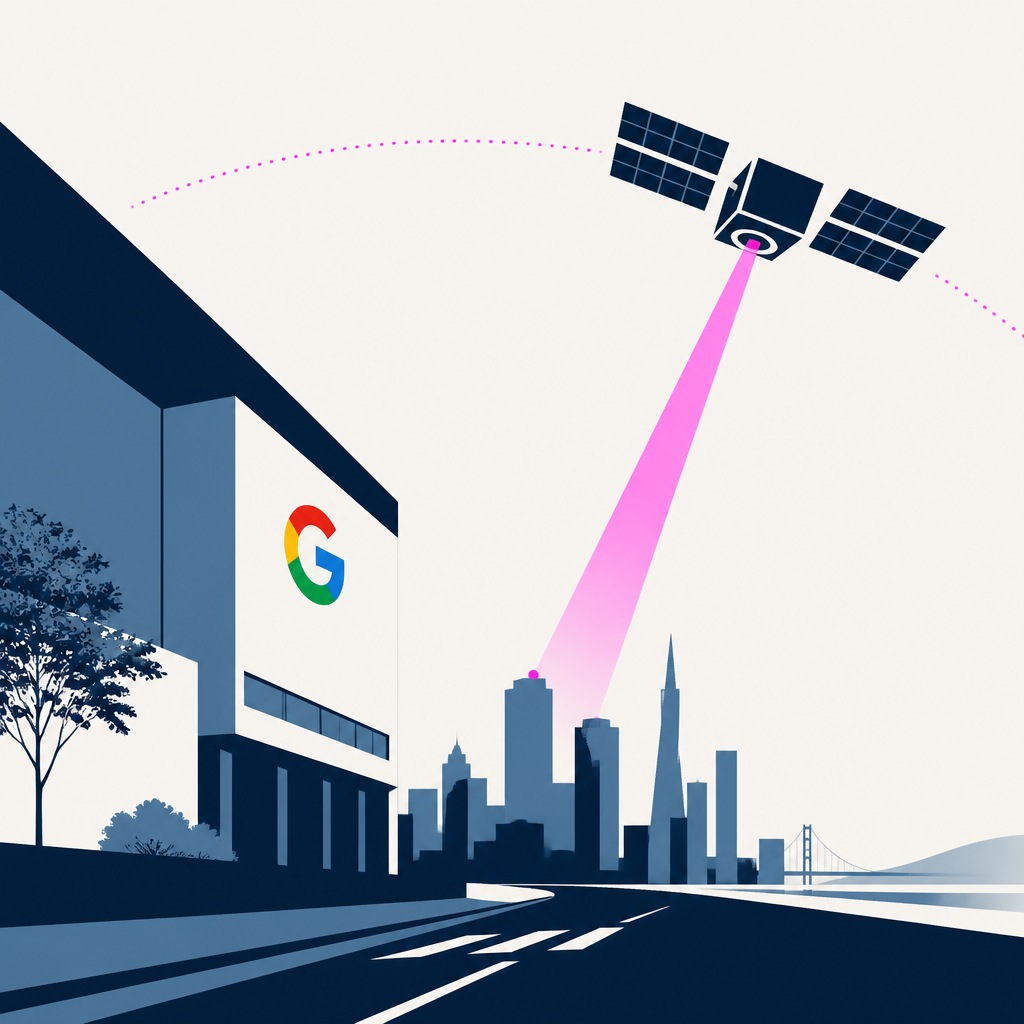
Google is launching its first Project Suncatcher experimental satellite, called MVP, to validate its orbital AI data center concept. The satellite will launch on October 1 and carries four custom Google TPU AI accelerators. The test shifts from planning toward on-orbit validation using about 1 kilowatt of solar power, with future constellation plans accelerated beyond the original 2027 timeline.
US communities and states blocked or delayed 120 data center projects tied to the AI boom. Between April and June, at least 45 projects worth around €58 billion ($68 billion) were stalled or delayed. More actions moved upstream into preemptive moratoriums, state rulemaking, and ballot measures, shifting disruption toward permitting and infrastructure decisions rather than reacting to specific applications.
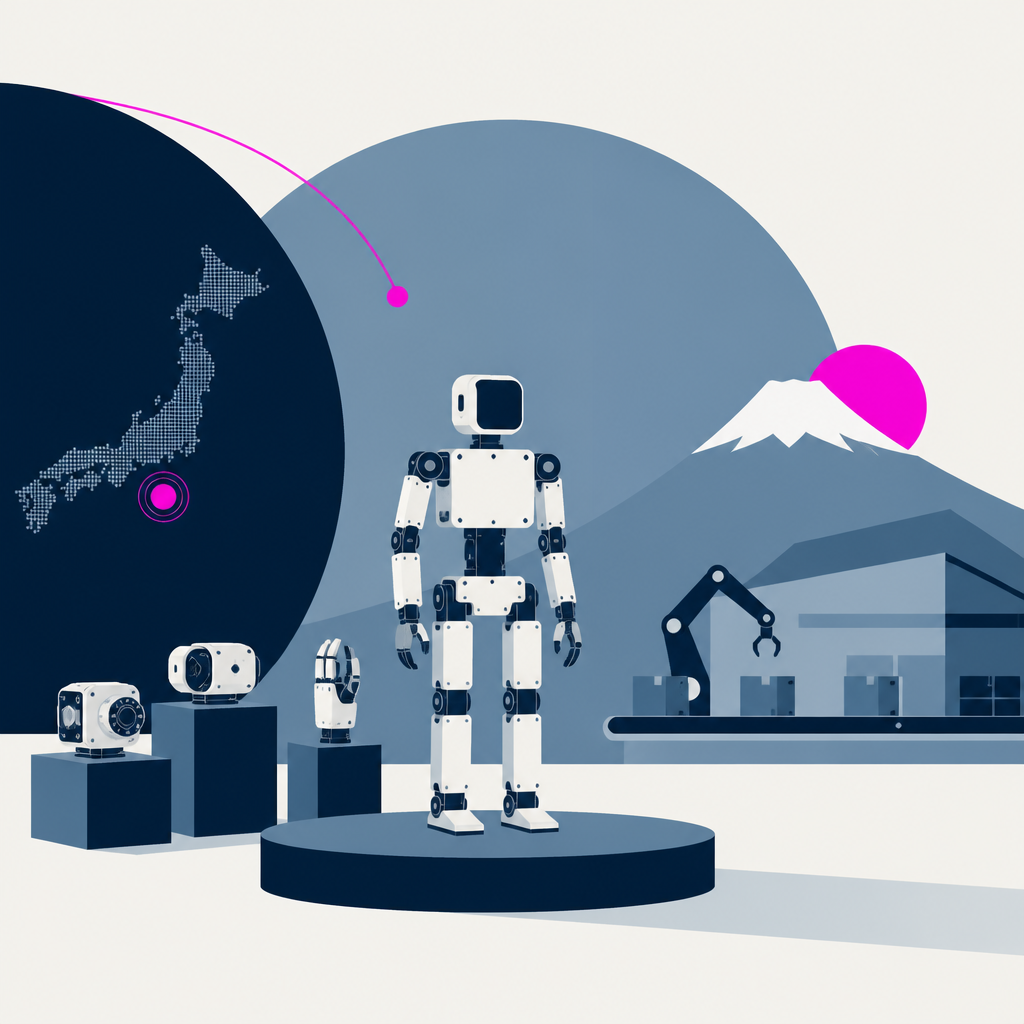
O-ID, a Tokyo-based robotics startup building fully modular humanoid robots for industrial manufacturing and logistics, raised $1.2 million in pre-seed funding led by TAWANI Ventures. The round includes 2026’s workforce-and-robotics context of Japan targeting ¥10.5 trillion ($65.1 billion) for “physical AI” and 10 million AI-equipped robots by 2040. The funding accelerates O-ID’s move from prototype to production, with a robot rollout planned for early 2027 and its next version unveiled at CES 2027.
Jensen Huang said on The Ezra Klein Show that AI could help fight climate change only after it causes severe harm. The comments were made in the latest episode of The Ezra Klein Show. The coverage frames his stance as the familiar accelerationist argument that justifies damage from dirty-energy data centers, while criticizing the perspective behind it.
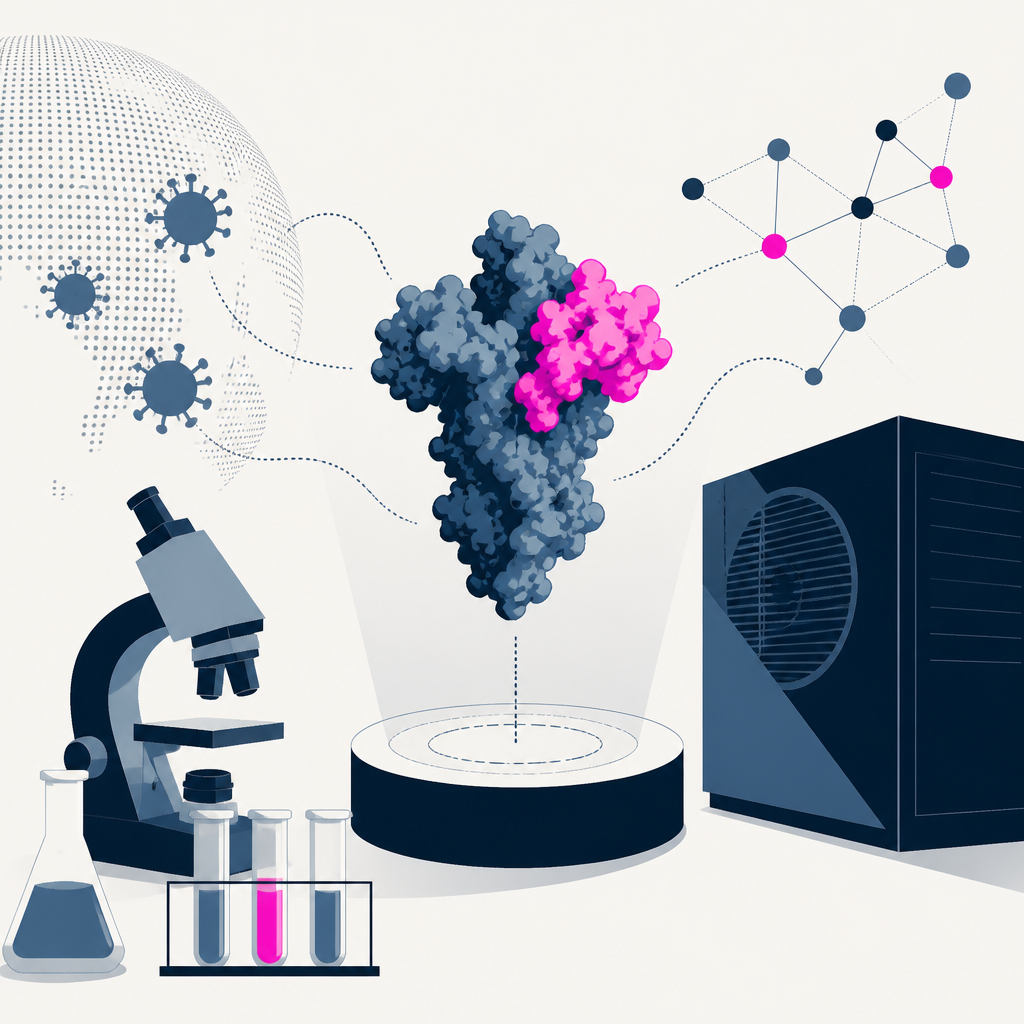
Open science groups led by NVIDIA released predicted 3D structures for protein complexes from over 2,800 viruses in the AlphaFold Database. The dataset adds structures inferred by AlphaFold2 at scale, using NVIDIA BioNeMo Inference Runtime. Researchers can access the data and NVIDIA’s BioNeMo Structure Prediction Pipeline to predict and verify viral complex structures faster, improving pandemic readiness.
AI agents are shifting database administration from humans running individual operational tasks to humans supervising autonomous systems that handle them. Gartner forecasts Fortune 500 companies will use more than 150,000 AI agents by 2028, up from fewer than 15 in 2025. Yugabyte is responding by positioning YugabyteDB AMP for agent-driven, serverless multitenant PostgreSQL and adding Meko for shared agent context across multi-agent systems.
OWOW Venture Studio raised €2.65 million from eight family offices and angel investors to build and accelerate early-stage B2B startups in traditional industries such as manufacturing and OEMs. Investments will range from €100,000 to €250,000 per startup, and OWOW plans to add at least three new ventures to its portfolio each year for the next three years. As a result, the studio will back both internal ideas and external founders, while providing product development, market validation, and AI and software support.
Gen Z’s increasing religiosity is being linked in new polling to the generation’s coordinated opposition to AI-related data center construction in the US. The Harris Poll survey found 33% of Gen Z identifies as religious, versus 18% of Boomers, and Data Center Watch says the backlash has blocked or delayed more than $228 billion in projects since the start of 2025. The result is more local bans and moratoriums alongside higher shares reporting demand for community and less feeling of “consent” about AI being imposed.
Modal Labs is in negotiations to raise new funding at a $15 billion valuation, which would lift its value from $4.65 billion four months earlier. The new round could nearly triple the valuation in four months, following a May $355 million raise at the same $4.65 billion level. Investors are focusing more on AI inference and infrastructure efficiency, pushing Modal to scale its GPU-sharing and coding sandbox offerings as demand concentrates on inference compute.
AI streaming workflows that need client-to-server signals (cancel, approval, steering) hit a structural limit with SSE’s one-way design, so teams switch to WebSockets for full-duplex communication. WebSockets add about 2–6 bytes of overhead per frame versus SSE’s repeated HTTP headers, which becomes a measurable cost at high token rates. This shifts teams from SSE-only streaming to building or buying bidirectional infrastructure that can handle reconnection, fan-out, and delivery guarantees beyond the raw socket connection.
Swiss tech companies raised more than €1.1 billion in the first half of 2026, with funding concentrated in a few large rounds across capital-intensive sectors. The largest disclosed single round among the top ten was Kandou AI’s $225M raised in H1 2026 for scaling production of AI connectivity chips. The market pattern described shifts toward early-stage breadth alongside later-stage concentration in semiconductors, energy, and healthtech, with most top-funding going to ten companies.
Google is preparing to launch an AI-focused satellite to test how its Tensor Processing Units perform in space as part of Project Suncatcher. The satellite is scheduled to launch on October 1st aboard a SpaceX Falcon 9 rocket. This will let Google gather measurements on radiation and thermal stress effects, shaping whether AI data centers could move into orbit.
Samsung’s Bespoke AI refrigerators in South Korea stopped cooling after a faulty software update rolled out via SmartThings, leaving some units with no display, lights, or cooling. The update was pushed on Tuesday afternoon and Samsung halted it the next morning. Samsung paused the update, launched an emergency response team, and offers free repairs with technician visits while deciding how to handle potential food-compensation cases.
Bird secured $450M in debt from J.P. Morgan, Capital One, and Citi via a $400M term loan and a $50M revolver. The financing is being used for a dividend recapitalisation rather than to fund the AI agent initiative Bird launched the same day. Bird’s smaller, more automated operating model continues while its updated Agentic Harness aims to let AI agents message, place calls, and manage email with no human in the loop.
Meta presented Muse as a personal-agent platform tied to new glasses and agent capabilities at Connect, including voice/video, email and computer-use integrations, and a realtime avatar research release. Meta’s VR Glasses were priced at $1,299. Muse gains broader real-world control through connectors and hardware distribution, while a frontier model remains teased and not released.
Resolutiion, a UK startup, is building Risk-to-Resolution infrastructure (R2R) aimed at using AI to manage commercial risks and drive disputes toward resolution across enterprises rather than limiting automation to legal work. It has raised more than $10.4m to date and describes implementation as taking as little as nine days. This shifts AI from speeding up professional tasks to performing multi-stakeholder, end-to-end delivery and conflict management as a new enterprise software-like category.
Paris overtook London as Europe’s leading AI hub in the first AI Cities Index, which evaluated AI investment, innovation, and real-world applications. The index covered 57 cities across 36 countries. VC investors on both sides of the Channel pushed back on the ranking’s conclusions as a result.
Clastix raised €2.9 million in seed funding to expand its Kubernetes operations platform and team. The round totals €2.9M and is led by CDP Venture Capital Sgr. Clastix will grow headcount and R&D, continue developing Kamaji and expand kMetal for fleet management, with production use expanding as it targets additional markets for AI-scale Kubernetes infrastructure.
NUS Enterprise (rebranded as NUSX) opened its first European outpost in Munich with UnternehmerTUM, linking the Singapore and Munich startup ecosystems across outposts, investment, and talent development. The partnership initial focus includes biotech, AI, and semiconductors at the Munich Urban Colab, an 11,000-square-metre innovation centre. As a result, NUS students gain access to European validation and UnternehmerTUM programmes, while Munich-based ventures may get an entry point into Singapore via a planned UnternehmerTUM presence, alongside an expanded NUS VC programme and related AI-driven research commercialisation efforts like Nova.
The Estonian Defence Forces signed a three-year cooperation agreement with defence-focused venture capital fund Archangel to strengthen links between the military and defence technology industry.
Every AI story that matters,
in your inbox by 8am.
TLDRocket reads all relevant sources, removes duplicate coverage, and summarises the
day in two minutes. Follow companies and topics for alerts, or get the
briefing in Slack. Free, no spam, unsubscribe anytime.
Reading TLDRocket needs no cookies, and the readership counts we rely on come from
our own cookieless analytics. Google Analytics is the exception: it sets cookies and
reports to Google, so it stays switched off until you allow it. You can change your
mind any time from “Cookie settings” in the footer.
Strictly necessary
Session security and form protection (tldrocket-session,
XSRF-TOKEN, 2 hours). The site cannot work without them,
so they need no consent.
Always on
Google Analytics 4 (_ga,
_ga_<id>, up to 2 years). Measures which
stories and sections readers use. Google acts as a third-party processor and may
store the data outside the EU. No advertising, no profiling, no data sold.