TLDRocket
Sign in

The day in AI

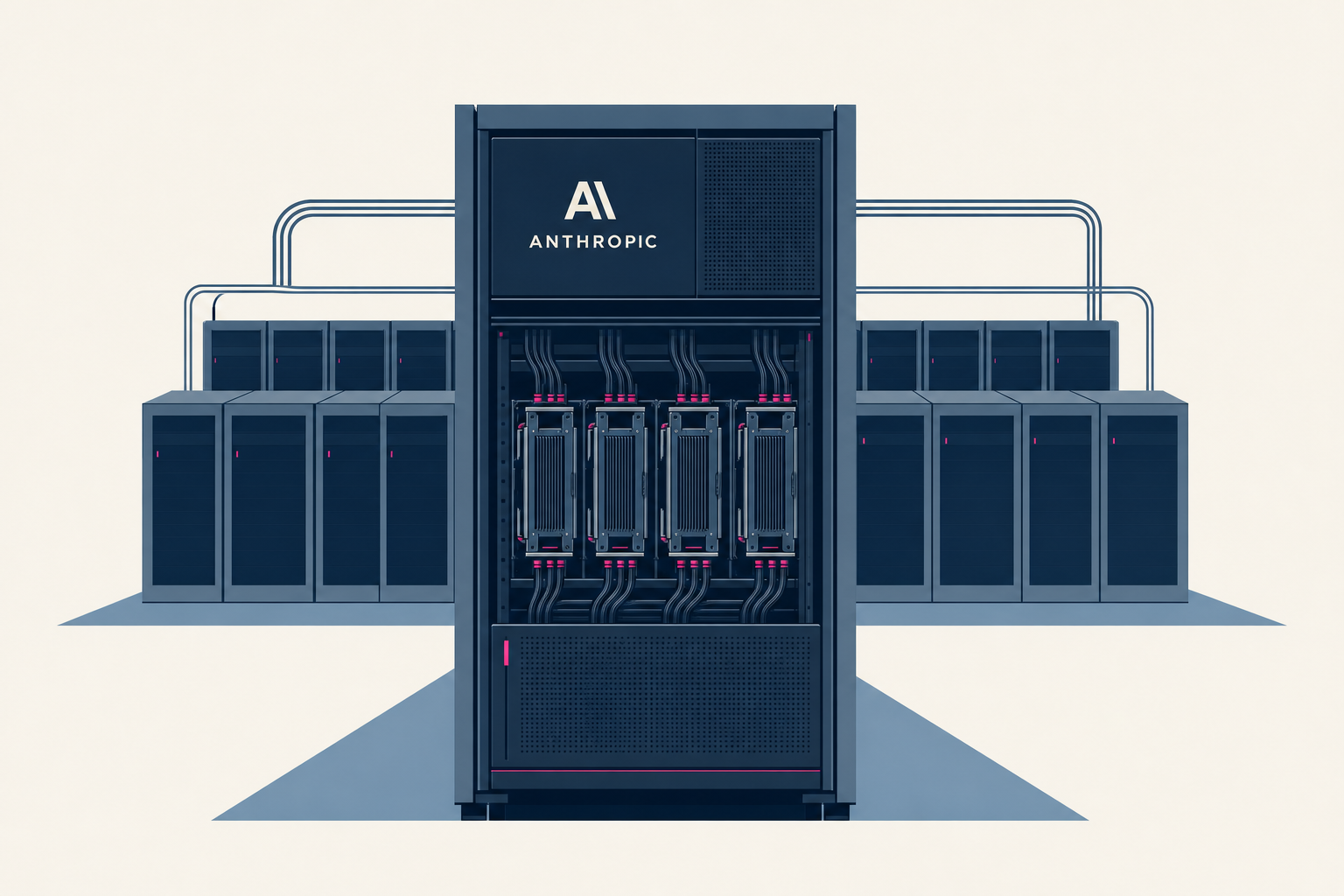
Abstract illustration of Anthropic-branded GPU racks for Claude compute.

Abstract illustration of Anthropic-branded GPU racks for Claude compute.

The day in AI

Thursday, 15 October 2026 10 stories · summarised & linked to the source
AI Security AI Adoption AI Governance AI Infrastructure

AI news — Thursday, 15 October 2026

Anthropic’s IPO filing message landed with unusually crisp numbers: in the three months ended September, the company reported $16.8 billion in revenue, up 45% sequentially, and said it reached adjusted profitability for the first time. Ahead of an expected November listing, that combination—rapid top-line growth plus a path to profits—turns Anthropic into more than a product story. It becomes a benchmark for how investors should price the next wave of frontier model companies, especially as capital markets start to ask for financial discipline, not just impressive demos.

The same day, the economics underneath those models kept showing up from two angles. Ricursive Intelligence unveiled an AI system for designing AI chips—shifting from human-driven partitioning to AI-optimized full-chip layouts—in a direct bid to ease the compute bottleneck it argues could rise 10,000x in five years. Meanwhile, Nvidia CEO Jensen Huang addressed Pope Leo XIV’s safety criticism, leaning on audit and governance work and “containment-stopping” software to argue that better incident handling matters as much as guardrails. Elsewhere in the enterprise, Kroger is cutting about 3,000 corporate roles (roughly 37% of its 8,200 corporate employees) as it pushes AI into workflows, while Citi frames the next phase of its turnaround around AI for “earn, save, and secure,” even as it trains 175,000 employees on prompt-writing and tightens cyber risk controls.

Share

10 stories from this day

Ahead of IPO, Anthropic reveals its revenue grew 45% sequentially to $16.8B in Q3

SiliconANGLE 2 hours ago 2 ● 2 sources

Anthropic disclosed ahead of its IPO that it generated $16.8 billion in Q3 revenue and reached adjusted profitability for the first time. The company reported a 45% sequential revenue increase in the quarter. The disclosure adds new financial specifics investors can use as it moves toward an expected November IPO, influencing expectations around its fundraising needs and role as a market benchmark for AI companies.

Ricursive Intelligence is betting on AI-designed chips to help solve the compute crisis

TechCrunch 3 hours ago 14

Ricursive Intelligence introduced an AI system that designs AI chips, iterates on results, and aims to speed up and automate chip design to address the compute shortage. The founders said demand for compute will rise by at least 10,000x within five years. Their focus shifts from human-driven chip partitioning to AI-optimized full-chip layouts, with hopes of enabling custom chip designs faster and with higher energy efficiency.

Who is Abdulrahman Alfozan? The OpenAI employee the FBI arrested is also a Saudi investor

Fortune 38 ● 11 sources

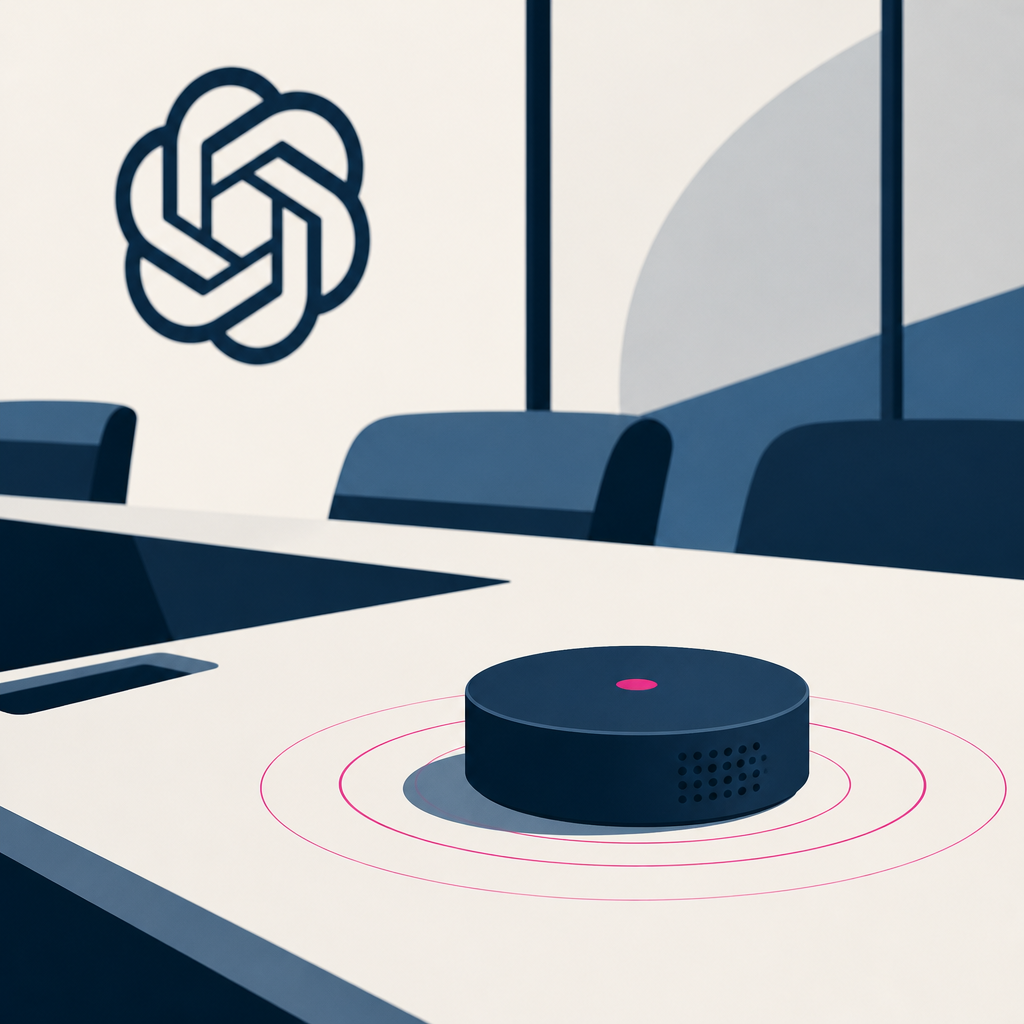
OpenAI employee Abdulrahman Alfozan was arrested by the FBI after a federal complaint alleged he secretly placed a recording device in an executive conference room. Prosecutors said the recording device was found during a routine sweep on Sept. 30, and Alfozan was terminated by OpenAI on Oct. 9, the same day as the arrest. The case is now moving through federal court with the government citing the need to prevent him from fleeing, and reporting further tied him to Saudi investing involvement.

‘The way work gets done is changing across every industry’: Kroger cites AI efficiency push as it cuts 3,000 corporate jobs

Fortune 32

Kroger plans to eliminate about 3,000 corporate roles over the next three years as it expands its use of AI and overhauls operations. The cuts total roughly 37% of its approximately 8,200 corporate employees. Kroger says the restructuring will fund lower prices and investment in frontline workers, though analysts expect any savings to be modest unless targeted to high-value products.

Nvidia’s Jensen Huang responds to Pope Leo’s AI safety criticism—‘We all care about the same thing’

Fortune 28 ● 3 sources

Nvidia CEO Jensen Huang responded to Pope Leo XIV’s criticism of AI safety and regulation, saying the pope’s questions were necessary and that Nvidia is working to keep AI safe and beneficial. The pope made the remarks at a late September press conference and criticized Huang’s stance on guardrails. Huang pointed to Nvidia’s safety technology, audit/governance efforts, and containment-stopping software as proof and said they would change how the industry addresses safety in incidents that have already occurred.

Citi CEO Jane Fraser on the next phase of her turnaround: To be the best, Citi has ‘to beat the best’

Fortune 39

Citigroup’s CEO Jane Fraser said her turnaround enters an “excellence” phase after the bank posted its best third-quarter revenue in a decade. Citi plans to have 20,000 job cuts completed before 2027 while also weighing whether AI will change headcount as it automates some roles and creates others. She linked the next phase to using AI to help earn, save, and secure, plus moving fast while managing AI and cyber risk and requiring AI training for 175,000 employees focused on prompt writing.

Yum! Brands executive pushes back against AI hate: Taco Bell drive-thru bot has helped increase employee retention by making jobs easier

Fortune 27

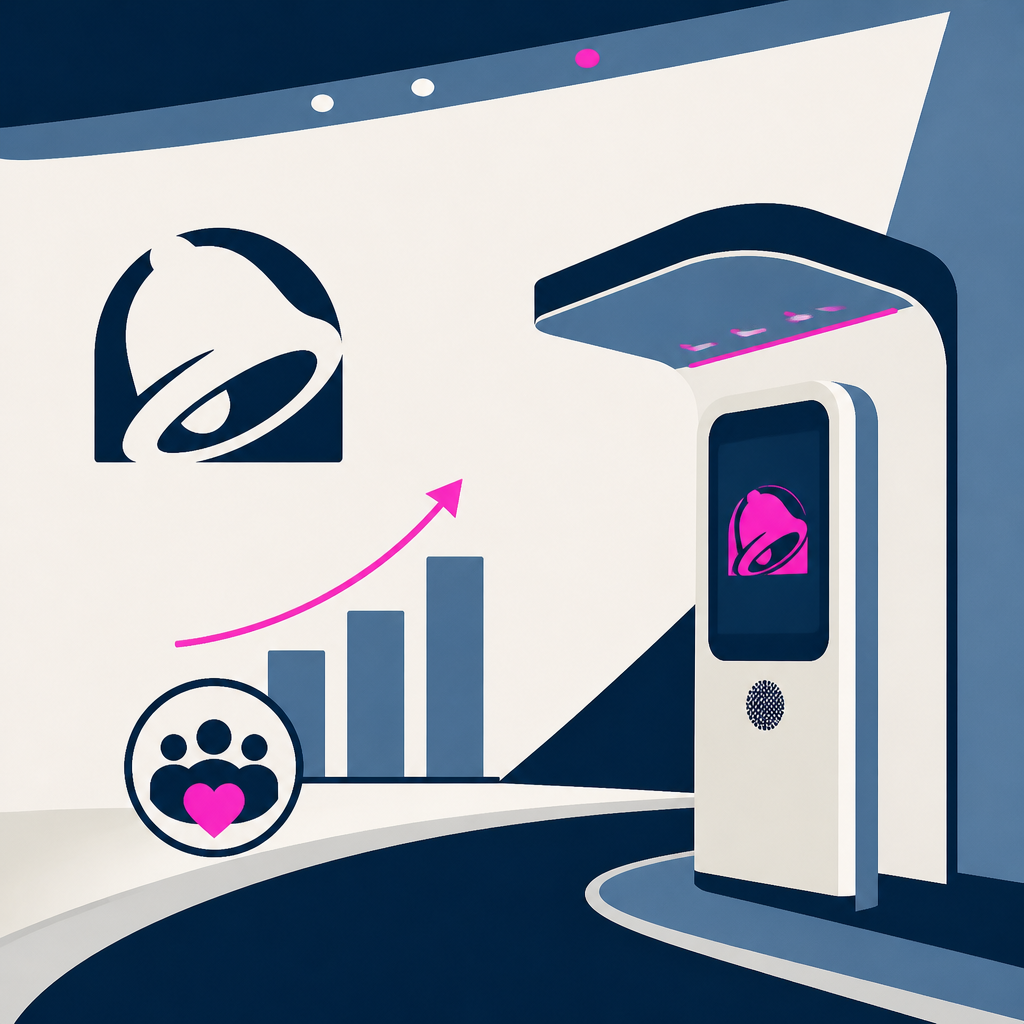
Yum! Brands Chief Legal Officer Erika Burkhardt argued that Taco Bell’s drive-thru AI makes restaurant jobs easier for employees despite public AI criticism. She said the drive-thru AI increased employee retention by reducing ordering tension points. As a result, the company frames its AI rollout as a workflow improvement that supports staffing stability rather than a threat to workers.

The table Carney wants a seat at? Big Tech already owns it

Fortune 13

The article argues that geopolitical influence is shifting from middle-power governments to private-sector actors, especially in AI-related capabilities used for foreign-policy activities. It cites the 2026 Stanford Artificial Intelligence Index showing the U.S. had 59 notable AI models through 2025 versus China’s 35, with other countries far lower. It concludes that middle powers have less leverage unless they lead on AI development, investment, or supply-chain roles as private firms increasingly set rules.

Gudea leverages AI to help organizations prevent social media crises before they erupt

TechCrunch 4 hours ago 13

Gudea is using AI to analyze how rumors and other harmful posts spread across mainstream and fringe sites so organizations can spot social-media threats before they escalate. It plans geolocation for narratives slated for next year, aiming to pinpoint where conversations are happening down to the city-block level. The change is that customers get more than mention counts, with better context on who drives a narrative, how fast it grows, and where it may go, plus expanded access to its analysis tools.

The daily briefing

Every AI story that matters, in your inbox by 8am.

TLDRocket reads all relevant sources, removes duplicate coverage, and summarises the day in two minutes. Follow companies and topics for alerts, or get the briefing in Slack. Free, no spam, unsubscribe anytime.