AI models are being used to forecast optimal fruit harvest dates for growers, including stopping early during Washington State apple harvests because extreme heat made harvesting unsafe. One system discussed depends on a three-week harvest window for Granny Smith apples, but forecasting accuracy varies with the quality of each farm’s historical data. Growers are increasingly testing camera and sensor tools that count fruit and predict ripeness at farm-specific scale, alongside ongoing reliance on human judgment, especially for high-stakes harvest decisions.
Grokipedia, SpaceXAI’s AI-powered Wikipedia alternative, started incorporating edits again and received design tweaks in a v0.3 update. The update added a new logo and expanded the homepage and live edits page, including a tracker for the latest edits. As a result, the homepage now shows featured and most-read article lists plus a latest-edits tracker instead of only a logo and search bar.
Robert F. Kennedy Jr. used a Make America Healthy Again event to argue that artificial intelligence should replace reliance on medical experts and doctors for health decisions. He claimed the Trump administration is making it easy for every American to use AI. That stance shifts his messaging toward encouraging people to use AI for medical “second opinions,” including to validate his views on vaccines.
ElevenLabs allowed employees to cash out part of their vested equity through a tender offer tied to a $22 billion valuation. The valuation doubled from $11 billion after its February $500 million funding round. As a result, employees could sell shares via a $300 million tender, and the company followed a second secondary liquidity round as an employee-retention tool.
CloudBees CEO Mo Plassnig outlined a plan to pivot the company into an AI-first organization rather than continuing its current CI/CD focus. The pivot was discussed at the WeAreDevelopers Conference in San Jose, California last week. CloudBees says generative AI’s order-of-magnitude increase in code output will require changes in process, governance, and security to manage AI-generated software in enterprise DevOps.
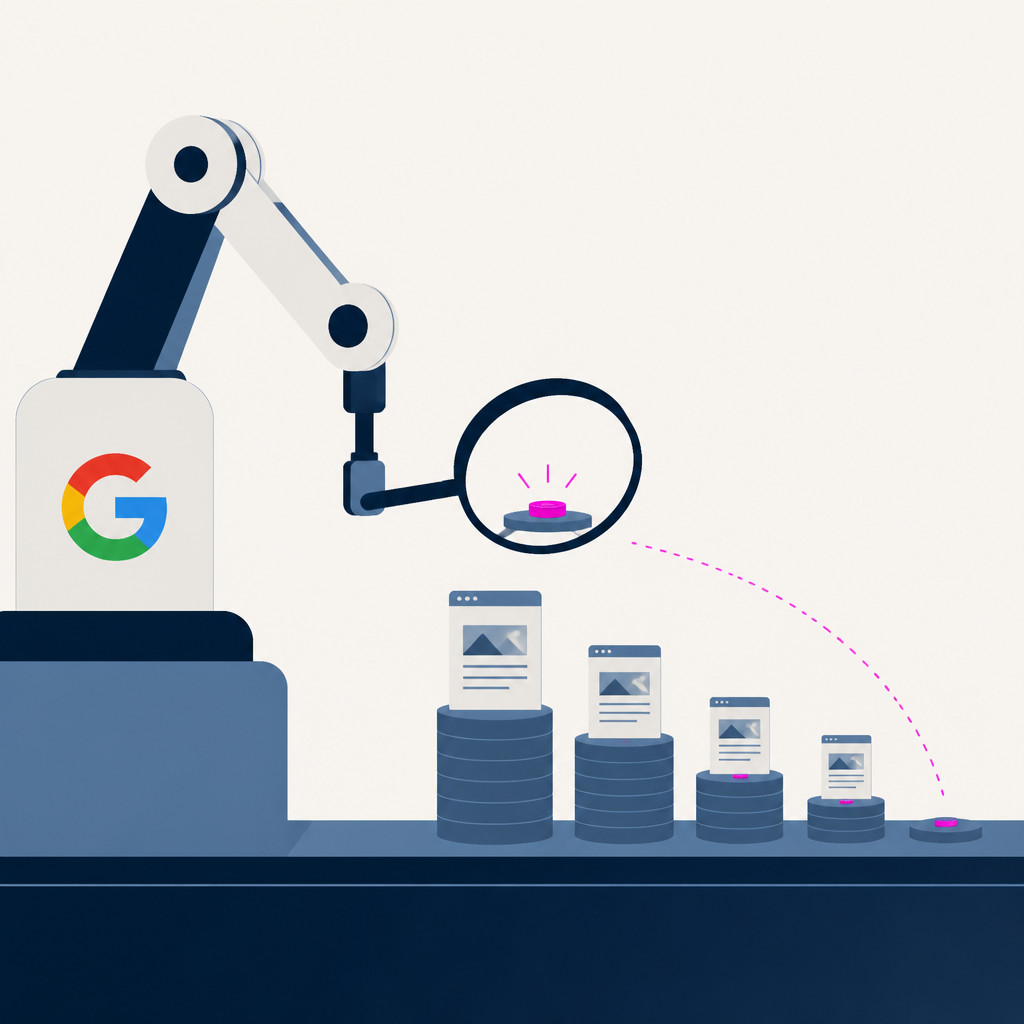
Google has tested paying publishers when their content appears in Gemini-powered AI search answers, but reports say the payments are extremely small. About 100 publishers were admitted, and payouts are reportedly around 0.1% of advertising revenue. Publishers are becoming skeptical and some larger publishers have declined to participate, hoping for better terms.
Instinct rolled out “Instinct Selections,” an AI feature that pushes product recommendations like dining, travel, and shopping suggestions to users, prompting complaints that the picks felt unsolicited. The rollout launched overnight on September 29, 2026. Instinct has not said yet whether it will change the timing or asking users for consent, but the negative reaction suggests users may demand more opt-in, conversation-fitting recommendations.
Startup leaders say PR and communications can speed fundraising, but most do not use communications for that purpose. About 98% believe communications can help attract investment faster while only 35% use it that way. As a result, the report argues startups should start communicating earlier and use AI for drafting and scale while applying human judgment to maintain credibility and a consistent founder voice.
Stardrift launched an iOS AI travel assistant that plans trips, builds a wishlist, and offers on-trip nearby recommendations and alerts. It is available to download today from the App Store. Users now get logistics organized in one app for day-by-day planning and trip-time guidance.
Companies report that AI adoption is widespread but only a small share sees measurable financial impact, with little improvement year over year. Only 6 percent of companies are “high performers” that attribute at least 5 percent of EBIT to AI. The article argues firms need clearer outcome ownership and better data/workflow integration to move beyond pilots and scale AI into day-to-day operations, alongside adapting product data for new AI-assisted discovery paths.
Ascerta collected $18 million in early-stage funding to help enterprises measure which AI projects create business value rather than relying on usage counts. The Series A was led by Dell Technologies Capital and included participation from Hitachi Ventures, BGV, and Wipro Ventures. Ascerta will use its platform to track AI economics down to users, teams, and applications and to provide ROI, productivity, and compute cost insights.
Airbnb rolled out new fall app updates that add AI-powered property discovery alongside expanded travel services and added social discovery features. The new AI search can be enabled with a toggle that lets users search via text or voice prompts. The app now generates dynamic filters from search terms (like “baby”) and uses AI to surface property highlights and summarize wish-list reviews, while social features show a map of connections’ past and upcoming trips with an option to keep trips private.
Neura Robotics launched Neura HealthTech to deploy an autonomous robot that slides under empty hospital beds, lifts them, and moves them between wards and floors. Each hospital unit is designed to support about 20 trips per day to save more than 1,300 working hours per hospital each year. The company will offer the system via robotics-as-a-service with partner integration and will expand from bed-moving into connected, networked hospital tasks through its Neuraverse platform.
Tryp.com, an AI-native online travel agency, raised €1.9 million in a funding round led by Point Capital Partners, bringing its total funding to €5.9 million. The company has passed 10 million users and reaches around 1 million users a month. The new funding will help it expand to more travel brands, launch new experiences and activity-led trips before year-end, and prepare expansion into Asia and the Americas.
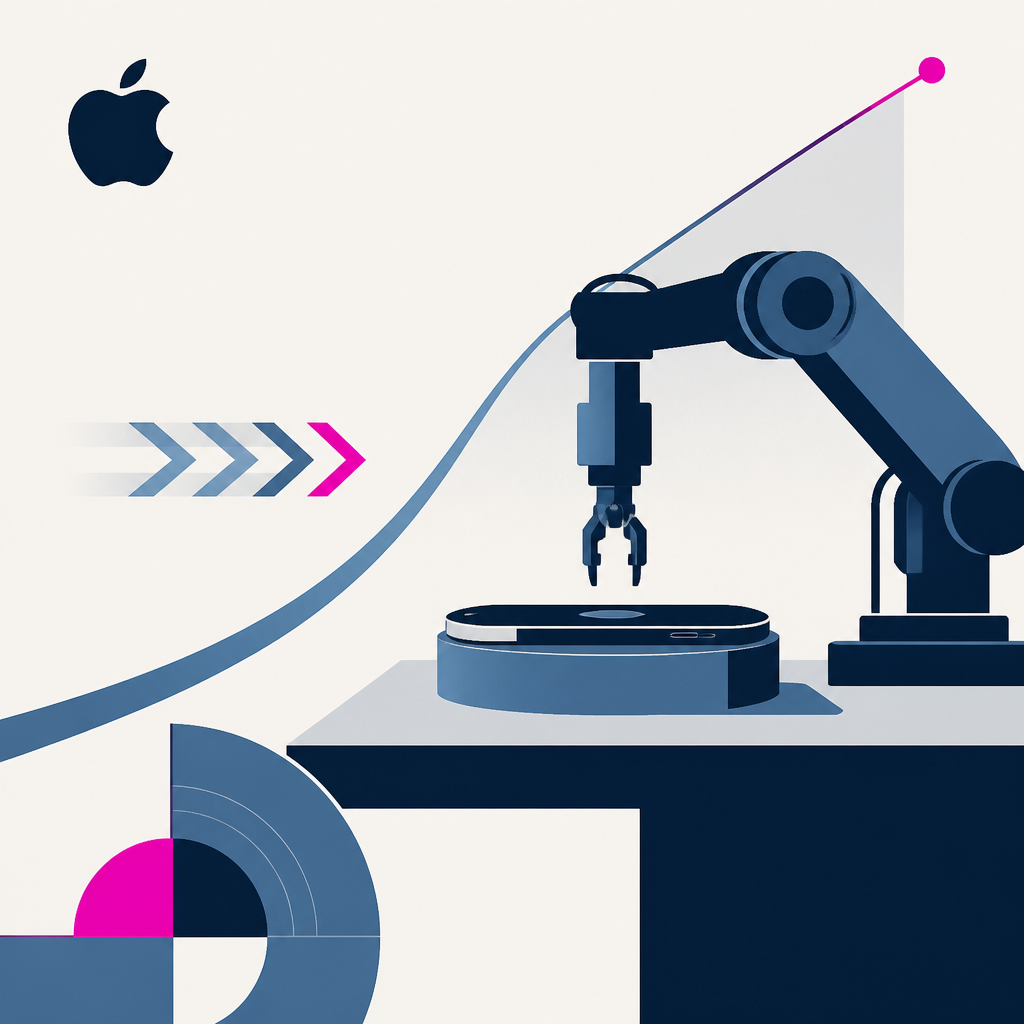
Apple CEO John Ternus is overhauling the company to accelerate product development and shift toward a leaner, more engineering-focused organization. The article cites an initial target of speeding up product introduction. This direction also adds an experimental approach to help Apple compete in the AI era.
Invertix, a Munich energy infrastructure A.I. start-up, was admitted to Y Combinator’s fall batch about seven months after being founded in February by Joseph Perrotta and Kaan Durmaz. Y Combinator typically invests $500,000 (about 427,000 euros) under its standard deal. With YC admission, Invertix gains a 3-month San Francisco program, Demo Day access to investors, and may relocate to the U.S. to meet YC expectations, which changes its fundraising and operations.
Instagram is adding an AI creative assistant inside its Edits app to give creators feedback and suggestions for their posts. The assistant uses Instagram account metrics including retention and pulls in data such as likes, views, and shares. As a result, creators can ask open-ended questions about what’s trending, why specific videos performed differently, and which content resonated most.
OpenAI partnered with America’s SBDC to expand hands-on AI training and local support for small businesses, alongside a report on how small teams use AI. The collaboration focuses on small-business enablement through expanded training and local assistance, rather than providing a specific new model or product. Small businesses gain more local AI support and training, and the new report adds guidance on current AI usage by small teams.
The author says AI helped create a new cologne after seeing a wired exhibit cart at HumanX in Amsterdam and then describing the result as smelling like success. The post reports ingredients or results as 98% lqafm (with the rest broken into smaller percentage shares). As a result, the author uses the experience to promote the idea of AI-assisted fragrance creation, but the underlying technical details are unclear due to garbled text.
Dora Palfi, cofounder and CEO of Swedish edtech Imagi, runs an AI education platform built for schools. The platform is designed for schools. As a result, Imagi frames her daily work around managing and delivering its school-focused AI learning product.
Meta launched “Muse for Small Business,” expanding its personal AI agent with new skills and connectors to help small businesses complete tasks using tools they already use. The expansion is available starting today, with access limited to the US and Canada where Muse is offered. Small businesses can now connect Instagram professional analytics, Facebook Pages, and Meta ad accounts, plus dozens of other services, and it adds subscription options beyond free features.
DoorDash is adding text message ordering alongside drone deliveries and retail returns. The text ordering feature builds on Ask DoorDash AI, which launched in June. This means you can place orders via messages without using the DoorDash app, and DoorDash will also expand Dasher returns nationwide in November.
WONE argues that workplace stress is being poorly measured with annual employee surveys and says it replaces this with a continuous Stress Intelligence approach combining psychometrics, wearable data, and AI coaching. In a study of 1,000 employees across the US and UK, it found highly stressed workers took eight times as many sick days and were nearly four times more likely to consider leaving. This changes how companies detect and respond to stress by shifting from yearly, aggregated snapshots to earlier, more team-level and privacy-preserving interventions.
Bits & Pretzels 2026 put AI sessions on the main stage, but founder interviews at the event said day-to-day execution problems were more central than AI. About 7,500 participants attended from September 28–30, and founders cited regulatory approvals and growth capital as key hurdles rather than AI itself. The focus shifts from AI hype to practical barriers, affecting how and when European startups can build, fund, and scale.
McDonald’s franchisees are being pushed to use a machine-learning pricing system that sets item prices by analyzing millions of daily transactions and competitor menu pricing for each location. The system calculates “the optimal price” for every item at nearly 14,000 restaurants. Since January, franchisees have faced added requirements to engage with the pricing consultant and tools, widening some price gaps according to operators, which McDonald’s disputes as a non-mandate tool.
Juicebox, a Sequoia and Lux Capital-backed AI recruiting startup, is opening its first office outside San Francisco in London. The company says it raised $18m in funding. That move expands its hiring and operations footprint to London as it targets Jack & Jill competition.
EliseAI raised $350M at a $4B valuation, led by a16z and Bessemer, citing growth in AI agents for housing and healthcare automation. The company says its agents cover one in six US apartments and handle about 5M calls per month. The new funding will go to product development and expanding engineering, deployment, and sales teams, plus adding San Francisco as a second engineering hub.
Twin is launching today as a local-first AI buddy app that floats on a Mac desktop and helps with catching up on texts, calendar reminders, and voice replies. It stores your data in a local DuckDB file. As a result, it runs without a cloud or accounts and you provide your own Claude, GPT, Gemini, or Grok API keys.
Every AI story that matters,
in your inbox by 8am.
TLDRocket reads all relevant sources, removes duplicate coverage, and summarises the
day in two minutes. Follow companies and topics for alerts, or get the
briefing in Slack. Free, no spam, unsubscribe anytime.
Reading TLDRocket needs no cookies, and the readership counts we rely on come from
our own cookieless analytics. Google Analytics is the exception: it sets cookies and
reports to Google, so it stays switched off until you allow it. You can change your
mind any time from “Cookie settings” in the footer.
Strictly necessary
Session security and form protection (tldrocket-session,
XSRF-TOKEN, 2 hours). The site cannot work without them,
so they need no consent.
Always on
Google Analytics 4 (_ga,
_ga_<id>, up to 2 years). Measures which
stories and sections readers use. Google acts as a third-party processor and may
store the data outside the EU. No advertising, no profiling, no data sold.