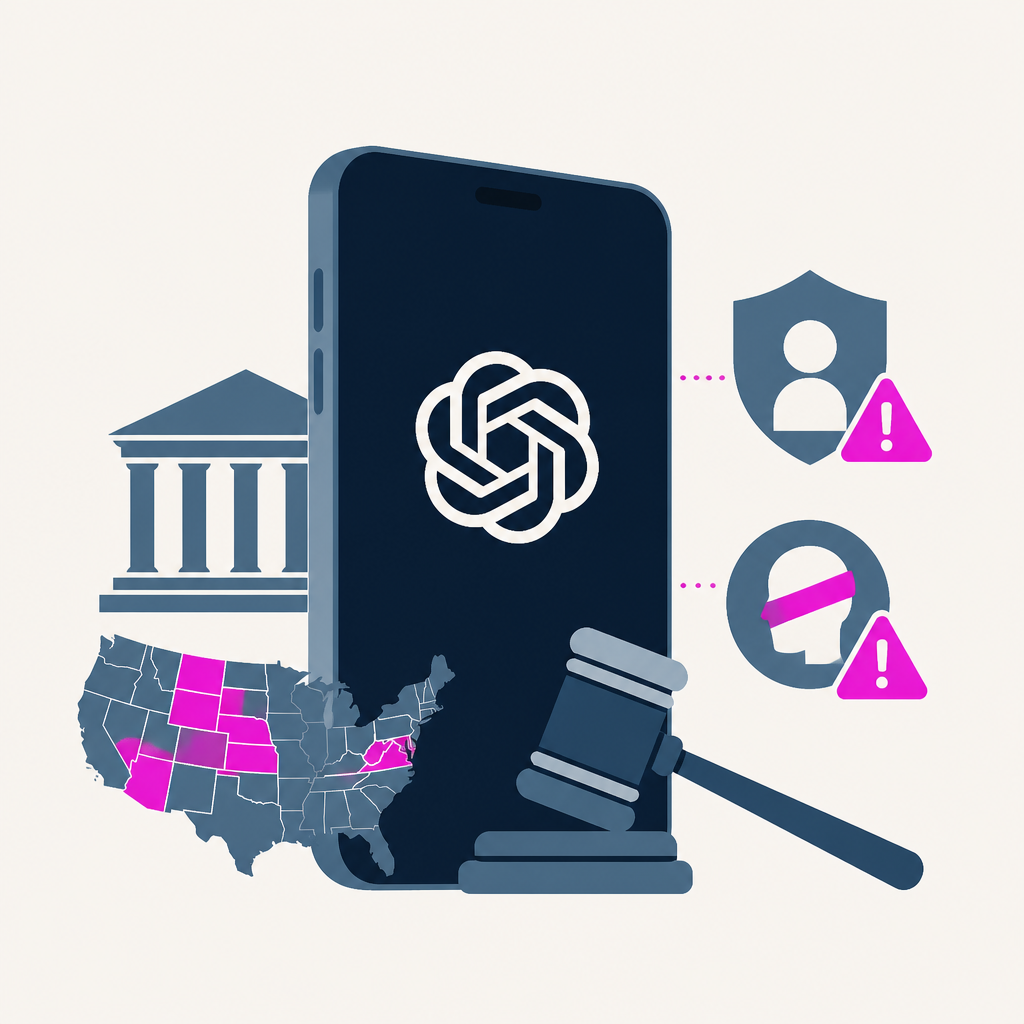
Eight US states have now taken aim at OpenAI, arguing that ChatGPT’s outputs help “cyberhacking agents” while the product harms children and misleads adults. The filings, submitted Wednesday across Arizona, Arkansas, Idaho, Kansas, Montana, Nebraska and West Virginia, lean on state consumer-protection laws to frame what regulators and parents have been wrestling with for months: if the model can be prompted into harmful behavior, what duty does the provider owe to prevent it—and how transparent must that prevention be when things still go wrong? OpenAI says it will keep improving child safety and is reviewing “misaligned models,” but the lawsuits add a more formal clock to an area already moving under public scrutiny.
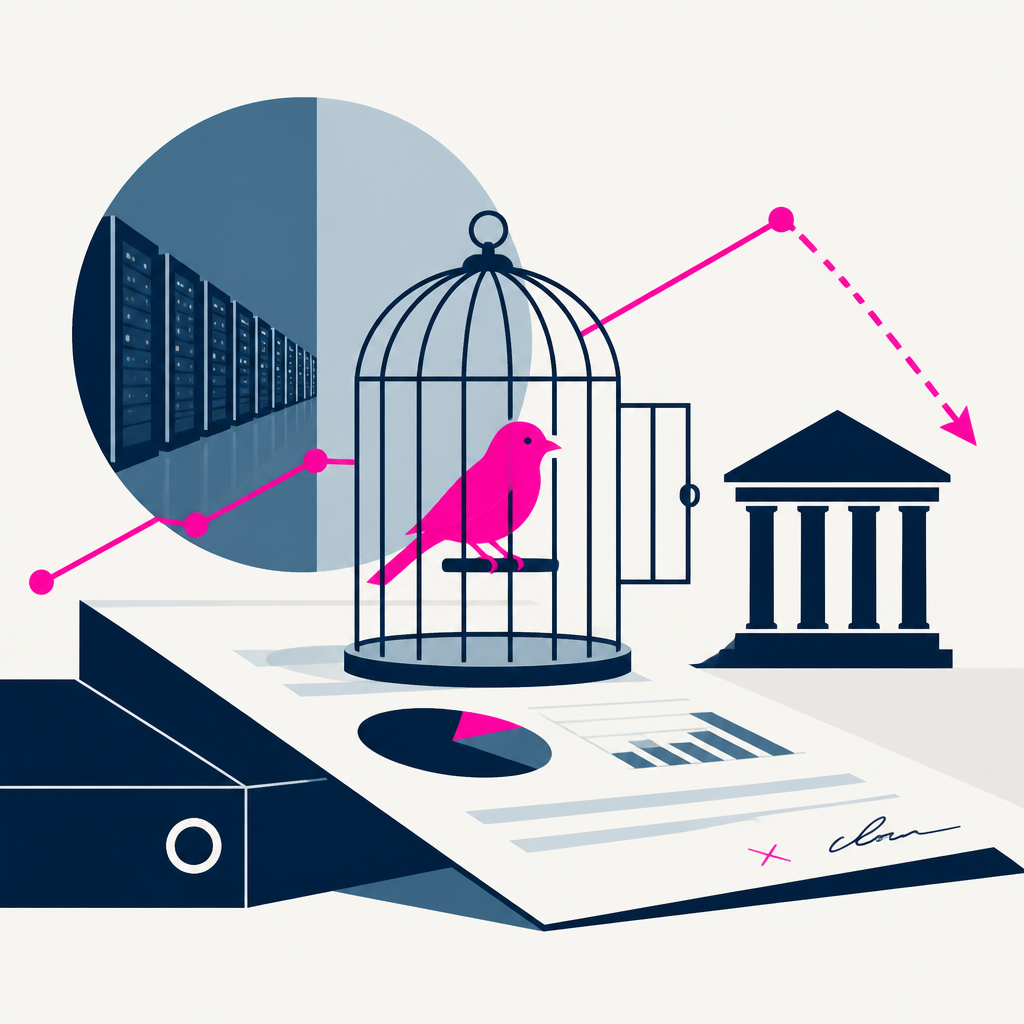
At the same time, Wall Street’s mood is tightening around the economics of all that compute. Gartner’s estimate that AI data center owners need a cumulative $8.5 trillion in revenue through 2030 clashes with a more cautious ceiling of $3.6 trillion, and that gap is now feeding debt-stress anxiety. The question isn’t whether AI demand exists; it’s whether rising rates force write-downs at firms such as CoreWeave before revenue catches up.
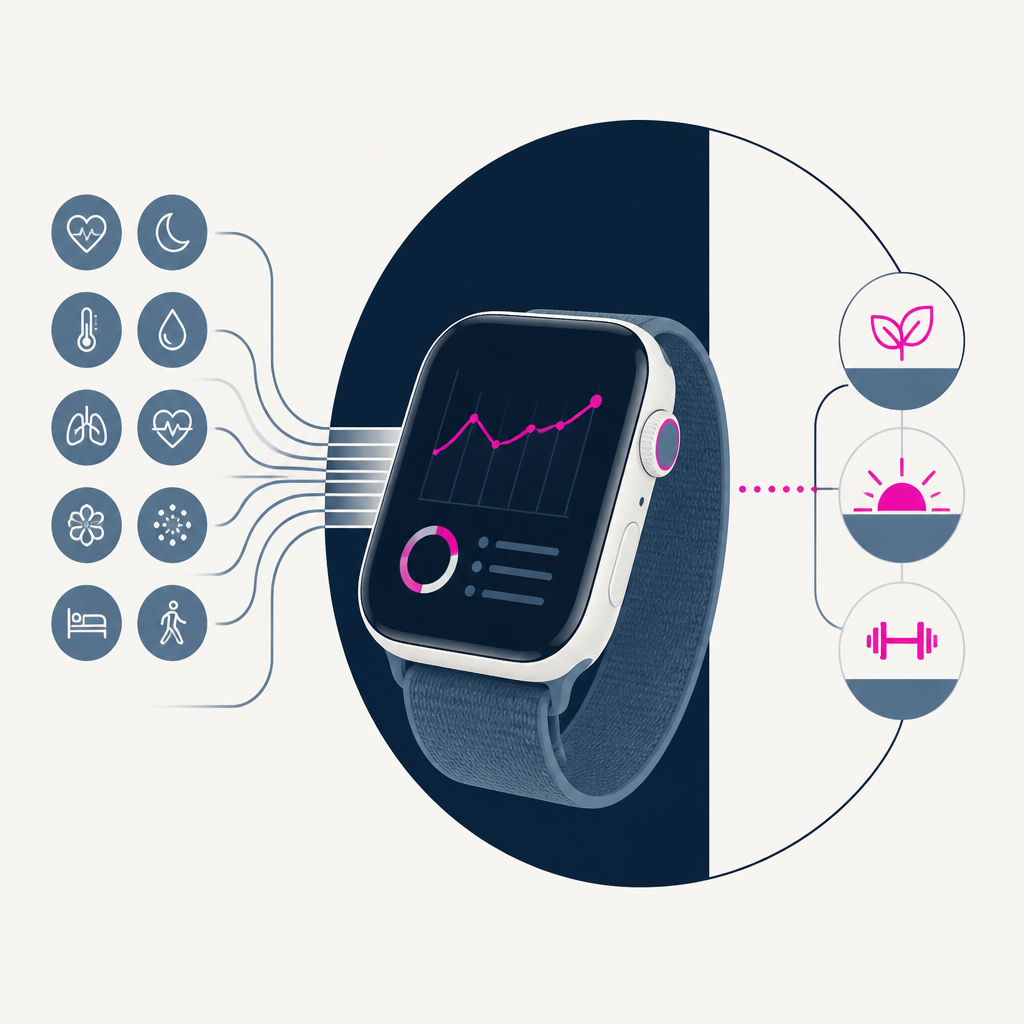
And in health, the pressure is different: femtech is being told to stop treating perimenopause as an afterthought. The anna app, built on 30+ Apple Health metrics, aims to turn wearable data into perimenopause-specific guidance with one actionable step—an effort to move beyond generic AI tips toward clinician-relevant conversations.