How to build stress intelligence into your business model
Sifted
WONE says annual staff surveys miss stress in real time. It uses monthly checks, wearables and an AI coach to spot burnout earlier.
Based on reporting by Sifted — read the original for the full story.
Summary, retelling and take written by AI under human oversight; images are AI-generated illustrations. How we work · Report an error
Workplaces are changing fast, and the old way of checking on staff wellbeing looks increasingly blunt. A yearly employee survey can tell a manager almost nothing about whether people are coping, recovering, or quietly heading toward burnout. That matters because by the time stress shows up in absences or resignations, the damage is already baked in.
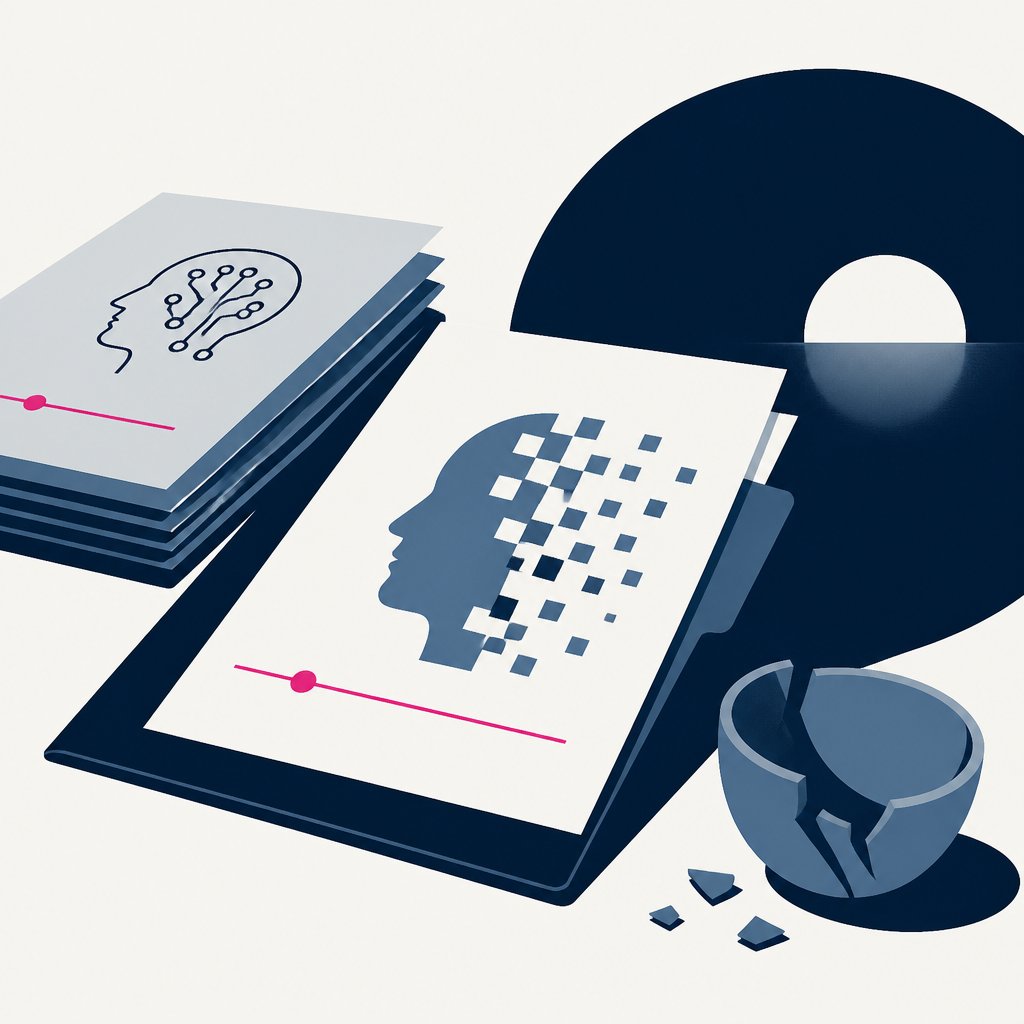
London-based WONE is trying to replace that once-a-year guess with something more continuous. Its system combines a monthly psychometric assessment, wearable data that tracks stress-related physiological markers, and conversations with its AI performance coach, Ori. The idea is not to spy on employees. It is to give people and managers a better read on what pressure is doing before it turns into a problem.
Chief Scientific Officer Lydia Roos calls that approach “Stress Intelligence”: the ability to spot stress signals early, understand what they mean across psychological, behavioural and physiological systems, and respond in ways that support recovery and sustained performance. She argues that organisations can build the conditions for that skill by treating rest and recovery as part of output, not a luxury after it.
The current survey model, she says, hides more than it reveals. Results are often anonymised and rolled up across the company, so one team can be in trouble while the average still looks fine. WONE’s model is meant to flag when a whole group’s scores are dropping in the same areas, which can point to workload, resourcing or management problems that need fixing.
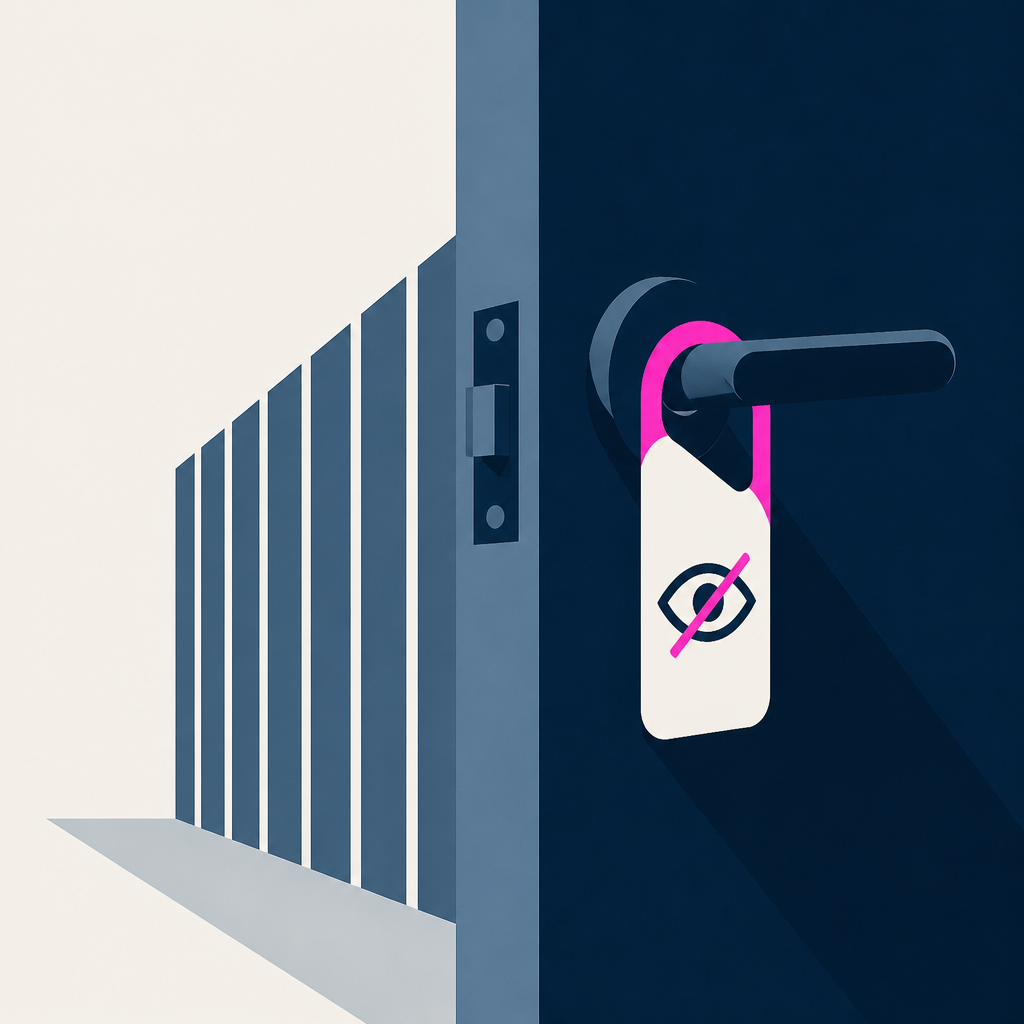
The business case is straightforward. In a study of 1,000 employees across the US and UK, WONE found that highly stressed workers took eight times as many sick days as less stressed colleagues, were nearly four times more likely to be thinking about leaving, and filed two and a half times as many health claims. Shee says leaders can frame that in capacity terms too: change failure rate, incident resolution time, and the risk of one exhausted person holding too much institutional knowledge. But the whole thing only works if people trust that their individual data stays private. If they think the boss is watching the raw answers, they stop being honest, and the measurement collapses.
The clever bit here is not the wearable or the chatbot. It is the admission that workplace wellbeing is a systems problem, not a poster on the wall. Companies love dashboards until the dashboard starts looking at the humans.
My take — AI-written commentary, not fact-checked reporting
This is the rare workplace wellbeing pitch that doesn’t hide behind mushy slogans. The real test is whether companies can handle private data without turning every manager into a tiny surveillance state. For once, the boring answer — trust, aggregation, and acting on patterns — is the one that sounds grown-up.
Read more about this at: Sifted