
Neura Robotics Puts Robots to Work Pushing Hospital Beds
Trending Topics Jakob Steinschaden
Neura Robotics is sending a hospital robot after empty beds, not patients. It could save nurses more than 1,300 hours a year, if hospitals rent it.
Based on reporting by Trending Topics, Jakob Steinschaden — read the original for the full story.
Summary, retelling and take written by AI under human oversight; images are AI-generated illustrations. How we work · Report an error
Before robots are trusted around patients, they may first earn their keep by doing the least glamorous job in the building: moving empty beds. Neura Robotics, the German unicorn, has set up a dedicated health-care unit called Neura HealthTech and is launching its first product there, a mobile robot that slides under an empty bed, lifts it, and carries it between wards and floors on its own.
The pitch is simple. Hospitals lose a lot of staff time on transport work that has nothing to do with care, from shifting beds to hauling other loads. Neura is aiming at that burden because the World Health Organization expects the European Union to be short 4.1 million health workers by 2030. The company says its bed-moving robot, used about 20 times a day, could save more than 1,300 working hours a year per hospital.
The machine is built for tight, messy real-world spaces. It turns on the spot, gets through narrow hallways and out of patient rooms, and keeps its safety systems running even while lifting. It can also ride elevators and is meant to handle sterile goods as well as beds. Neura is careful on one point: it moves only empty beds and does not transport patients. Before installation, the system is checked against each hospital’s actual layout, down to door widths and elevator dimensions.
Hospitals won’t be able to buy it outright. Neura is offering the system through partners as robotics-as-a-service, with a fixed monthly fee that covers integration, operations, maintenance, software updates and 24/7 support. The company has not said what that costs, but it wants hospitals to compare it directly with staff costs. Data is hosted on European cloud infrastructure, and the platform is being shown publicly for the first time at the VDMA’s Smart Health Automation Summit in Düsseldorf, via integration partner Auroniq Robotics.
This is also the opening move in a bigger plan. Neura says all of its robots connect through the Neuraverse, where machines share skills and learning. The next steps are MAiRA robot arms for instruments and intralogistics, then MiPA, which is already being trained for patient-room tasks and medication delivery. Neura HealthTech is led by Sven Lange, and the company has been buying fast after raising $1.4 billion from Tether, Nvidia and Amazon in June.
My take — AI-written commentary, not fact-checked reporting
This is the sensible kind of automation: boring, physical, and easy to measure. Hospitals do not need more shiny demos; they need fewer wasted steps and fewer staff members schlepping beds like it’s a medieval punishment. The rental model is the tell — if the machine only works when the spreadsheet works, that’s probably the right place to start.
Read more about this at: Trending Topics
Related stories
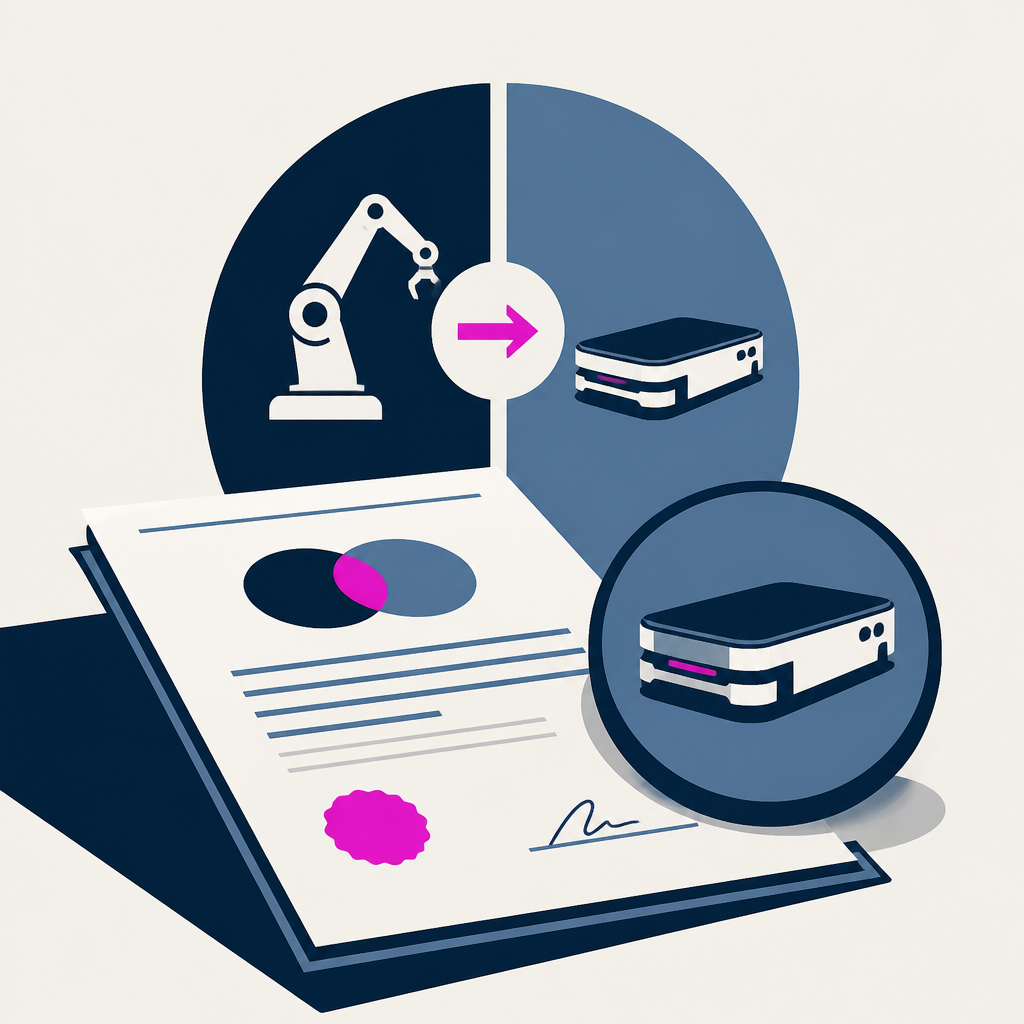 NEURA Robotics acquires Bosch Rexroth’s ACTIVE Shuttle to expand Physical AI ecosystem
Tech.eu · 1 month ago ·
40
Health Force nets €4.2M to deploy its AI agents across Europe
Tech Funding News · 1 week ago ·
43
NEURA Robotics acquires Bosch Rexroth’s ACTIVE Shuttle to expand Physical AI ecosystem
Tech.eu · 1 month ago ·
40
Health Force nets €4.2M to deploy its AI agents across Europe
Tech Funding News · 1 week ago ·
43
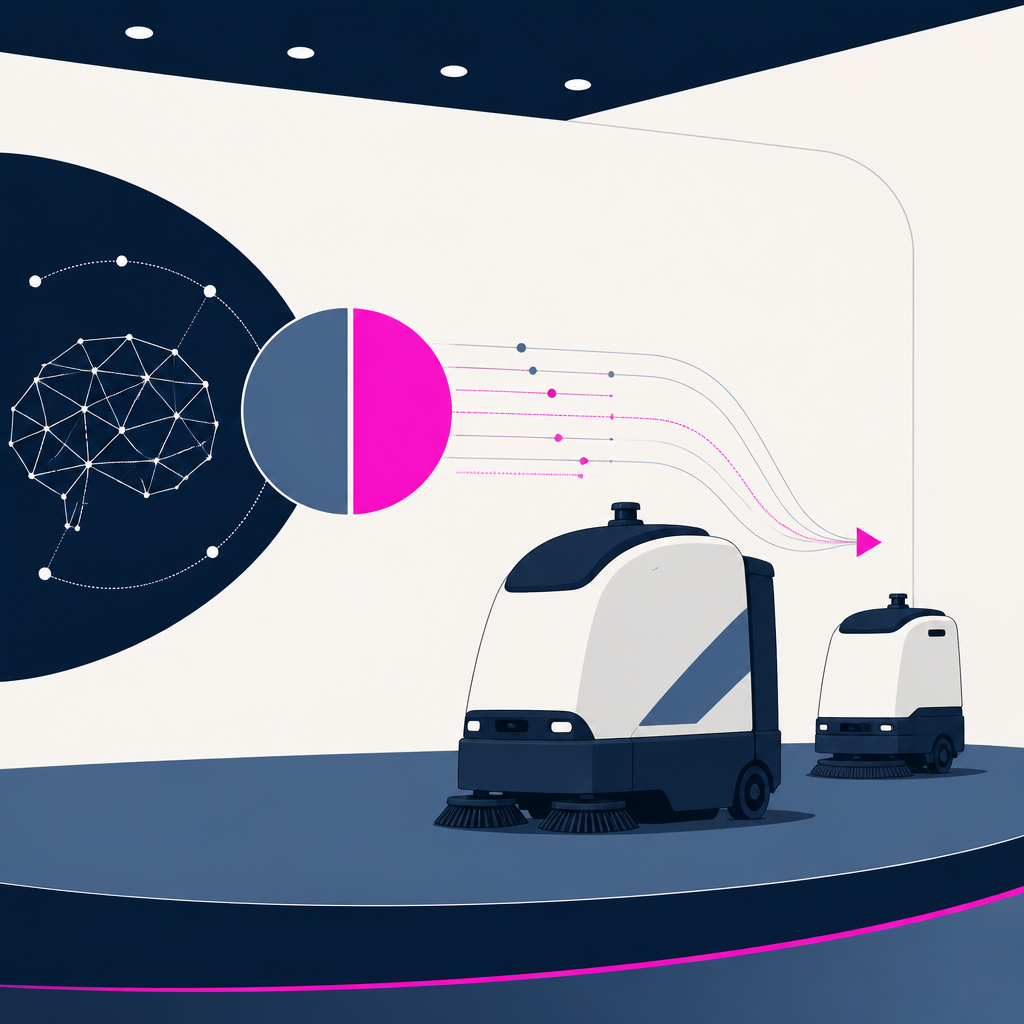 NEURA Robotics acquires ADLATUS to bring Physical AI to autonomous cleaning
Tech.eu · 1 month ago ·
20
NEURA Robotics acquires ADLATUS to bring Physical AI to autonomous cleaning
Tech.eu · 1 month ago ·
20