Hang Ten Systems Inc., founded by ex-Infosys chief Vishal Sikka, raised a second seed round for its enterprise AI services. The company secured $53 million less than three months after its first seed round. The added capital will fund delivery capacity and expand its engineering, consulting, and platform skills library to support ongoing and new enterprise projects.
Noetive launched as an industrial AI startup with a self-improving model aimed at coordinating day-to-day factory and logistics operations. It raised $41 million in seed funding. The company plans to expand deployments and fund research into self-improving AI for physical operations, using design partners to field test the system.
Sakana AI updated Sakana Marlin by adding Interactive Reading and editable PowerPoint export for its AI-generated research outputs. Interactive Reading lets users click citations and have an AI agent open the source and point to the specific passage, reducing manual source-hunting. The update shifts the workflow from only producing a report to also supporting discussion, verification, and slide-based editing for decision-making.
theCUBE will host the “Rethinking Private Cloud for the Age of Intelligence” virtual event with Dell leaders and industry practitioners on private cloud becoming purpose-built infrastructure for enterprise AI workflows. The event runs on Sept. 23. The agenda will cover how modular data foundations and intelligent operations deploy, manage, and scale private-cloud ecosystems while aiming to avoid added complexity or new silos.
The Verge author wore Snap’s Specs augmented reality glasses and used pinch gestures to place virtual dominoes on a real table while sharing the experience with a Snap employee. The glasses cost $2,200. The hands-on report emphasizes more multiplayer, shared AR play than what the author experienced in other VR headsets or smart glasses.
Northwest Bancshares made AI spending decisions hinge on governance and oversight by importing lessons from KeyBank’s finance transformation led by CFO Doug Schosser. The company carries over software partner Workiva Inc., including the Amplify governance approach discussed at an event in July. It shifts its process toward curated data, AI proposal reviews using tests for customer impact, internal efficiency, and risk reduction, and it avoids adding tools on top of weak processes.
Workiva is developing AI-native workflow capabilities by tying automation to measurable business outcomes for finance and compliance teams. The company’s Agent Studio was announced at its Amplify event and lets users build and customize agents without writing code. This shifts adoption toward trusted data governance and faster, user-validated approvals of AI-driven work.
Workiva says AI governance and existing reporting controls are necessary as financial teams increase AI-assisted automation. 84% of executives said they were at least somewhat willing to trust AI to generate an annual report without human review. The implication is that organizations must keep traceable, reviewed workflows and improve data quality before relying on AI output for board or external reporting.
Fortune’s new Fortune 500 Europe list shows that profit and revenue grew while sector margins narrowed for two straight years and finance stayed the largest sector by revenue, profit, and headcount. Margins fell to 6.5% from 7.1% on the 2024 list. The rankings highlight finance’s outsized role (24% of total revenue, with Santander and BNP Paribas in the top 10) and, in a related EY survey, document an AI governance gap where autonomous/agentic deployments are moving faster than oversight (47% bypass governance for urgent rollout).
Apple shipped macOS 27 Golden Gate with Apple Intelligence enabled as a defining feature, including a first major upgrade to its generative AI support and an updated Siri experience.
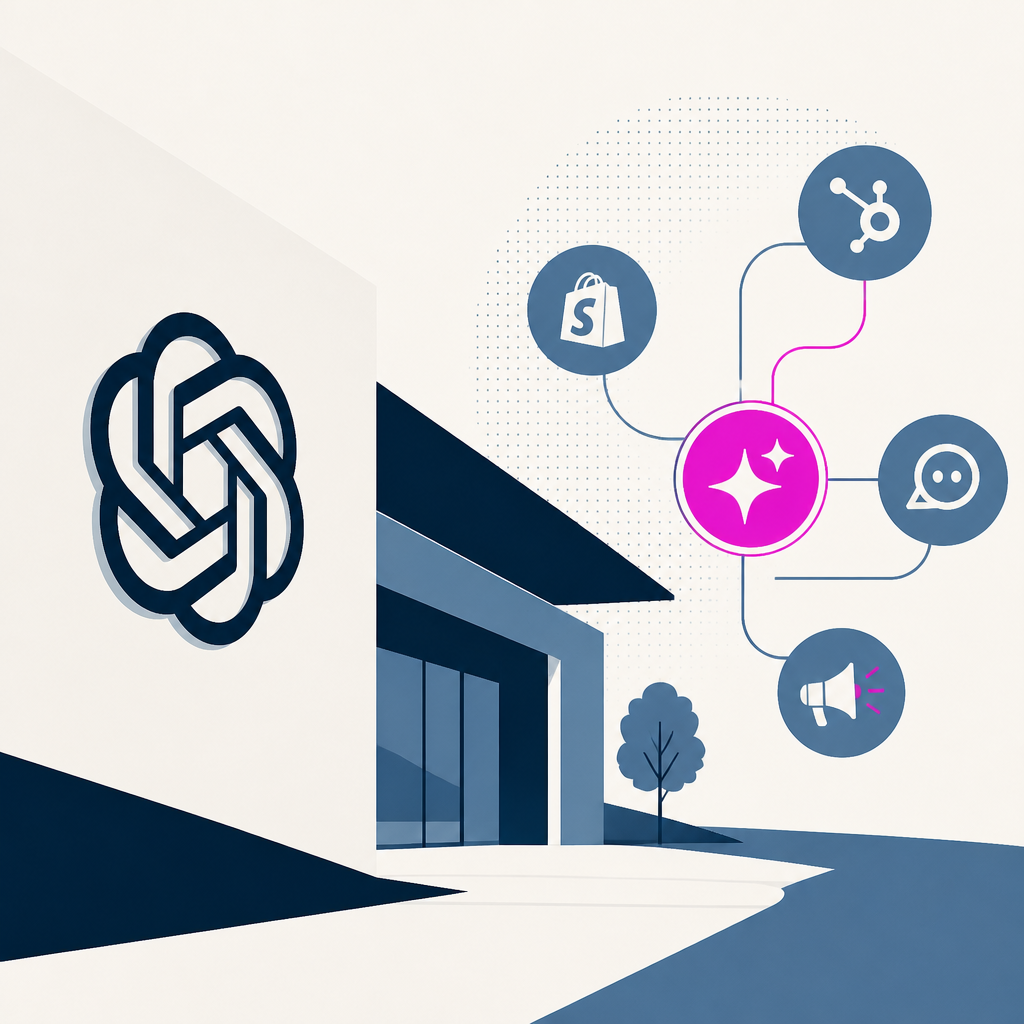
OpenAI is introducing AI-powered advertising experiences, including Sponsored Agents, marketer tools, and integrations with HubSpot and Shopify. The article does not provide any specific date, benchmark, or pricing detail. These additions let advertisers use AI agents and new tooling to build and run campaigns with existing marketing and commerce platforms.
Hang Ten Systems, an AI startup founded by former Infosys CEO Vishal Sikka, closed a second seed funding round to expand its software strategy business.
Integral, a Berlin licensed tax advisory firm using AI agents, raised a €18 million Series A round led by Mosaic Ventures and Reid Hoffman.
The funding brings Integral’s total funding to over €30 million in less than two years.
It plans to grow by enhancing its AI agents for bookkeeping, payroll, and tax tasks and expanding its commercial and engineering teams.
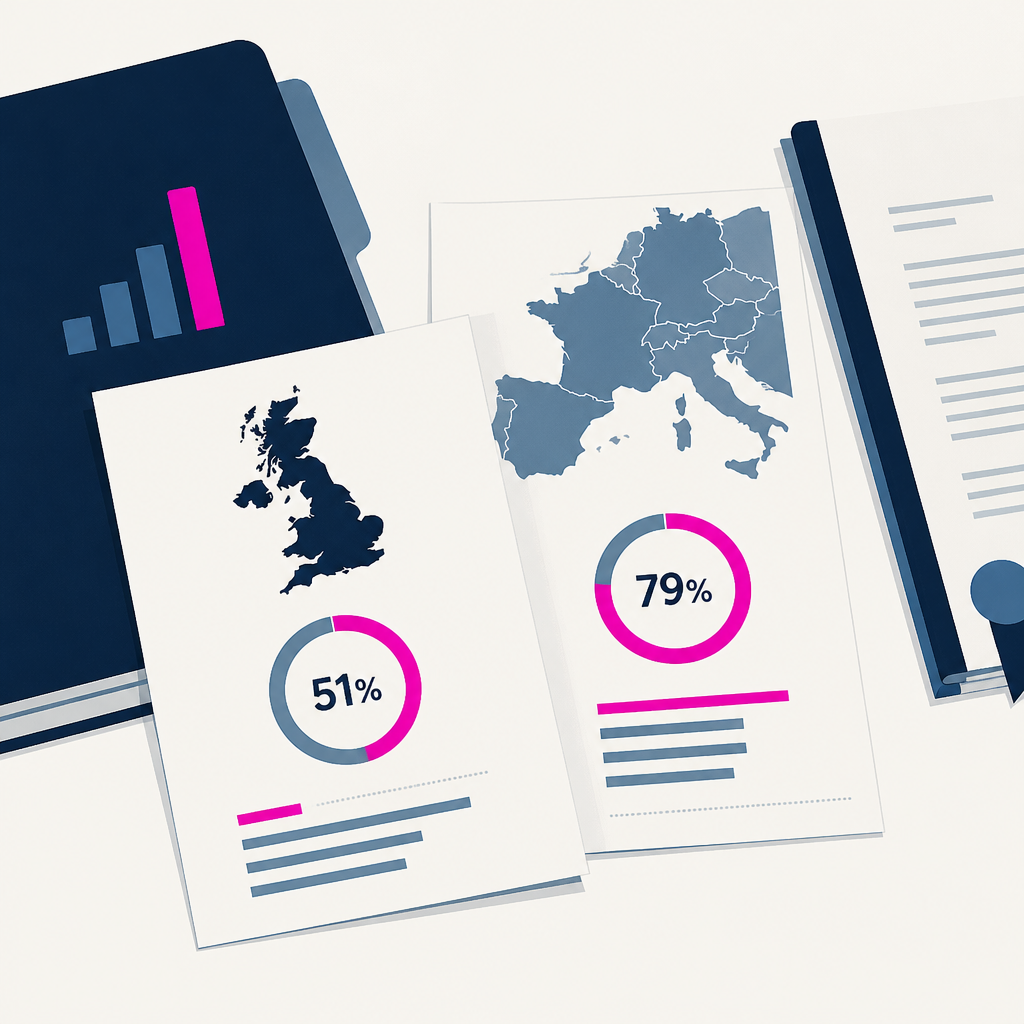
bunq’s survey found UK founders are among the least likely in Western Europe to use AI in their companies, with more time spent on ongoing administration than regulation during business operations. Only 51% of UK business owners reported using AI in the past year, compared with 79% in Germany. As a result, the UK gap is tied to lower trust and knowledge about how AI works, while proposed changes focus on business rates, easier finance access, and simpler tax filing rather than AI pricing.
Beyondtheschoolrun and The Open University announced Where Motherhood Becomes Mumentum, a hybrid UK flagship event focused on motherhood, the future of work, and skills. It will take place on Tuesday 13 October 2026 at One Churchill Place, Canary Wharf. The program brings The Open University’s Mumentum employer and parent toolkits and its motherhood-penalty research into an event format with sessions for mothers and employers.
Amazon launched Alexa+ in India with Hindi support and added longer multi-step conversations with context. The service is offered in Early Access in Hindi and English, and after that it will cost non-Prime customers ₹2,000 per month. Amazon will roll it out free for Prime customers and expand it with integrations for Indian services like Swiggy, Zomato, and smart home control.
ZeroSphere was launched as a Windows tool that runs AI in its own virtual display so you can keep using your desktop normally. The product’s setup targets Windows, with AI operating in a separate display window. It changes how you interact by letting you watch or take control of the AI-driven desktop applications at any time.
OpenAI Economic Research examines how workers are using AI for tasks outside traditional roles. It focuses on which new activities become recurring parts of their work. As a result, it broadens what counts as AI-enabled work and reframes AI adoption around everyday task patterns rather than job titles.
Integral raised a €18 million Series A to expand its AI-native accounting, tax, and payroll services for SMEs in Germany. The round is co-led by Mosaic Ventures and Reid Hoffman. The company will hire across AI engineering and licensed professionals and deepen automation across bookkeeping, payroll, and tax workflows.
Veridion raised $20 million in Series A funding to expand its AI-powered business intelligence platform that continuously updates information on businesses worldwide. The platform is built around a live business graph covering about 640 million businesses and is updated by analyzing billions of digital signals from sources like company sites and filings. Veridion says this shifts market intelligence from data updated quarterly or annually to continuously updated operational views for organizations like banks and insurers.
Opio, an AI for financial due diligence startup, raised €4 million to build technology that helps auditors review target-company accounts during acquisitions. The funding comes from Frst, Seedcamp, and GFC, and Opio says it cuts the time transaction services professionals spend on data collection, checking, and adjusting by 27%. As a result, it is expanding adoption with Transaction Services teams in 15 countries and plans another product for early 2027.
Brighteye Ventures announced a $72 million first close for Fund III, bringing its assets under management to $245 million. The fund’s European Learning & Work report measured European VC funding in the sector rising from €710 million in 2024 to €1.6 billion in 2025. Brighteye will use Fund III to make up to 35 early investments across AI, learning, productivity, and labour infrastructure.
Complir raised seed funding to expand its AI-powered product compliance platform for retailers and brands. The round totals $11 million, following a $2 million pre-seed in December 2025. It will automate more compliance document generation and ongoing SKU-level rule checking, reducing manual work and speeding product launches.
Ami AI launched to help businesses run customer outreach by generating a target list, planning the outreach, and then monitoring and adjusting campaigns. It has been used to make outreach decisions 17,707 times and tracks results. With an approved plan, it runs the outreach and updates what slips based on campaign performance.
Complir, a Copenhagen startup, closed an oversubscribed $11 million seed round led by General Catalyst to advance its AI retail compliance platform. The deal followed a $2 million pre-seed closed in December 2025 and brings Complir’s total funding to about $13 million in one year. The funding increases the team to 18 employees and will be used 70% for go-to-market and 30% for engineering, with plans to open a New York office within six months.
Opio raised €4 million to automate financial due diligence by collecting, verifying, and organizing target companies’ financial data for auditors. It says the system currently cuts transaction-services time by 27%. The funding lets Opio hire engineers, expand sales in the UK and Germany (and possibly Spain), and broaden its product toward statutory audit while preparing for a US entry.
Workiva is pushing governance controls for AI agents used in financial reporting, audit, compliance, and sustainability disclosures. The company introduced “Amplify” controls and an “Agent Studio” capability, building on a July-launched intelligence layer. As a result, agents operate only within defined capabilities with guardrails and human sign-off tied to accountability for traceable, defensible outputs.
Newell Brands put internal audit at the center of its AI adoption approach so auditors can influence controls and accountability as automation expands. The company speeds deployment for different process types, with customer order-status agents prioritized over fixed-asset-accounting agents that need closer financial controls. As a result, audits become a formal participant in major AI implementations and deployments proceed with more process discipline and change management before adding AI.
Every AI story that matters,
in your inbox by 8am.
TLDRocket reads all relevant sources, removes duplicate coverage, and summarises the
day in two minutes. Follow companies and topics for alerts, or get the
briefing in Slack. Free, no spam, unsubscribe anytime.
Reading TLDRocket needs no cookies, and the readership counts we rely on come from
our own cookieless analytics. Google Analytics is the exception: it sets cookies and
reports to Google, so it stays switched off until you allow it. You can change your
mind any time from “Cookie settings” in the footer.
Strictly necessary
Session security and form protection (tldrocket-session,
XSRF-TOKEN, 2 hours). The site cannot work without them,
so they need no consent.
Always on
Google Analytics 4 (_ga,
_ga_<id>, up to 2 years). Measures which
stories and sections readers use. Google acts as a third-party processor and may
store the data outside the EU. No advertising, no profiling, no data sold.