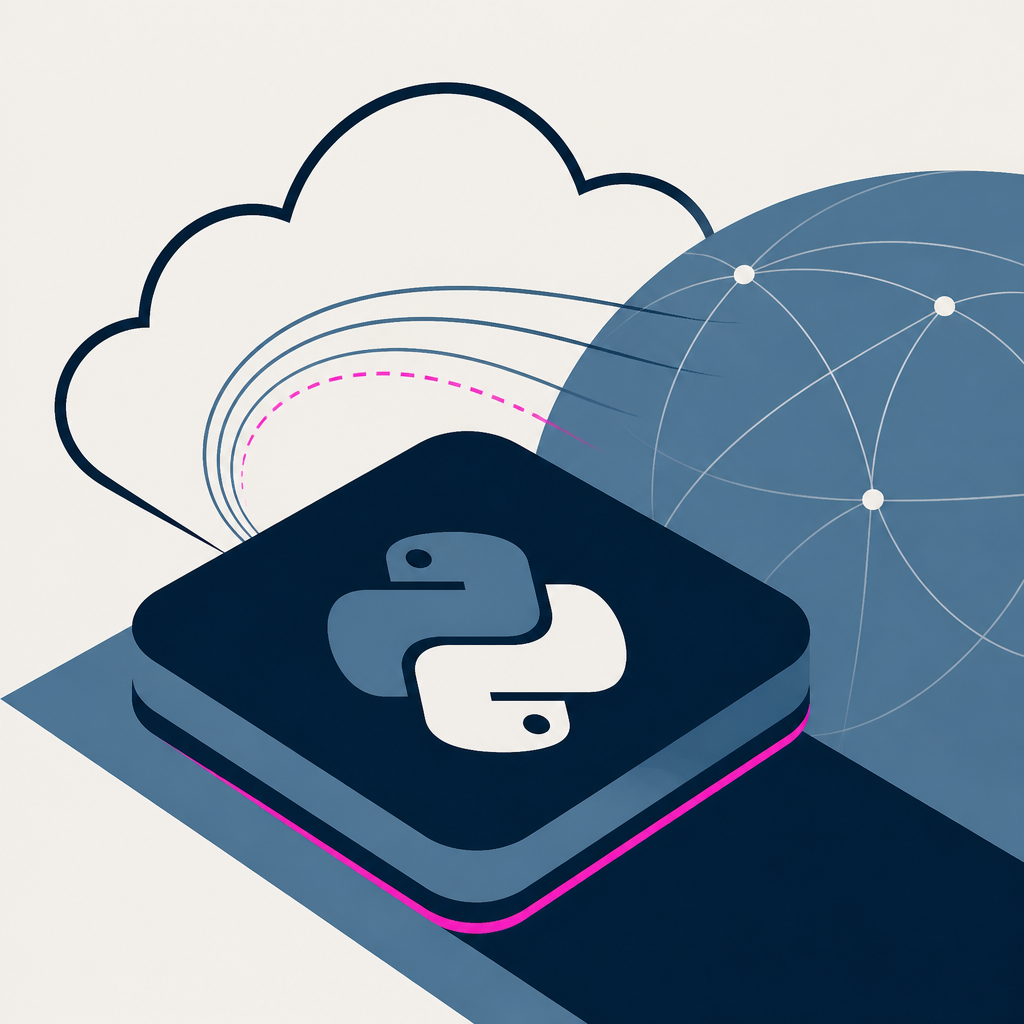
Cloudflare made Python Workers generally available for its server-side Workers platform after a two-year preview, marking Python as fully supported on the Cloudflare Developer Platform. The platform runs Python compiled to WebAssembly via Pyodide inside Cloudflare’s V8-based workerd runtime, with a local simulator that uses a 123MB workerd binary. Multiprocessing and threading remain non-functional under the WebAssembly VM, but developers can now use Python Workers as stable, first-class infrastructure.
Alberto published Part 2 of a newsletter compiling 11 charts arguing that the financial/economic side of the AI boom could be a bubble rather than immediate real-world success. Hyperscaler capital expenditures are projected to surpass $1 trillion by 2027. The piece shifts readers to interpret AI performance through economic indicators like cancellations, leverage, and cash flow instead of benchmarks alone.
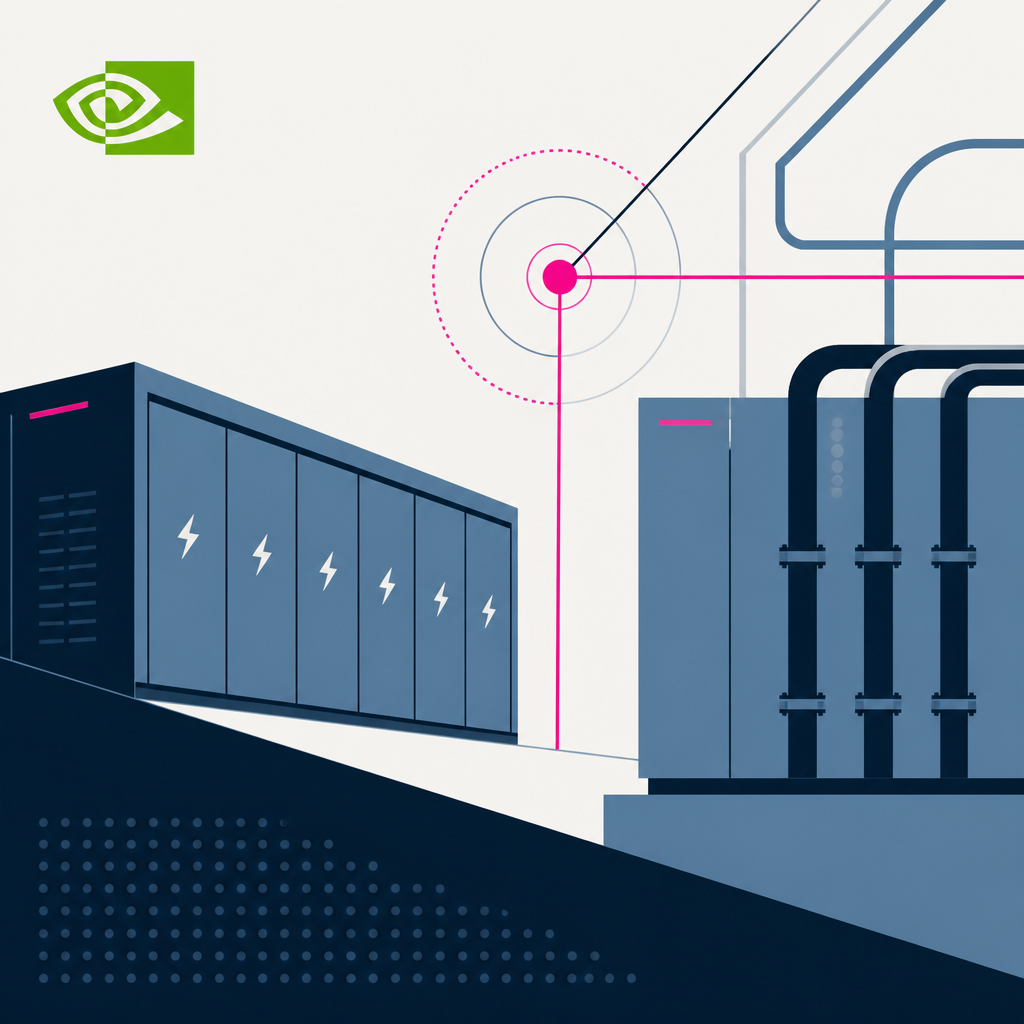
NVIDIA launched NVIDIA DSX Ready to qualify partner power and cooling products against NVIDIA DSX AI factory reference design requirements. It starts with two categories: battery energy storage systems (BESS) and cooling distribution units (CDUs). The program gives builders clearer qualified “building blocks” to reduce integration risk and helps partners demonstrate category-specific compliance.
BMW Group uses CLEA, an in-house FinOps system on AWS, to monitor 14,000 cloud accounts and run daily cost anomaly detection instead of relying on on-demand dashboards. The pipeline trains Prophet models on 365 days of daily cost history per account-service pair and completes a full 14,000-account run in about 20 minutes. As a result, CLEA forecasts expected daily spend with confidence intervals, filters deviations to reduce false alerts, and emails account owners actionable anomaly reports each day.
Positron, Posit’s data science IDE, was made available to run on Amazon SageMaker AI via SageMaker Studio Spaces using a Positron custom container image. The recorded walkthrough profiled a dataset of 50,000 loans and reported an overall default rate of 2.03%. This lets teams run IDE, R/Python work, and model deployment with governed AWS data access and (optionally) in-account AI assistance from Bedrock without managing separate credentials.
California Gov. Gavin Newsom signed seven bills tightening rules for AI data centers on energy and water use. The package requires data centers to pay for upgrades to local power grids and water systems. The California Public Utilities Commission must create a new data-center rate classification and data centers must disclose estimated water use plus energy efficiency and drought planning.
Benchling deployed a defense-in-depth setup for running AI agent-generated scientific code in an isolated AWS environment so each life sciences tenant stays network- and data-separated. It now processes more than 600 code execution sessions per day across more than 250 tenants per week with zero security incidents. Continuous DNS allow/block rules via Amazon Route 53 Resolver DNS Firewall and VPC endpoint restrictions plus per-job AWS STS scoping are used so the setup blocks DNS and other exfiltration paths and stays validated as infrastructure changes.
Salesforce unveiled AIforce and its Enterprise AI Harness concept at Dreamforce 2026, while theCUBE Pod also covered Nscale’s plan to go public after it filed for an IPO.
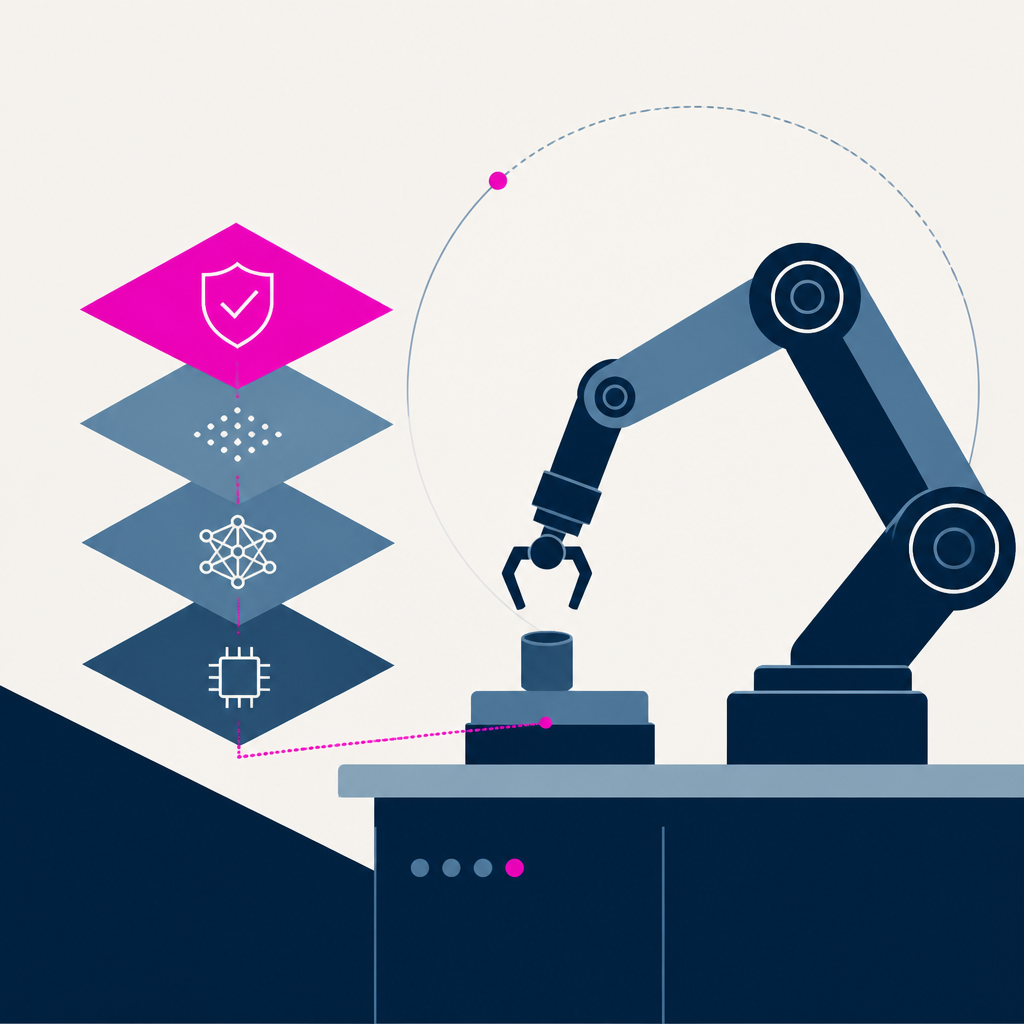
Physical AI is moving from research into large-scale deployment, raising the need for safety at every layer of how AI-driven machines act in the real world. ABI Research projects 49 million level 3–5 autonomous vehicles installed by 2035, and Omdia estimates about 60 million industrial robots deployed from 2026 to 2035. NVIDIA is responding by expanding Halos as a full-stack safety system with hardware, software, validation, and partner ecosystem support so safety evidence can be engineered, assessed, and maintained across the vehicle and robot lifecycle.
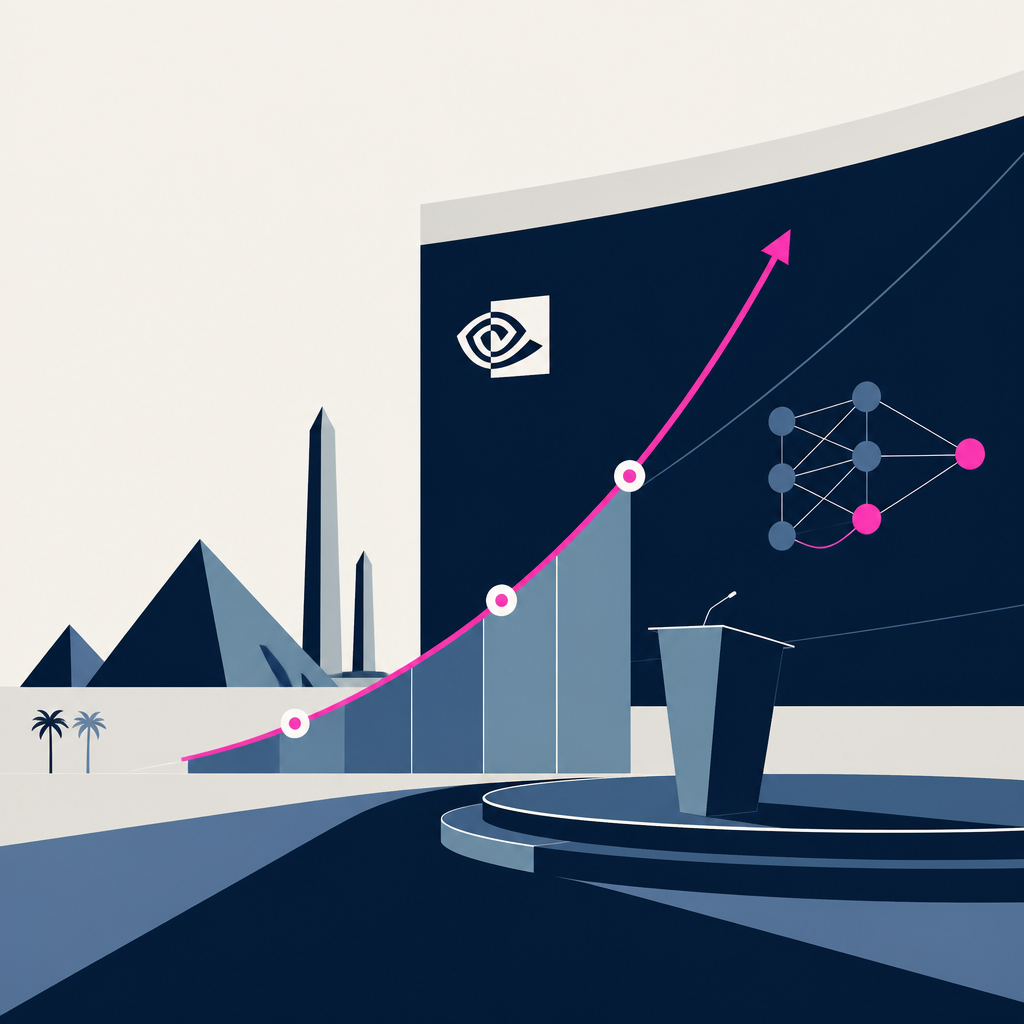
Egypt’s AI ecosystem moved from events and training into production-scale projects, with NVIDIA-led sessions and local startup and enterprise participation at a Grand Egyptian Museum reception. NVIDIA’s Deep Learning Institute learner base in Egypt grew more than tenfold in a single year, and Hassan Allam Data Centers received a June license tied to a $400 million data center investment. Cassava’s expansion and new AI factory plans across Egypt and Africa—plus additional funded infrastructure capacity in the pipeline—are set to make accelerated local compute and model deployment more readily available in-country.
OpenAI postponed its IPO and is seeking replacement funding as it builds data centers and faces an ongoing AI safety debate. The Financial Times reports early talks for a new funding round valuing OpenAI at more than $1.2 trillion. OpenAI will rely on private investors instead of public-market capital, while its valuation and cash needs shift the basis for future financing and competition.
FintechOS raised $28m in equity and debt from existing investors and Santander Corporate Investment Banking. The funding round totals $28m. It will expand in the US and Europe and scale up its AI technology while reporting first-half 2026 profitability.
Benchmark will bring all five general partners onto the TechCrunch Disrupt 2026 stage for a session about where the next generation of startups will come from and what founders may be misreading. Benchmark said it raised about $2 billion across a $750 million flagship fund and a $1.25 billion growth fund. The event discussion reframes venture conviction amid fast-moving AI investment, including whether model, infrastructure, data, or distribution is the defensible layer.
Google has opened pre-orders for its AI-focused Googlebook laptop at $899 and aims to center Gemini’s features on the device experience. The $899 model includes 12 months of Google AI Pro and is scheduled to ship on October 4 in the U.S. It shifts Chromebooks toward Gemini AI by offering a longer 10-year update commitment and selling AI cursor, dictation, and widget features as part of the hardware rather than browser apps.
A surveillance camera tower oversaw the area where Graciela Gómez Hernández died after crossing into Southern California in September 2025. The tower that had a view of her was made by General Dynamics and has cameras that can track targets 5 to 7 miles away. The reporting argues that despite AI-enabled border surveillance expansion costing more than $1 billion, deaths still occur within camera range and questions remain about whether emergencies are detected and acted on.
US Customs and Border Protection’s AI-enabled surveillance towers failed to trigger timely intervention before José Morales Bernal died in New Mexico, even though he was reportedly within range of nearby towers before his body was found. Nearly 4,000 locations were cross-referenced to identify more than 1,050 deaths within tower range between 2015 and early 2026. The reporting calls for oversight and changes to the tower program, citing continued spending despite repeated detection-and-response failures.
MIT Technology Review reported that people died near the US-Mexico border “virtual wall” despite AI-enabled surveillance towers, with findings pointing to broken hardware, detection failures, and unheeded alerts. The US plans to spend $1 billion to triple the virtual wall by 2034. The report urges US Customs and Border Protection to audit tower effectiveness, fix migrant-death tracking, log and analyze when surveillance leads to apprehensions, and investigate deaths within tower range to determine what was detected and how agents responded.
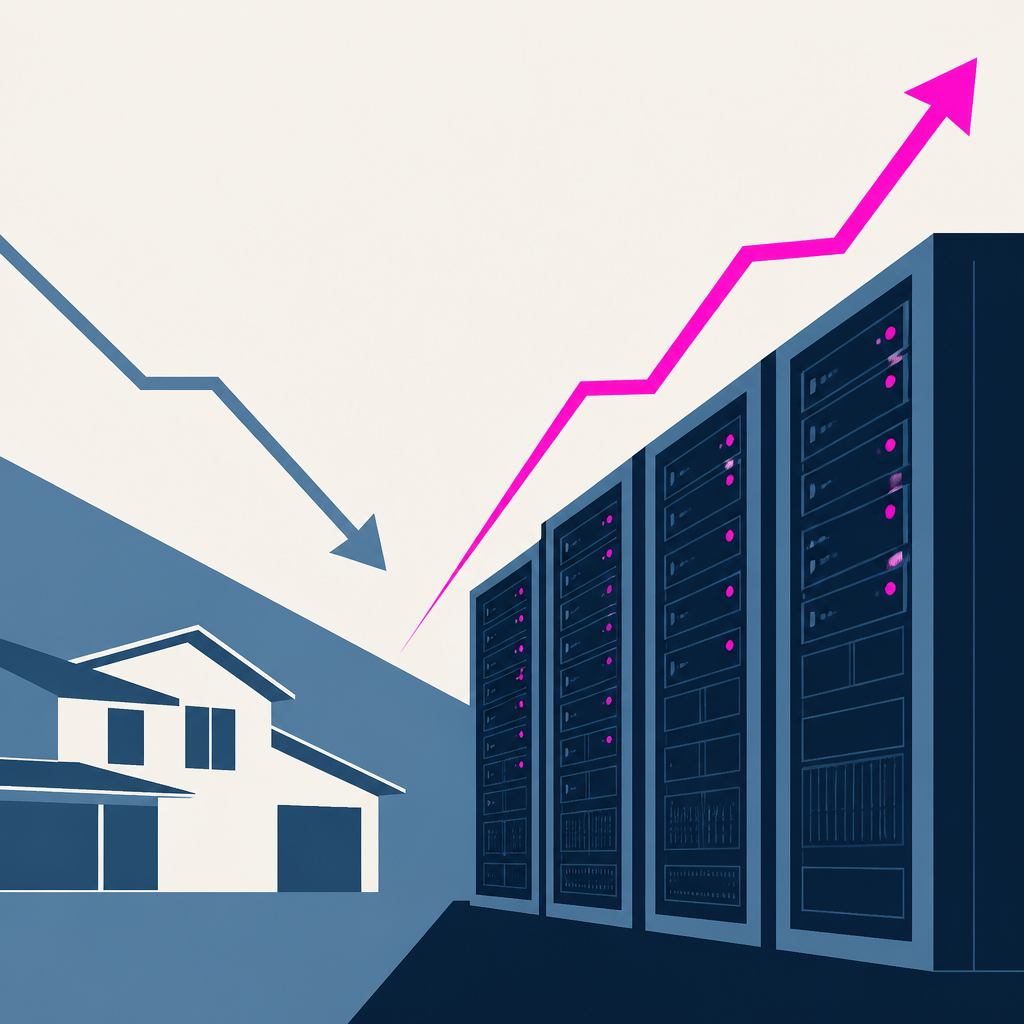
The U.S. economy’s investment focus shifted from residential construction to data-center and computer spending as AI infrastructure build-outs accelerated. Spending on information processing equipment rose 51% to $752 billion while real private residential fixed investment fell 18% to $748 billion. Hyperscalers’ capital expenditures are projected to exceed $1.3 trillion in 2027, with S&P warning this capex growth could lead to overcapacity before revenue catches up and capex flattens by 2028.
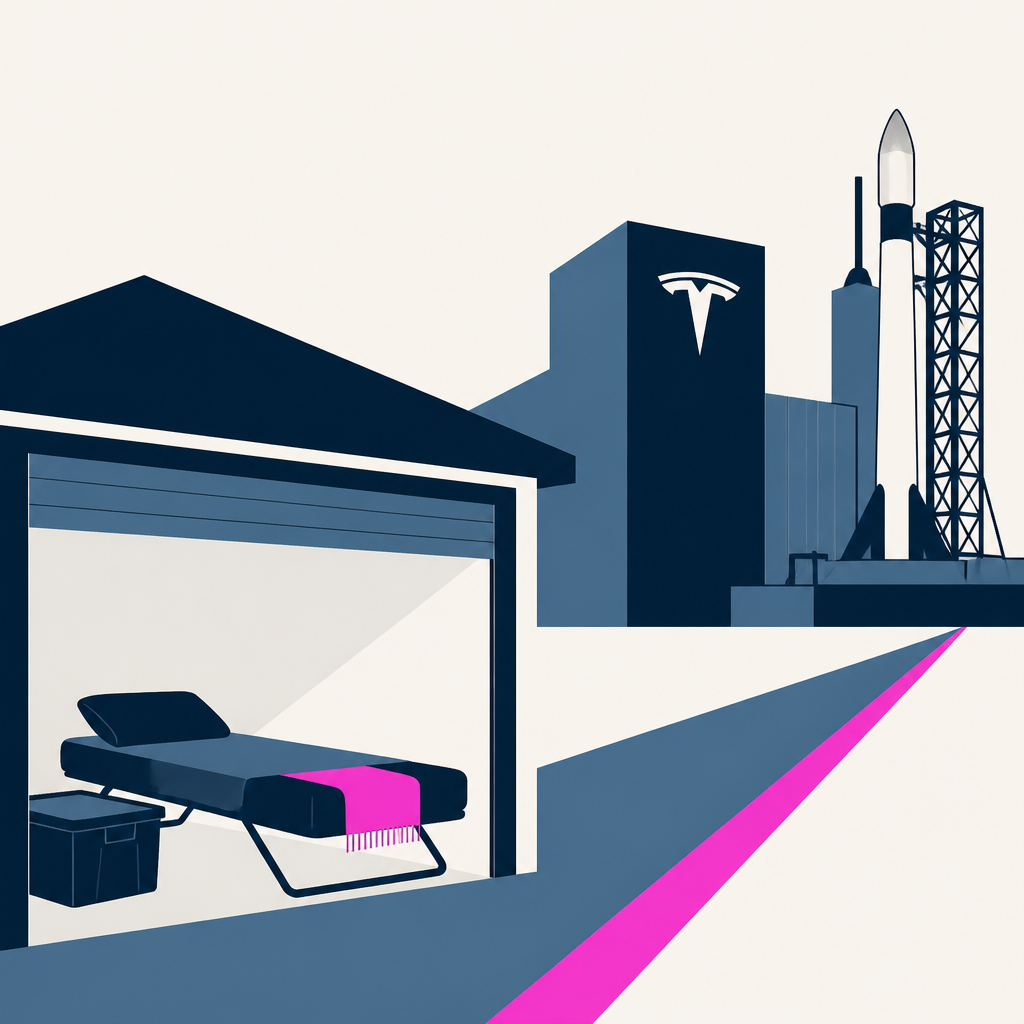
Maye Musk said she sleeps in a garage when visiting her son Elon Musk at SpaceX in Texas. She said the alternative was going 45 minutes to a hotel suite. The story doesn’t change any AI-related policy or product, but it illustrates how Musk and his family prioritize convenience over comfort while working on xAI’s expansion.
Huawei unveiled its next Ascend AI accelerators, including Ascend 960DT for training and Ascend 960PR for inference, plus the Atlas 960E SuperPoD system that can link up to 4,096 chips as one machine. The training chip, Ascend 960DT, targets delivery in Q1 2027 with 2 PFLOPS at FP8 and 288 GB of HBM. As a result, Huawei shifts toward agent-style AI workloads with higher compute, memory, and networking demand while also positioning its multi-chip systems to narrow performance gaps versus Nvidia’s Rubin, though vendor-cited peak benchmarks still lag at chip level.
Frontier Labs companies—Microsoft, Google, Meta, Anthropic, and OpenAI—have independently shifted toward a Palantir-style strategy for deploying AI inside institutions rather than focusing only on frontier model training. Within the last four months, they deployed $30B of capital, including acquiring or funding four ex-Palantir startups, and they are hiring 9,000+ Forward-Deployed Engineers. The change moves emphasis toward trusted, institutional knowledge access and integration work to turn machine outputs into economic value, which the article argues Palantir already figured out.
China unveiled the blueprint and concept art for its HL-4 tokamak at the Shanghai Fusion Energy Conference & Fusion Week 2026, aiming to enable steady-state fusion burning operation. The HL-4 design uses fully high-temperature superconducting magnets generating a 25 tesla field. Construction in Shanghai is underway with an expanded schedule to reach steady-state burning, including AI-driven operation and reliability testing of the superconducting magnets under fusion conditions.
Nscale filed its IPO prospectus with the SEC and plans to list on the NYSE under ticker NSCL, with details of how its AI compute business is built on largely undelivered contracts and concentrated customer and supplier relationships. It is targeting an about $30 billion valuation, after a $14.6 billion valuation in its latest $2 billion private round. Investors’ focus shifts toward delivery conditions, funding for remaining capacity, and whether financing and prepayment-driven cash flow can sustain operations through the build-out.
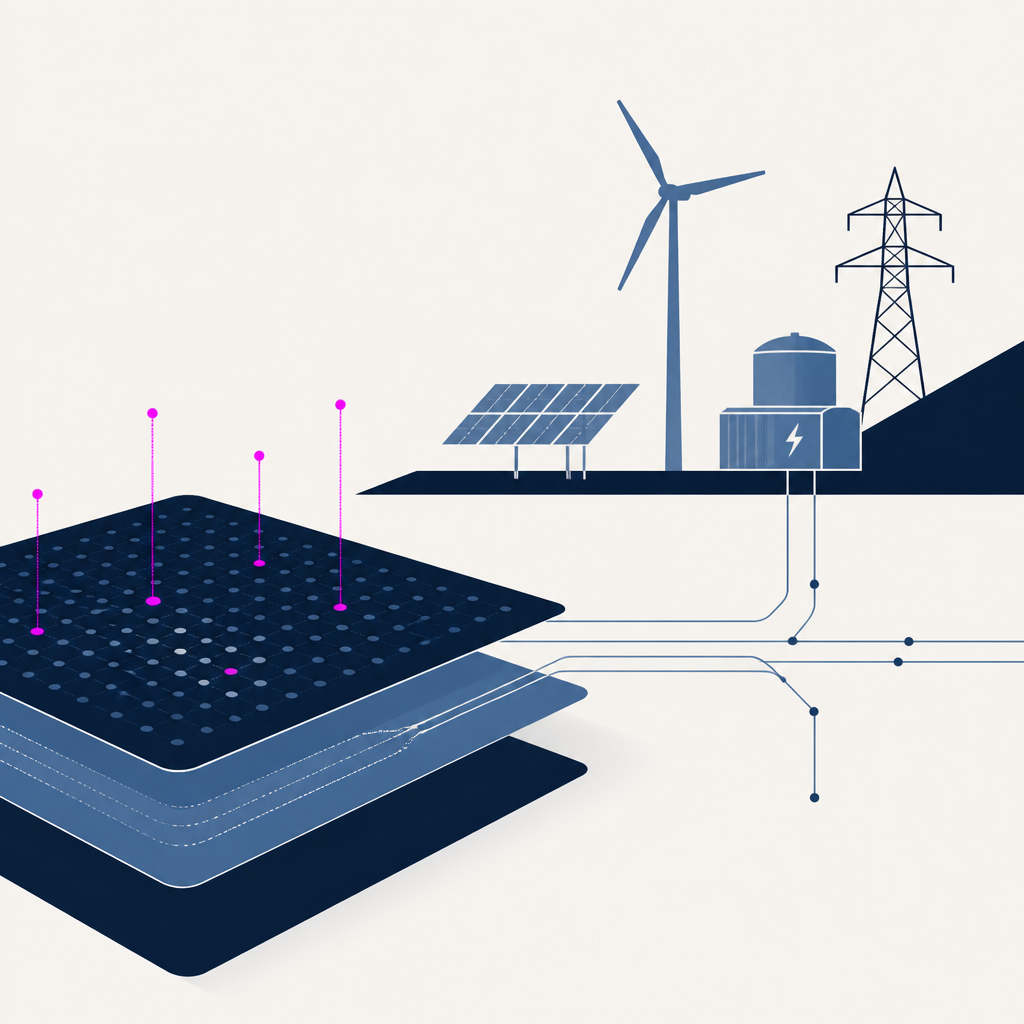
NVIDIA is promoting five clean-energy companies that use NVIDIA AI tooling to speed research, operations, and grid or power system integration. ThinkLabs, which uses NVIDIA CUDA for grid digital twins, reduced interconnection application evaluation time from 30–45 days to two minutes. As a result, utilities and energy operators can iterate faster and deploy solutions sooner, ranging from faster grid interconnections and nuclear operations support to AI-assisted off-grid power and digital twins for advanced reactors and fusion systems.
Nvidia’s planned free AI model is set to expand the UAE’s reliance on U.S.-aligned software on top of Nvidia chips. The model is due by the end of the year for anyone to download for free. The UAE’s approach to AI sovereignty is likely to shift from avoiding imported models toward using Nvidia’s open weights layer alongside or instead of its own Falcon-only strategy.
Apple announced the iPhone Duo at its iPhone hardware event, John Ternus’s first major product launch since taking over as CEO. The event marked Ternus’s debut less than two weeks after he replaced Tim Cook. Mark Gurman says Ternus is pushing a clearer AI point of view while Apple’s near-term AI progress still leans on existing devices, with more AI-native hardware like a smart home hub expected in roughly the next 1.5 years.
Metris Energy raised a $5 million seed round to build a unified data layer for managing energy assets, and introduced Metria AI to handle complex operational tasks. The funding brings its total to $7.5 million. The platform will expand its agentic capabilities and extend coverage beyond solar into wind and CHP while pushing further across Europe, especially Germany.
Valori was presented as a deterministic memory layer for AI discussion via a link page. No specific date, benchmark, or pricing was provided. With only this minimal reference, there’s no clear information on what will change beyond pointing readers to the described concept.
Project Ventures, founded by solo GP Shahryar Barati, announced a first close of its maiden fund to back pre-seed and seed startups in AI and deeptech with close ties to Imperial College London. The fund raised £1.2m in its first close. This enables the firm to start investing in early-stage AI and deeptech teams connected to Imperial.
tokenizers refactored its Rust library to make tokenization faster while preserving the same token IDs and API as v0.23. The release candidate reports 3 to 30 times faster single-threaded encoding on an Apple M4 Max. This changes performance so GPUs can spend less time waiting for CPU tokenization, and a crates.io v1 pre-release is available as an install target.
Every AI story that matters,
in your inbox by 8am.
TLDRocket reads all relevant sources, removes duplicate coverage, and summarises the
day in two minutes. Follow companies and topics for alerts, or get the
briefing in Slack. Free, no spam, unsubscribe anytime.
Reading TLDRocket needs no cookies, and the readership counts we rely on come from
our own cookieless analytics. Google Analytics is the exception: it sets cookies and
reports to Google, so it stays switched off until you allow it. You can change your
mind any time from “Cookie settings” in the footer.
Strictly necessary
Session security and form protection (tldrocket-session,
XSRF-TOKEN, 2 hours). The site cannot work without them,
so they need no consent.
Always on
Google Analytics 4 (_ga,
_ga_<id>, up to 2 years). Measures which
stories and sections readers use. Google acts as a third-party processor and may
store the data outside the EU. No advertising, no profiling, no data sold.