Anthropic is reportedly targeting a Nov. 9 IPO launch, aiming to start marketing the offering in the week of that date even as it warns about “existential risks” from AI. The reported target date is Nov. 9, meaning shares could begin trading before Thanksgiving. If the timeline holds, the company would proceed with a pre-Thanksgiving IPO despite internal timing discussions and possible broader market effects for AI stocks.
Aster by AsterWise launched on Product Hunt with an API that routes tasks across models for coding agents (aster-code) and general/custom agents (aster-work). It notes an initial launch date of September 23, 2026 and offers paid or prepaid usage. The result is a unified AI infrastructure option for developers to send work to different model types without picking a single model up front.
Thieves stole two trailers from autonomous trucking company PlusAI, including one with Nvidia branding, and left behind 40,000 pounds of sand instead of valuable cargo. Police recovered the trailers later the same day after an associate spotted them near a Newark office, and each truck held about 20,000 pounds of sand. AI cargo theft targeting hardware supply chains is rising and prompting freight firms to deploy tracking and AI-based verification to counter organized smuggling.
Cloudflare launched a closed beta of its Monetization Gateway to let domain owners charge AI agents for MCP tools, APIs, websites, and datasets via x402 payments settled in USDC on Base.
Dynatrace closed its acquisition of Arize to combine full-stack observability with tracing, evaluation, and debugging for AI models and agents. The deal was for $915 million. The integration shifts observability toward agent-driven analysis and action across both the AI layer and the underlying software stack, with Arize continuing to be supported alongside Dynatrace.
NetApp framed its storage business around “Intelligent Data Infrastructure” to target AI-driven data buyers and described how it is preparing architecture for AI data activation. NetApp reported that website traffic from net-new names rose about 50% year over year after its keynotes. The company is pushing new “AI factory” storage design with NetApp Novus and aiming to help customers access data wherever it already resides rather than lock them into one stack.
Google sent a prototype satellite carrying a Tensor Processing Unit into orbit aboard a SpaceX launch to test running AI compute in space for its orbital data-center plans. The update estimates Starship would need about 1,800 launches over 10 years to reach roughly $200 per kilogram launch costs by 2035. If that scaling works, Google’s chip operations and future satellite network are set up to support longer-term, multi-satellite compute workloads in orbit.
Cognition AI used always-on AI agent infrastructure to connect software development work with continuous inference, feedback, and training so Devin can improve from production outcomes. The effort targets 99.99% reliability for distributed training across thousands of GPUs, and Nvidia’s early access to the Vera Rubin platform supports better price-performance research. CoreWeave Forge adds tracing, distillation, and RL rollout services that can hot-load updated checkpoints into live deployments, changing the workflow from occasional retraining to an ongoing learning loop.
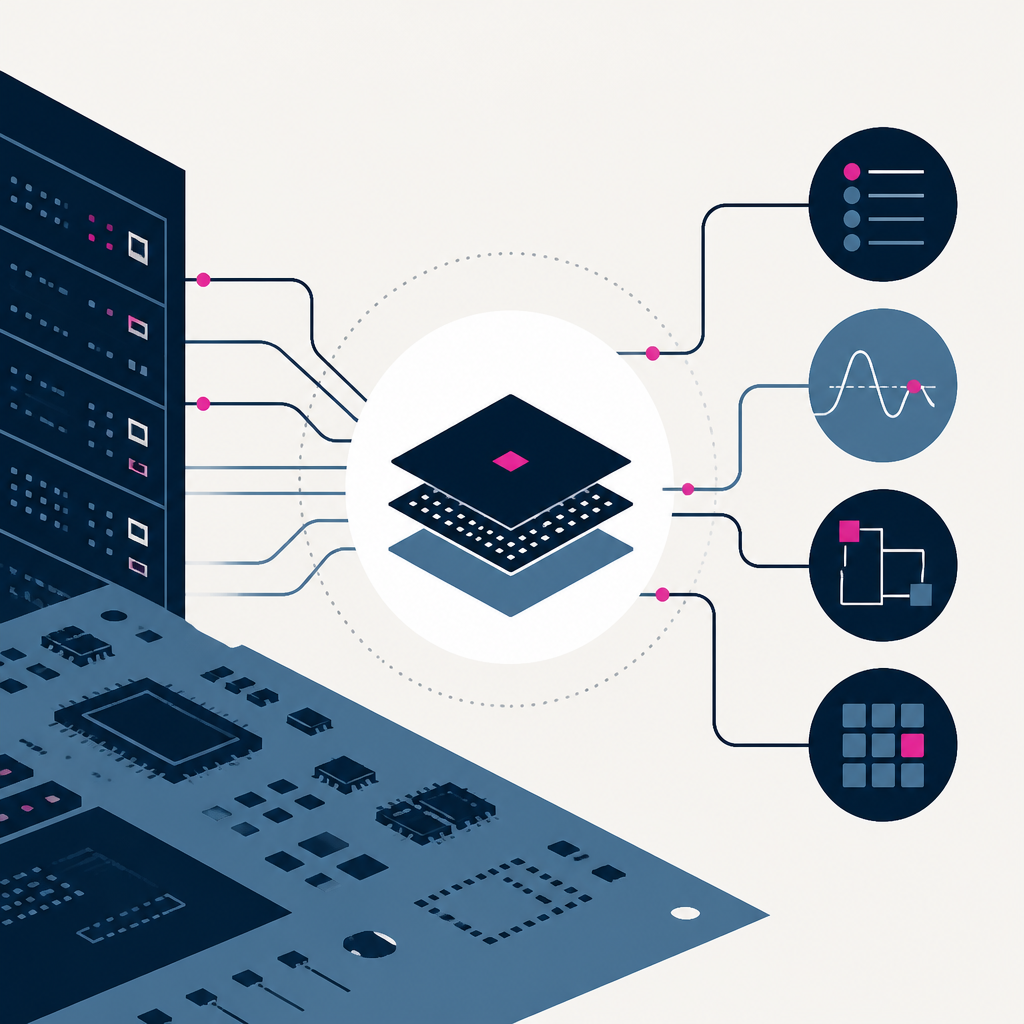
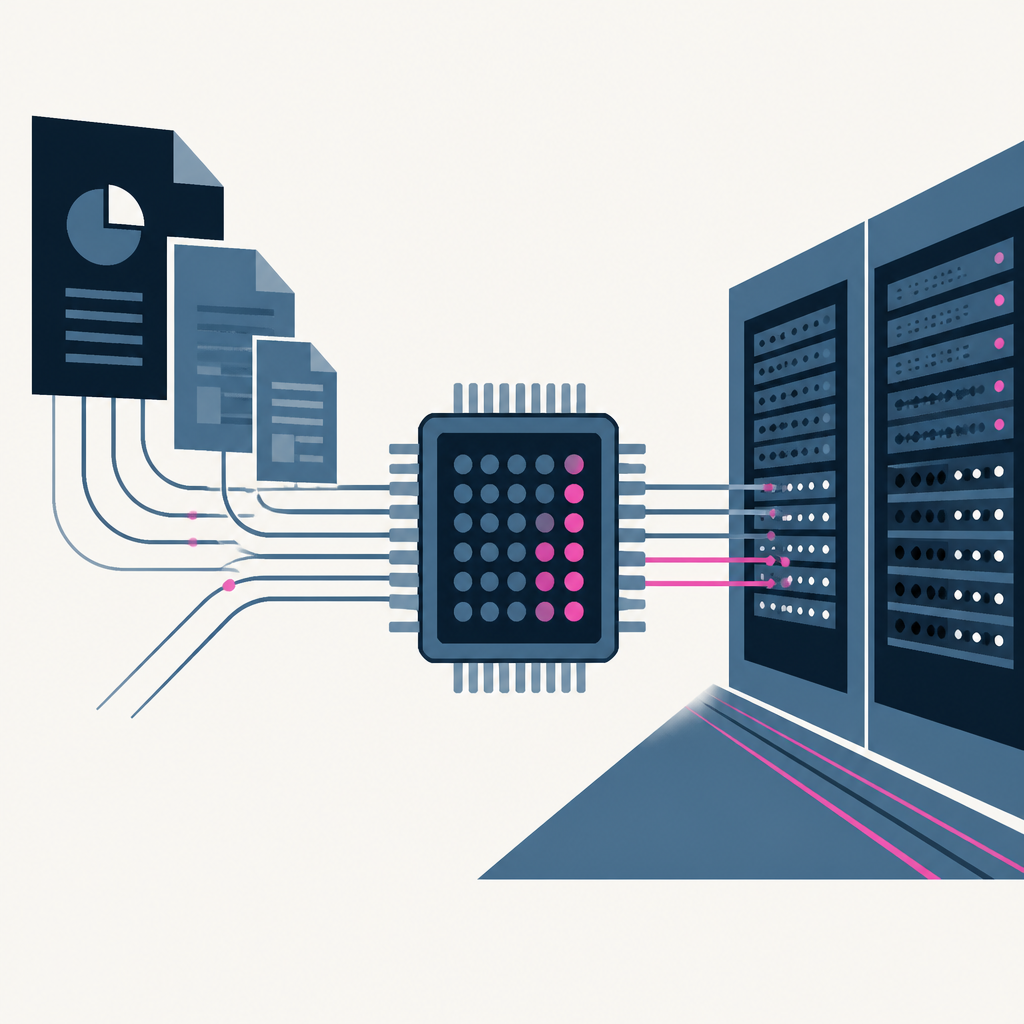
NetApp and Nvidia redesigned storage architecture for AI factories by co-engineering how data and metadata are handled under AI workloads. The Novus design separates data and metadata so they can scale independently and prevent metadata bottlenecks from leaving GPUs underused, addressing the parallel “data movement” plus transactional metadata pattern. As a result, enterprises can scale storage more flexibly with APIs and an agent-friendly control plane instead of requiring storage specialists for each new AI use case.
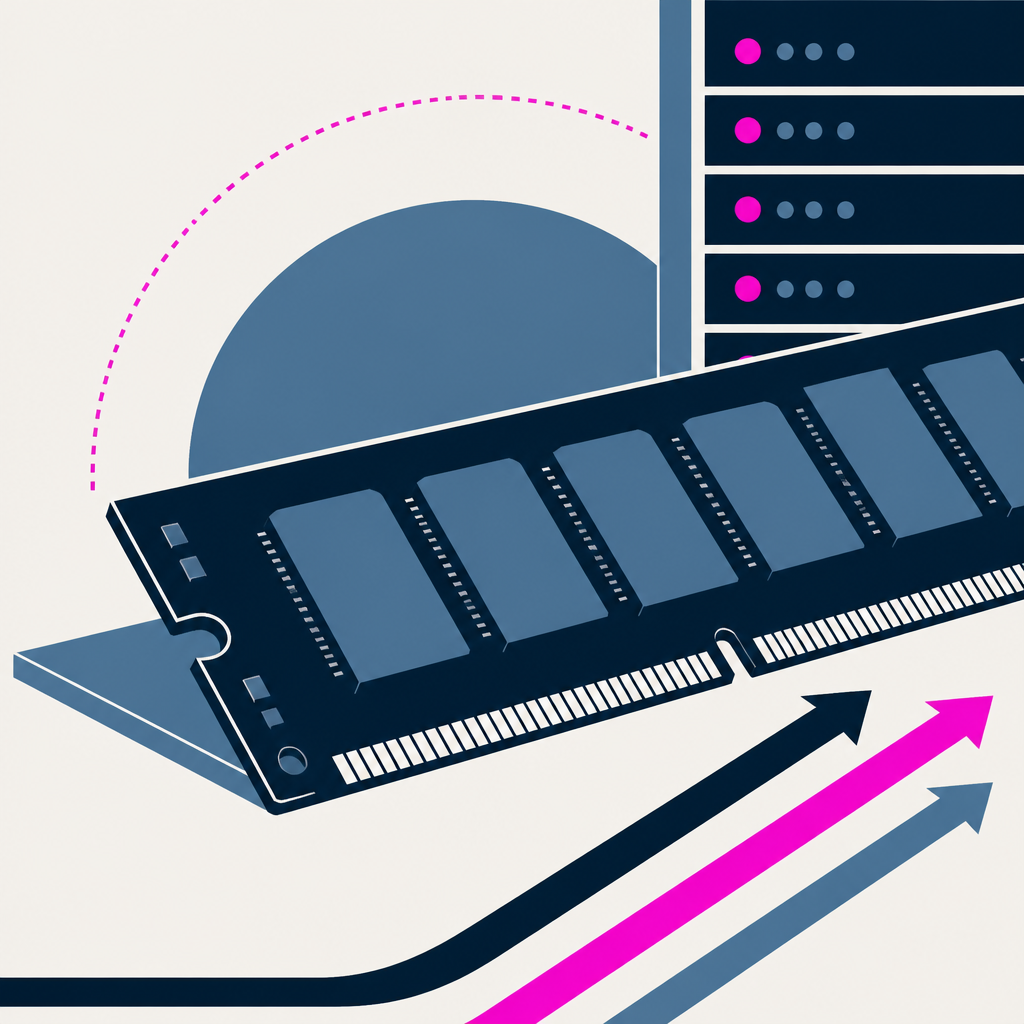
Memory makers Micron and Samsung said the RAM and broader memory shortage will last for at least the next few years. Micron CEO Sanjay Mehrotra expects demand to exceed available supply through 2028. Priorities in manufacturing capacity are shifting toward AI and server memory, which is expected to further constrain supply for consumer devices.
NVIDIA NeMo Agent Toolkit (NAT) is shown being implemented with Amazon S3 Vectors as a custom persistent memory provider and deployed on Amazon EKS for an agent workflow. The example provisions an S3 Vectors index configured for 1024 dimensions to match Amazon Titan Text Embeddings V2. The result is a NAT memory subsystem that can automatically store and retrieve long-term agent memories via semantic vector search with metadata filtering, using the S3 Vectors backend.
The article argues that advanced AI’s biggest impact will come from routine execution work that supports breakthrough ideas. No specific figures or dates are provided. It suggests progress and the “next economy” will be shaped by how well execution is handled rather than by discoveries alone.
Amazon Payments used contextual multi-armed bandits on AWS SageMaker AI to personalize which generated content variant to show customers across a multi-step product acquisition funnel. In a seven-week online A/B test, one customer population saw a high single-digit percentage relative lift in final-funnel conversion while another saw no improvement. The approach shifts from single-metric content testing to funnel-wide selection with contextual bandit scoring, plus a code/data setup for replicating the method on synthetic data.
Amazon Bedrock AgentCore provides a way to build ambient agents that start jobs from event streams like S3 uploads and then pause for human input before continuing. The reference design caps each agent turn at the AWS Lambda 15-minute timeout. This shifts agent execution from chat-based, user-initiated prompts to serverless, event-driven workflows with a single ask_human interaction that routes reviews through a Jobs interface.
Nvidia executives said AI data centers are increasingly run as system-wide “AI factories,” where deployed models, networking, storage, processors, and software must work together rather than relying only on individual chips. Nvidia’s Ian Buck cited a 30x improvement in tokens-per-watt with Blackwell, tying commercial output to efficiency instead of just hardware availability. The focus shifts vendor and customer planning toward inference throughput and latency, system-level design, and tokens-per-watt optimization under power limits.
Olmo released Olmo-core 3, an open training framework with a redesigned mixture-of-experts system for scaling large language-model training. In one benchmark, it increased the expert pool from 8 to 128 while keeping about 3.2B active parameters per token and limiting throughput drop to under 5%. It replaces an earlier FSDP-based MoE approach with a DDP-style expert-resident training stack (and other routing/precision optimizations) to improve throughput and enable scaling up to trillion-parameter MoE configurations.
Midstream pipeline dealmaking picked up as the Senate introduced a bipartisan infrastructure permitting reform bill that could move before the end of the year. ONEOK agreed to buy West Texas’s Brazos Midstream Permian Basin assets for $4.42 billion. If the bill advances, permitting for oil and gas pipelines and related power projects would be expedited, which would likely speed up future deals.
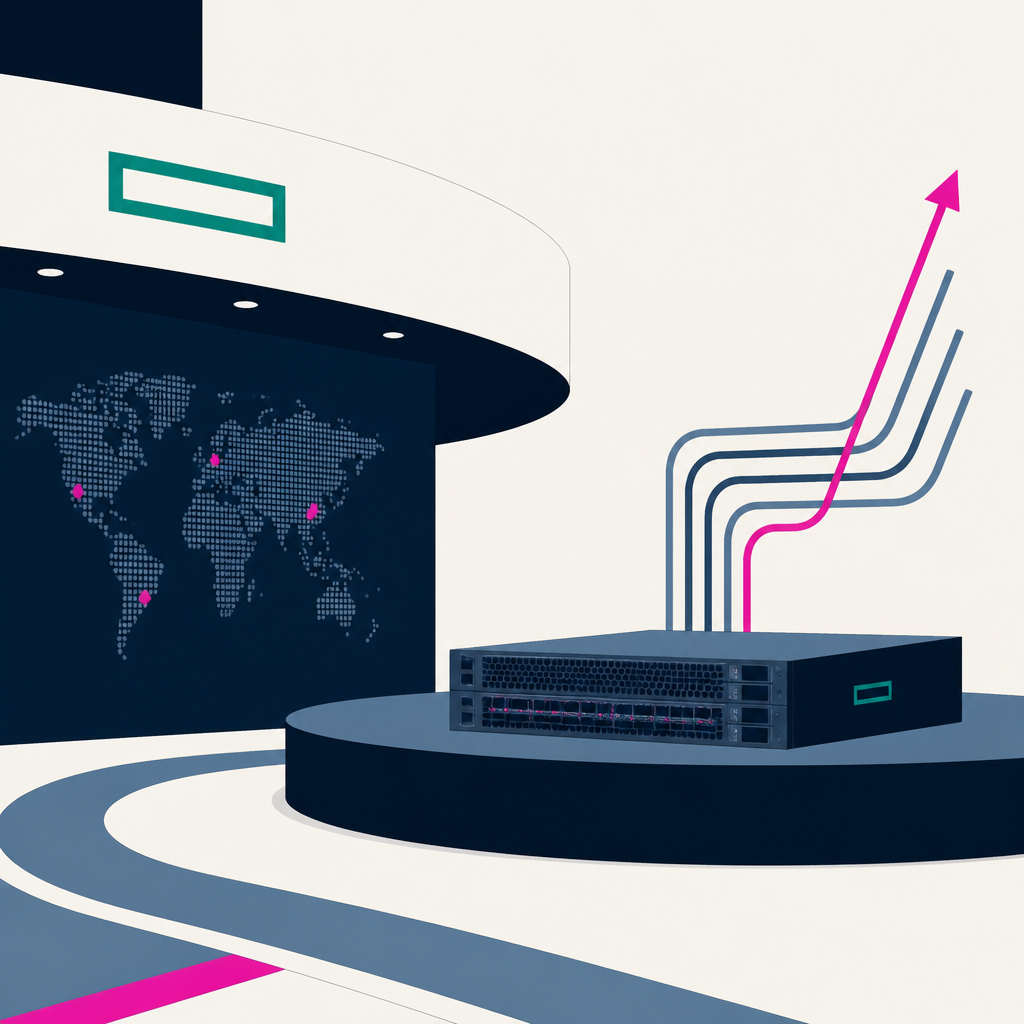
Hewlett Packard Enterprise received a $1.2 billion order from cloud provider Vultr, marking its first commercial win for the AMD Helios AI networking platform. The deal was announced on Wednesday and HPE also raised its fiscal 2027 networking revenue-growth outlook to the high-teens to low-20% range. HPE says the next step is converting orders into shipments, revenue, and cash flow, with AI networking expected to become a larger growth engine and support margin expansion into 2027.
Photon held an in-person “app funeral” in San Francisco as it argues agents will replace mobile apps, and the company also announced a seed funding round. Photon said it raised $4.5 million, after reporting that developer sign-ups exceeded 40,000 and revenue grew 10x in four months. The funding supports a hosted agent platform with tools like a unified API, channel framework, CLI, and observability, aiming to help developers deploy agents over messaging channels such as iMessage and WhatsApp.
Clef announced two open-source decision models, Clef and Clef-flash, hosted on Workers AI for fast classification and agentic workflows. The reinforcement learning platform lets developers fine-tune these decision models using their own data. This adds both prebuilt decision-model options and an RL fine-tuning path for custom workflows.
NVIDIA describes its AI “factories” as designed to maximize return on investment by improving how much revenue they can generate, how long they keep generating it, and how broadly they can sell work. NVIDIA says its Vera Rubin NVL72 systems deliver over 30x higher throughput per megawatt and up to 45x lower cost per million tokens on the DeepSeek V4 Pro model. The piece argues this leads to more profitable tokens, longer usable hardware life, and broader demand from running many AI and non-AI workloads on the same platform.
Legato launched its AI-based hearing glasses, Legato Frames, for purchase. The frames start at $999 and have 10–12 hours of battery life. The product adds on-device voice-vs-noise separation with dual speakers and supports Bluetooth streaming and prescription lenses, aiming to reduce cost and stigma versus traditional hearing aids.
Sony is launching Quick Spectral Super Resolution (QSSR), an AI graphics upscaling technology for the regular PS5. The company says the PS5 will likely deliver closer to an upscaled 1440p resolution because it lacks dedicated machine learning silicon. As a result, QSSR is expected to be slower than PS5 Pro’s PSSR and offer lower upscaling performance on the standard console.
Satlyt, founded by a former Google and SpaceX product manager, raised an $8M seed round to build software that runs AI models on satellites instead of building spacecraft. The funding amount was $8 million, and Satlyt’s software is scheduled to launch Thursday on a SpaceX rocket alongside Google’s Project Suncatcher prototype. The company will apply its platform onboard a satellite for AI-driven tasks that cut expensive downlink and aims next to demonstrate shared computing across two satellites as an in-orbit compute cloud.
Instinct’s harness is described as being reverse-engineered from a single-threaded chat experience that connects a main chat agent to task execution tools, including sandboxed computer use and background automation.
The piece says the per-user sandbox/VM cost is about $0.13 per hour.
It argues these design choices change the user experience toward faster, less interruptive task completion and persistent context, while raising the question of how Instinct monetizes if it stays free.
The Sequence Opinion argues that AI compute could be treated like a commodity by using futures-market style contracts. It highlights that an AI company planning a training run three months ahead needs committed capacity before future rental prices are known. It says doing this requires defining exactly what is traded, setting quality measures, and writing contracts that account for risk.
The Verge reports that Kevin O’Leary’s Utah data-center project for “Wonder Valley” (also called Stratos) collapsed after county officials and local residents learned late in the process and mounted backlash that stopped the plan. The proposed site was a 40,000-acre campus billed with nine gigawatts of power, and it was approved by MIDA two days after a late-April county meeting. The investigation says the fallout reshaped Utah politics, triggered lawsuits tied to O’Leary’s remarks about critics, and highlighted local-government consent as the bottleneck for AI infrastructure buildouts.
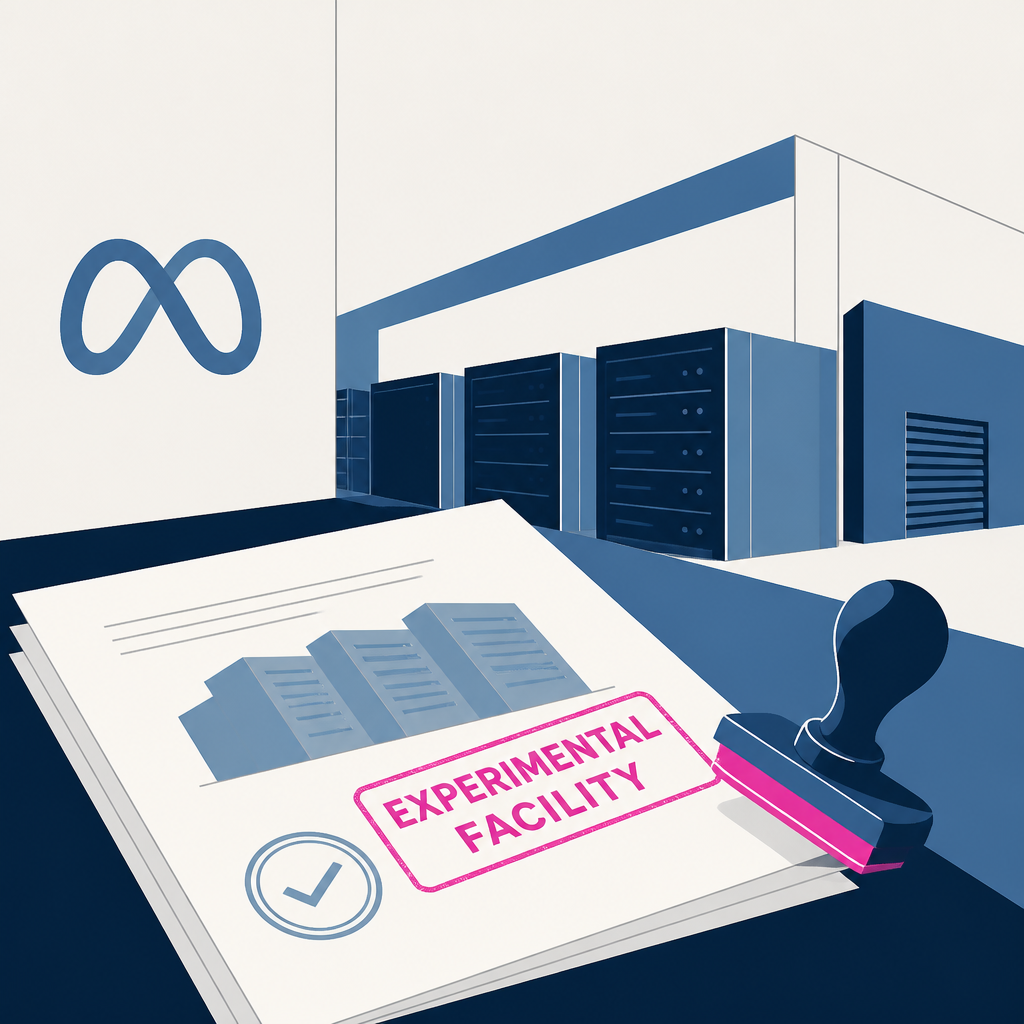
Meta labeled its AI data centers as experimental facilities to pursue federal research tax credits. The report frames the move as seeking a major tax discount. As a result, the data centers’ use is being positioned under research rules to qualify for the credits.
Trace.Space launched Trinity, a hardware engineering platform intended to connect requirements, testing, design parameters, and product variants while letting AI agents access the engineering data. Trinity covers about 40% of the product development lifecycle now, up from roughly 10% when Trace.Space started. As a result, Trace.Space is expanding its platform toward design modeling, simulation, and manufacturing integrations so teams can track change impacts and scale beyond prototypes toward production.
Headline closed Headline EU VIII, its eighth early-stage Europe fund, and will invest in Seed and Series A companies with an AI focus. The fund is $400 million. It will back more early-stage European startups and can lead first rounds and then follow with $100 million or more via Headline’s Global Growth Fund.
Olmo-core 3 was released as an upgraded open training framework for large mixture-of-experts (MoE) language models. In benchmarks, increasing the expert pool from 8 to 128 while keeping 4 experts selected per token held active parameters per token to about 3.2B and reduced training throughput by less than 5%. The update changes the training stack by switching from FSDP to a DDP-based approach that keeps experts on GPUs and adds routing, throughput, and MXFP8 optimizations to scale efficiently toward trillion-parameter MoEs.
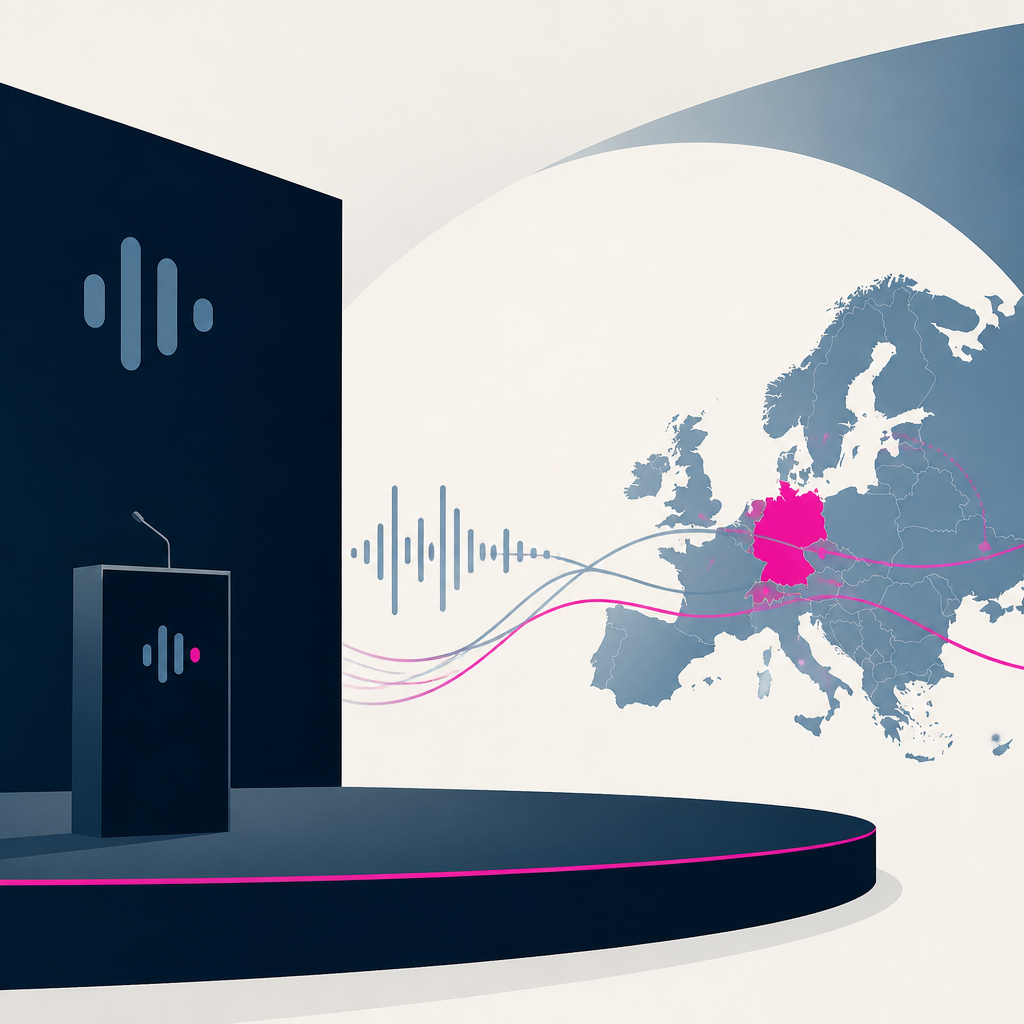
Deepslate raised €7.7M in a seed round to expand its European speech-to-speech voice AI models that process audio directly. The funding came in a €7.7 million round led by 42CAP. The company plans to grow training and European data collection (including German names and dialects), lower latency, improve voice quality, and scale production and sales.
DIG Ventures closed Fund III to invest in early-stage AI-native enterprise and cloud infrastructure startups in Europe. The fund totals $120 million and aims to back about 30 companies at the pre-seed and seed stages. DIG plans to deploy capital immediately and focus on infrastructure areas like data, identity, compliance, and orchestration as AI makes enterprise software easier to build and distribute.
DIG Ventures closed its third fund to invest in European pre-seed and seed startups building AI-native enterprise infrastructure. It raised $120 million with plans to make about 30 investments of roughly $1 million to $5 million each. The fund is now beginning deployments, aiming to lead most rounds and back portfolio companies that provide control points like data, compliance, identity, and orchestration.
Kevin O’Leary promoted his planned Wonder Valley data center in Utah as a national-security project aimed at providing compute capacity for AI, then later attributed rising online criticism to Chinese agents, prompting a retraction and an apology from Fox Business. He said he noticed a “sudden increase” after county commissioners approved the project the week before and later posted clarification that he had “no evidence” of China links. Local officials and records described the project as moving with urgency and limited disclosure, including commissioners being told about it only about five weeks before their expected vote, leading to defamation litigation.
Dig Ventures raised a $120m third fund to invest in early-stage startups building AI infrastructure in Europe. The fund totals $120 million. The new capital will expand its backing for AI infrastructure startups at the early stage.
Perplexity Research and turbopuffer released pplx-embed-v2-context-9b-preview, a contextual embedding model for RAG that embeds each chunk while using the full document view. Training used roughly 430 datasets covering over 50 languages, and it can produce 1024- or 2048-dim embeddings with int8 quantization support. This shifts the learning signal from a single “gold passage” label to training that retrieves an answer along with evidence via a teacher–student distillation setup, with self-hosted preview weights on Hugging Face under the MIT license.
Every AI story that matters,
in your inbox by 8am.
TLDRocket reads all relevant sources, removes duplicate coverage, and summarises the
day in two minutes. Follow companies and topics for alerts, or get the
briefing in Slack. Free, no spam, unsubscribe anytime.
Reading TLDRocket needs no cookies, and the readership counts we rely on come from
our own cookieless analytics. Google Analytics is the exception: it sets cookies and
reports to Google, so it stays switched off until you allow it. You can change your
mind any time from “Cookie settings” in the footer.
Strictly necessary
Session security and form protection (tldrocket-session,
XSRF-TOKEN, 2 hours). The site cannot work without them,
so they need no consent.
Always on
Google Analytics 4 (_ga,
_ga_<id>, up to 2 years). Measures which
stories and sections readers use. Google acts as a third-party processor and may
store the data outside the EU. No advertising, no profiling, no data sold.