Simon Willison’s Weblog·1 week ago·
48
● 2 sources
ttok 0.4 updated the CLI token-counting tool, fixing a Click warning and modernizing CI while adding a --list-models command using OpenAI’s tiktoken library. The release adds a --list-models option to show available models. As a result, the tool is easier to run via uvx and can display model names instead of only counting tokens.
iwant launched a one-command system for hosting AI models (including DeepSeek and others) on GPUs it provisions by scanning GCP regions and setting up vLLM plus an OpenAI-compatible endpoint. It focuses on getting an endpoint, an API key, and SSH access included in the single launch flow. As a result, developers can deploy self-hosted model services quickly instead of manually finding GPUs, provisioning instances, downloading models, and configuring vLLM.
Anthropic released Claude Dashboards in beta, letting Claude generate live dashboards that reveal the underlying queries and refresh as data changes. Claude Dashboards is available in beta on paid plans. It adds new enterprise reporting capabilities (including query transparency and exports) alongside Claude Motion and new default availability for Docs, Slides, and Design on October 15.
Email client service for people with AI agents was launched with unlimited addresses, a keyboard-first inbox, agent inboxes, and a REST API plus CLI and remote MCP server. It costs $20/month. As a result, developers can integrate their AI agents via API/CLI/MCP and manage multiple agent inboxes under a single domain email service.
Anthropic committed $150 million over three years to fund the U.S. federal Genesis Mission and make Claude available to more than 15 participating agencies. The investment provides Claude, Claude Code, and API credits to several hundred Genesis Mission research projects. This expands Anthropic’s AI support for federal labs and agencies via new onboarding, training, and technical assistance so more projects can run using its tools.
SalesRep.com launched a virtual sales rep that sells for businesses 24/7 across WhatsApp, Instagram, Messenger, email, and SMS by pulling live product data from Shopify and other sources. The full service starts at $39 per month with a 21-day free trial requiring no credit card. This adds automated product card sending, quotes, multi-language customer responses, and ongoing follow-ups with a human takeover option at any time.
Ben’s Bites reported a roundup of new AI agents, model releases, and tooling updates across companies including ChatGPT, Anthropic, Google, Grok, and various productivity apps. The most specific figure mentioned is that Claude Haiku 5.5 costs about 75% less to run than Haiku 4.5. As a result, more interfaces and image/chart/map-capable outputs are rolling out to users, while some services add usage credits or new integrations for building agent workflows in apps like Slack, Docs, and Cursor.
Elon Musk announced that SpaceXAI’s Grok Bot will stop relying only on in-house Grok models and will use a different “best back end” model per task. Claude Opus 5.5, Midjourney, and Suno are named as examples of third-party models Grok Bot may route to. This shifts Grok Bot to model routing across multiple providers instead of using Grok exclusively, and it does not specify which tasks go to which model.
The author connected Grok Bot to an Upstash Box via the Upstash MCP server so the assistant could drive a real remote machine, build and run code, and return usable outputs like live URLs and pull requests.
The article shows that storing streamed AI output as tokens (or not storing anything) can make late joiners like refreshed browsers or agent handoffs see nothing, fragments, or restarted responses. Flushing every 20 tokens reduces writes by a factor of 20 but makes an agent console read up to 20 tokens (about 200ms at 100 tokens per second) behind what the customer sees. Message appends store the full response as one growing message so late joiners get the response so far and a live tail without per-token database writes, but using that requires message-append infrastructure rather than simple token streaming.
An article explains how a minimal OpenAI-compatible agent API can silently break context when scaled across replicas without moving conversation state out of the process. In a POC benchmark with 200 conversations of four turns each, deploying the monolithic endpoint on 3 machines produced a 75.0% loss rate. It recommends redesigning the API around stateless conversation storage and bulkheads, splitting chat and tool execution into separate services and using a shared database substrate to keep context consistent across replicas.
Google is launching a universal Gemini AI agent that can carry out work tasks across apps and devices in the background. It was announced on Thursday at the Gemini at Work event. The agent will be available in the Gemini Enterprise app and will integrate with Workspace apps and platforms like Slack and Microsoft 365 while keeping context in the cloud.
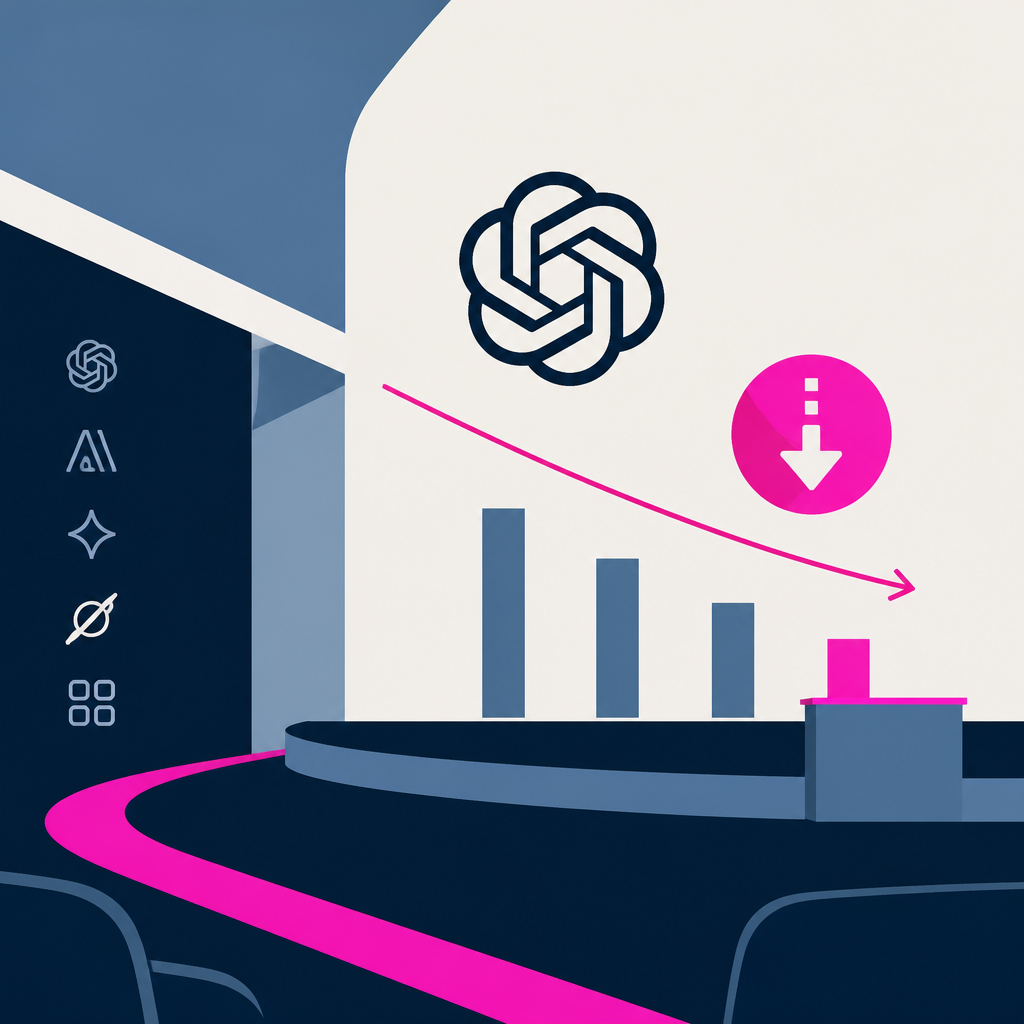
Anthropic launched Claude Haiku 5.5 and lowered API prices for the model. The article says it matches OpenAI’s GPT-6 Luna to the penny. Average job costs dropped versus the prior Haiku version, and cache-read pricing was cut in half.
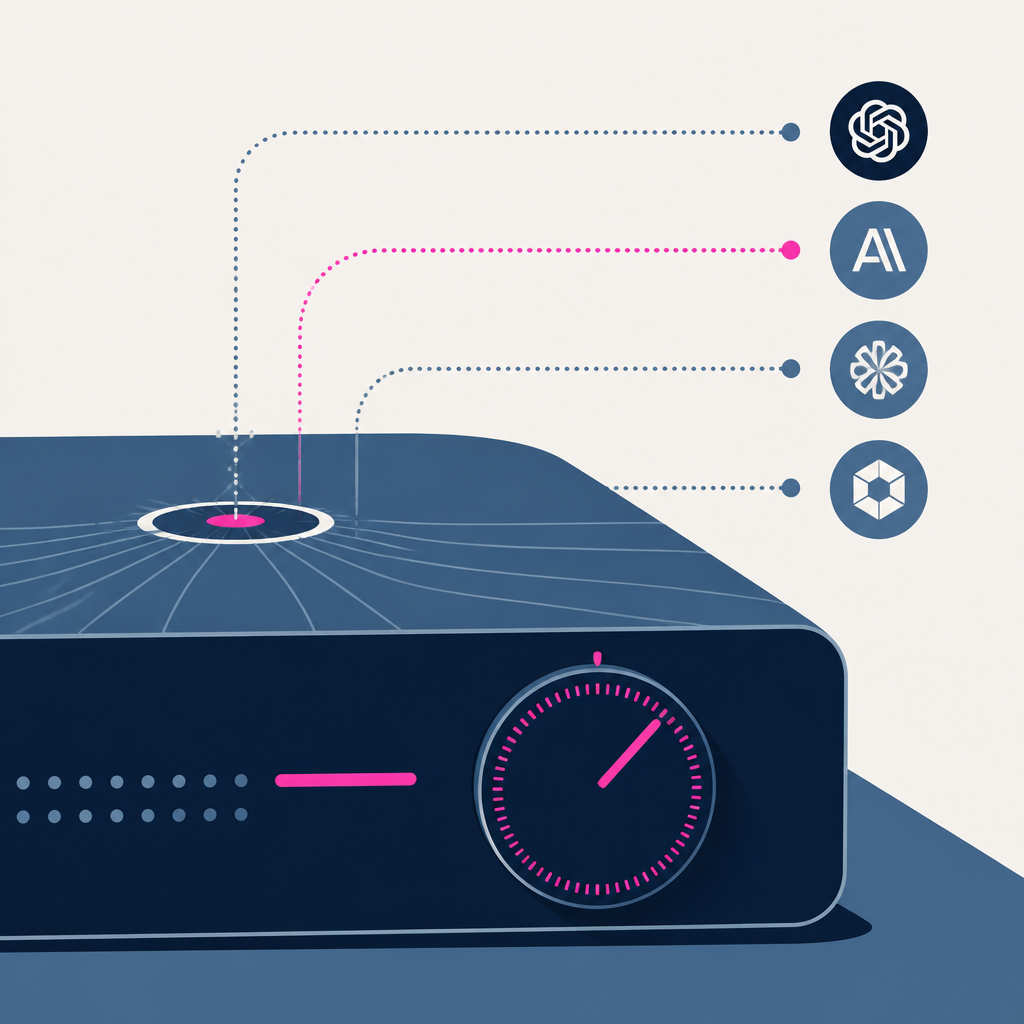
Architect Financial Technologies launched Liquid Inference, a router that runs a per-request live auction for LLM inference across providers bidding to serve a named model. The maximum price is locked before the first token is generated. Buyers can swap to an OpenAI/Anthropic-compatible base URL to use marketplace-style pricing with rule-based controls, while providers bid quotes and get payouts through Stripe for metered usage.
Trophy launched its second set of MCP servers to let users interact with their Trophy account from AI tools instead of using the dashboard. The launch is happening today. As a result, users can configure gamified features through AI-tool integrations using Trophy’s MCP servers.
BrightBean Studio launched as a free, open-source alternative to Buffer for social media scheduling, publishing, and team inbox/approval management. It supports scheduling and publishing to 10+ platforms. It adds AI agent connectivity via a built-in MCP server and REST API.
Every AI story that matters,
in your inbox by 8am.
TLDRocket reads all relevant sources, removes duplicate coverage, and summarises the
day in two minutes. Follow companies and topics for alerts, or get the
briefing in Slack. Free, no spam, unsubscribe anytime.
Reading TLDRocket needs no cookies, and the readership counts we rely on come from
our own cookieless analytics. Google Analytics is the exception: it sets cookies and
reports to Google, so it stays switched off until you allow it. You can change your
mind any time from “Cookie settings” in the footer.
Strictly necessary
Session security and form protection (tldrocket-session,
XSRF-TOKEN, 2 hours). The site cannot work without them,
so they need no consent.
Always on
Google Analytics 4 (_ga,
_ga_<id>, up to 2 years). Measures which
stories and sections readers use. Google acts as a third-party processor and may
store the data outside the EU. No advertising, no profiling, no data sold.