Alta, founded by Jenny Wang, raised a $20 million Series A to build its AI styling app and expand its fashion-industry enterprise services. The round was led by Forerunner, which pre-empted it and added Eurie Kim to Alta’s board. Alta will use the funding to expand its 10-person team, pay for AI infrastructure, and localize the product across markets.
Goldman Sachs economist Joseph Briggs says concerns about imminent AI-driven labor displacement have cooled since the spring, but that disruption is likely to intensify during a recession. He estimates up to 9% of U.S. workers could be displaced during the AI transition, with an additional 3% impact from slower hiring, or about 1 in 11 workers. As a result, the article argues AI-related job losses will track the broader economic cycle, so layoffs may not peak until the next downturn.
Meta’s Muse personal AI agents reached more than 10 million users in Canada and the U.S. after launching on Sept. 8, and demand was high enough that Meta worked with Stripe to raise credit limits in the first week. The typical Muse purchase is over $200, with adoption beginning on Sept. 8 and credit-limit changes made during the first week. Meta plans to monetize Muse earlier than usual by charging businesses a fee when Muse helps complete sales, while also aiming to expand toward a Personal Agent Protocol and improve compute efficiency by more than 10x over the next year.
Andreessen Horowitz rebranded its blockchain-dedicated venture fund from a16z Crypto to a16z Frontier while expanding to back startups in artificial intelligence, robotics, and other emerging technologies.
BoxGroup partner Claire Smilow helped it invest in Cursor after backing founder Michael Truell, and Cursor later grew and was acquired for $60 billion in 2026, yielding an estimated $1 billion return for BoxGroup. BoxGroup initially put $750,000 into Cursor. She is now scouting US college campuses, including Harvard and MIT, to find early talent in frontier areas like AI coding, robotics, quantum computing, and brain-computer interfaces.
OpenAI is reportedly working to secure a new private funding round instead of moving directly ahead with an IPO, according to sources. The round would raise up to $30 billion at a $1.25 trillion pre-money valuation, potentially following earlier reporting of the same amount at a $1.4 trillion valuation. If it closes at a valuation above $1 trillion, it could set a record for a private company and make the planned IPO harder to price while affecting expectations for Anthropic’s IPO.
Modal’s CEO Eric Bernhardsson said the company has grown through an infrastructure approach aimed at truly serverless AI compute rather than fixed “rectangular” GPU capacity contracts. Modal reported crossing $1 billion in annualized run rate after raising a $750 million Series D at a $16B valuation and spinning up nearly three billion sandboxes. The model shifts how customers buy and run compute by pooling capacity across customers and enabling faster, smaller elastic slices for workloads like agent sandboxes.
The article surveys major tech companies’ earnings updates, investor-call claims, and business moves tied to AI and automation ambitions. It cites Meta saying it would have earned over $22 billion without a child safety settlement. As a result, the roundup frames which firms are funding and delivering AI-driven growth versus which are facing delays or weaker results.
The Analyst Impact Fund at Goldman Sachs selected the Frankfurt team Every Cure as its winner after analysts pitched charitable projects to CEO David Solomon and executives. Every Cure won $250,000, with a total of $650,000 awarded collectively and 1,063 analysts competing in 2026. The program is shifting as more analysts use AI in their pitches and the winning teams use the funding to expand and accelerate tech-enabled charitable work, including AI-powered research and other initiatives.
Legora’s CEO announced the company raised a $550 million Series E, valuing it at $8.8 billion this week. The funding round was led by Atreides Management and takes Legora’s annual recurring revenue to more than $200 million. The company says it will expand its AI agentic operating system and legal-engineer service so customer value drives its pricing and growth, with AI adding work rather than replacing lawyers.
Körber is acquiring a stake in the German robotics software company NAiSE to expand its vendor-agnostic fleet management collaboration for mixed AGV/AMR fleets across production and warehouses. NAiSE, founded in 2017 and self-funded to date, provides Fleet Management Software that links vehicles and systems through a standardized integration layer configured alongside existing WMS/WES/WCS systems. The investment shifts the relationship into a strategic partnership, with both companies developing new intralogistics use cases and NAiSE continuing to develop its platform and ecosystem for joint and new customers.
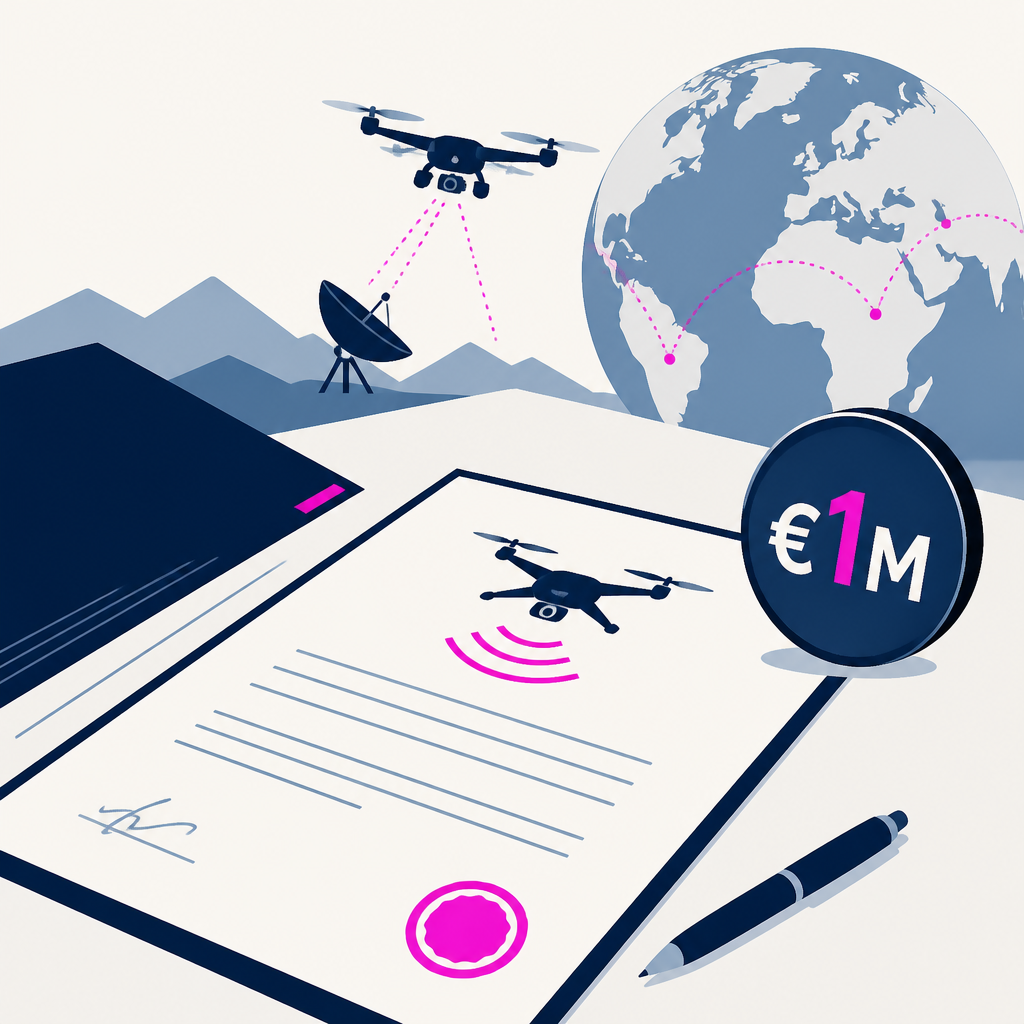
Arke Telekom secured €1 million from ACT Venture Partners to advance its drone communications technology, ArkeLink, for UAVs operating under electronic warfare and signal disruptions. The funding amount is €1 million. The company plans to expand internationally and broaden its product portfolio for different unmanned systems.
Nirva announced a wearable pendant designed to listen only to the wearer’s speech and generate personal insights in a companion app. It raised $25 million in a pre-Series A round, bringing total funding to $33 million. The company plans to start taking orders in November, ship to early users by the end of the year, and is also aiming to release additional devices.
DeepSeek raised about $15B about two days after the U.S. ordered federal civilian agencies to remove its AI technology over security concerns. The round is reported at roughly 100 billion yuan. As a result, DeepSeek is stepping up spending on AI infrastructure and open models, which could intensify competition among Chinese AI rivals.
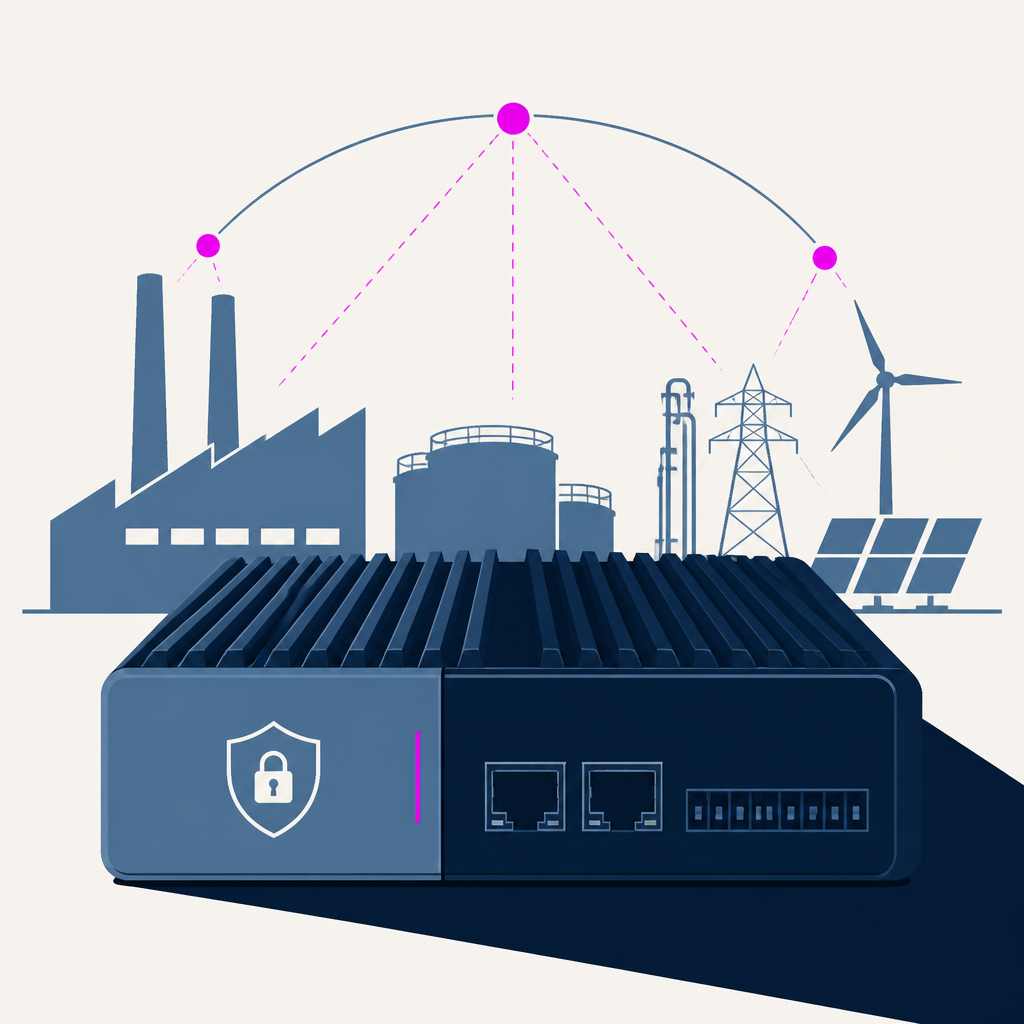
Indurex raised €7 million to expand its AI-powered cybersecurity platform for critical infrastructure, manufacturing sites, and connected industrial operations. The funding round totals €7M, led by Contrarian Ventures with Axeleo Capital and Curiosity participating. The company will use the money to accelerate R&D and grow sales, starting in Europe and the Middle East before moving into the US and Asia-Pacific.
PreScalar raised $7 million in seed funding led by Dynamo Ventures and BMW i Ventures to address how factories test and update outdated firmware during production. The company’s test stations support firmware testing, updates, and tracking directly on the production line, and PreScalar said it secured pilot contracts worth more than $100,000 at Antler’s Spring 2026 US portfolio showcase. Manufacturers can start with a single test station and expand along the production line, combining testing workflows and firmware management into a single dataset for traceability and improved deployment.
Fireworks AI is reportedly in early talks to raise money at a $30B to $40B valuation, after an earlier July Series D valued it at $17.5B and an October security incident exposed API keys and tokens. The proposed valuation range would be about double its $17.5B July valuation. If the raise happens at the top end, investors would pay roughly 30–40 times its disclosed $1B annualised revenue, pushing its valuation and funding terms higher despite the security setback.
QuantrolOx, an Oxford quantum spinout headquartered in Finland, raised €12m in a Series A funding round led by IW Capital. The company said its machine-learning approach tuned quantum devices in under 70 minutes, outperforming a human benchmark. It will use the funding to speed commercial growth and expand its efforts in the US.
Blacksmith raised a $66M Series C led by Sequoia Capital at a $1B valuation as AI coding agents drove more continuous integration (CI) testing demand. The company’s valuation climbed to nearly double its prior $550M Series B figure from August. It plans to hire and expand computing capacity by growing its data-center power footprint fivefold in 2027 to handle the increased volume of pull-request builds and tests.
DeepSeek is closing its latest funding round, raising about 100 billion yuan from existing and new investors, according to Reuters.
The round totals $14.98 billion, with participation from investors including Tencent and CATL.
The company is expected to finalize the fundraising in the coming days and may move closer to an IPO after previously hiring CITIC Securities for a potential STAR Market listing.
Flapping Airplanes raised a $1B Series A to pursue ways to train AI models using less data and compute, including software meant to let GPUs run more efficiently. The round valued the company at $6B, up from a $1.5B valuation at its $180M seed in January. With the new funding and added board involvement, the lab can keep building and aims to eventually sell its technology, but it still has no product on sale.
European cloud funding in H1 2026 was concentrated in infrastructure investment, with about €5.9 billion raised across eight transactions and the largest rounds going to UK companies. The biggest single figure was Nscale’s $4.19 billion financing in three transactions, including a $2 billion Series C in March 2026. The result is continued capital concentration in large data-centre and AI infrastructure builders, while smaller cloud tooling firms in Germany and the Czech Republic raised much smaller amounts focused on management, security, and deployment.
Whop raised $205 million at a $5.1 billion valuation, reversing Sequoia’s earlier pass, with Sequoia leading the round and Doug Leone joining the board. Annualized revenue passed $400 million, up from $60 million at the start of 2025. Whop will use the new capital for global expansion and R&D, including an AI-powered decision engine that uses Whop transaction data.
Beyond Vision raised over €28 million to scale production and global expansion of its unmanned aerial systems. The funding round includes a follow-on investment from ActiveCap, a shareholder since 2024. The company plans to expand industrial capacity, increase AI-and-cloud platform R&D, and push further into defense, security, and critical infrastructure monitoring markets.
SpaceX and Tesla have formed special committees to explore a potential merger after Elon Musk disclosed the companies are weighing combining. The day after Musk’s October 20 call, Tesla rose 3.4% and SpaceX rose 7.8%, together adding $155 billion in market value. Despite investor optimism, the article argues the deal would likely be risky and dilutive for SpaceX shareholders because a likely premium would require issuing about 92% of SpaceX’s shares to acquire Tesla’s declining profits.
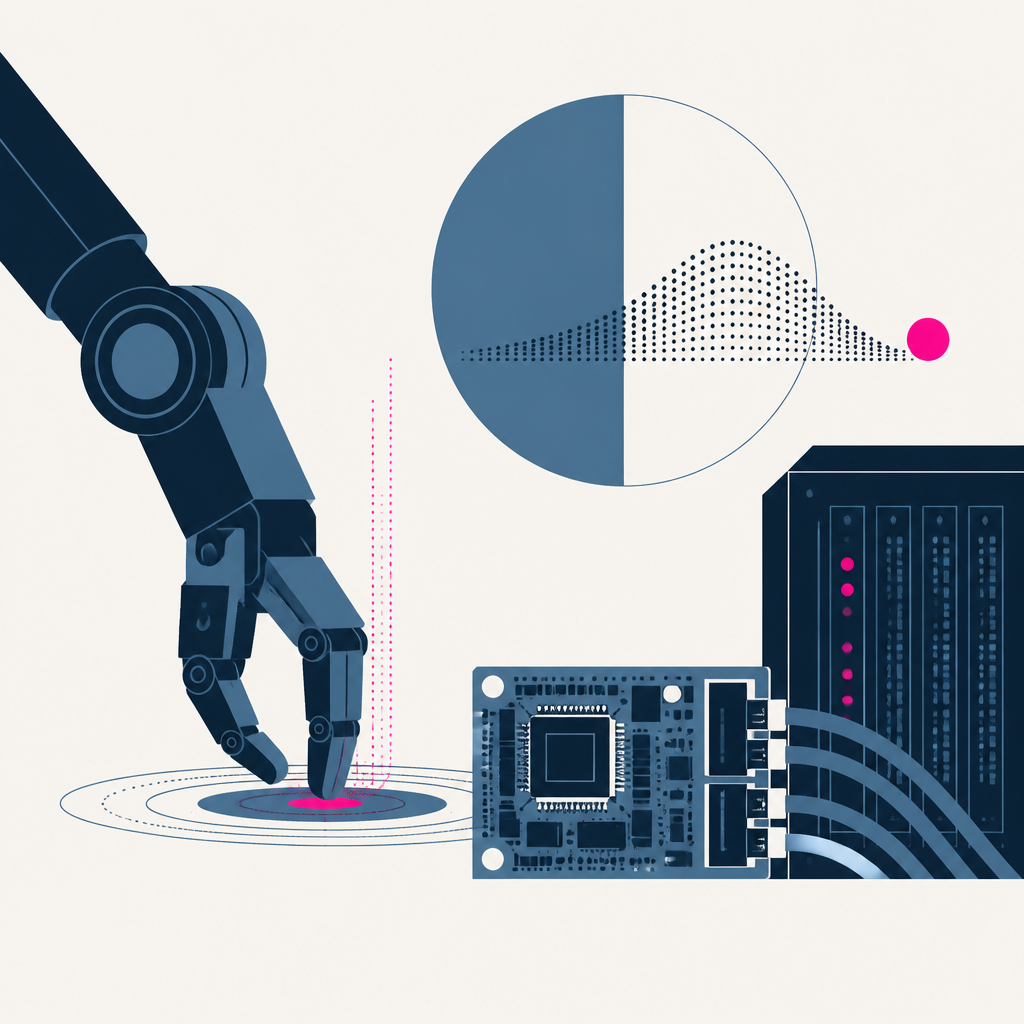
Enact Intelligence, a Swiss robotics startup, emerged from stealth with a $30m pre-seed round backed by Arthur Mensch and Yann LeCun. The funding totals $30m. It will expand the team and accelerate hardware and R&D to build general-purpose robot technology based on sensing force and touch, rather than cameras.
OlsAro raised a €5 million seed round to scale its SeedAX platform and prepare its first salinity-resilient wheat product for market.
The new funding follows a €2.5 million pre-seed round in April 2024, bringing total funding to about €7.5 million.
It will expand international field trials, commercial work with seed partners, and further AI-driven trait discovery with new drought and nitrogen-use efficiency programmes.
xchannels.ai, a Vienna-based startup with an AI marketing platform, formed a strategic partnership with Silicon Valley firm GrowthMasters.io to expand into the US market. The partnership is aimed at getting early access to AI and marketing developments and validating them in the US before applying them in Europe, with a focus on AI visibility and efficient content and paid marketing strategies. As a result, xchannels.ai says it will translate US platform and marketing insights into ready-made solutions for European clients.
Masia closed its €18M debut fund and opened Masia House in Barcelona to support early-stage AI and frontier tech founders. The fund closed after backing 46 companies since 2025. The shift adds a dedicated 1,000 m² venue for founders, international investors, and LPs to meet regularly, rather than relying on capital alone.
Enact Intelligence emerged from stealth and announced a $30 million pre-seed round backed by investors including Yann LeCun and Arthur Mensch. The round totals $30 million. The startup plans to quintuple its 12-person team by the end of 2027, accelerate hardware and research, and deploy its first robots with industrial partners in areas like assembly.
Meta reported $64.6 billion in third-quarter revenue, but its much larger AI-related data-center and server spending pushed free cash flow negative. Capital expenditures rose to $34.9 billion, up from $19.4 billion a year earlier. Meta is increasing 2026 capex guidance to $135–$145 billion and continuing aggressive investment in AI even as cash flow tightens.
Legora raised $550 million in Series E funding for its agentic legal AI operating system as competition from legal AI rivals like Harvey intensified. The round values the company at an $8.8 billion post-money valuation and follows its platform launch in October 2024. The added capital is set to accelerate US and international expansion while supporting investment in agentic intake, horizon scanning, and legal research.
The U.S. economy has concentrated a large share of growth and capital markets activity around AI investment, with spending, funding, and borrowing increasingly tied to a small set of AI firms. AI-related capital spending has risen to about 2% of U.S. GDP from near zero five years ago. The article argues this concentration raises the risk of a prolonged investment bust and delays broad productivity gains, potentially requiring decades of wider adoption beyond the current infrastructure buildout.
Every AI story that matters,
in your inbox by 8am.
TLDRocket reads all relevant sources, removes duplicate coverage, and summarises the
day in two minutes. Follow companies and topics for alerts, or get the
briefing in Slack. Free, no spam, unsubscribe anytime.
Reading TLDRocket needs no cookies, and the readership counts we rely on come from
our own cookieless analytics. Google Analytics is the exception: it sets cookies and
reports to Google, so it stays switched off until you allow it. You can change your
mind any time from “Cookie settings” in the footer.
Strictly necessary
Session security and form protection (tldrocket-session,
XSRF-TOKEN, 2 hours). The site cannot work without them,
so they need no consent.
Always on
Google Analytics 4 (_ga,
_ga_<id>, up to 2 years). Measures which
stories and sections readers use. Google acts as a third-party processor and may
store the data outside the EU. No advertising, no profiling, no data sold.