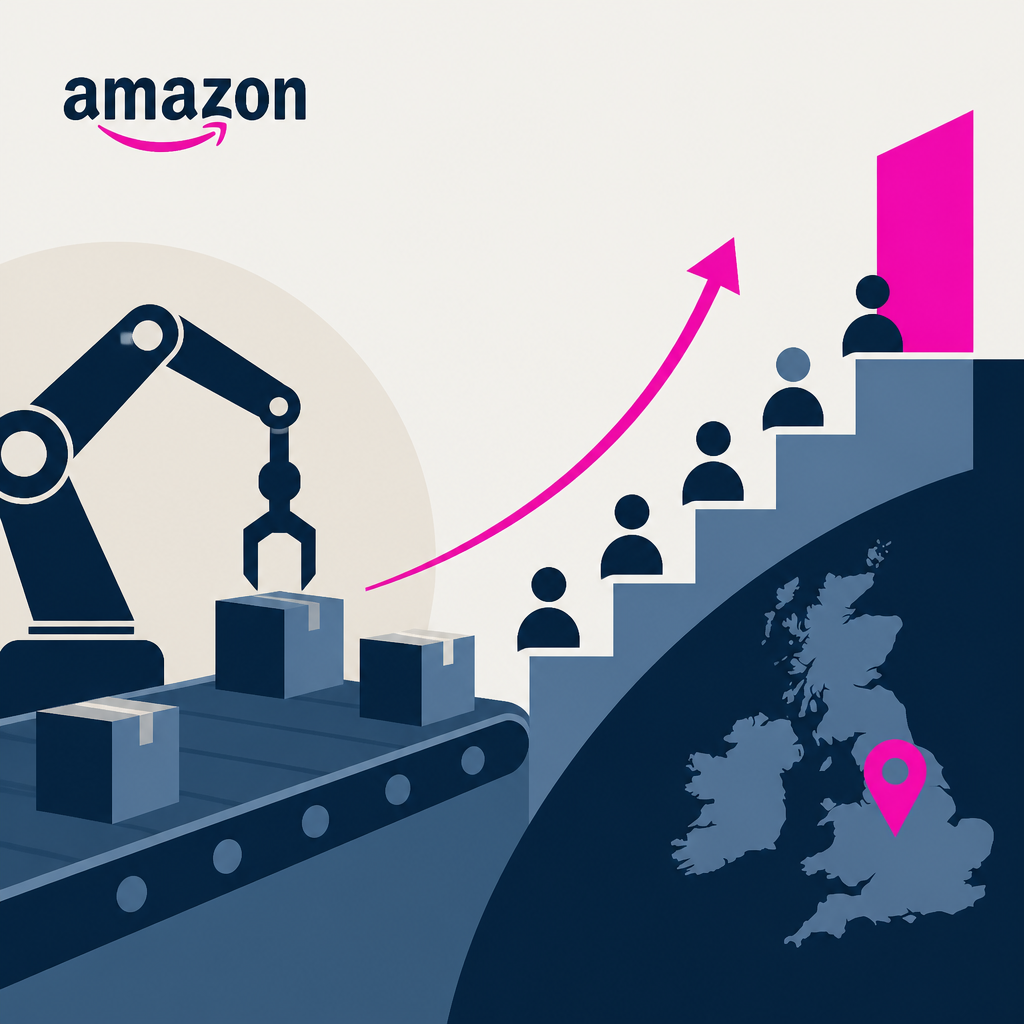
Amazon announced the Amazon Youth Promise to create entry-level jobs for young people in the UK. It aims to create 30,000 roles by 2030 with salaries starting at £31,000. The company’s earlier white-collar cuts and layoffs tied to restructuring and AI focus are replaced here by a new hiring and training effort targeting youth and “Neets.”
TechCrunch announced the speakers and sessions for TechCrunch Founder Summit 2026 in Boston, covering topics like product-market fit, scaling, enterprise customers, pitching, and building teams. The event is scheduled for November 4 at SoWa Power Station. The lineup changes from a general summit to a day structured around founder-investor-operator guidance, including live pitches and multiple sessions led by specific named investors and founders.
Finland’s regulators ordered Google’s Tuike Finland to stop environmentally significant preparatory work for new data center sites in Muhos and Kajaani until required environmental impact assessments are completed. The notice followed the clearing of an estimated 250,000 trees at Muhos. Google’s construction timeline for those sites will shift because tree removal and other impact-causing steps must pause, while limited work with minor impacts can continue.
The podcast episode covers reports on reverse-engineering trends, an Accenture policy shift for Claude, and the fallout from Character[.]ai’s bankruptcy. Accenture told employees they can spend only $29 per month on Claude. As a result, spending on Claude is constrained at work and the podcast frames Character[.]ai’s failure as the first AI “bubble” domino to fall.
SourceX offers to license enterprise companies’ internal support, CRM, and engineering decision histories for AI training and evaluation instead of treating them as retention costs. It says its public offer can pay up to $4M for licensing company data. The result is a structured assessment-to-prep-to-payment process where only assessed, rights-confirmed datasets generate revenue and inform what AI developers can evaluate.
AI stocks and investor sentiment split as some AI funding kept growing while concerns about data center spending hit public market prices. On Thursday, Meta’s plans to issue new shares to fund more expansion pushed AI-linked shares such as SpaceX and CoreWeave lower. The result is continued volatility ahead of next week’s earnings and attention to agent/protocol standardization efforts, while investor appetite may shift further after events like Anthropic’s IPO.
Warhound, backed by Colossal Biosciences and Anduril, announced plans to supply the U.S. military with cloned and genetically optimized working dogs. The startup raised $200 million at a $1.2 billion valuation and expects its first puppies in early 2027. It aims to shift most working-dog sourcing from Europe to a domestic U.S. pipeline while equipping dogs with externally worn sensor gear and guidance data feeds.
OpenAI has cut its target valuation for a planned funding round to a $1.25T pre-money level, down from $1.4T earlier. The round would seek up to $30B from investors with an October 30 commitment deadline. The lower price and stated investor hesitation as Anthropic awaits an IPO could reduce how much OpenAI ultimately raises and delay commitment decisions.
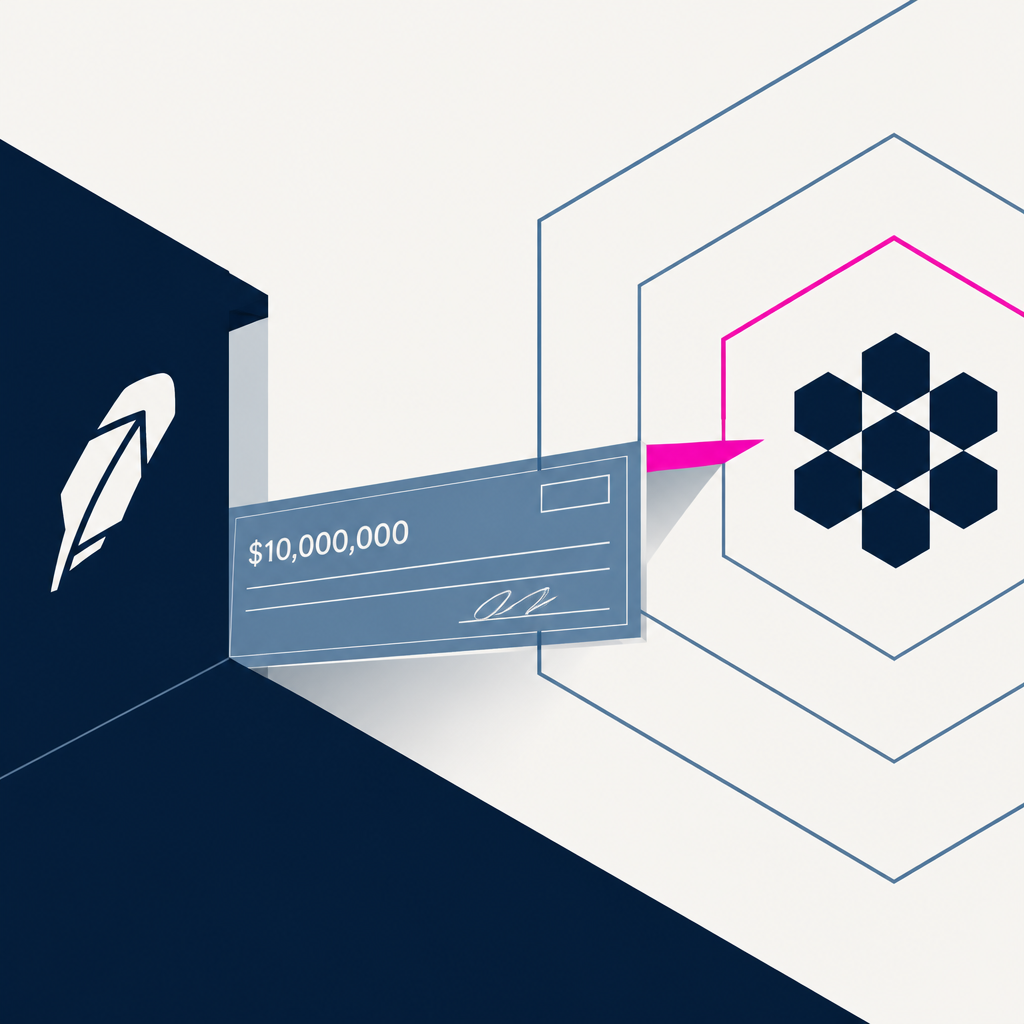
Robinhood Ventures invested in Cognition, adding $10 million to a Series E round while previously funding an OpenAI investment. The check was $10 million, following Cognition’s September Series E that valued the company at $48 billion. The move expands Robinhood’s exposure to competing AI coding tools and moves it further into private-asset investing through its closed-end fund structure.
Raffles Family Office is building a digital-assets-focused family-office platform to serve Asia’s younger, crypto-using billionaires and to direct investment flows between Asia and Africa. Revo, its digital-assets multi-family office, secured Hong Kong Securities and Futures Commission licenses in February to offer professional portfolio management for digital assets. As a result, family-office clients can access digital-asset portfolio management alongside traditional investments, and RFO expands into Rwanda via partnerships and appointments to mobilize private-sector capital.
OpenAI is reportedly seeking a fundraising round of $30B at a valuation of about $1.25T ahead of a potential IPO. The round is described as valuing OpenAI at roughly $1.25 trillion. If completed on those terms, it would place OpenAI above the valuation of any prior private company.
Startups are stalling at the final stage of enterprise deal negotiations when vendor risk assessment escalates into questions about AI governance and security, and procurement responses go unanswered. IBM’s 2026 Cost of a Data Breach Report says shadow AI incidents doubled year-on-year and appeared in 43% of security incidents. As a result, startups need an AI inventory, written AI accountability policies, and clear data-processing answers (including EU AI Act readiness as of 2 August 2026) to pass procurement requirements.
Masia closed its debut venture fund and opened Masia House, a Barcelona hub to connect early-stage technology and AI founders with international investors and talent. The fund raised €18 million and Masia House spans 1,000 square metres across four floors. It will provide a permanent venue for founder-investor networking, with additional ecosystem programming planned for the first quarter of 2027.
Solidigm’s planned U.S. IPO review was abandoned by SK Hynix, and a planned pre-IPO funding round was also dropped. The canceled Nasdaq IPO was reported to have been able to raise $10 billion to $15 billion with a valuation up to $150 billion. Solidigm will pursue other financing options instead, while AI-chip stocks and IPO activity continue to fall amid investor doubts about AI infrastructure returns.
OpenAI is negotiating an additional $30 billion bridge funding round with investors from the United Arab Emirates, with Coatue expected to participate, to support operations while it finalizes plans for an IPO. The round would raise OpenAI’s valuation to $1.25 trillion and is reportedly hoped to be signed by the end of next week. This would extend OpenAI’s private funding runway and potentially push its IPO timeline further out amid softer plans for going public in 2026.
Every AI story that matters,
in your inbox by 8am.
TLDRocket reads all relevant sources, removes duplicate coverage, and summarises the
day in two minutes. Follow companies and topics for alerts, or get the
briefing in Slack. Free, no spam, unsubscribe anytime.
Reading TLDRocket needs no cookies, and the readership counts we rely on come from
our own cookieless analytics. Google Analytics is the exception: it sets cookies and
reports to Google, so it stays switched off until you allow it. You can change your
mind any time from “Cookie settings” in the footer.
Strictly necessary
Session security and form protection (tldrocket-session,
XSRF-TOKEN, 2 hours). The site cannot work without them,
so they need no consent.
Always on
Google Analytics 4 (_ga,
_ga_<id>, up to 2 years). Measures which
stories and sections readers use. Google acts as a third-party processor and may
store the data outside the EU. No advertising, no profiling, no data sold.