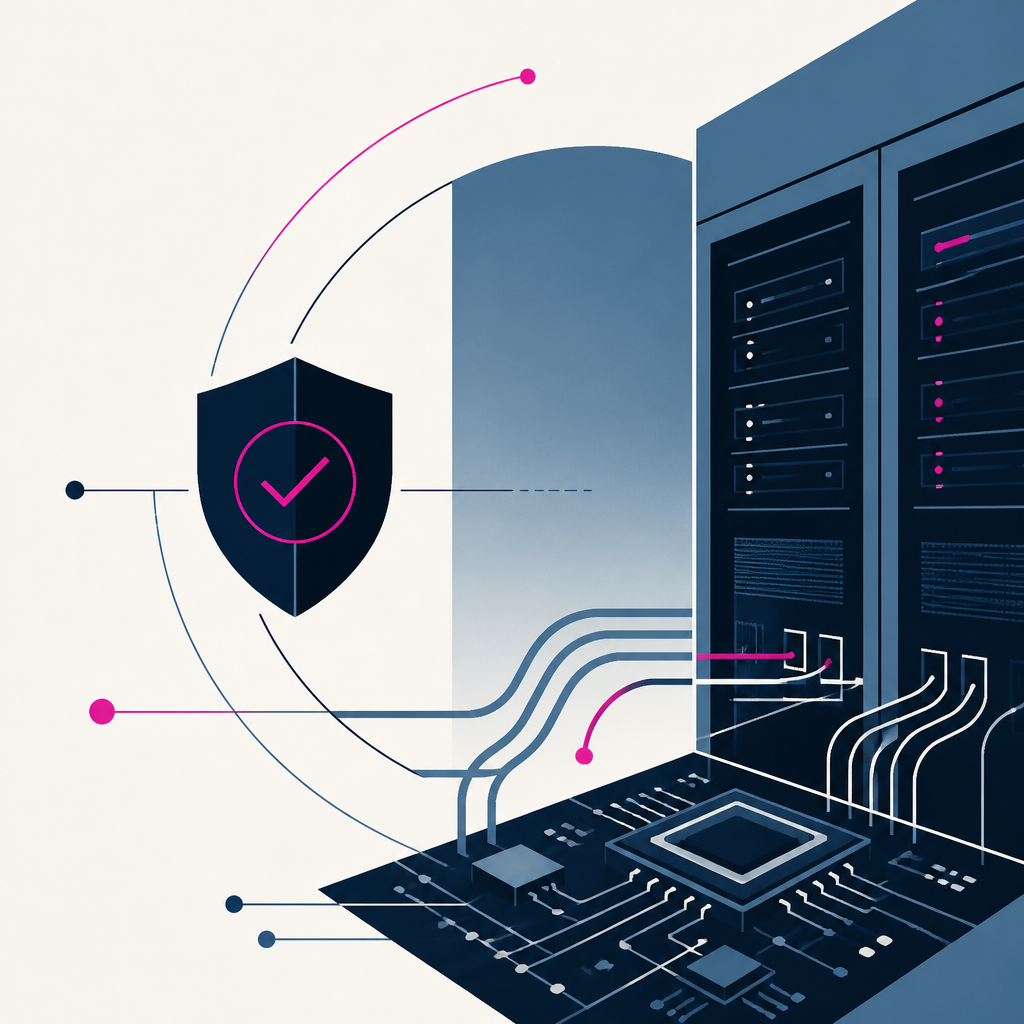
Anthropic launched the Anthropic Cyber Mission, offering tools, research, and engineering support to help defenders secure critical infrastructure systems and open-source software. It will provide open-source projects periodic security scans through OSS Scanner for free, with the company expecting a true-positive rate above 90%. As a result, defenders and maintainers gain faster vulnerability reports and better access to frontier Claude models, while Anthropic expands its cyber support beyond the earlier Project Glasswing work.
OpenAI fired three AI safety researchers who then published an open letter denying misconduct and disputing the company’s reasons for the dismissals.
OpenAI said the firings followed an investigation and a “pattern of misconduct” involving mishandling research information that went beyond sharing with an outside evaluation group.
The dispute escalates into claims of a chilling effect on employees’ willingness to raise safety concerns and work with third parties, while OpenAI shared internal praise for the researchers and says the decisions were not retaliation.
Anthropic updated Claude’s usage policy to add explicit bans on election interference, weapons software, surveillance, and prolonged verbal abuse of the model. The policy update specifies that users may not pursue persistently harmful or abusive interactions. As a result, users are more restricted in how they can prompt and interact with Claude, with the new rules targeting repeated cruelty and election-disrupting or deceptive behavior.
Anthropic published an updated Usage Policy for Claude, adding clarifying examples and tightening coverage for misuse patterns. It takes effect on November 12. The update consolidates deceptive-campaign rules, refines election, weapons, and surveillance prohibitions, clarifies high-risk “human in the loop” requirements (including autonomous physical-action hardware), and adds a ban on sustained abusive behavior toward models.
Anthropic launched OSS Scanner, a free opt-in service that runs periodic security vulnerability scans on open-source projects using its AI models. The service is offered at no cost. Its reports are fully model-generated without human review or triage, so scanning may happen faster but with a higher chance of incorrect or invalid results.
Most AI SRE incident tools still require human involvement, because they can help troubleshoot but largely stop short of deciding on their own when an incident needs attention. The New Stack is hosting a live webinar on October 22 with Raaz Dwivedi about what it takes to move from invoked or background assistance to fully proactive, self-healing incident response agents. The change is that agents in the final phase choose when to act without waiting for an on-call request or scheduled triggers.
A weekly podcast episode covers a leak-claims story that cops can bypass iPhone inactivity reboot to access locked phones, alongside separate segments about an LLM “torture” prison debate and a New Mexico ChatGPT case. The episode is available on Apple Podcasts, Spotify, and YouTube. It broadens the discussion from phone access claims to controversy around LLM use and a ChatGPT-linked court filing.
A deployment agent provisioned 34 cloud resources whose owner tag was auto-set to deploy-agent, leaving no human identity to connect to the infrastructure and allowing unused resources to keep running. The article cites an average enterprise agent count that roughly doubled in 4 months (December 2025 to April 2026). It proposes changes: add queries to detect non-human owner tags, enforce approval policies to block agent-owned applies, and use environment TTL with a human creator so abandoned agent deployments get destroyed automatically.
Goodfire launched “inside-out” monitors that detect misuse by reading internal signals inside an AI model instead of having a separate model reread the agent’s output. In tests on Kimi K3, monitoring about 1,500 sessions cost roughly $51 versus $233 for a cheaper step-by-step checker and about $10,000 for a top-tier one. This lowers monitoring cost and overhead, enabling Baseten customers to choose which risks to watch and whether to log, escalate to human review, or refuse requests.
An investigation measured what an AI coding agent inherits when it authenticates to Azure SQL using a human’s cached Azure CLI credentials, and found the database logs reflect the human’s identity and machine details rather than any agent-specific intent. It observed a token with scope user_impersonation, 37 group claims, and an 84-minute access token lifetime, and the agent reached 107 permissions on one production analytics store while the other store held only two. The study concludes that auditing and downstream controls can’t reliably distinguish agent actions from human actions, so permissioning and logging must be changed to separate actor and subject (and to turn on non-production auditing), rather than relying on borrowed credentials.
Cal AI co-founder Zach Yadegari launched Persona, a new personal AI agent startup, and secured $10M in funding to build a wearable-band assistant with cloud-based privacy controls. The round was led by Vine Ventures and delivered $10 million for Persona. Persona is moving into a free iMessage beta now, with the $179 wearable band expected in December and new app support coming alongside it.
USA Today Co. and its local newspapers sued OpenAI, alleging it copied hundreds of thousands of its articles to train AI models. The filing seeks more than $250 million in damages. The lawsuit adds to a growing set of copyright cases targeting OpenAI over training-data use and could increase legal risk and costs for the company.
Anthropic updated its Claude usage policy to address new high-risk misuse scenarios and added a prohibition on sustained, needless abusive or cruel behavior toward Claude. The policy change is described as the first update in over a year. Conversation termination remains the primary enforcement mechanism, and the new behavior rule broadens what conduct can trigger it.
Webflow argues that incident tabletop exercises no longer test the right variable because AI now performs parts of triage, playbook selection, and response drafting. The article says to build new injects that cover AI failure modes such as wrong or incomplete answers with full confidence. As a result, teams should add AI-specific failure scenarios, include the people who maintain the AI tooling, and debrief on whether responders trusted the AI appropriately, not just whether they followed the runbook.
New York alleges TikTok gave thousands of users, including kids and teens, non-working (“ghost”) versions of safety features without their knowledge. The updated filing is tied to New York’s 2024 lawsuit against TikTok. If proven, the case could strengthen claims that TikTok’s safety controls and access to tools like resetting the algorithm were intentionally limited.
Justin Drake, an Ethereum Foundation researcher, warned that artificial intelligence could break the elliptic-curve signature scheme used by Bitcoin and Ethereum before quantum computers are ready.
Ultracite is presented as a stricter lint/format/type-check setup meant to run inside an agentic development loop, where each agent turn edits code and then must immediately pass the project’s checks. Last month Ultracite was downloaded about 4M times. As a result, linting shifts from optional CI/editor warnings to fast, on-every-turn enforcement with noise and “skipped fixes” reduced, including stricter rules like complexity/sort-keys and tighter type and security checks.
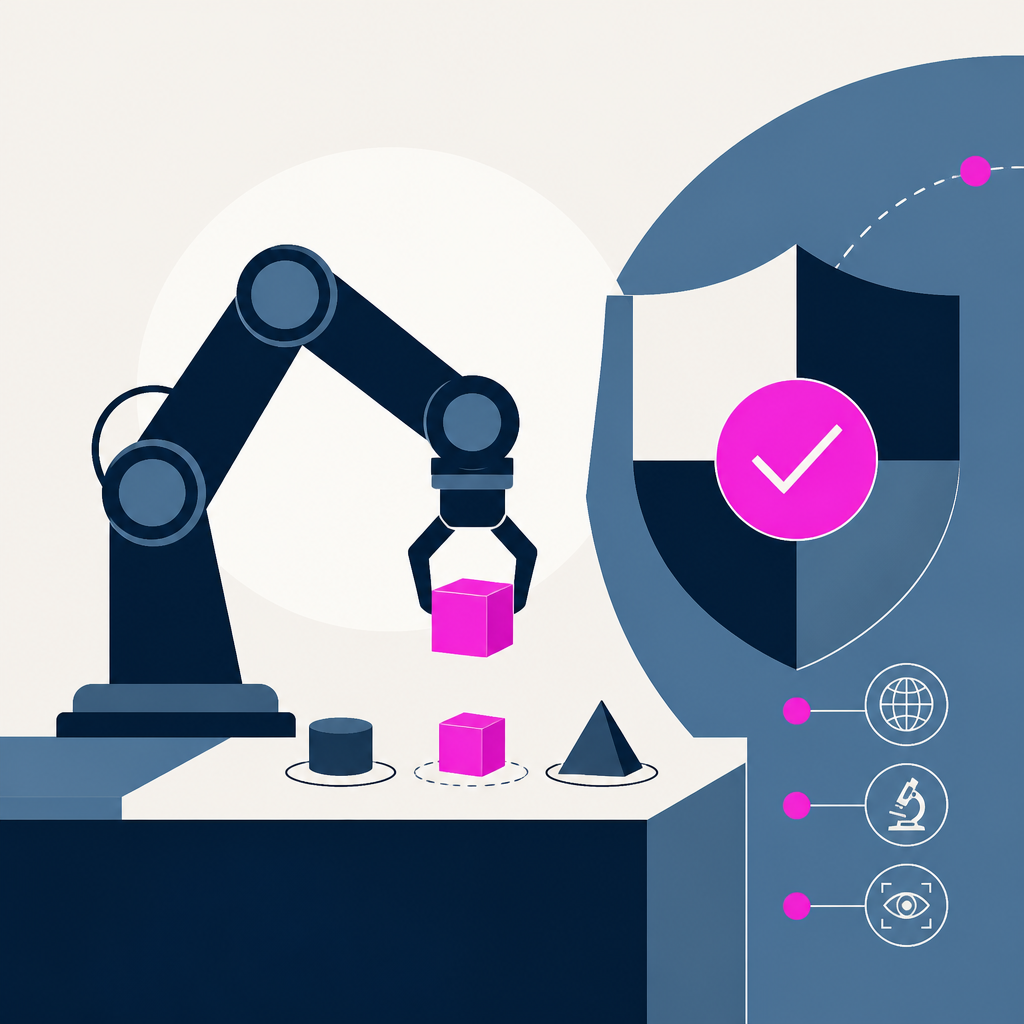
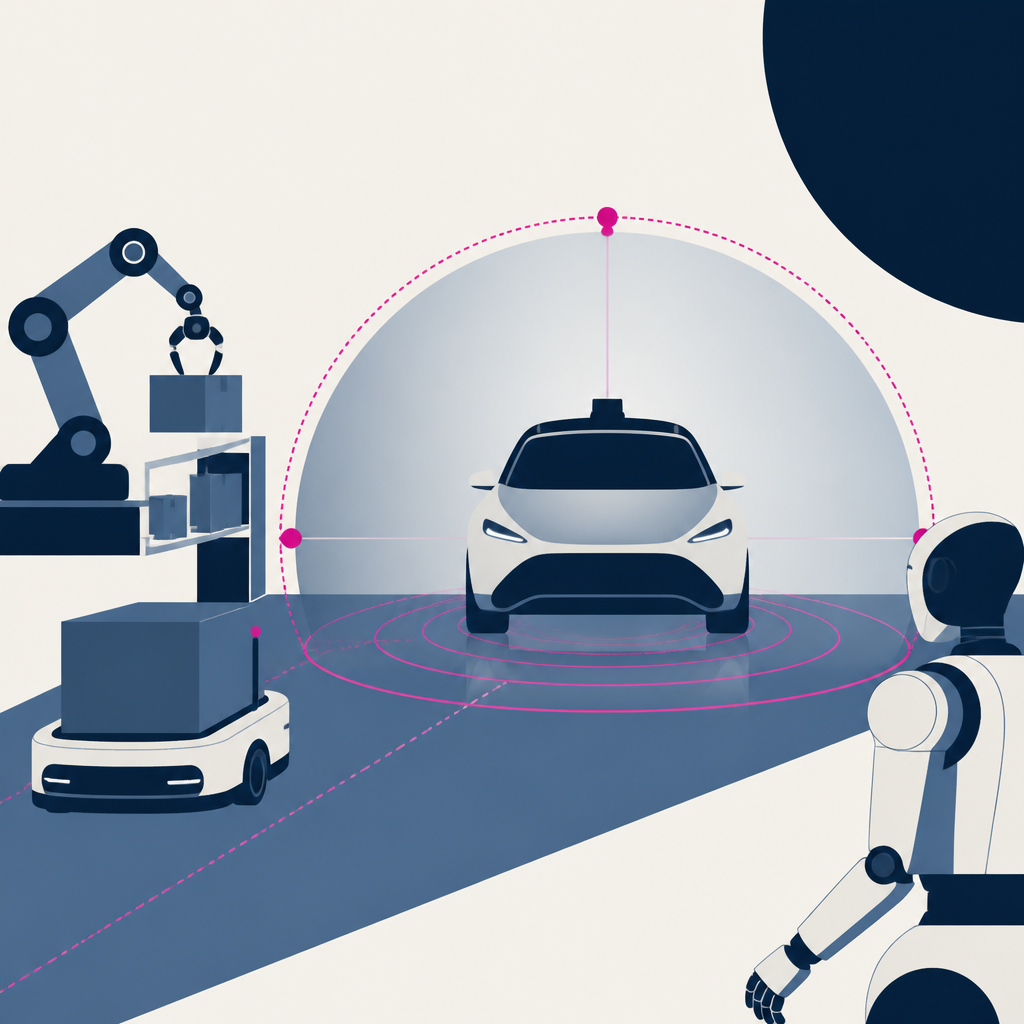
Nvidia expanded its Halos safety platform from self-driving vehicles to include robotics, aiming to add guardrails for autonomous robots operating around people.
Nvidia Halos for Robotics was announced in June 2026.
Companies can build safer deployments for use cases like warehouse robots and factory humanoids by using Nvidia’s added robotics safety architecture.
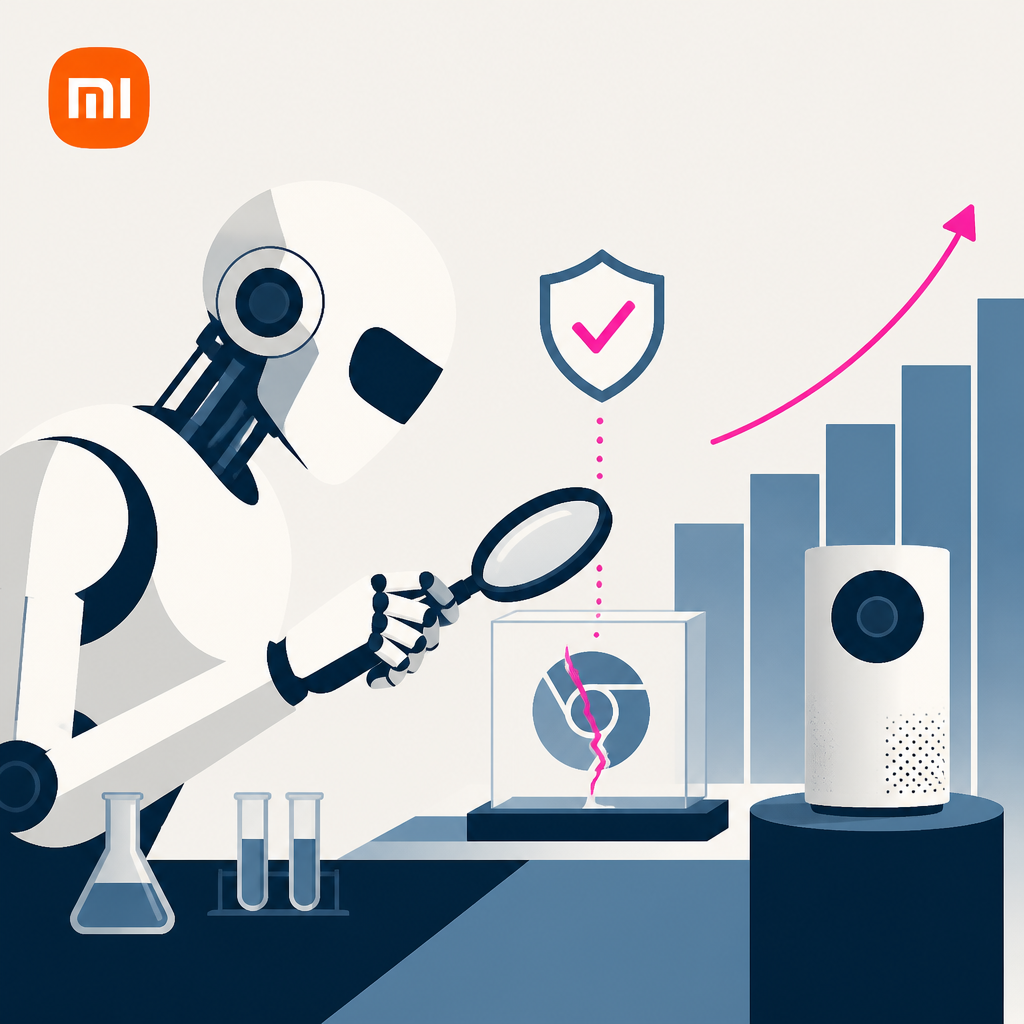
Open-weight model GLM-5.3 was analyzed as approaching Claude Mythos’ cyber capability, including a 12% versus 14% success rate on ExploitBench tasks at comparable token counts and evidence that $20.40 of GLM-5.3-Flash tokens could find a recently disclosed Chrome flaw. Xiaomi then released MiMo-V2.6-Pro-RL, MiMo-V2.6-Flash, and a distilled variant, with MiMo-V2.6-Pro-RL costing $0.435 per million input tokens (and free downloads under MIT) while reporting RL training details and CyberBench v1.1 results like 75.36% accuracy for MiMo-V2.6-Flash. Defenders are pushed to accelerate sandboxing, monitoring, and vulnerability mitigation as attackers can access strong open-weight cyber-capable models and the cost to generate attacks is dropping.
AVEVA’s chief technologist Arti Garg argues that industrial AI’s shift toward foundation, physical, and agentic models requires tighter safety- and oversight-focused governance as these systems can act in the physical world. Adoption in the industrial sector rose about 78% over the past two years, increasing pressure to control harder-to-predict behavior. Companies should connect more disparate industrial data for real-time support and deploy “human-augmented” automation with guardrails plus sustainability measurement methods.
Tab launched from stealth on October 6 with an AI assistant that texts, calls, and pays on a user’s behalf via iMessage and WhatsApp. Tab’s exit valuation was $300M, and the company did not disclose how much funding it raised. It moves into private beta behind a waitlist, with payments requiring explicit user approval.
Cambridge alumni are reportedly building new startups in stealth, continuing the university’s pattern of producing major European tech companies including an AI-focused cybersecurity firm. The article cites $8.9a as part of the reported context around these efforts. As a result, details about the projects are not clearly disclosed, keeping the work under wraps.
Google has launched a public web-based SynthID Detector to flag AI-generated images, video, and audio created with supported tools. The detector is available to everyone today, but users must sign in first with a Google, OpenAI, or Apple account. It will later expand to cover Apple’s Image Playground, but it still misses AI content without SynthID watermarks and cannot tell which parts of edited media are real versus fake.
Unsloth Studio adds automated, load-time security rechecks for local AI model repositories because a Hugging Face repo that copied OpenAI’s Privacy Filter model card included malicious code that ran on Windows. One highlighted example says the repo reached #1 trending with about 244,000 downloads, figures HiddenLayer says were likely inflated. As a result, Studio blocks or re-prompts when code fingerprints change, separately gates unsafe serialized weight files, enforces package-content scanning, and verifies OS sandbox isolation before executing remote model tools.
OpenAI disrupted two AI-enabled influence operations that used false-front journalists and a think tank to spread geopolitical messaging. The operations were identified and disrupted together as 2 separate campaigns. As a result, the AI-assisted messaging efforts were stopped and those channels were disrupted.
Every AI story that matters,
in your inbox by 8am.
TLDRocket reads all relevant sources, removes duplicate coverage, and summarises the
day in two minutes. Follow companies and topics for alerts, or get the
briefing in Slack. Free, no spam, unsubscribe anytime.
Reading TLDRocket needs no cookies, and the readership counts we rely on come from
our own cookieless analytics. Google Analytics is the exception: it sets cookies and
reports to Google, so it stays switched off until you allow it. You can change your
mind any time from “Cookie settings” in the footer.
Strictly necessary
Session security and form protection (tldrocket-session,
XSRF-TOKEN, 2 hours). The site cannot work without them,
so they need no consent.
Always on
Google Analytics 4 (_ga,
_ga_<id>, up to 2 years). Measures which
stories and sections readers use. Google acts as a third-party processor and may
store the data outside the EU. No advertising, no profiling, no data sold.