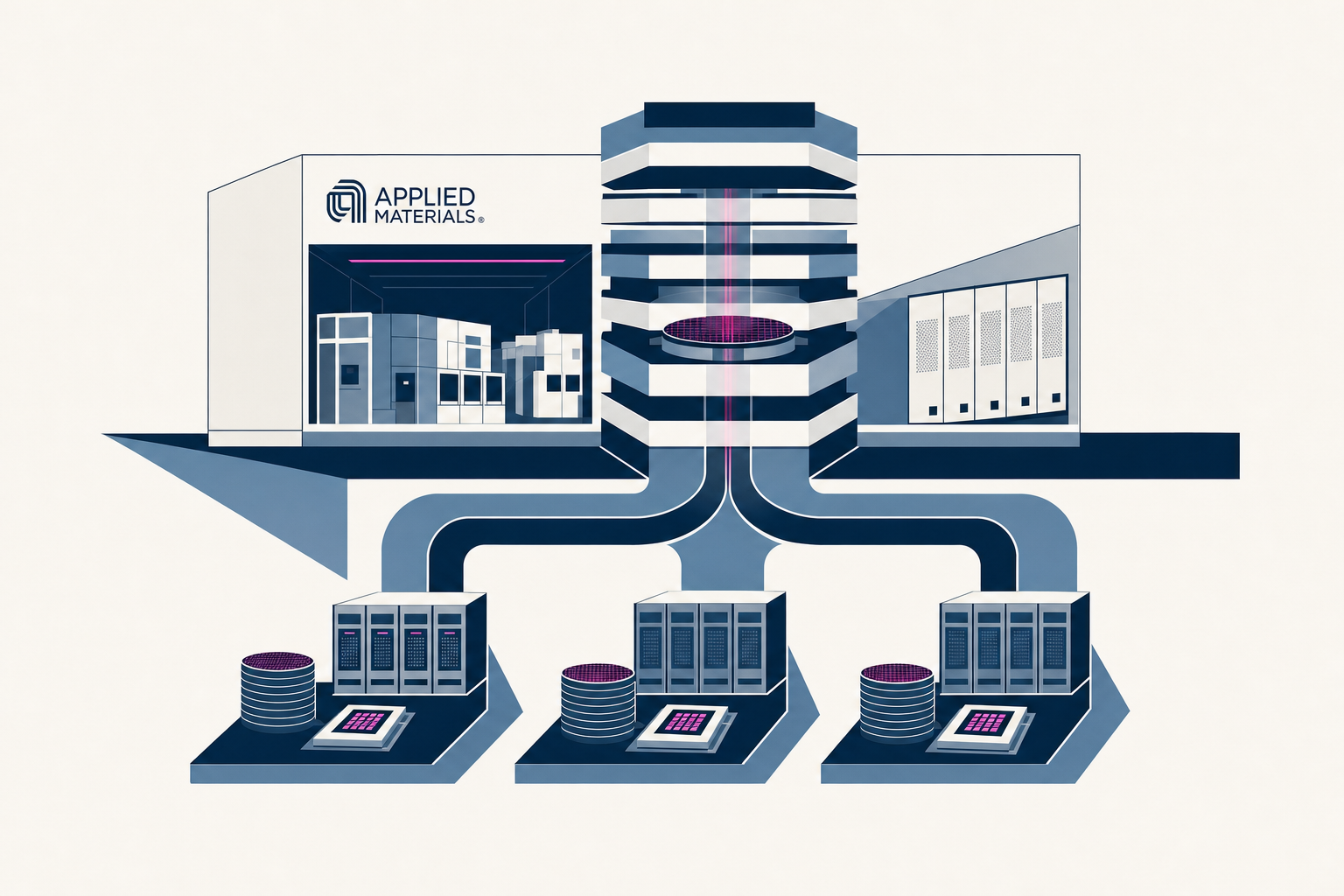
The most important thread running through today’s AI news isn’t another model release—it’s the machinery behind deployment finally catching up to the promises. Applied Materials just unveiled its new EPIC semiconductor R&D facility at its Sunnyvale campus: a $5 billion, 600,000-square-foot center designed to pull multiple chip companies into the same lab so teams can compress “concept to commercialization” from 10–12 years down to as little as six. With the overall AI spend expected to top $730 billion this year, the bottleneck is increasingly physical—labs, process development, memory and microprocessor roadmaps—rather than just code or compute time.
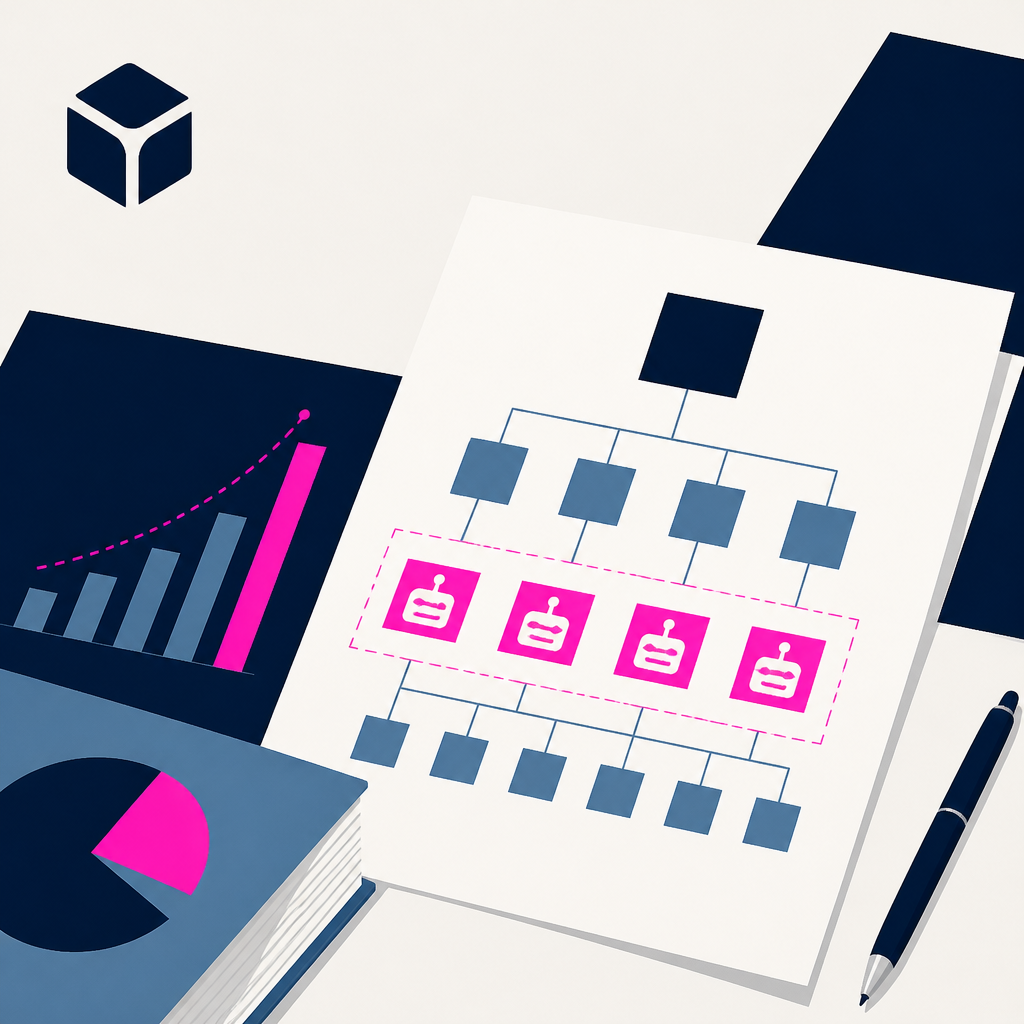
That hardware push is reshaping org charts in the same way. Block CFO Amrita Ahuja said the company cut 40% of staff while ramping AI automation, and warned that restructuring to justify spending will spread—potentially even listing AI agents as operational units, with employees focused on training and deploying them. In health care, Centene CEO Sarah London argued the ROI debate is being misread: today’s AI often targets revenue and administrative speed, while she wants the focus on care that bends the cost curve. And Asia’s AI adoption, the reporting suggests, will hinge less on tool rollouts than on leaders redesigning work—visible learning, committing amid uncertainty, and soliciting honest feedback.
Meanwhile, the FBI’s arrest of an OpenAI engineering lead over an alleged concealed recording device is a reminder that faster systems don’t eliminate risk; they move it into workplaces, access control, and trust—where the next “optimization” is governance.