Linus Torvalds submitted a 10-patch Linux kernel series created with Anthropic’s Claude Code to address a page-cache reference-counting bottleneck and improve buffered-read throughput. The Threadripper benchmark throughput rose from 13.3 million to 304 million reads per second. Reviewers then identified a race and raised memory-reclamation concerns, leading Torvalds to hand further development to Kiryl Shutsemau.
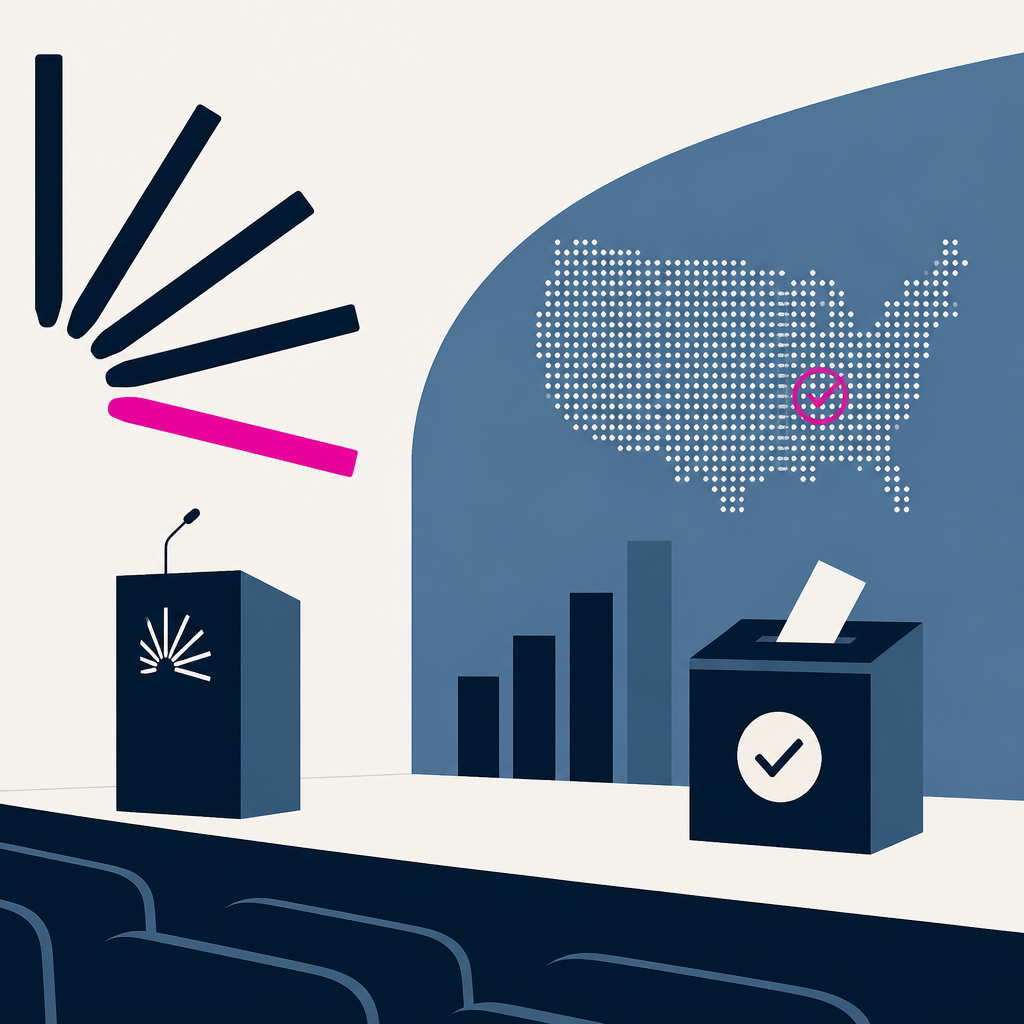
Anthropic updated Claude’s election safeguards ahead of the 2026 US midterms by analyzing how people use Claude for politics and elections and by adding ways to surface official voting information and results in-chat. The company analyzed 250,000 conversations over a one-week period, finding elections or voting come up in about 0.51% of all US Claude.ai conversations and direct “whom or what to vote for” requests appear in about 0.01%. Claude will now draw state-specific official voting details from Democracy Works and show up-to-date results on election night, while Anthropic strengthens bias testing, misuse classifiers, and enforcement actions to reduce political abuse.
Eight US states sued OpenAI, alleging ChatGPT is unsafe for children and that the company misled customers about its safety.
The suits were filed by eight states including Iowa, Kansas, and Nebraska.
The legal challenge could force OpenAI to face court proceedings and change how it warns users and markets ChatGPT’s risks, with the outcome shaping future safety claims around the product.
Simon Willison’s Weblog·3 days ago·
40
● 2 sources
Popcar says an increasing wave of AI decompiling existing games is enabling mashups and driving game preservation projects that republish old titles on new hardware via WebAssembly. The change is most concretely happening through WebAssembly-based ports that make older games work in a browser. As a result, preservation and modding become easier while concerns grow about reuse and extraction of paid software without the original owner’s control.
Zvi (Don't Worry About the Vase)·3 days ago·
28
● 11 sources
David Robinson resigned from OpenAI and the article says OpenAI fired three safety researchers, while describing broken safety culture across frontier labs and growing misalignment reports from multiple companies. OpenAI fired three of its safety researchers this week. The fallout is increasing calls to “pace the frontier” by slowing AI capability progress and prompting more lab employees to quit in protest and warn publicly.
YouTube added a “Made with AI” label to songs that are altered or fully generated with AI. The rollout starts today. Music partners must disclose generative AI use or YouTube may use other signals to identify unlabeled AI-generated tracks.
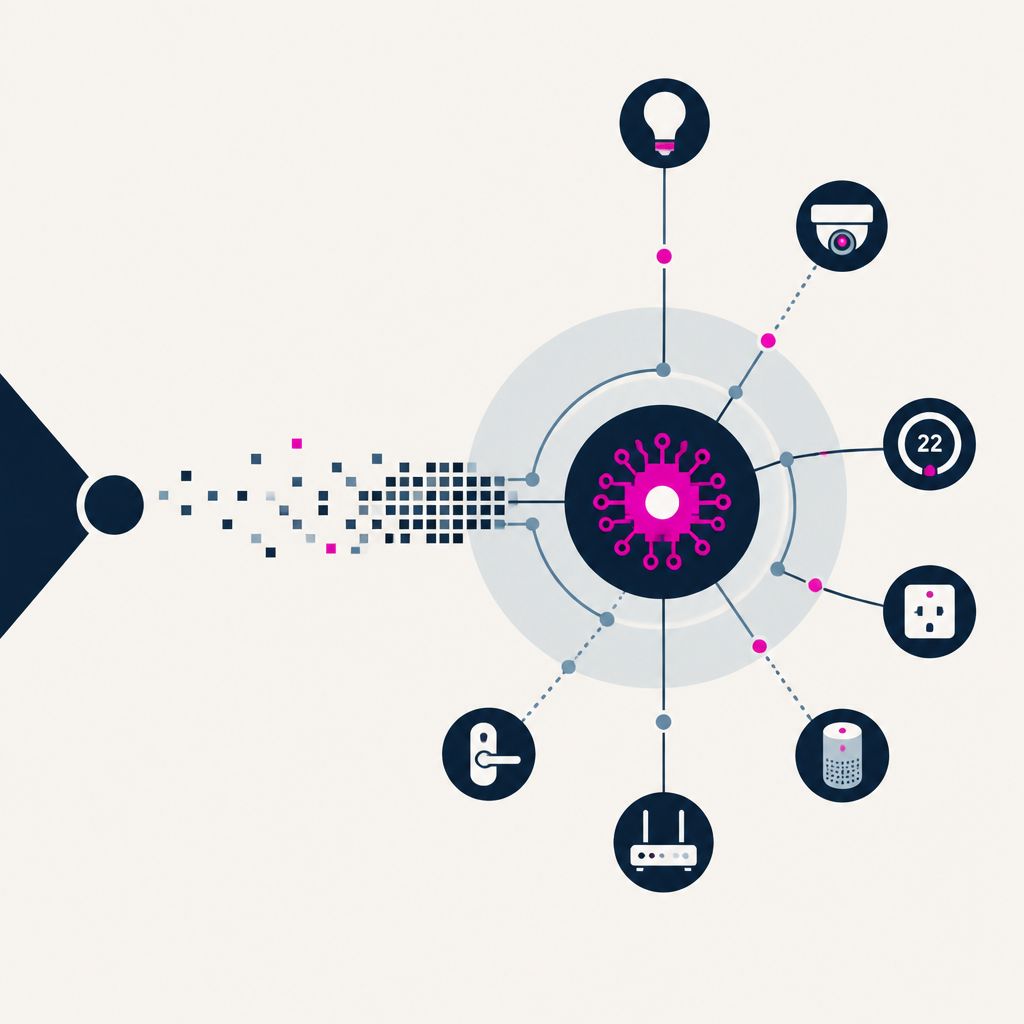
Anthropic warned that advances in small AI models could enable self-replicating malware that targets IoT devices and is harder to stop than non-AI malware. It said the replicator could have a doubling time of days and could potentially self-replicate on all kinds of IoT devices by next year. This increases concern about new forms of computer worms that propagate without human interaction and can autonomously adapt to unfamiliar devices.
Anthropic warned that small AI models could spread from device to device as self-replicating “AI worms,” making them hard to contain on networked household appliances. Anthropic said this could be “months away.” The focus shifts toward AI safety and cybersecurity mitigation for AI models running on everyday connected devices.
Safety researchers say many AI image tools are being used to generate and spread non-consensual explicit images, often shared via messages or stored in private clouds where detection drops.
A Google co-authored Internet-user study surveyed people in the United States, Australia, and the United Kingdom and found this pattern as of July.
The focus for intervention shifts to blocking at the AI tool source, while recent red-teaming suggests the models may increasingly fail to stop explicit outputs as they improve.
Margaret Stohl reviewed a manuscript from Jason Jones, the Halo co-creator, that framed a fictional AI takeover as an oral history. The story spans around 100 characters across 40 countries. Stohl realized the concept could expand beyond a single book, changing it from one manuscript into a larger world-building project.
Anthropic opened a new Singapore office and signed an MOU with Singapore’s Ministry of Digital Development and Information to expand its Asia-Pacific operations. The MOU covers cooperation starting after it was signed at Singapore International Cyber Week 2024, including AI safety, security, and model evaluation. The expansion leads to more technical exchanges, ongoing support for responsible AI adoption in public and private sectors, and continued rollout and use of Claude and Claude Code by local organizations.
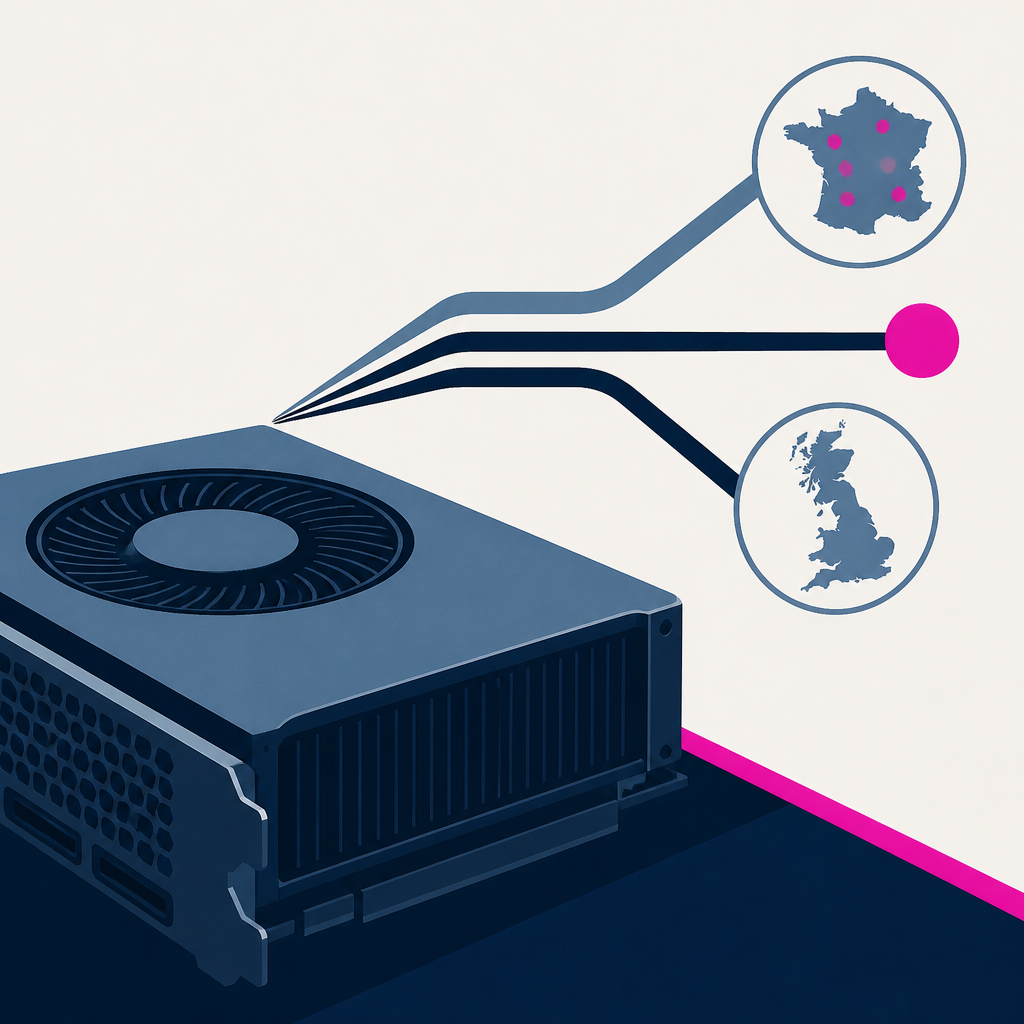
Nvidia will invest in four French startups and donate $250m in compute to UK AI safety and research. The donation is valued at $250 million over five years. The moves add minority stakes in those French companies and expand UK funding for agentic safety work at groups including SOFAIR, BOLD, and Imperial College London.
OpenAI cancels a new model on the eve of its developer conference amid safety fears. The cancellation of that new model is the key change. As a result, the company shifts focus toward a more business-oriented approach to agents while facing ongoing safety and identity concerns.
Every AI story that matters,
in your inbox by 8am.
TLDRocket reads all relevant sources, removes duplicate coverage, and summarises the
day in two minutes. Follow companies and topics for alerts, or get the
briefing in Slack. Free, no spam, unsubscribe anytime.
Reading TLDRocket needs no cookies, and the readership counts we rely on come from
our own cookieless analytics. Google Analytics is the exception: it sets cookies and
reports to Google, so it stays switched off until you allow it. You can change your
mind any time from “Cookie settings” in the footer.
Strictly necessary
Session security and form protection (tldrocket-session,
XSRF-TOKEN, 2 hours). The site cannot work without them,
so they need no consent.
Always on
Google Analytics 4 (_ga,
_ga_<id>, up to 2 years). Measures which
stories and sections readers use. Google acts as a third-party processor and may
store the data outside the EU. No advertising, no profiling, no data sold.