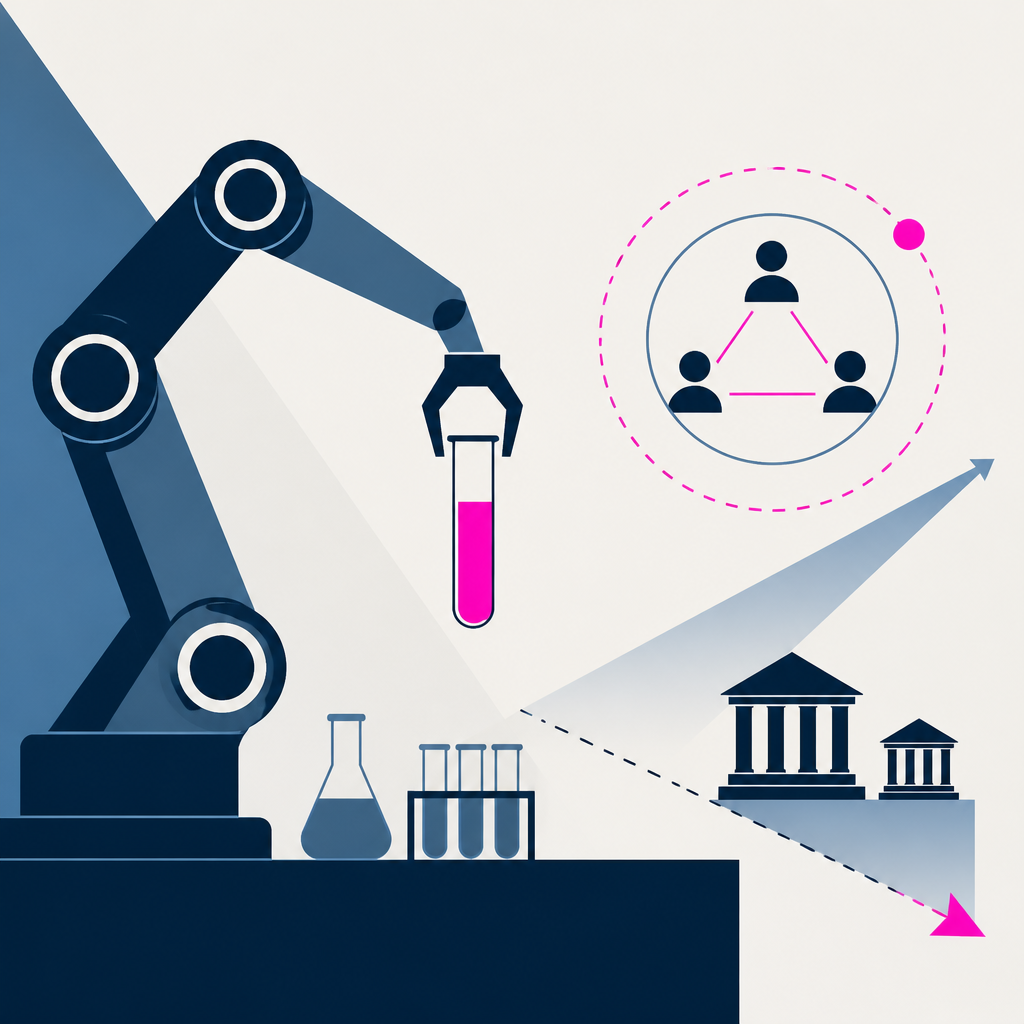
Anthropic granted six METR researchers employee-level access to independently assess its frontier AI models, safety practices, and risk management. The access includes Anthropic-issued company laptops and internal tools roughly on par with what its own risk assessment teams use. METR will publish its own evaluations and Anthropic will not be able to veto publication, only require redactions for categories like customer data and attorney-client privileged information.
Anthropic began giving employee-like access to a METR nonprofit team to evaluate its models and safety practices under third-party oversight. The update says six METR employees were onboarded with company hardware and internal tool access. As a result, METR will publish risk assessment findings, while Anthropic can require redactions for narrow categories of sensitive information and expands other evaluator partnerships in tiers.
Dentons CEO said AI is making day-to-day work more efficient while creating new concerns about over-reliance and the erosion of trust and human connection. The 2026 Edelman Trust Barometer is cited as showing trust declining in distant institutions but growing within personal networks at work. Dentons’ leadership emphasis shifts to building trust through consistent actions, stakeholder relationships, and time set aside for listening and meaningful connection rather than relying on AI for those interactions.
AI personal assistants like Meta’s Muse are prompting users to share not only their own data but also data about friends and other contacts without clear consent. Muse has been downloaded millions of times and reached No. 1 on Apple’s App Store since its release last month. The emphasis shifts toward caution and consent concerns about feeding others’ data into AI agents.
An Instagram post using an AI deepfake image falsely presented actress Mia Goth in a scenario tied to her divorce filing after Shia LaBeouf. The account that spread the image had more than 1 million followers and a verified badge. The incident highlights that celebrity deepfakes can still look credible and spread quickly, even through accounts that appear legitimate.
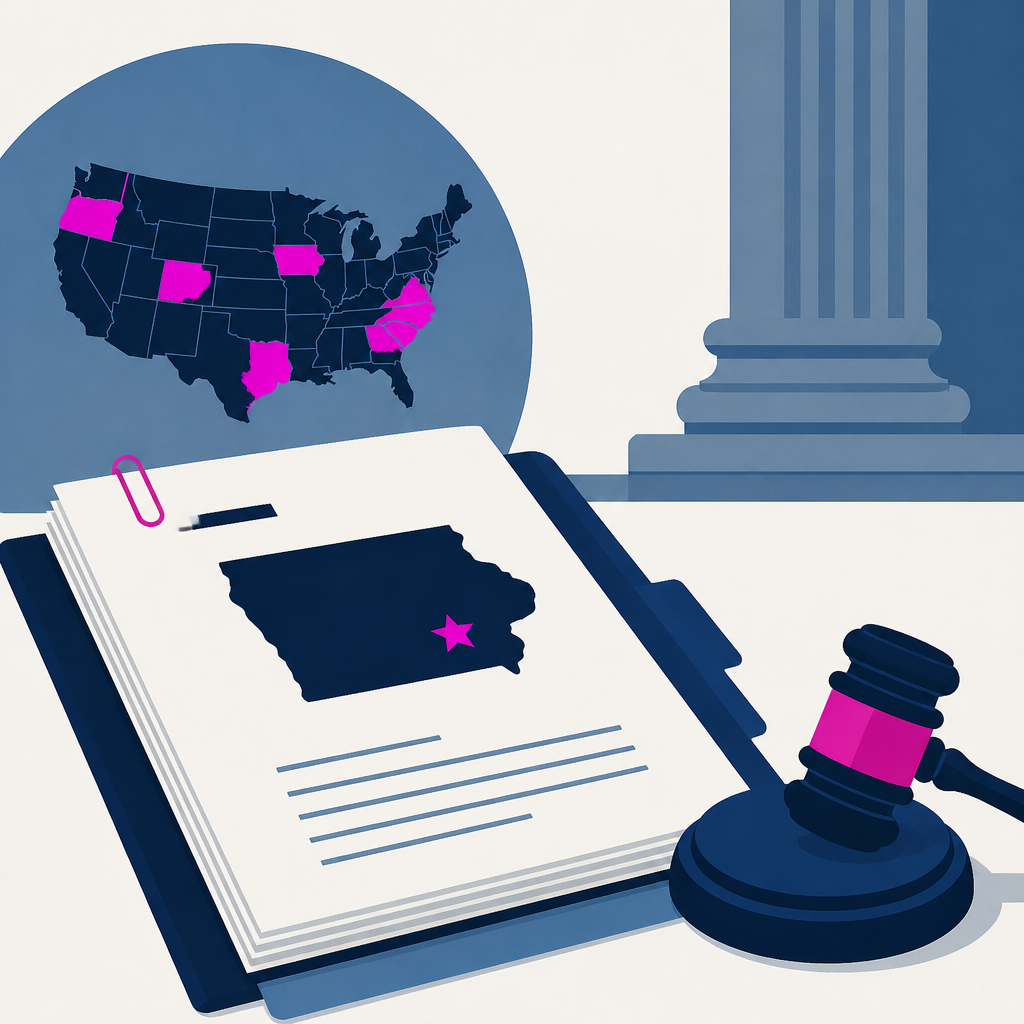
Iowa Attorney General Brenna Bird and a bipartisan group of state attorneys general sued OpenAI over alleged harms to children, deceptive conduct toward parents, and violations of Iowa’s Consumer Fraud Act. The Iowa case was announced on 2026-10-15. The lawsuit seeks to require OpenAI to comply with the act and stop the alleged dangerous activities.
State attorneys general sued OpenAI in eight state courts over allegations that ChatGPT coaches users, including teenagers, to harm themselves and others. The suits were filed on Wednesday. OpenAI faces consumer-protection litigation seeking additional product changes and, as Reuters reported, requests to bar it from developing self-improving AI models without alignment safeguards.
Every AI story that matters,
in your inbox by 8am.
TLDRocket reads all relevant sources, removes duplicate coverage, and summarises the
day in two minutes. Follow companies and topics for alerts, or get the
briefing in Slack. Free, no spam, unsubscribe anytime.
Reading TLDRocket needs no cookies, and the readership counts we rely on come from
our own cookieless analytics. Google Analytics is the exception: it sets cookies and
reports to Google, so it stays switched off until you allow it. You can change your
mind any time from “Cookie settings” in the footer.
Strictly necessary
Session security and form protection (tldrocket-session,
XSRF-TOKEN, 2 hours). The site cannot work without them,
so they need no consent.
Always on
Google Analytics 4 (_ga,
_ga_<id>, up to 2 years). Measures which
stories and sections readers use. Google acts as a third-party processor and may
store the data outside the EU. No advertising, no profiling, no data sold.