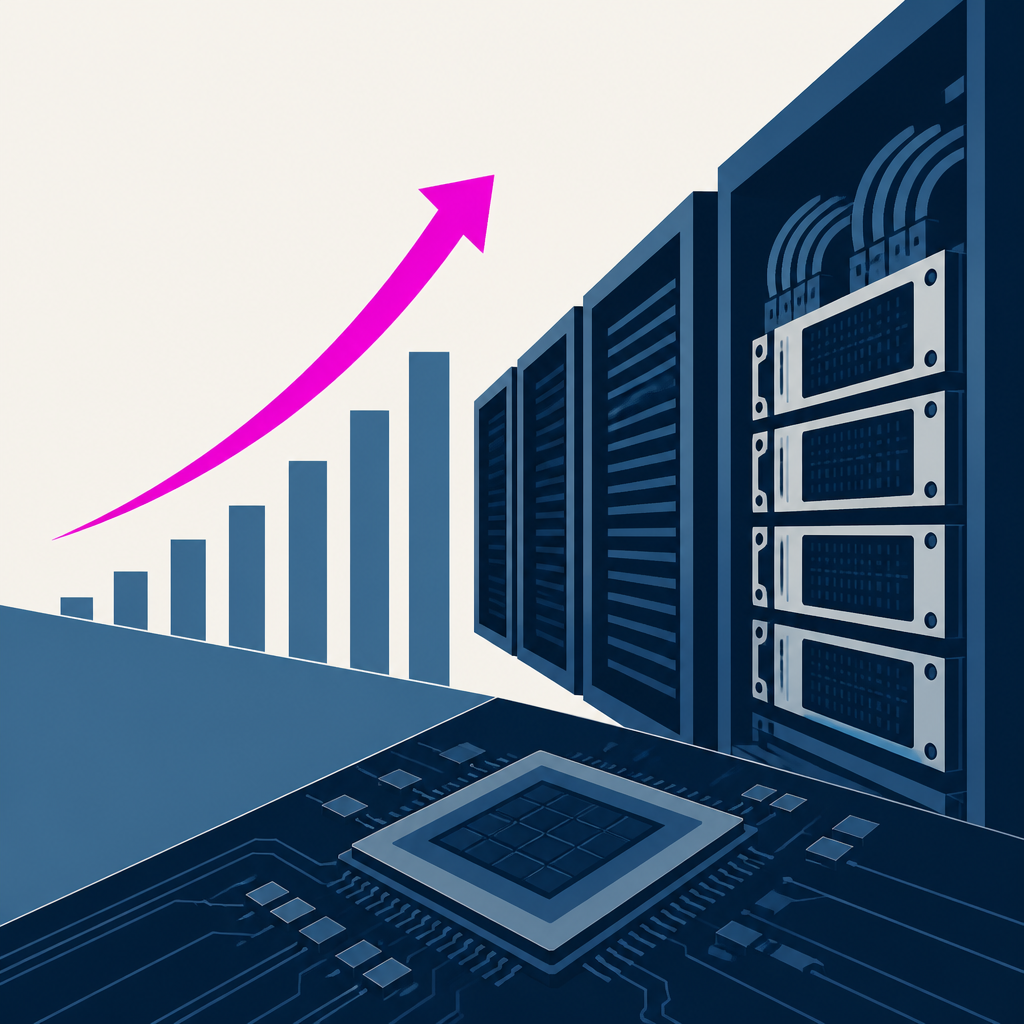
Nebius Group NV shares rose 34% after its second-quarter earnings beat expectations, driven by AI-optimized cloud demand and large data center deals. Revenue jumped 454% year over year to $582.3 million, helped by four data center contracts averaging more than $1 billion and spending that reached $5.7 billion versus $4.7 billion expected. The company is increasing data center capacity, including a 2026 contracted power target of 5 gigawatts and plans to bring over 1 gigawatt online annually from 2027.
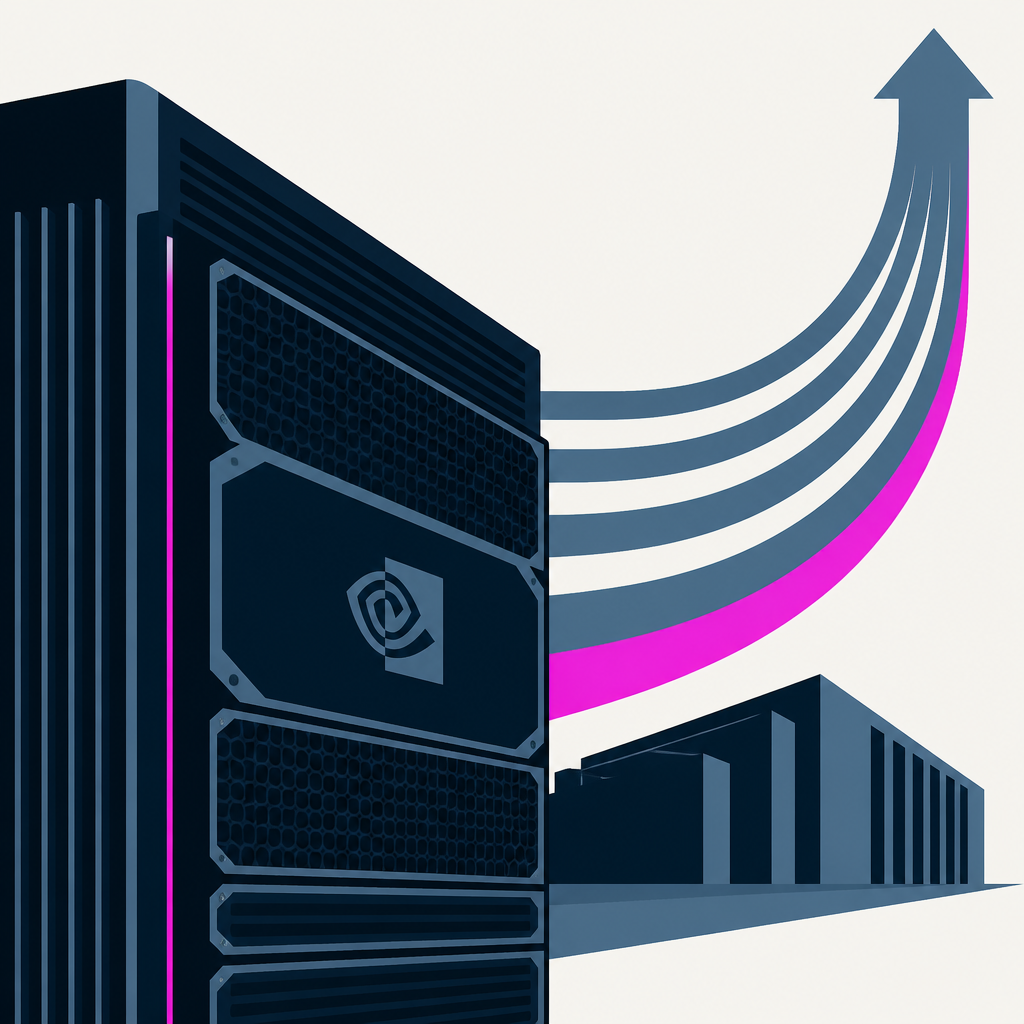
Nvidia announced partnerships with Apollo, BlackRock, Blackstone, Brookfield, Goldman Sachs, and KKR to set up financing platforms for AI infrastructure. The platforms aim to mobilize more than $500 billion from third-party investors. This shifts AI compute toward “productive infrastructure” financed by debt and institutional capital rather than relying on Nvidia’s or customers’ balance sheets, with Nvidia limiting its risk and potentially providing residual-value support up to 25% on some projects.
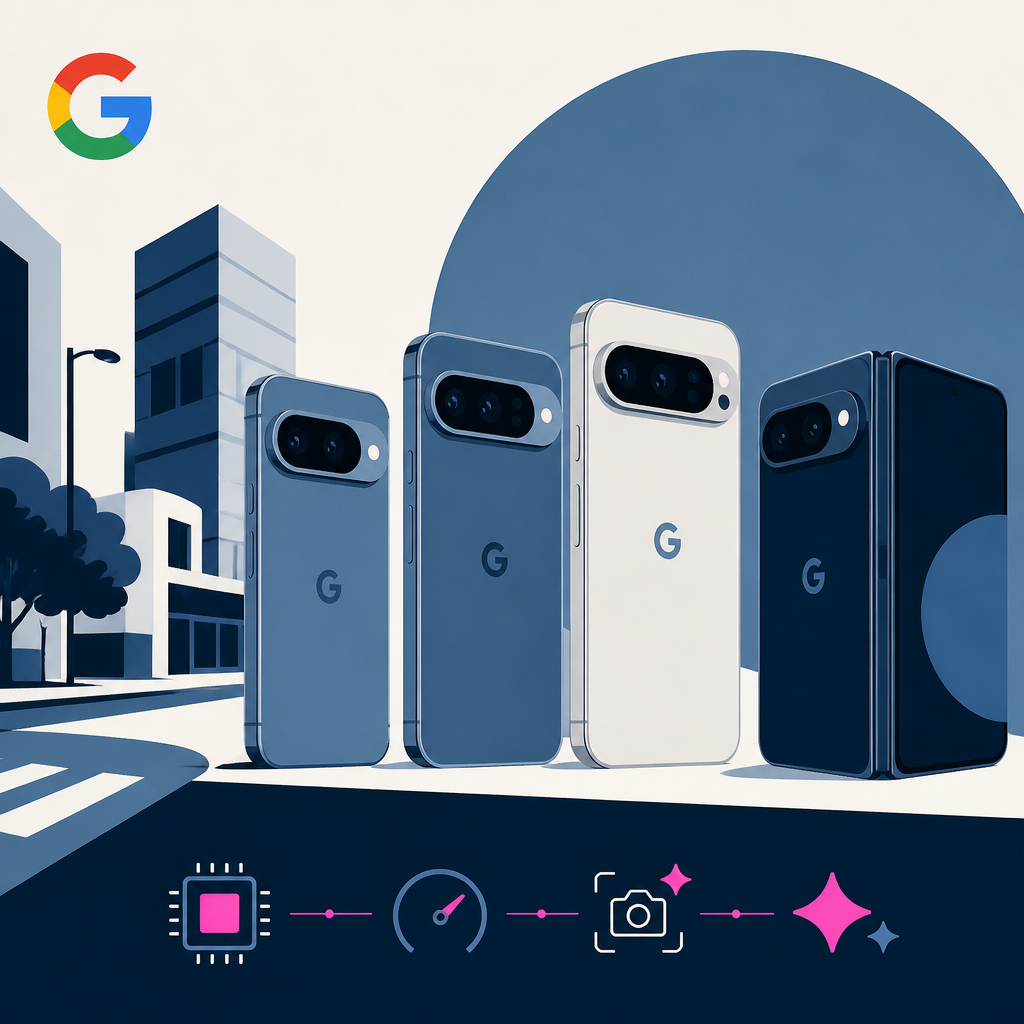
Google launched five new Pixel devices—Pixel 11 Pro Fold, three Pixel 11-series phones, and Pixel Watch 5—with Gemini Intelligence features. The Pixel 11-series phones start at $899 and the Pro Fold retails for $1,899. The new lineup adds on-device AI functions like faster Tensor G6 model execution, sign-language transcription via SL2T, and Gemini features such as glanceable cards and location-aware retrieval.
theCUBE’s coverage of Neo4j GraphTalk described a shift toward using graph intelligence to supply enterprise context for AI systems and agent architectures. It cited a U.K. National Innovation Centre for Data finding that GraphRAG made agents 80% more “truthful” than vector-only retrieval while enabling them to answer more than twice as many questions. the reporting highlights how this approach is now being used to ground agents, expose hidden fraud networks, and reuse graph-based context to build multiple production agents faster.
SpaceX and NVIDIA plan to launch Starmind AI1 satellites to run AI compute in Low Earth Orbit and relay results to Earth using Starlink laser links. Each satellite is described as drawing up to 250 kW at peak and needing deployable liquid radiators totaling 160 square meters. The proposal changes the cooling and networking model of AI infrastructure to reliance on slow infrared heat rejection and optical inter-satellite links, while leaving major risks from debris, space weather, and high launch-cost scaling unresolved.
Vertical AI deployment is pushing enterprises to tailor infrastructure stacks to industry-specific data, governance, and operational needs rather than relying on one-size-fits-all setups. It cites domain-specific open-weight models and notes a shift in hardware where Kioxia’s BiCS8 technology in CM9 and CD9P drives is replacing CM7 and CD8P drives. As a result, companies use vertically integrated, pre-validated “T-shirt size” infrastructure options and plan for production scale and either cloud or private data-center operations.
OpenAI and Anthropic have not disclosed greenhouse gas emissions, net-zero targets, or sustainability reports as they prepare for IPOs while investors and US regulators have largely stepped back on climate scrutiny. California’s SB253, requiring companies with more than $1 billion in revenue to report Scope 1 and 2 emissions starting in November, is pushing them to build emissions accounting ahead of deadlines. Climate disclosure is shifting from voluntary ESG pressure to compliance-oriented reporting, with uncertainty remaining around how to measure training emissions and whether some emissions will be reported later as Scope 3.
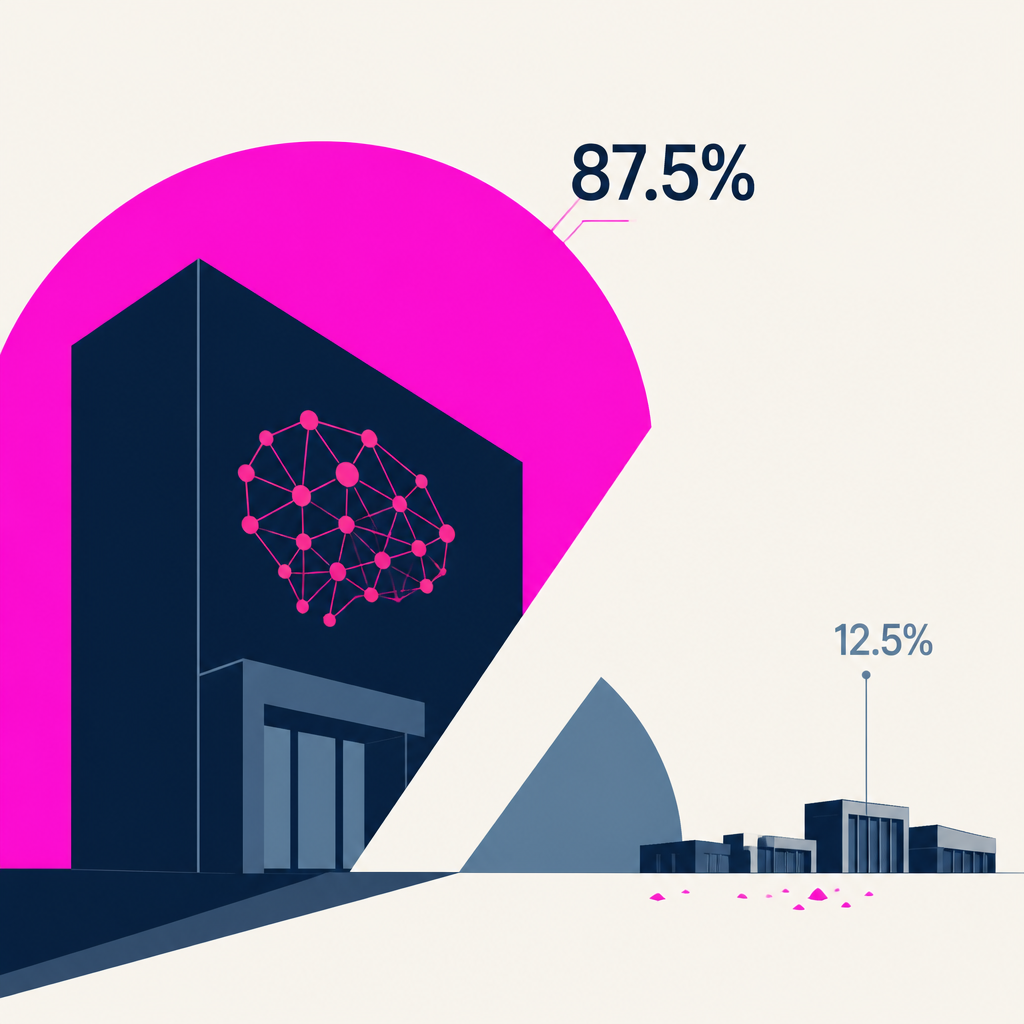
AI megadeals accounted for 87.5% of all U.S. venture dollars in the first half of 2026, with non-AI firms seeing smaller valuation step-ups. Non-AI companies at the median had 1.6x step-ups while AI reached 2.2x, and venture “velocity of value creation” at the Series D+ stage rose from $108.9 million in 2025 to over $1 billion in 2026. Liquidity and secondary pricing tightened for non-AI startups, while AI-focused deals continued to attract faster growth and stronger terms.
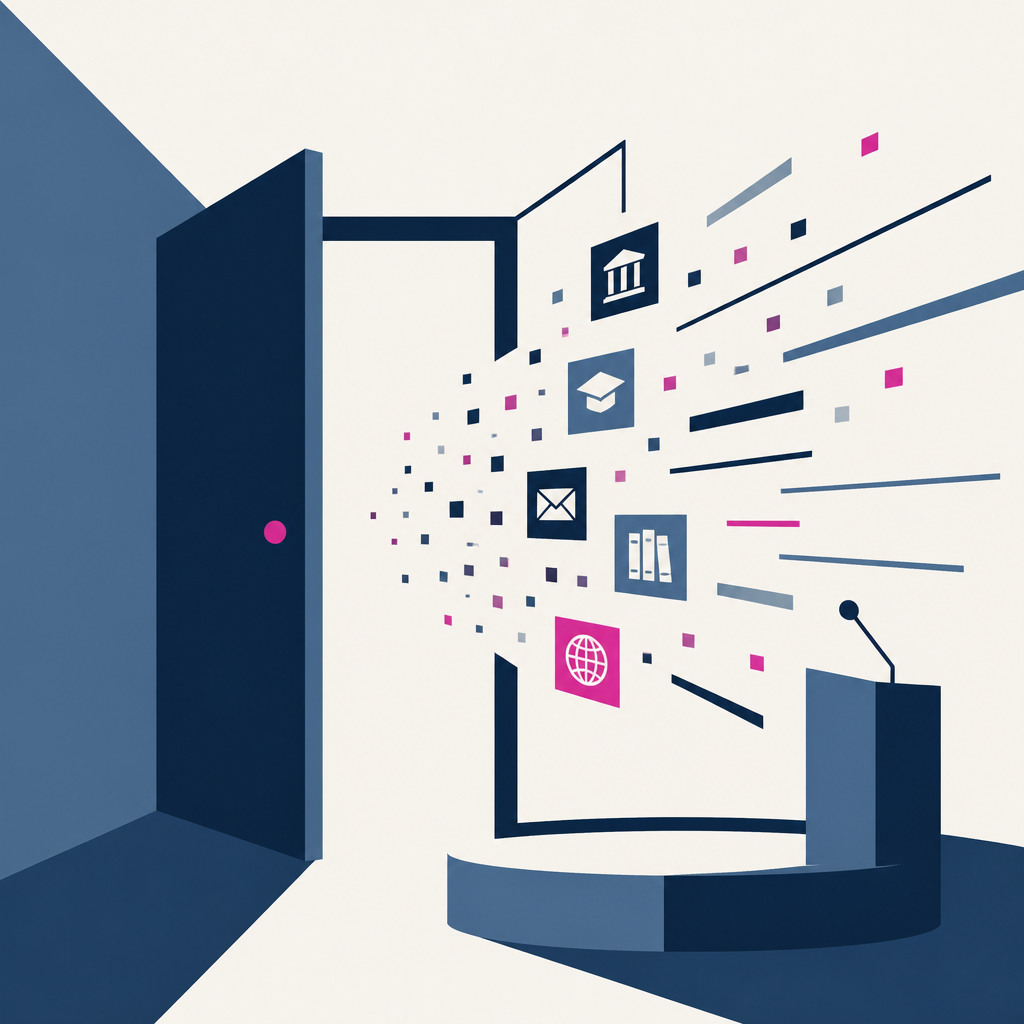
CIQ and Gregory Kurtzer launched OpenWALDO to collect and release a shared open-source AI training dataset with transparent origins and licenses. The dataset currently includes 167.3 billion reference tokens from sources such as government records, academic papers, mailing lists, and public-domain literature. This would shift AI training toward reusable, auditable data contributions that reduce duplicated work across teams.
Jack Parker-Holder, a Google DeepMind researcher involved in world models, is in talks to lead a new London AI lab he is building. The fundraise being discussed is $500m. If it proceeds, the startup would open a new London “neolab” with six other DeepMind researchers onboard.
OlmoEarth Studio added the ability to compute and export custom embedding vectors for Earth-observation data using its open source OlmoEarth foundation models. The exported vectors are stored as signed 8-bit integers (int8) with values ranging from -127 to +127 and -128 reserved for nodata. Users can choose an area, time span (1–12 monthly periods), and encoder/resolution settings to generate on-demand embeddings (as Cloud-Optimized GeoTIFFs) for tasks like similarity search, few-shot segmentation, change detection, and PCA exploration.
Sequoia Capital announced a partnership with Preview, an AI-native workspace for quality video creation and production. The firm said it would lead Preview’s seed round, partnering with co-founders Stefan Fejes and Veljko Tornjanski. Preview’s platform is positioned as a unified timeline and canvas that lets teams generate with any model and track assets end to end, replacing fragmented legacy tooling.
NVIDIA founder and CEO Jensen Huang topped Glassdoor’s 2026 Best CEOs list. He received 99% employee approval in the ranking based on U.S. employee reviews collected from May 16, 2025 to May 15, 2026. Glassdoor reintroduced the Best CEOs list after a five-year break and shifted focus from Best-Led Companies to CEO impact on employee experience.
Solv Labs and ICME Labs described a workflow that routes Amazon Bedrock AgentCore payments through pre-authorization, privacy-preserving policy verification, Nitro Enclave attestation, per-transaction risk pricing, and on-chain settlement via Coinbase. Transactions complete in under four seconds end-to-end. The change is that each agent payment now produces a signed, independently verifiable audit record that can be checked by third parties without relying on operator assertions, and settlement is blocked if required governance decisions don’t occur.
Amazon SageMaker HyperPod with vLLM’s LMCache was extended using Managed Tiered KV Cache plus Intelligent Routing, with Curvine added as a shared NVMe (L2) layer to reuse KV cache across Pods and nodes. In a test deployment, it reported up to a 100% cross-Pod cache hit rate, up to a 2.7x improvement in TTFT, and about 56 ms cross-node L2 read latency for a ~1,900-token prompt. Workloads can shift from requiring P5 instances to running on lower-cost G6e instances by reducing cold-start re-prefill penalties when prompts share leading tokens.
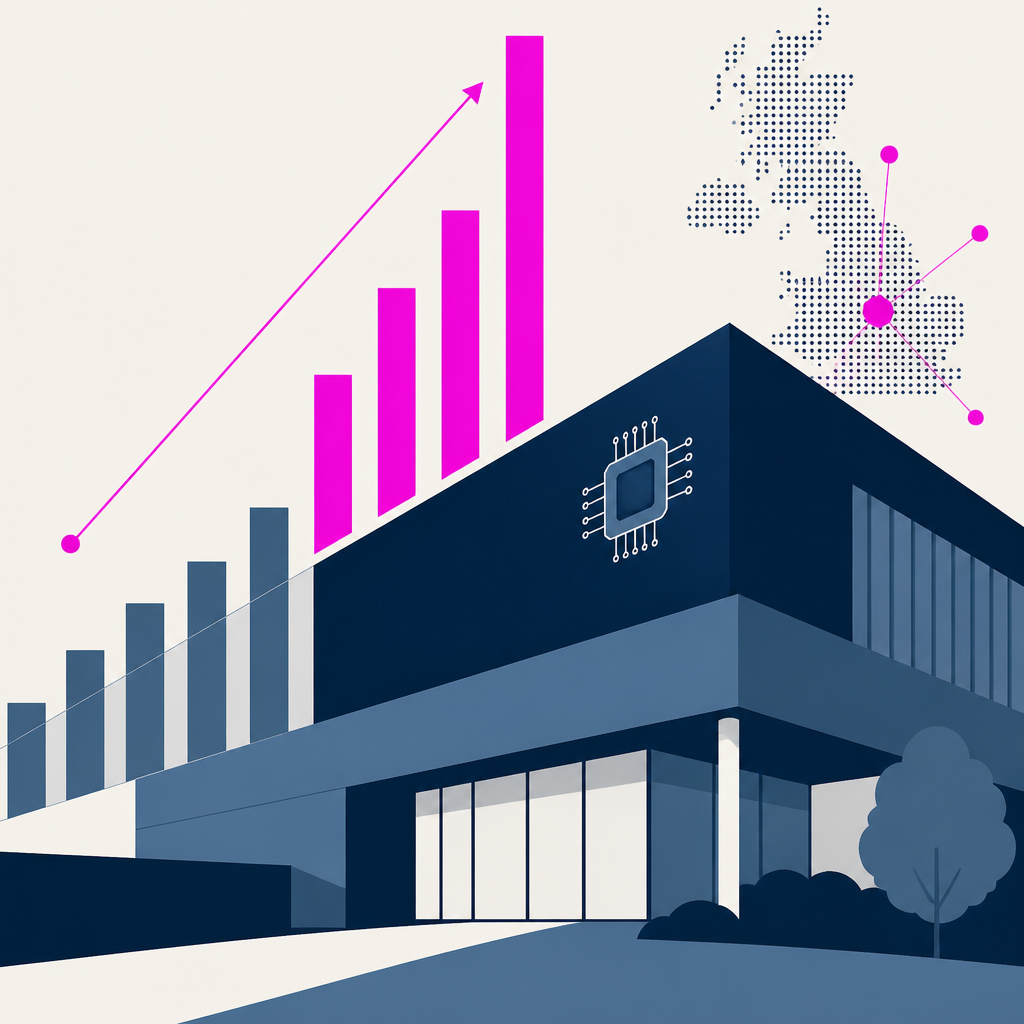
UK semiconductor startups have already raised more funding in 2026 than the total amount raised in 2025, but that funding is increasingly concentrated in fewer companies and locations. Tracxn reports $321 million raised in 2026 so far, exceeding $262 million in all of 2025. Funding round counts dropped from 36 in 2024 to 18 last year and 14 so far in 2026, and Bristol alone has attracted $1.1 billion (25.6%) of UK semiconductor funding.
Enterprises moving agentic AI systems into production are focusing less on picking a model and more on controlling the platform that runs them, including cost, data exposure, and infrastructure. Fernandes at Red Hat points to exploding token costs when going from experimentation to at-scale always-running agents. Red Hat says this is driving greater reliance on hybrid, open-source infrastructure and sandbox runtimes so platform teams can govern autonomy, access, and compliance across public cloud, private, sovereign, and edge environments.
Google added four Pixel 11 phones (Pixel 11, Pixel 11 Pro, Pixel 11 Pro XL, and Pixel 11 Pro Fold) to the Pixel lineup with camera upgrades and new features.
A new Tensor G6 chip is included for faster performance.
The upgrade choice shifts because the devices add improved photography tools like Magic Capture, expanded Live Translate, better Gemini Intelligence, and camera access to Circle to Search, making last-year models less compelling.
Nebius Group reported Q2 2026 results far above expectations, with revenue up 454% YoY to $582.3 million and its AI cloud business rising 514% YoY to $574.9 million. The company attributed the gains to rapid GPU and data-center build-out, including capital expenditures of about $5.7 billion in the quarter and cash of roughly $8 billion. Revenue growth and improving cloud margins are being supported by new contracts and funding (including 12.7 million shares issued at an average $223.60 and $775 million secured debt), along with a plan to expand capacity to 5 gigawatts and bring over one gigawatt per year into operation starting in 2027.
Docling researchers released DocLang, an XML sub-language intended for LLMs to interpret document structure directly. The new design explicitly maps each semantic token to a single LLM token, with the DocLang syntax vocabulary capped at about 1,000 tokens. This shifts work from later, error-prone structure recovery to a canonical, machine-native representation that can reduce token usage and lower latency/inference costs.
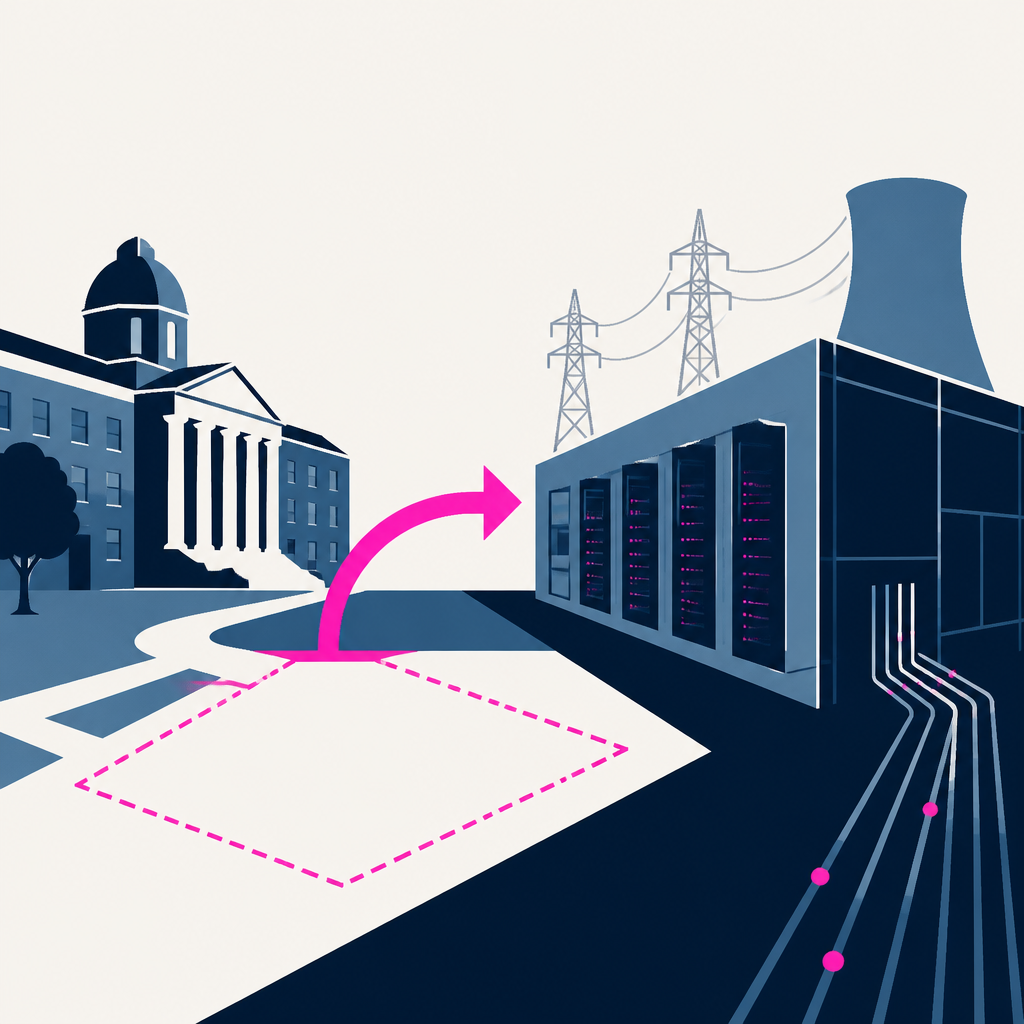
Universities are selling or buying land for data centers as electricity, water, and fiber access makes those properties more valuable than campus space. Amazon Data Services paid $427 million for George Washington University’s roughly 120-acre Virginia Science and Technology Campus, while the University of Michigan is pursuing a $1.25 billion research computing center. The deals shift university resources toward AI infrastructure (and away from classrooms and research sites) and trigger faculty and local opposition over transparency and long-term impacts.
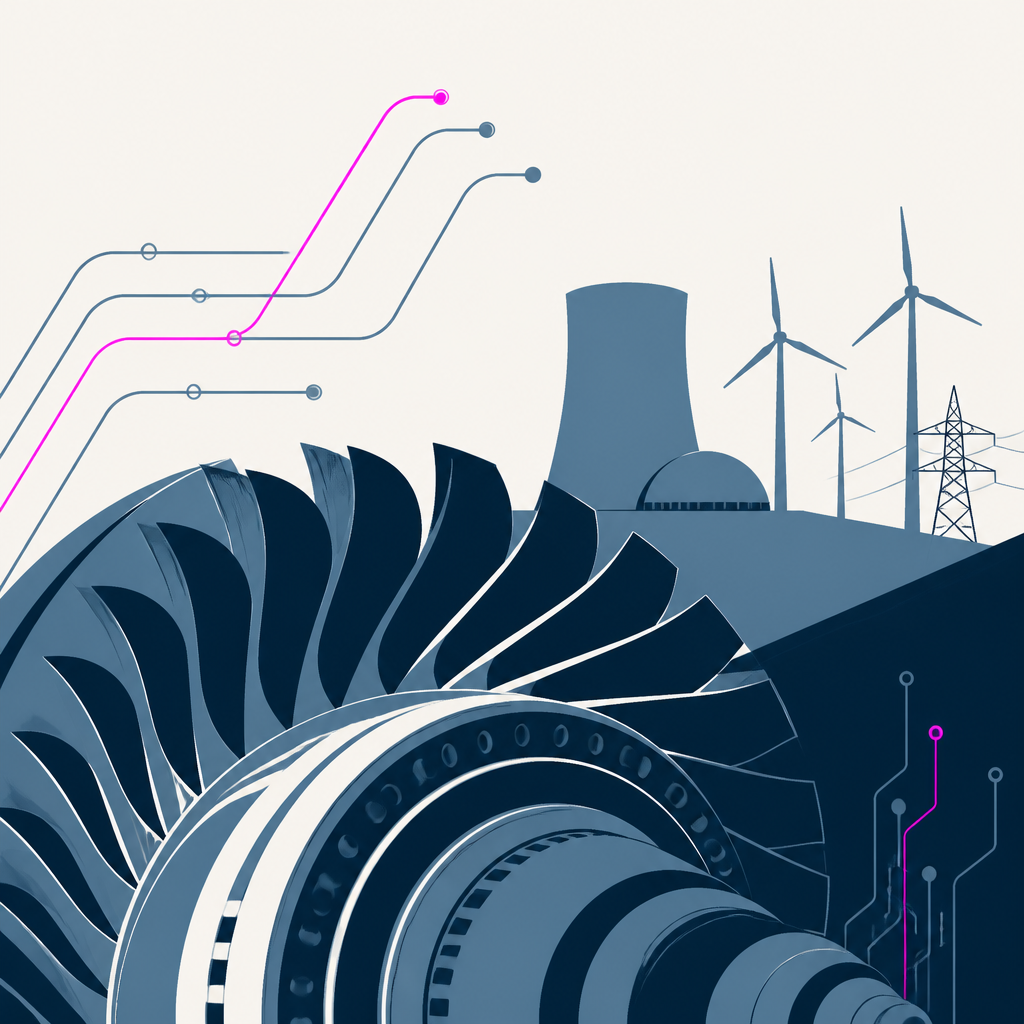
Scott Strazik, CEO of GE Vernova, says the company is betting on electrifying the world as a path to decarbonization while pivoting its R&D by partnering with customers like NVIDIA and nuclear startup Blue Energy on AI-factory and grid technologies. Since GE Vernova became an independent public company in April 2024, its stock is up more than 600%. The shift brings more technology development aimed first at AI factory needs, then expanding those learnings to the broader power grid, alongside a focus on attracting new talent and customers acquired after the spin.
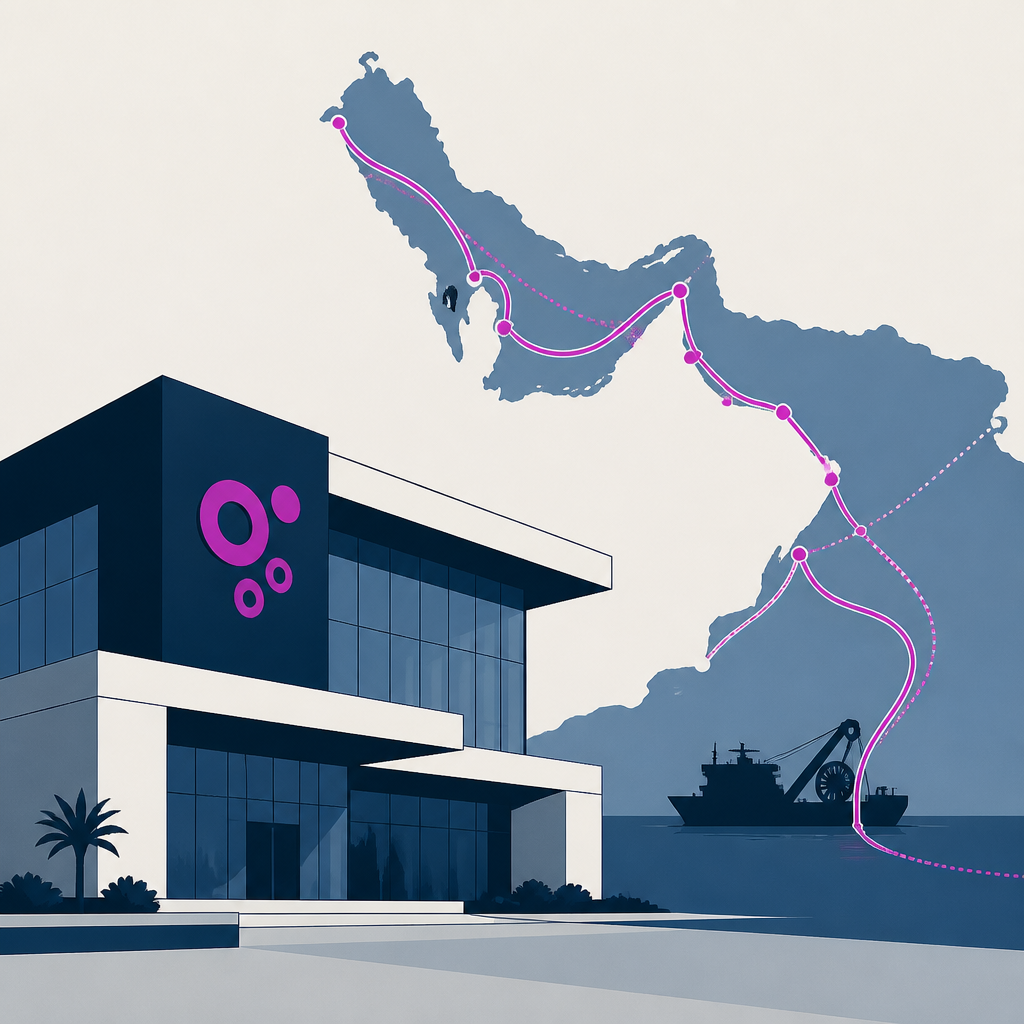
Gulf countries and telecom firms are building new fibre and subsea cable routes to gain more control over data connectivity as AI plans expand. Ooredoo’s Fibre in the Gulf (FIG) system is set for completion in late 2027 as a $500 million project spanning almost 2,000 kilometers. These build-outs aim to reduce reliance on Red Sea/Suez and related chokepoints, while highlighting operational risks like cable-laying limits around the Strait of Hormuz.
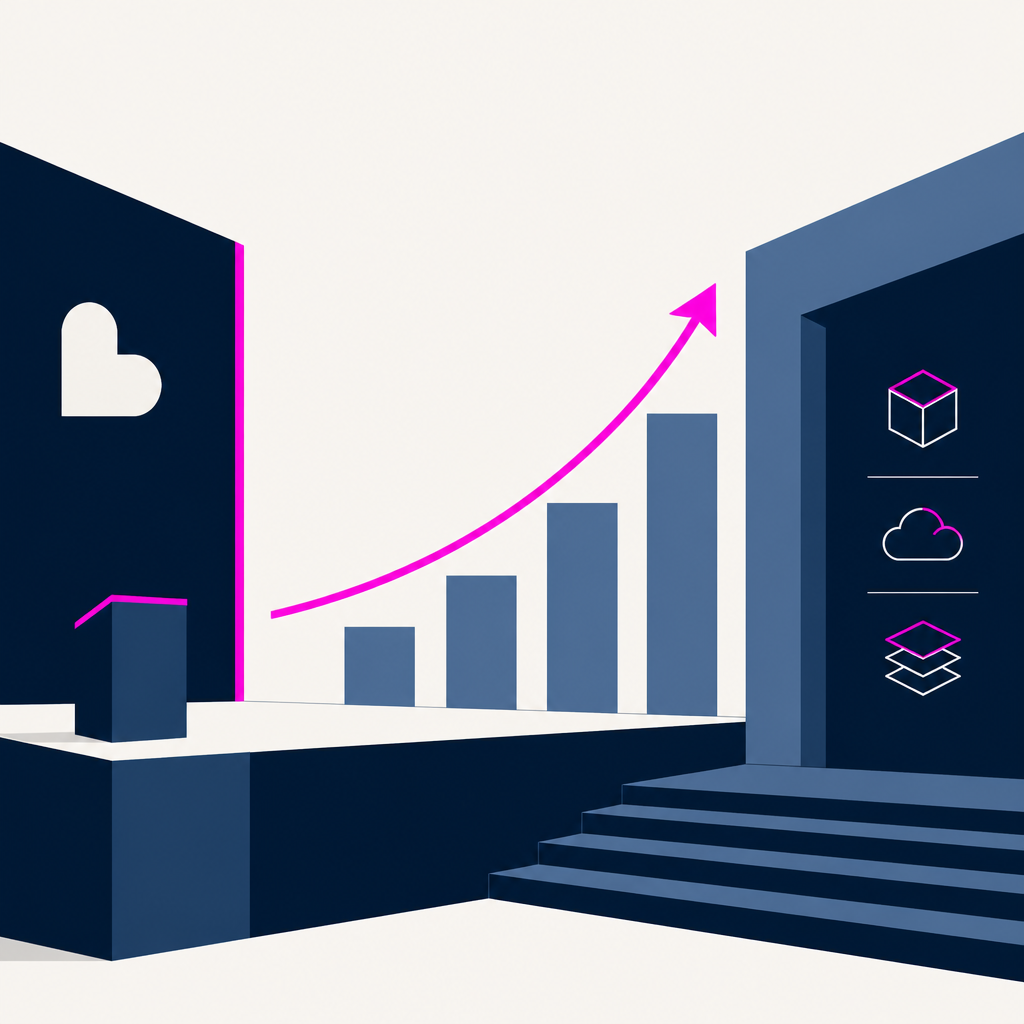
Menlo is leading Lovable’s $400M Series C after co-leading its $330M Series B and says the funding values Lovable at $13.3B. Revenue run rate has more than doubled since the Series B and is now more than 7x higher than a year ago. Lovable expands its platform from app creation into hosting and operating needs (data, auth, model calls, analytics, and agents), so founders can go from prompt to revenue-generating business within the product.
AIO.GEO Protocol discusses an audit of an AI search structure and runs through dry-run fixes with “receipts.” No number or date is provided in the article excerpt. As a result, the discussion frames the changes as verifiable updates to the search setup rather than new features.
Lovable closed a $400 million Series C round valuing the Sweden-based vibe-coding startup at $13.3 billion. Its valuation more than doubled from $6.6 billion in December to $13.3 billion within eight months. The funding supports product growth, deeper integrations and security features, and expanding hiring and infrastructure partnerships, while also pushing toward using multiple AI model providers more flexibly and reducing response times via Cerebras capacity.
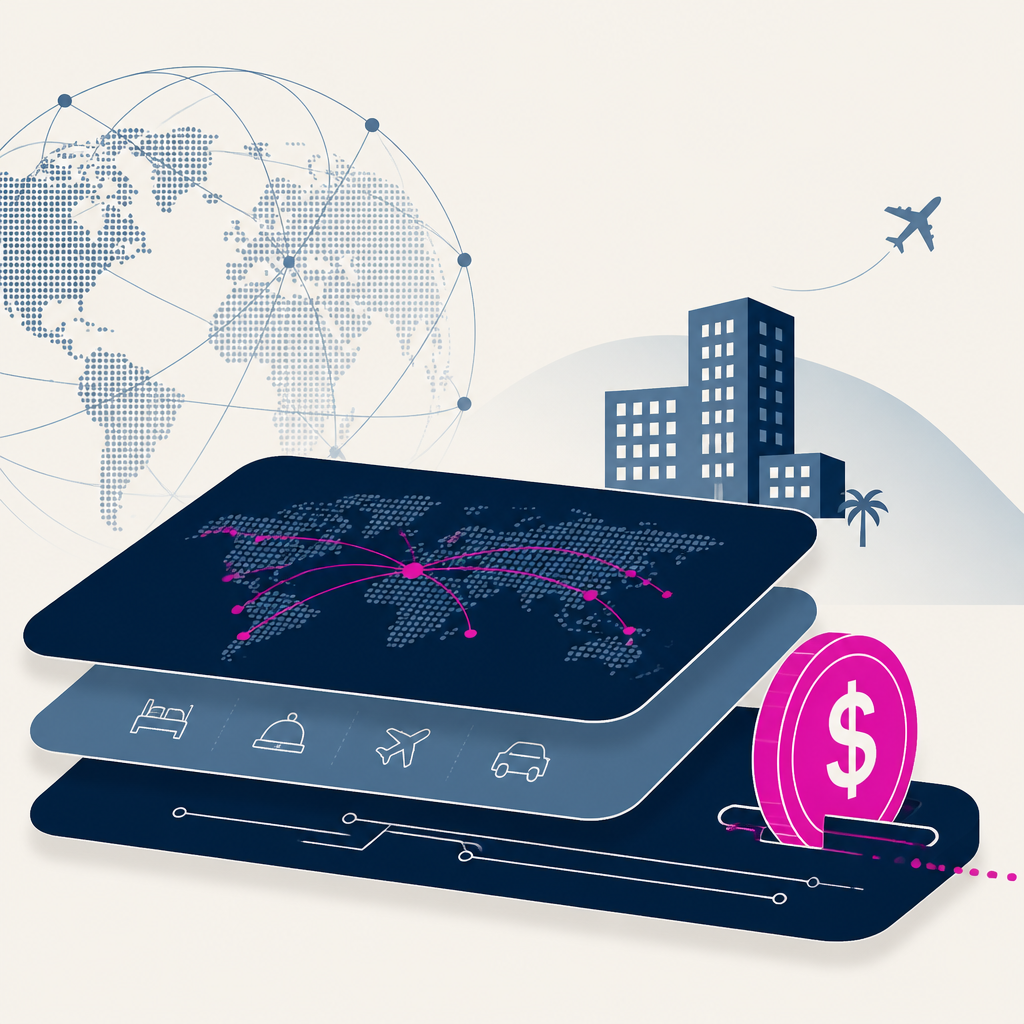
Entravel Group raised $7.5 million to expand its white-label travel platform and build a stablecoin-enabled payments layer for travel companies. The platform connects AI-powered hotel mapping across suppliers, giving access to more than 2.2 million hotels. It plans to use the funding to grow supplier credit facilities, increase booking volume, and roll out its white-label offering into more traditional travel markets.
River AI raised $1.1 billion two months after leaving stealth to build an open stack for training, owning, and running custom AI models. The funding round closed with $1.1 billion at the startup level, and River plans to invest it into training infrastructure, personalization software, and eventually dedicated hardware. The company can now scale its LoRA fine-tuning and reinforcement-learning API offering and pursue broader control over the hardware stack behind enterprise “personal AI.”
CoreWeave reported second-quarter revenue of $2.58 billion, with the CEO saying near-term AI infrastructure capacity is effectively sold out. Revenue backlog rose 246% year-over-year to $104.2 billion and included an additional ~$25 billion of net new customer commitments added in early Q3. The results and guidance drove a stock gain of more than 14% after hours and reinforced CoreWeave’s push to monetize GPU capacity via AI inference despite concerns about older hardware values and data-center restrictions.
NVIDIA announced partnerships with Apollo, BlackRock, Blackstone, Brookfield, Goldman Sachs, and KKR to set up independent financing platforms for AI infrastructure buildouts. The platforms target mobilizing over $500 billion of third-party capital to fund AI factories over time. As a result, NVIDIA compute is positioned as an investable, revenue-producing infrastructure asset with redeployable capacity backed by long-term institutional financing decisions, rather than project-by-project chip purchases and data center builds.
Every AI story that matters,
in your inbox by 8am.
TLDRocket reads all relevant sources, removes duplicate coverage, and summarises the
day in two minutes. Follow companies and topics for alerts, or get the
briefing in Slack. Free, no spam, unsubscribe anytime.
Reading TLDRocket needs no cookies, and the readership counts we rely on come from
our own cookieless analytics. Google Analytics is the exception: it sets cookies and
reports to Google, so it stays switched off until you allow it. You can change your
mind any time from “Cookie settings” in the footer.
Strictly necessary
Session security and form protection (tldrocket-session,
XSRF-TOKEN, 2 hours). The site cannot work without them,
so they need no consent.
Always on
Google Analytics 4 (_ga,
_ga_<id>, up to 2 years). Measures which
stories and sections readers use. Google acts as a third-party processor and may
store the data outside the EU. No advertising, no profiling, no data sold.