
Scott Strazik’s stunning turnaround at GE Vernova
Fortune Diane Brady
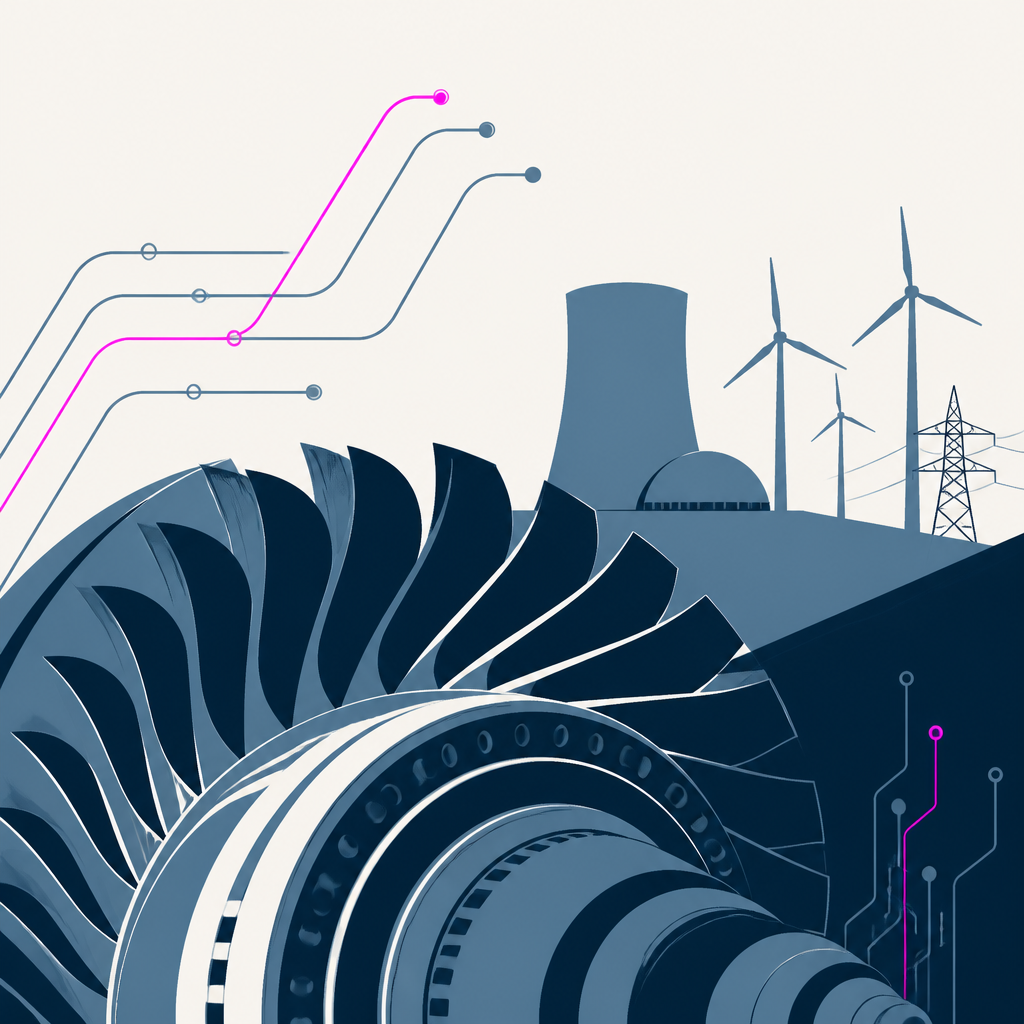
GE Vernova says AI data centers are now helping power its growth. Its stock is up more than 600% since the April 2024 spinout.
Based on reporting by Fortune, Diane Brady — read the original for the full story.
Summary, retelling and take written by AI under human oversight; images are AI-generated illustrations. How we work · Report an error
GE Vernova is trying to turn the AI boom into a power business, and so far Scott Strazik is making that sound less like a slogan and more like a strategy. The company’s gear and software help generate about a quarter of the world’s electricity, from gas and wind to hydro and nuclear, and it also makes equipment for grids. That’s a big base to build from when everyone suddenly needs more power, faster.
Since GE Vernova became a standalone public company in April 2024, its stock has climbed more than 600%. But the number that matters here is not just the share price. Strazik has pushed the company into new growth areas by treating customers such as NVIDIA and nuclear startup Blue Energy as R&D partners, not just buyers. That matters because the work those customers need is more demanding than the standard product set, and the lessons are meant to spill over into the broader grid.
He sounds unusually unsentimental about the old GE identity. About 25% of employees weren’t there on spinout day, and about 25% of customers only started buying after the split. In other words, this is already a different company, with different relationships and a different center of gravity. “Technology companies that historically were not buying directly from us have become critical customers and strategic partners,” Strazik said.
The deeper point is talent. Strazik is talking about needing people who get excited about building things, because there is a lot to build over the next decade. That’s a more useful frame than the usual AI victory lap. The opportunity is not just serving the AI age; it’s using AI’s power demands to modernize the grid itself.
The company Thomas Edison helped found in 1892 has gone from making history to selling the infrastructure for the next wave of computing. That is a very GE kind of pivot: messy, industrial, and hard to fake.
My take — AI-written commentary, not fact-checked reporting
This is what real AI infrastructure looks like, not another chatbot with a louder press release. The smart money is on companies selling the electricity, gear, and grid software that keep the whole circus running. Everyone else is mostly renting the spotlight.
Read more about this at: Fortune