Groq announced it raised an additional $350 million in funding, with Series A leadership from Disruptive and Nvidia planning to join later. The company said it will expand GroqCloud capacity from 57 megawatts to over 200 megawatts next year. GroqCloud will grow in capacity as a result, letting customers run more AI inference workloads on its public cloud infrastructure.
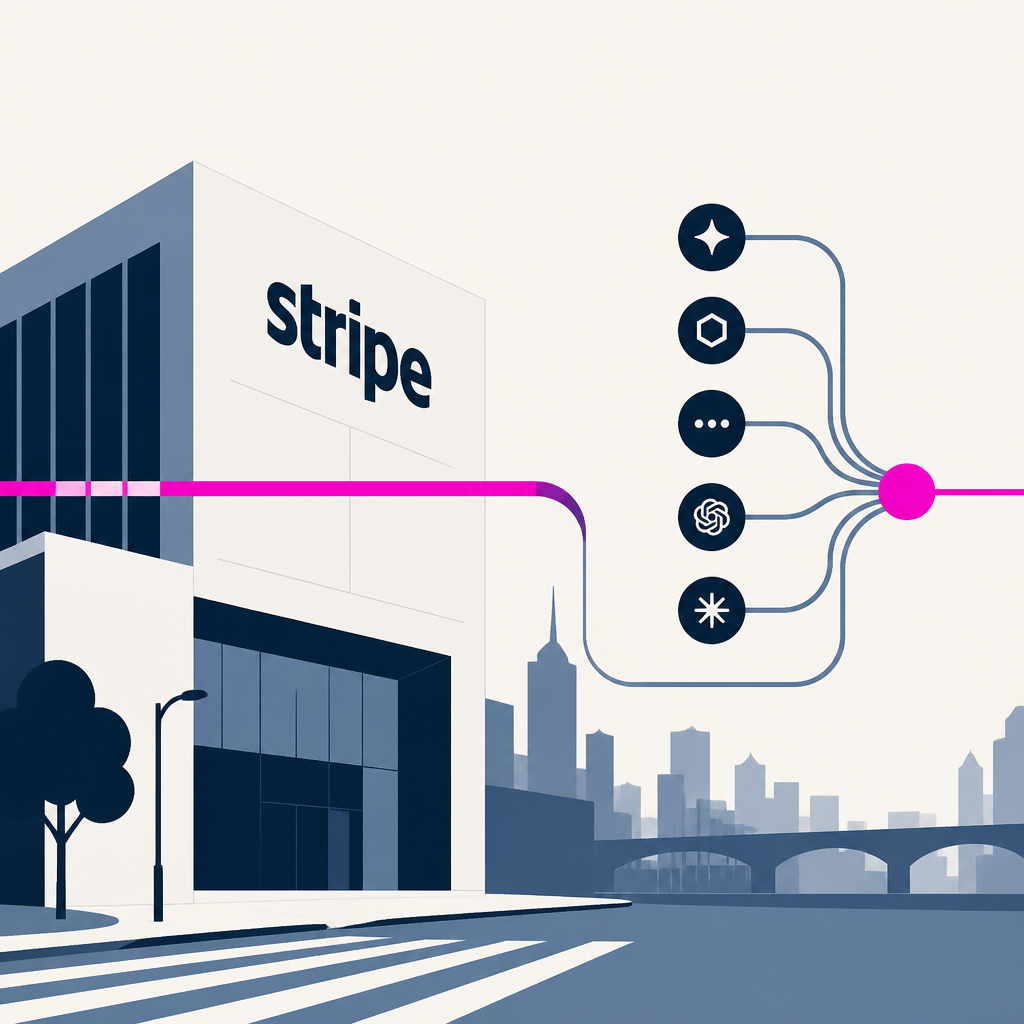
Stripe acquired OpenRouter in a deal reported as essentially closed after months of negotiations. The acquisition price was reported at $7B. OpenRouter’s model-routing layer is now part of Stripe, shifting attention to how that API aggregation layer monetizes within AI infrastructure as competitors push markup toward zero.
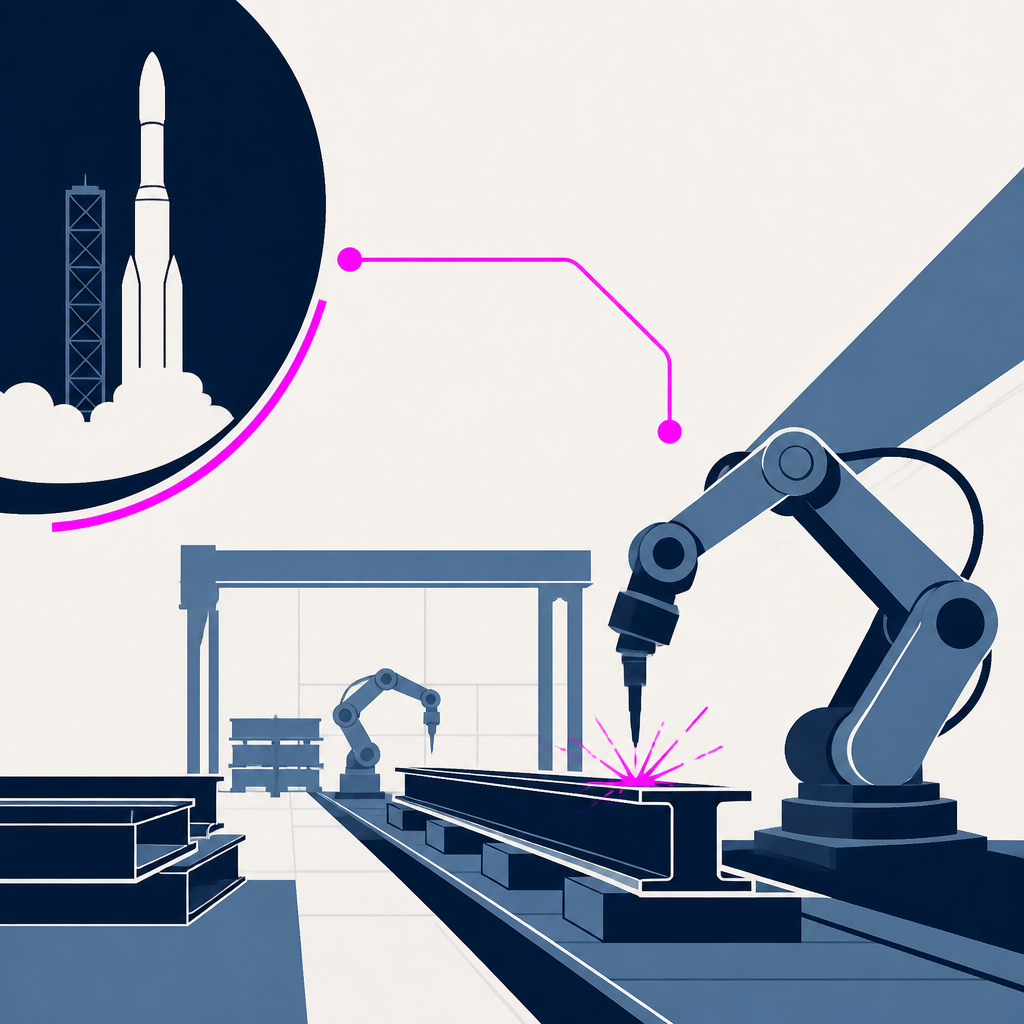
Three former SpaceX engineers are building a robotic steel-fabrication factory using AI-driven software and robots through their startup 1872. Their prototype factory aims to automate most steel fabrication for key infrastructure components by 2027. The work shifts from rocket engines to manufacturing steel skids for clients building AI data centers and small modular nuclear reactors, targeting about 80% autonomous operations.
A constraint-aware GPU allocator was benchmarked against a FIFO scheduler on identical hardware and workloads, and it produced higher GPU utilization and priority-weighted output by changing only the order of allocation decisions. In the training-heavy case on 8 GPUs, utilization rose from 53.6% to 87.0% (+33.4 points), with priority-weighted value increasing by 105.1%. The results show that scheduling that treats real-time demand as a curve and assigns GPU placements by priority across the full horizon improves utilization and value without tradeoffs across the tested scenarios, rather than simply keeping GPUs busy with FIFO ordering.
Unitree’s IPO is drawing more investor attention than Shein’s despite Shein aiming to raise up to $3 billion. Unitree is raising 6.1 billion Chinese yuan ($904 million) and says its retail offering was more than 8,000 times oversubscribed. The focus is shifting from e-commerce to AI infrastructure and hardware, while U.S. and EU protectionism pressures Shein’s margins and profitability profile.
James Dacombe’s AI chip-making firm Olix reached a breakout investing round that pushed his personal net worth over $1 billion. Olix raised $312 million earlier this month and valued the company at $3.3 billion. That funding makes Dacombe Europe’s youngest self-made billionaire, while his CoMind stake also adds to his overall wealth.
SoftBank invested $200 million in Swiss construction robotics startup Gravis Robotics, which announced a Series A and valued the company at about $1 billion post-money. The round is $200 million, with SoftBank as the sole investor. Gravis says the funding will go toward hiring, expanding into more international markets, and increasing the number of its commercially running autonomous retrofits.
theCUBE Pod hosts debated whether the AI market is in a bubble as Nvidia and neocloud spending expand. Nvidia’s CEO committed $500 billion to independent financing platforms for AI infrastructure, which the analysts say could delay a burst and keep the buildout from failing loudly. The discussion shifts attention to inference-demand timing, the risk in neocloud monetization, and why Cisco’s strong results still led to a stock drop after hours.
Groq raised $350 million to continue shifting from an AI chipmaker into a “neocloud” provider of GPU-based AI infrastructure. The round values the company at $3.5 billion, down from $6.9 billion in September. Groq plans to expand capacity from 54 megawatts to more than 200 megawatts by 2027 and operate Nvidia-based systems as an infrastructure provider within Nvidia’s ecosystem.
Higgsfield Inc. raised $400 million in early-stage funding to scale its visual reasoning platform for generating and editing video, images, and audio. The round quadrupled the company’s valuation to $5.4 billion since its January funding round. After the funding, Higgsfield expands its cloud platform and agentic tooling that grew agent use by 42-fold in three months, reaching over 20 million content generations per month.
Nvidia agreed to invest $1.5 billion in SB Energy, a SoftBank-linked data center developer tied to OpenAI’s Ports-Pike site near Cincinnati. Nvidia also plans to provide up to $105 billion in credit and the facility is projected to scale from 4.25 gigawatts to 8 gigawatts. The deal makes Nvidia the sole compute infrastructure supplier for the data center and ties the buildout to a 9.2 gigawatt natural gas power plant expected to cost $33 billion.
Groq raised $350 million on weaker terms and its valuation fell from $6.9 billion to $3.5 billion, even as Nvidia assets became a major part of the restructuring. The round implies the company’s valuation is now almost cut in half ($6.9B to $3.5B). Groq shifts from being an AI inference chip designer to operating an inference cloud with its own data centers, while Nvidia uses licensed Groq technology through its platform.
Tether commissioned KPMG to audit its gold-backed reserves after weeks of handling roughly 150 tons of bullion, and the audit confirmed its reserves exceed liabilities by $6.8 billion.
Hexaware Technologies introduced the Zero Friction Enterprise delivery framework to bundle modernization, cybersecurity, engineering, operations, quality, and enterprise software into one offering. The framework includes a pillar called Zero Backlog, described as AI-native engineering that carries teams from requirements through build, test, and release. Hexaware positions this as a shift from separate, siloed improvement programs to a connected system coordinated through its Zerovity delivery layer.
Higgsfield raised $400 million led by Goldman Sachs, DST Global, Liberty Global, and Intel at a $5.4 billion valuation. The round takes annualised revenue to $500 million and quadruples its valuation from $1.3 billion in January. The company will use the capital for enterprise products, security, and compute, focusing on enterprise video-marketing demand.
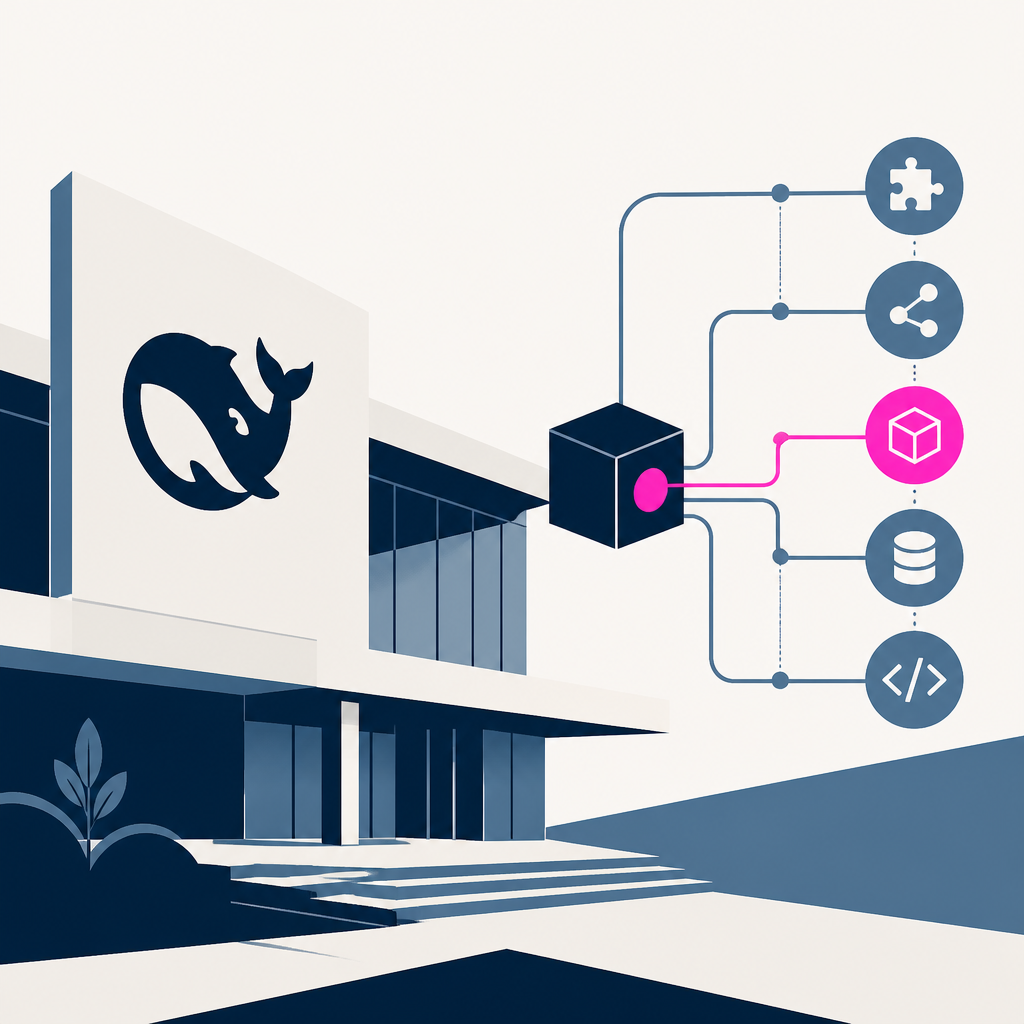
DeepSeek released DeepSeek Harness v0.1 as a developer preview and published its full source code under the MIT license. The release includes an append-only session log that records every context injection. The harness becomes deployable mainly as developer infrastructure, letting teams swap models, tools, sessions, sandboxes, and other agent components as configurable plugins without changing Harness source code.
Birdsview raised €3.7 million led by Sarsia to use sensors and AI to scan concrete and produce 3D models without drilling. The funding round was secured with NOK 40.5 million, and Birdsview’s product signed up customers in nine countries within weeks after launching in March 2026. It will be used to scale commercial, industrial, and international operations, replacing manual concrete inspections with ready-to-use model outputs.
Stripe is set to acquire AI multi-provider OpenRouter for more than $7 billion. OpenRouter’s valuation in its most recent funding round in May was around $1.3 billion. As a result, Stripe is likely to move deeper into AI infrastructure by offering a way to route between models to manage AI costs, latency, and quality without locking into a single provider.
amber, an Aachen-based AI startup for SMEs, closed a €7 million Series A with NRW.Venture as lead investor, expanding on its €2.1 million seed led by Ventech. The funding round totals €7 million. The capital will be used to move from a user-driven assistant toward more autonomous software that identifies pending tasks and executes them across enterprise systems.
Stripe finalized an agreement to acquire OpenRouter, a startup that lets companies switch between AI models. The purchase price is for more than $7 billion. The deal would expand Stripe’s position in AI tooling as OpenRouter’s model-switching access and infrastructure moves into a payments-focused company.
Every AI story that matters,
in your inbox by 8am.
TLDRocket reads all relevant sources, removes duplicate coverage, and summarises the
day in two minutes. Follow companies and topics for alerts, or get the
briefing in Slack. Free, no spam, unsubscribe anytime.
Reading TLDRocket needs no cookies, and the readership counts we rely on come from
our own cookieless analytics. Google Analytics is the exception: it sets cookies and
reports to Google, so it stays switched off until you allow it. You can change your
mind any time from “Cookie settings” in the footer.
Strictly necessary
Session security and form protection (tldrocket-session,
XSRF-TOKEN, 2 hours). The site cannot work without them,
so they need no consent.
Always on
Google Analytics 4 (_ga,
_ga_<id>, up to 2 years). Measures which
stories and sections readers use. Google acts as a third-party processor and may
store the data outside the EU. No advertising, no profiling, no data sold.