Nvidia is reportedly holding talks about making another investment in Perplexity AI, with the deal aimed at increasing the startup’s valuation. The Information says Perplexity could be valued at more than $30 billion, up from a $20 billion valuation from its last funding round about a year earlier. If completed, the investment would deepen Nvidia’s existing financial and strategic ties to Perplexity and extend its leverage in AI search infrastructure.
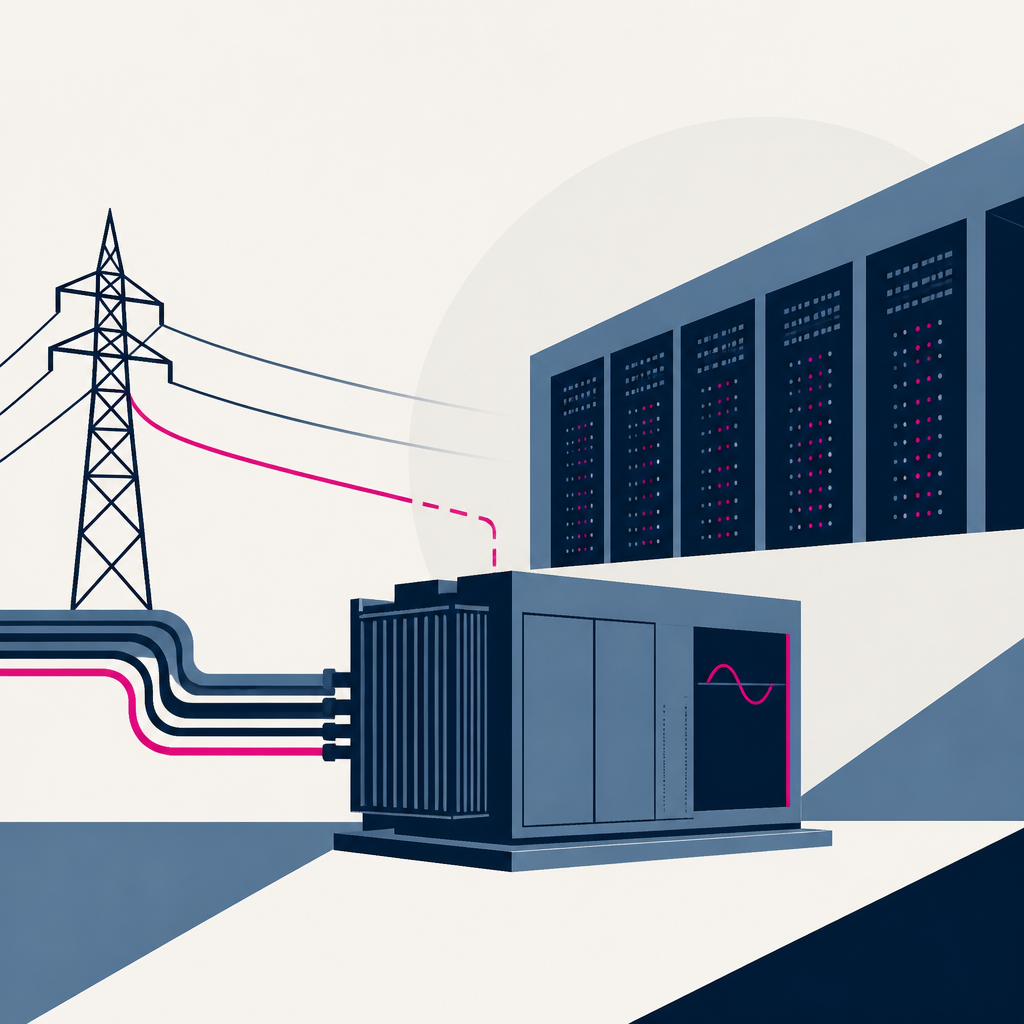
Data centers are driving electricity demand that is straining US power grids, alongside a broader push to deploy solid-state power transformers to ease transformer shortages. The article says utilities can face delivery waits of up to several years for new large transformers. As a result, power infrastructure upgrades can proceed faster while replacing older hand-assembled designs that have remained largely unchanged since the 1880s.
Donald Trump defended AI data center buildouts in a radio interview despite state and local governments pausing construction over environmental and grid concerns. OpenAI’s planned Ohio campus is expected to create 35,000 construction jobs over six years, and employ about 2,500 long-term staff. The backlash is met with stronger political support and continued investment plans for dedicated power generation and grid infrastructure.
Amazon SageMaker HyperPod added new Ray capabilities that integrate Ray on HyperPod’s managed EKS infrastructure for foundation-model training and serving. The rollout provisions four pre-built Grafana dashboards in Amazon Managed Grafana (Ray Core, Ray Data, Ray Train, and Ray Serve). Users can now create and monitor Ray clusters from SageMaker Studio with automatic Ray Dashboard access, out-of-the-box observability, and HyperPod-backed resilience features like node recovery, hung job detection, and tiered checkpointing.
Zvi (Don't Worry About the Vase)·1 month ago·
35
● 6 sources
The article argues that Americans’ opposition to building local data centers is largely driven by distrust of AI, big tech, and money rather than by debates over physical harms or benefits. It cites that 75% oppose local data center development and says persuasion moves support only slightly from very high levels of opposition. It concludes that the main shift is political momentum to block construction that increases as AI becomes more salient and companies push harder into less receptive communities.
AWS rolled out cloud-to-edge solutions to help customers operationalize physical AI, which extends foundation-model capabilities into robots and other devices that perceive and act in real environments. The article cites an out-of-distribution test where Config’s generative multi-view augmented data raised success rates from 8.3% to 75%. This shifts physical AI from demos toward repeatable deployments by emphasizing end-to-end pipelines for data, simulation, edge inference, fleet management, and continuous cloud-to-device feedback loops.
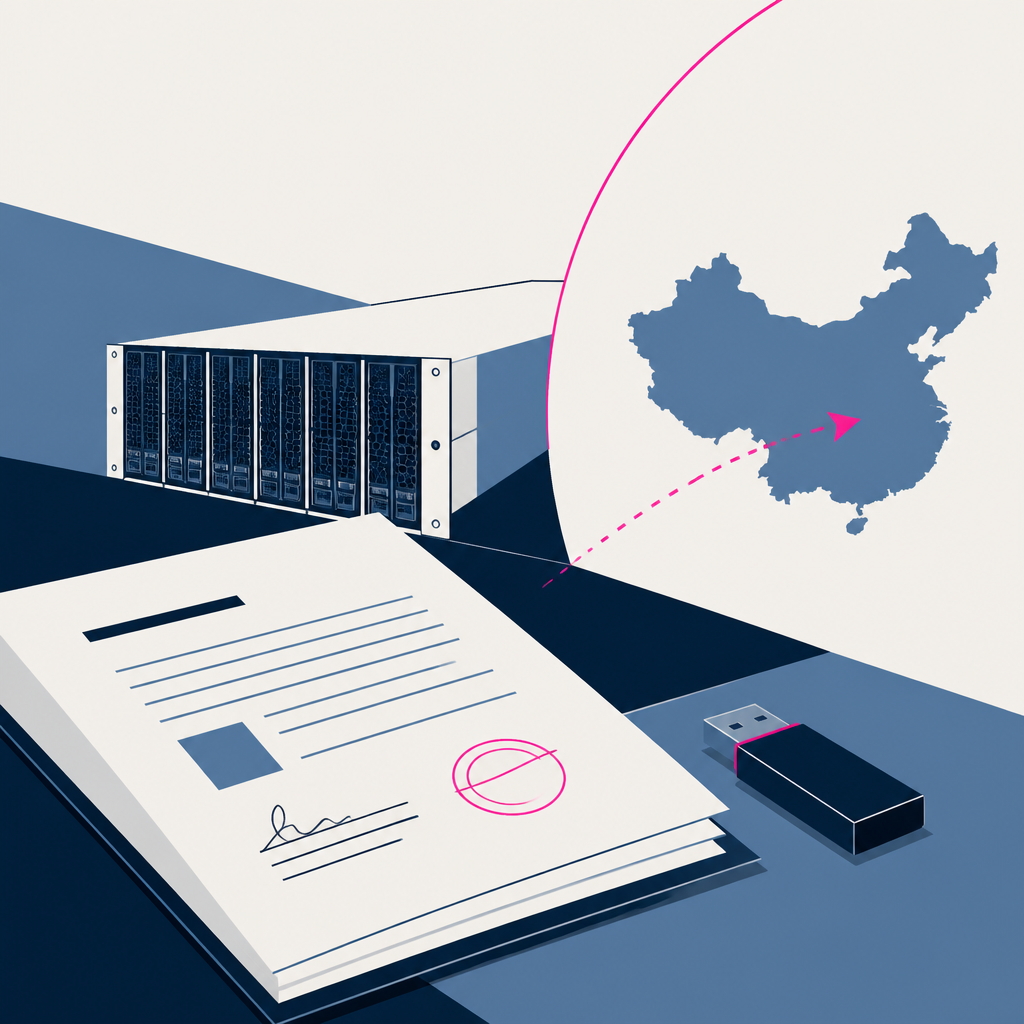
Taiwan indicted nine people, reportedly including an Nvidia senior manager and two Supermicro employees, over alleged document forgery tied to illegal exports of high-end AI servers to China. Prosecutors allege the scheme helped funnel $2.5 billion in restricted AI servers to China starting in 2024. The indictments and parallel investigations add new charges and widen scrutiny of how AI hardware and related components were routed around US export controls.
AWS introduced a centralized AWS Agent Registry catalog and the Agentic Resource Discovery (ARD) open specification to enable cross-environment discovery of AI agents and related resources. The ARD standard is licensed under Apache License 2.0 and is published at agenticresourcediscovery.org and on GitHub. AWS positions ARD as an interoperability layer so registries can federate using a shared format without bespoke connectors while keeping local publication and access controls.
Mistral announced a strategic collaboration with HUMAIN to expand sovereign AI infrastructure, model development, and AI deployments in Saudi Arabia and across the Middle East. The partnership is described as involving a collaboration in the hundreds of millions of Euros and includes using HUMAIN’s data center infrastructure for local compute needs. The companies will focus on localized advanced models for Arabic with initial areas in cybersecurity and voice, and they plan a joint go-to-market strategy for regulated industries.
AWS has demonstrated an AI-powered metadata correction and harmonization workflow that uploads metadata, runs parallel schema alignment and field validation, and proposes targeted fixes with user approval. It uses Amazon Bedrock on AWS and selects Amazon Titan embeddings for semantic matching. The workflow shifts metadata standardization from largely manual work to a scalable, cyclical pipeline with human-in-the-loop governance options for deployment.
NVLink Fusion is presented as a way to integrate custom XPUs into NVIDIA’s existing AI factory infrastructure so scale-up networking, rack-scale architecture, and software can keep up with continuous AI factory operation. The article cites sixth-generation NVLink enabling networking across a 72-XPU domain, with XPU-to-XPU transfer latency 3x lower and packet rate 10x higher than off-the-shelf Ethernet-based alternatives. As a result, XPU builders can reuse mature components to reduce time-to-market and operational risk while scaling unified, semi-custom AI factories that mix CPU/XPU and other accelerators on shared rack infrastructure.
NVIDIA announced that its Vera Rubin NVL72-based rack-scale system, NVIDIA Groq 3 LPX, is now in full production and is being adopted by multiple AI infrastructure partners for agentic inference. In an Artificial Analysis benchmark with Gemma 4 31B on 100,000-token contexts, it delivered 3,400 output tokens per second, about 4x faster than the nearest alternative platform. The update changes the inference stack by pairing long-context context processing on Rubin GPUs with LPX’s lower-latency token decode acceleration, and by extending NVIDIA’s Vera Rubin network fabric to enable larger, lower-cost agent workloads at scale.
NVIDIA reported that Vera Rubin NVL72 systems deliver up to 30x higher agentic-workload throughput per megawatt than GB300 NVL72. The measurement used the SemiAnalysis AgentX workload and found up to 35x lower cost per million tokens. This shifts agentic AI deployment toward Vera Rubin by improving energy efficiency and lowering token costs while scaling tool-using, long-context agents.
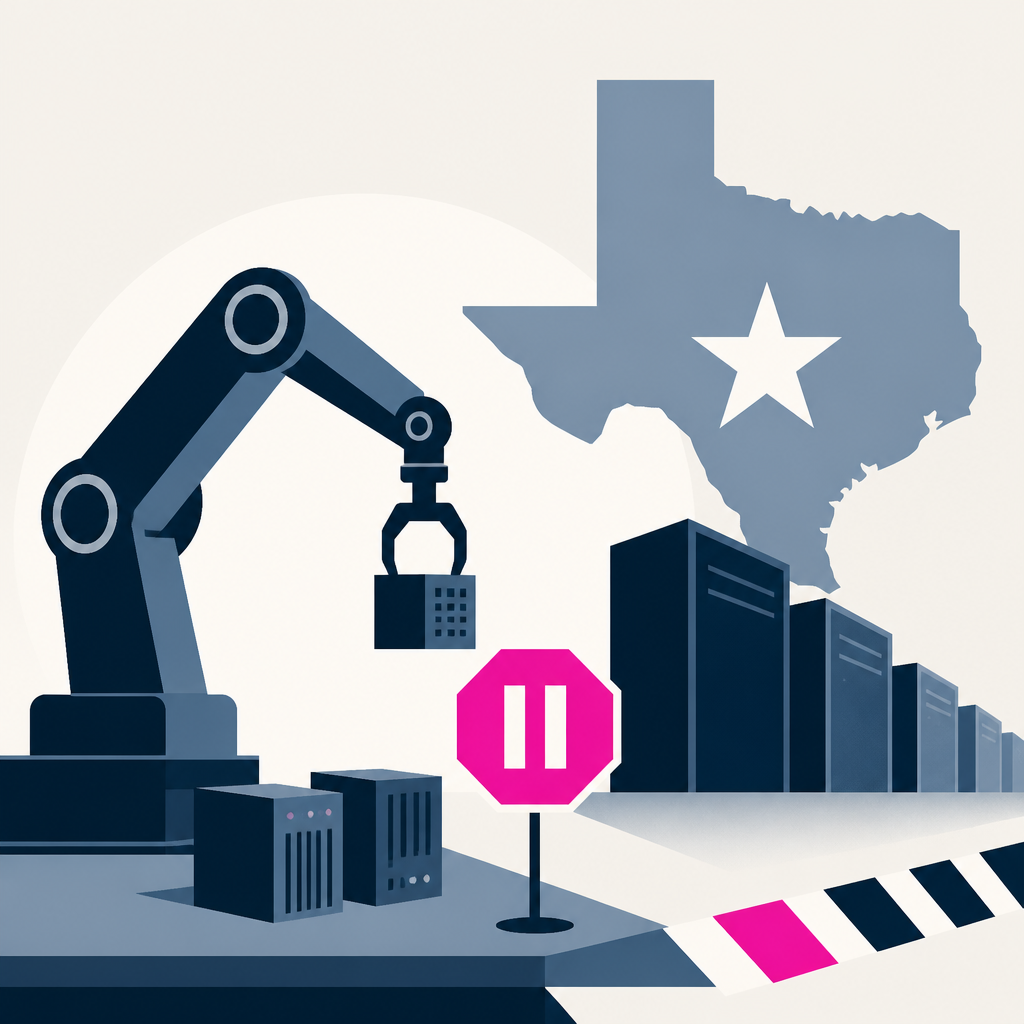
Texas Gov. Greg Abbott reversed his pro–AI data center stance, calling the industry’s rush into communities a cause of backlash and directing regulators to pause approvals. Roughly 1,800 data center projects were stalled after Abbott’s order, tied to about 474 gigawatts of interconnection requests. The change increases scrutiny via a verification and audit process, slows grid-connection progress, and signals broader political pushback on data center expansion.
Clean energy investment is rising despite efforts by the Trump administration to slow solar and wind rollout. Clean energy additions are set to increase by 45 gigawatts this year. The result is record capacity growth that outpaces the 2024 benchmark by about 25 percent as demand from AI data centers and tax-credit timing accelerates spending.
Hugging Face has been approached about a sale after Business Insider reported it is in talks to be acquired. The reported valuation is $13 billion or more. The talks would shift the company from operating its open-source model platform to a potential ownership change, while no deal has been reached yet.
Embedd, a London-based physical AI software startup founded by Ukrainian entrepreneurs, raised a $2.7M pre-seed round led by Seedcamp. The company says its platform cuts chip-to-software integration from 4–6 months to around 3 weeks. Embedd will use the funding to expand its platform and deepen partnerships with semiconductor companies to speed up adoption of new chips in robots, vehicles, drones, and medical devices.
Xpeng raised over $900 million via a separate round for its robotics business while keeping the unit as a consolidated part of the parent company. The post-money valuation is more than $6.3 billion. The funding is set to support mass production readiness, in-house model training and chip/software development, and expansion with the humanoid robot IRON.
Nvidia is reportedly in talks to invest in Perplexity at a valuation above $30B, following prior large funding rounds. The round would come after Perplexity’s $23B valuation in January 2026. It would lift Perplexity’s valuation by more than 50% and deepen Nvidia’s stake in an AI-agent-focused search business tied to GPU demand and usage data.
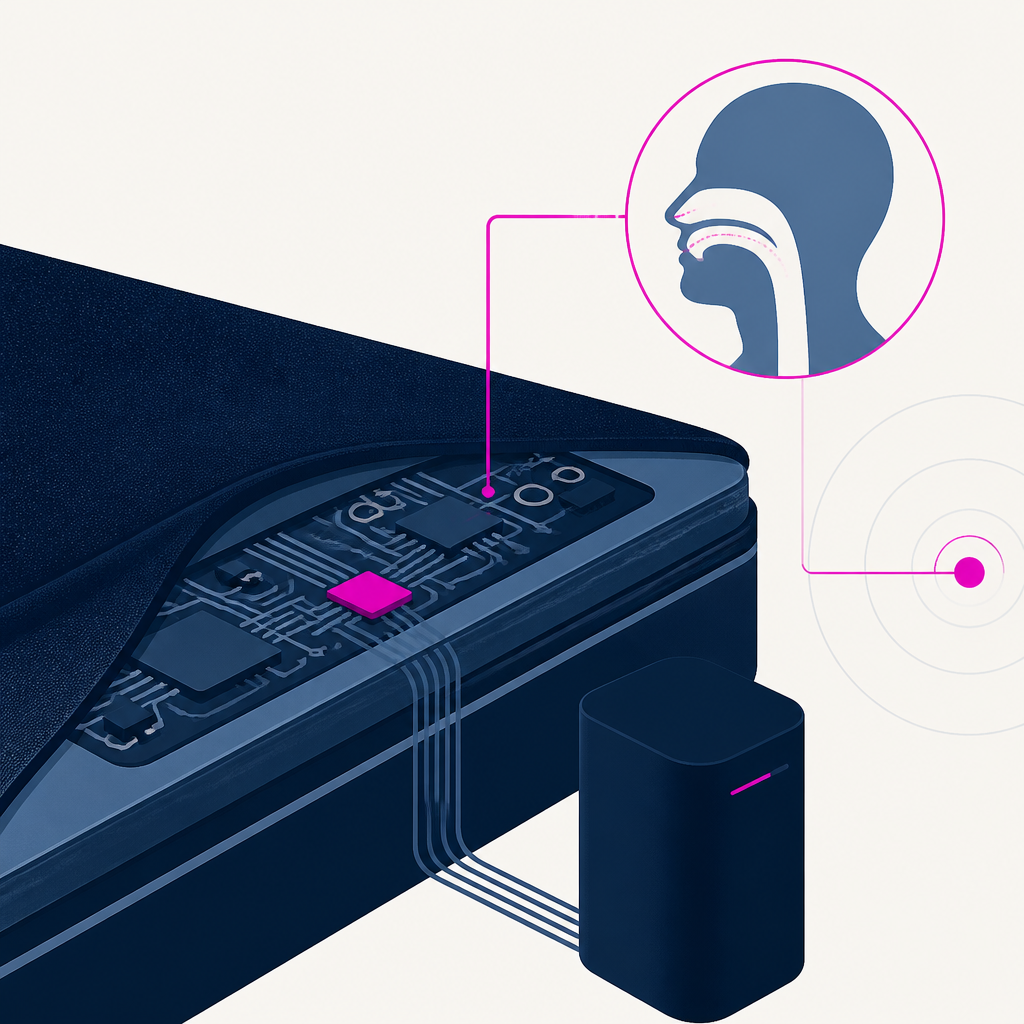
Eight Sleep is shifting from marketing a celebrity-favored premium mattress cover to seeking FDA clearance to detect and treat sleep apnea. It began FDA clearance work for its sleep apnea detection and mitigation technologies in 2025. If regulators approve, the company expects to sell its Pod as an insurer-paid medical device rather than a luxury subscription gadget.
AI harnesses are being positioned as the software layer that turns language models into multi-step agents by providing tools, rules, state/memory, and an execution loop. One harness-effect study found Claude Opus 4.5 scored 45.9% on SWE-bench Pro inside a standardized scaffold and 55.4% with Claude Code. The result is that agent performance and cost increasingly depend on the harness (and its setup and security), creating a new competitive layer and locking in workflows and permissions beyond the base model.
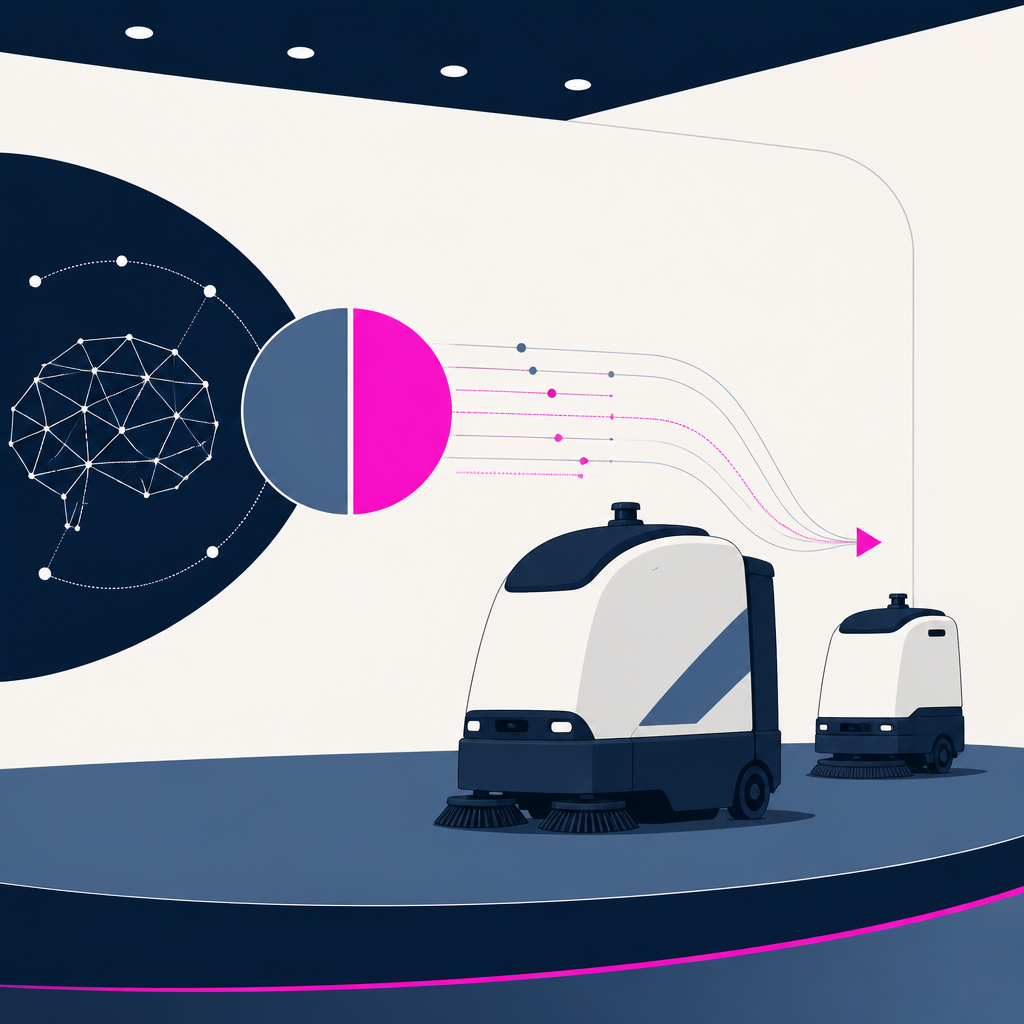
NEURA Robotics is acquiring ADLATUS Robotics to expand its Physical AI robotics ecosystem for autonomous cleaning. The deal covers 100 per cent of ADLATUS’s shares from Ulm. ADLATUS systems will gain additional sensors and AI capabilities and be gradually integrated into the Neuraverse so the robots can recognize surfaces/soiling, choose cleaning strategies, and learn from real-world use.
European tech weekly recap tracked more than 45 European tech funding deals alongside over 5 exits, M&A, rumours, and related stories. The coverage totals over €684M in funding. It highlights fintech (€239.2M), robotics (€178M), and artificial intelligence (€99M) as the top-funded industries while naming country leaders and specific deals.
Hugging Face is exploring a potential sale that would be valued at $13B or more, according to reporting on early-stage discussions. The $13 billion figure is nearly 3 times Hugging Face’s 2023 valuation of $4.5 billion. The company has hired a bank to assess buyer interest, while any deal could shift control of its open-model infrastructure away from its current neutral setup.
An article highlights 6 UK AI infrastructure startups to watch based on input from top VCs. The concrete figure is 6 startups. It gives readers a shortlist of companies to follow rather than reporting a specific technical or funding development.
Tiangong Ultra and other Chinese humanoid robots outpaced Usain Bolt’s 100-meter mark at the World Humanoid Robot Games in Beijing. Tiangong Ultra ran 100 meters in 9.39 seconds. The event adds faster bipedal robot performance results for the 2025 edition, which includes 2,056 robots from 16 countries.
Every AI story that matters,
in your inbox by 8am.
TLDRocket reads all relevant sources, removes duplicate coverage, and summarises the
day in two minutes. Follow companies and topics for alerts, or get the
briefing in Slack. Free, no spam, unsubscribe anytime.
Reading TLDRocket needs no cookies, and the readership counts we rely on come from
our own cookieless analytics. Google Analytics is the exception: it sets cookies and
reports to Google, so it stays switched off until you allow it. You can change your
mind any time from “Cookie settings” in the footer.
Strictly necessary
Session security and form protection (tldrocket-session,
XSRF-TOKEN, 2 hours). The site cannot work without them,
so they need no consent.
Always on
Google Analytics 4 (_ga,
_ga_<id>, up to 2 years). Measures which
stories and sections readers use. Google acts as a third-party processor and may
store the data outside the EU. No advertising, no profiling, no data sold.