CIOs and CTOs at companies including Samsara, Docusign, Yum Brands, Cigna, and Compass are tightening AI usage, budgets, and model access as AI spending rises and some tools fail to deliver expected value. Global AI spending is projected to reach $2.5 trillion this year, a 44% increase, prompting shifts toward cheaper models and tighter guardrails like narrower context to cut token use. Companies are retraining staff and enforcing per-group or per-engineer limits so costs are managed and spending is kept from scaling as fast as compute and tokens.
Japanese firms are adopting AI more slowly than peers such as the US and UK despite labor shortages and productivity pressures. Only 8.4% of Japanese workers use AI as part of their job, versus 50% in the US and 32% in the UK. Cautious company culture, low tech talent, and pressure to avoid unemployment are limiting use to low-risk tasks while broader workflow automation stays rare.
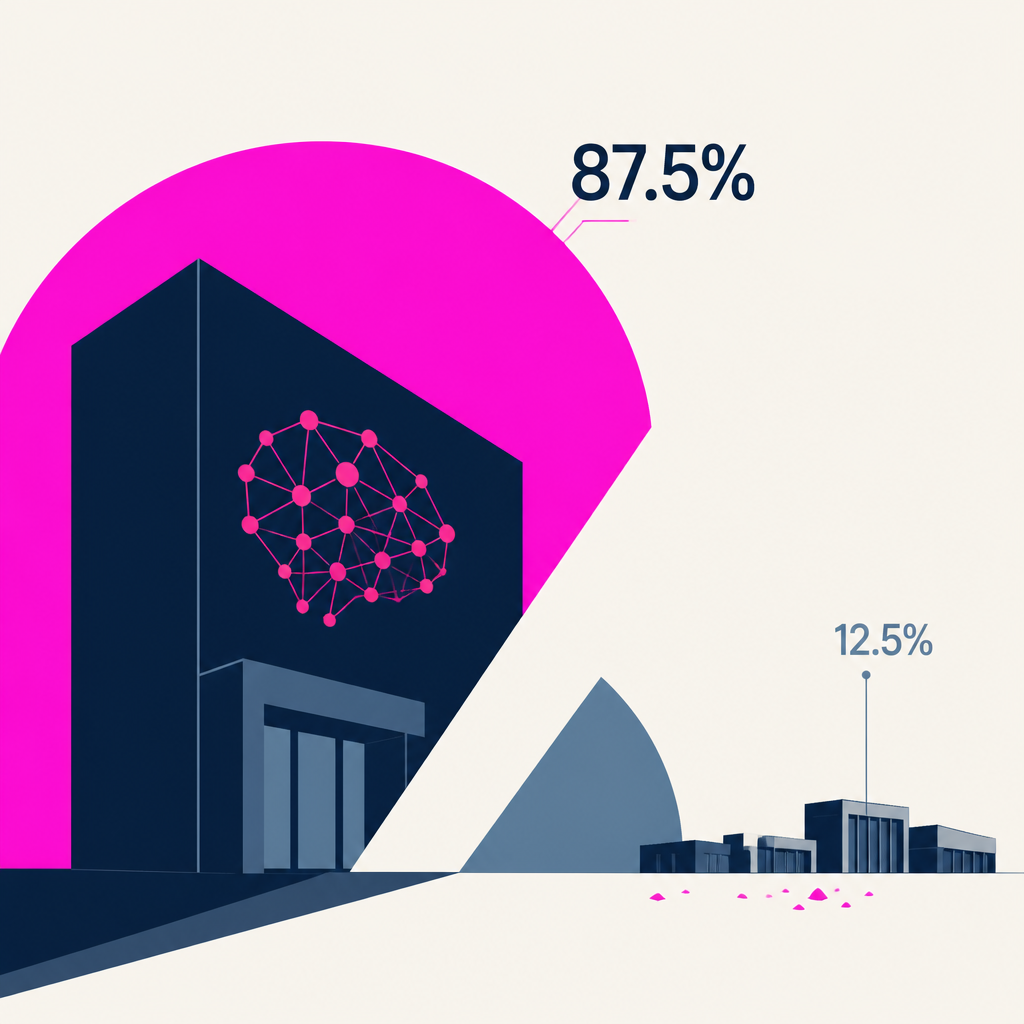
AI megadeals accounted for 87.5% of all U.S. venture dollars in the first half of 2026, with non-AI firms seeing smaller valuation step-ups. Non-AI companies at the median had 1.6x step-ups while AI reached 2.2x, and venture “velocity of value creation” at the Series D+ stage rose from $108.9 million in 2025 to over $1 billion in 2026. Liquidity and secondary pricing tightened for non-AI startups, while AI-focused deals continued to attract faster growth and stronger terms.
Sandbar’s co-founder and CEO Mina Fahmi argued on TechCrunch’s Equity podcast that AI wearables will succeed by centering voice capture and keeping humans in control.
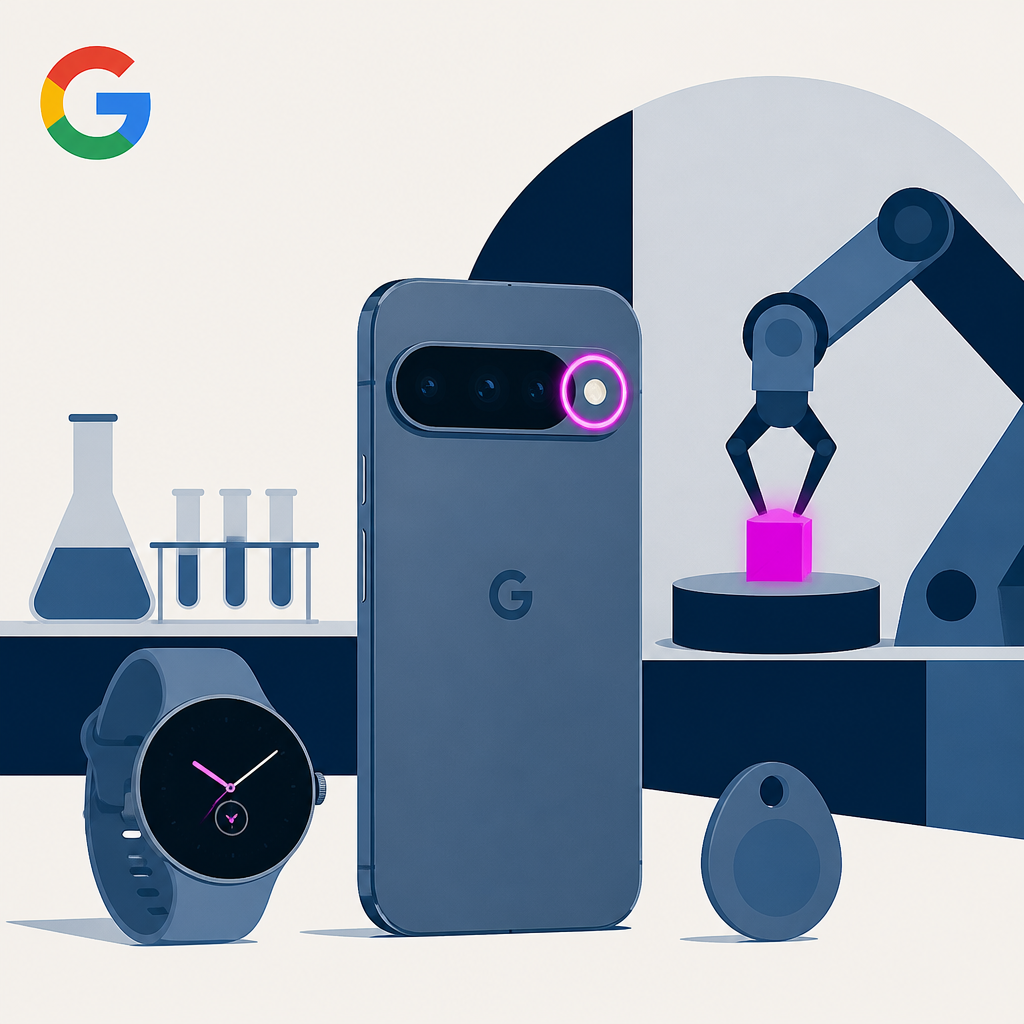
Google revealed its 2026 Pixel hardware lineup, including the Pixel 11 series, Pixel Watch 5, and Pixel Tag, and opened orders for all of them today.
The Pixel 11 Pro adds an RGB LED notification ring inside the back flash assembly (called HiLight), which lights up when the phone is talking to Gemini.
This means only the Pro models get the notification LED while the base Pixel 11 stays unilluminated, alongside updated watch hardware and the new in-house tracker device.
CGTrader found that AI-generated 3D models now make up one in six uploads on its marketplace but generate minimal sales. AI-generated assets account for $1 out of $90 in revenue, and 4% of 3D-printing buyers said AI works well. CGTrader says the mismatch between upload volume and demand is pushing it to prioritize quality and performance signals in discovery and ranking rather than raw quantity.
Ahrefs launched Letaido, an agent-powered marketing workspace meant to automate recurring research, reporting, and monitoring tasks for marketers and agencies. It cuts a firm’s keyword research and bottom-of-funnel content audit work from a 40-hour week to about 60 minutes. The change moves generative AI from single-person, session-based tasks toward scheduled, continuously running multi-workflow agent jobs integrated with tools like Notion, Slack, and HubSpot.
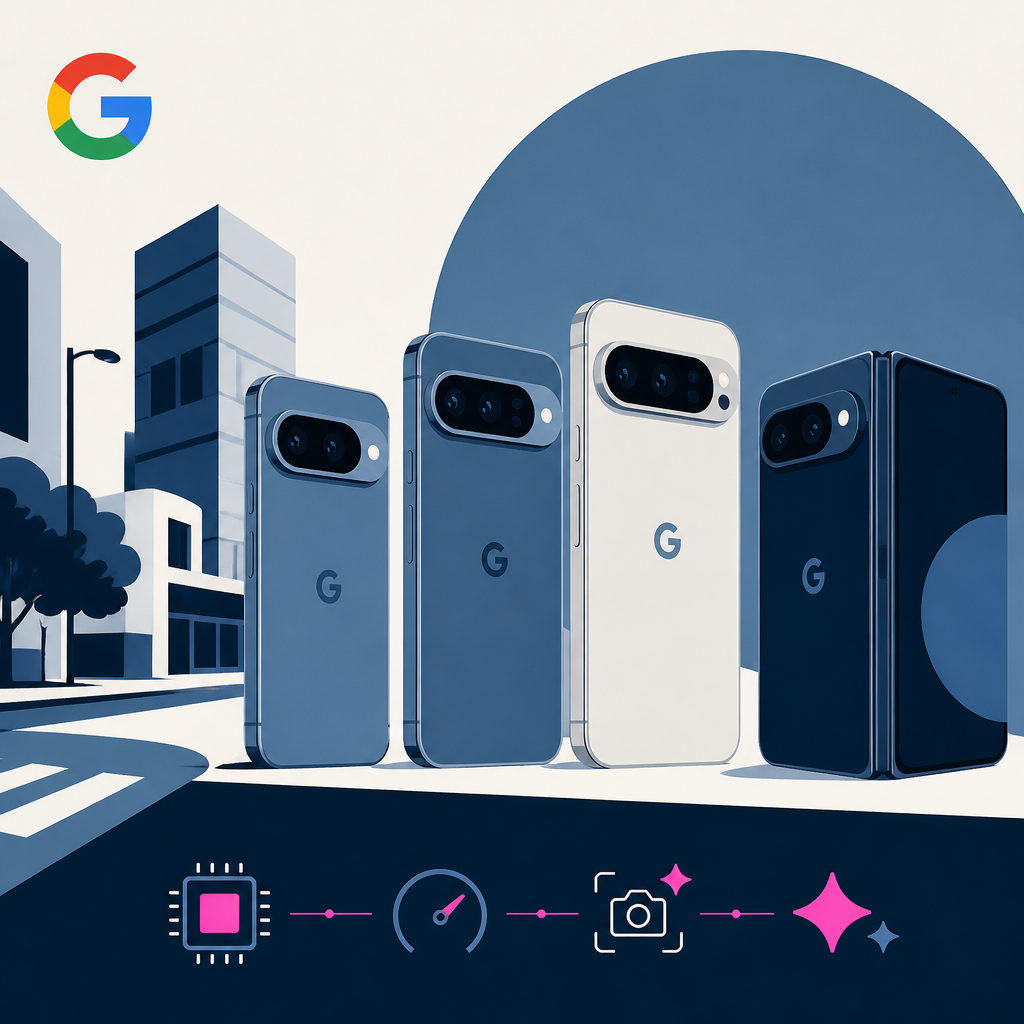
Google added four Pixel 11 phones (Pixel 11, Pixel 11 Pro, Pixel 11 Pro XL, and Pixel 11 Pro Fold) to the Pixel lineup with camera upgrades and new features.
A new Tensor G6 chip is included for faster performance.
The upgrade choice shifts because the devices add improved photography tools like Magic Capture, expanded Live Translate, better Gemini Intelligence, and camera access to Circle to Search, making last-year models less compelling.
D’Addario admitted that AI music made with Suno was used in a recent promotional video. The admission came after an update dated July 29th. The company corrected an Instagram post that had previously denied generative AI use, changing its public stance from denial to acknowledgment of AI involvement.
Pakistan ran a large trial of JudgeGPT, a custom generative-AI tool for judges, and found it increased the number of cases resolved without an obvious drop in judgement quality. Trained judges were associated with a 6.3% rise in resolved cases after JudgeGPT use. The results led to emphasis on retrieval-based source linking and targeted training to improve accuracy and reduce inappropriate reliance on the tool.
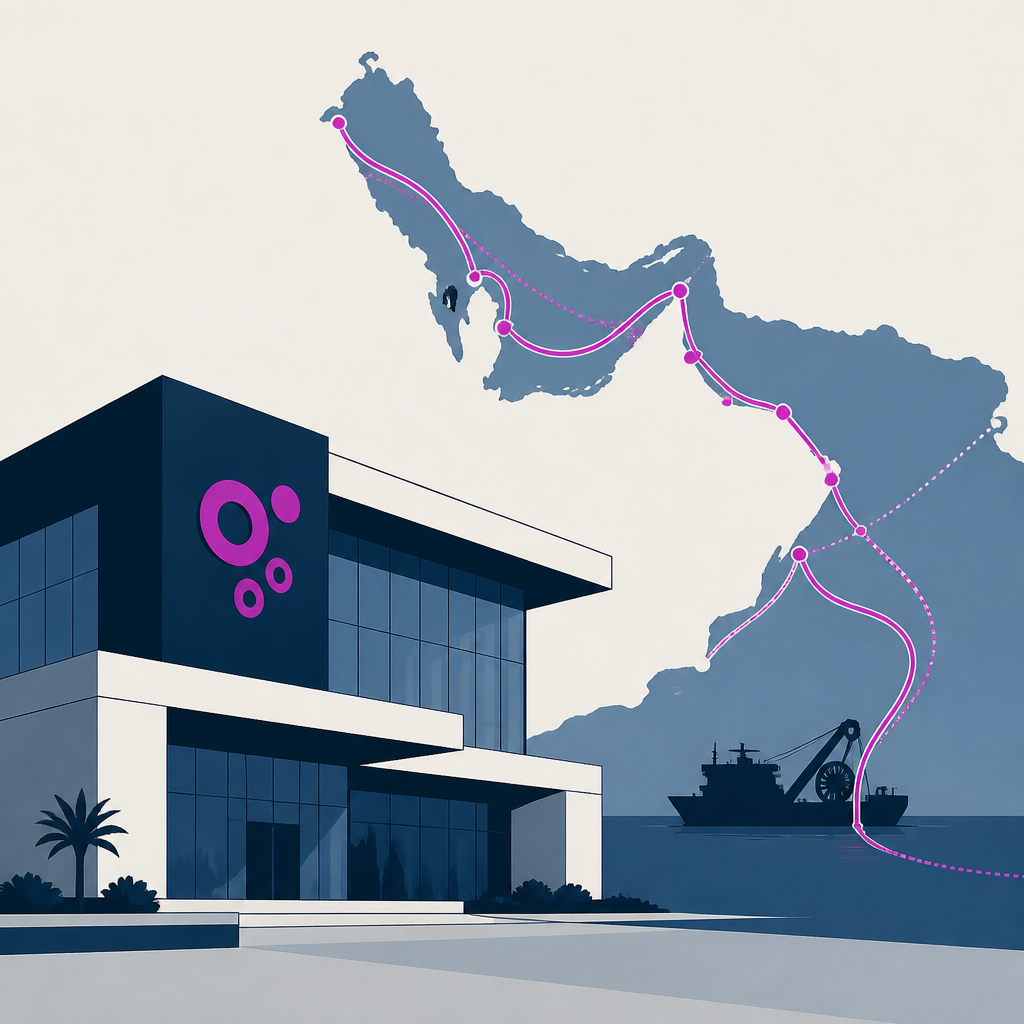
Gulf countries and telecom firms are building new fibre and subsea cable routes to gain more control over data connectivity as AI plans expand. Ooredoo’s Fibre in the Gulf (FIG) system is set for completion in late 2027 as a $500 million project spanning almost 2,000 kilometers. These build-outs aim to reduce reliance on Red Sea/Suez and related chokepoints, while highlighting operational risks like cable-laying limits around the Strait of Hormuz.
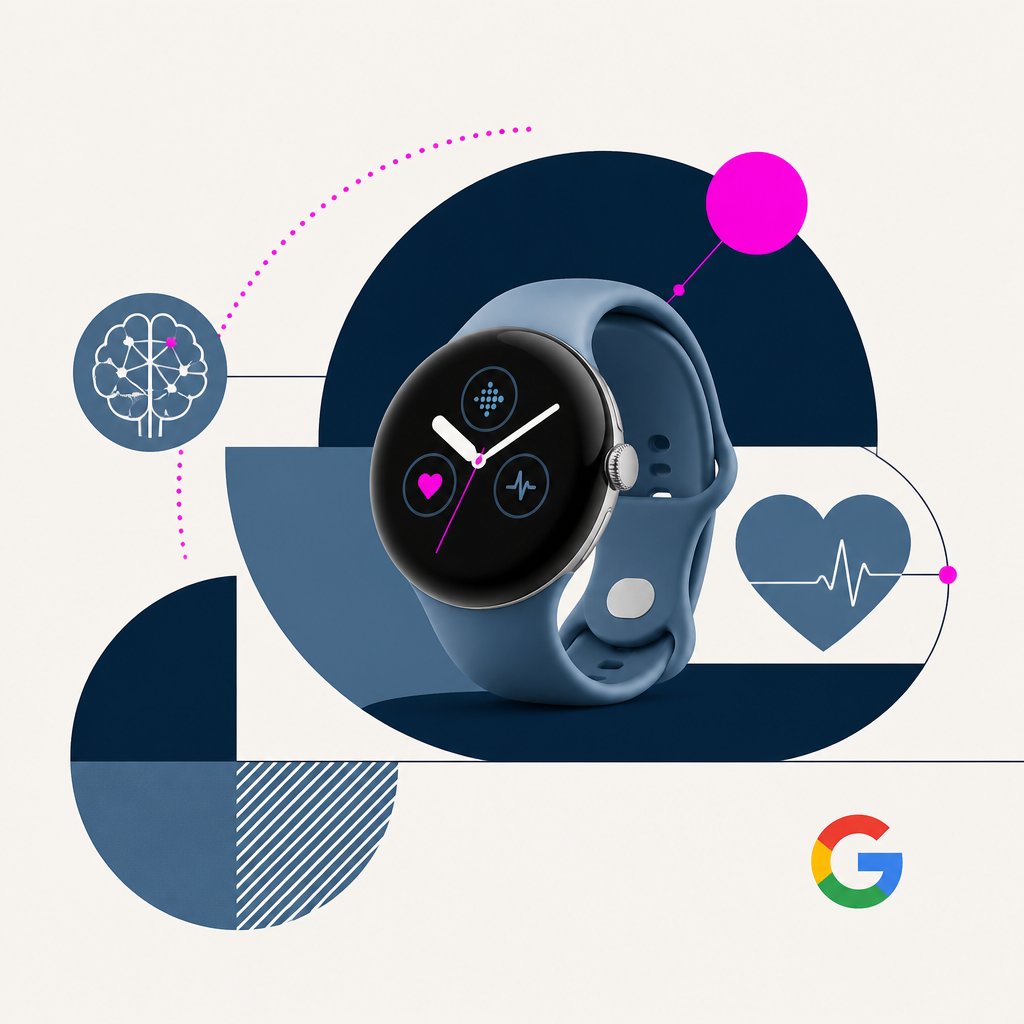
Google released the Pixel Watch 5, largely keeping the same hardware while adding minor upgrades like a faster Qualcomm processor and a small battery increase. The Pixel Watch 5 starts at $399, up $50 from last year. Most changes are in software, with new AI- and health-focused updates building on Google’s Fitbit Air direction.
HSBC Innovation Banking’s 2026 Venture Capital Term Sheet Guide reports that UK venture term sheets are becoming more founder-friendly in AI and deeptech as investors concentrate capital into fewer high-growth deals. Larger deals made up 31% of all term sheets, up from 26% in 2024. Founders can negotiate better by running competitive processes for multiple term sheets and focusing on control rights, liquidation preference, and clauses like drag-along, no-shop, and accelerated vesting.
Accel raised $800m for its ninth Europe and Israel early-stage venture fund, and also raised $2.7bn across three other funds. The new Europe and Israel fund is $800m. This increases Accel’s early-stage capacity in Europe, with AI highlighted as a top focus for the fresh fund’s investments.
Accel raised an enlarged $800M early-stage fund for investments across Europe and Israel as part of a $3.5B total new-fund raise. The European and Israel fund is $800M, larger than its prior $650M fund for the same region. The firm expands its early-stage investing capacity in Europe and Israel while positioning its global footprint to win more deals and support follow-on rounds.
Paul Conyngham launched Gamgee, a startup offering personalized mRNA cancer vaccines for dogs after using AI tools in a prior project involving his own dog. The company positions its work around applying AI and genetics to develop personalized treatments, with the article pointing to “personalised mRNA cancer vaccines for dogs.” As a result, the earlier demo evolves into a formal company aiming to expand beyond pets toward treatments for other species, including humans.
Google’s Gemini and OpenAI’s ChatGPT both reported surpassing 1 billion users, with Google highlighting Gemini app monthly active users and OpenAI referring to broader AI interfaces. Google’s CEO said on August 11 that Gemini passed 1 billion monthly active users, including voice usage where 63 percent of users speak to the assistant. The companies’ different counting methods complicate comparisons, and Google’s Gemini reporting points to continued platform expansion through additional dialect support and more tools.
STRGY AI raised €1M in angel funding to scale StrategyOS, its AI-powered strategy execution platform. The funding round totals €1 million. The company plans to expand its commercial team, deepen enterprise customer relationships, and continue product development with more product launches later this year.
TechBBQ returns to the Bella Center in Copenhagen on August 26–27, 2026 with a theme focused on who retains human decision-making in agentic AI systems.
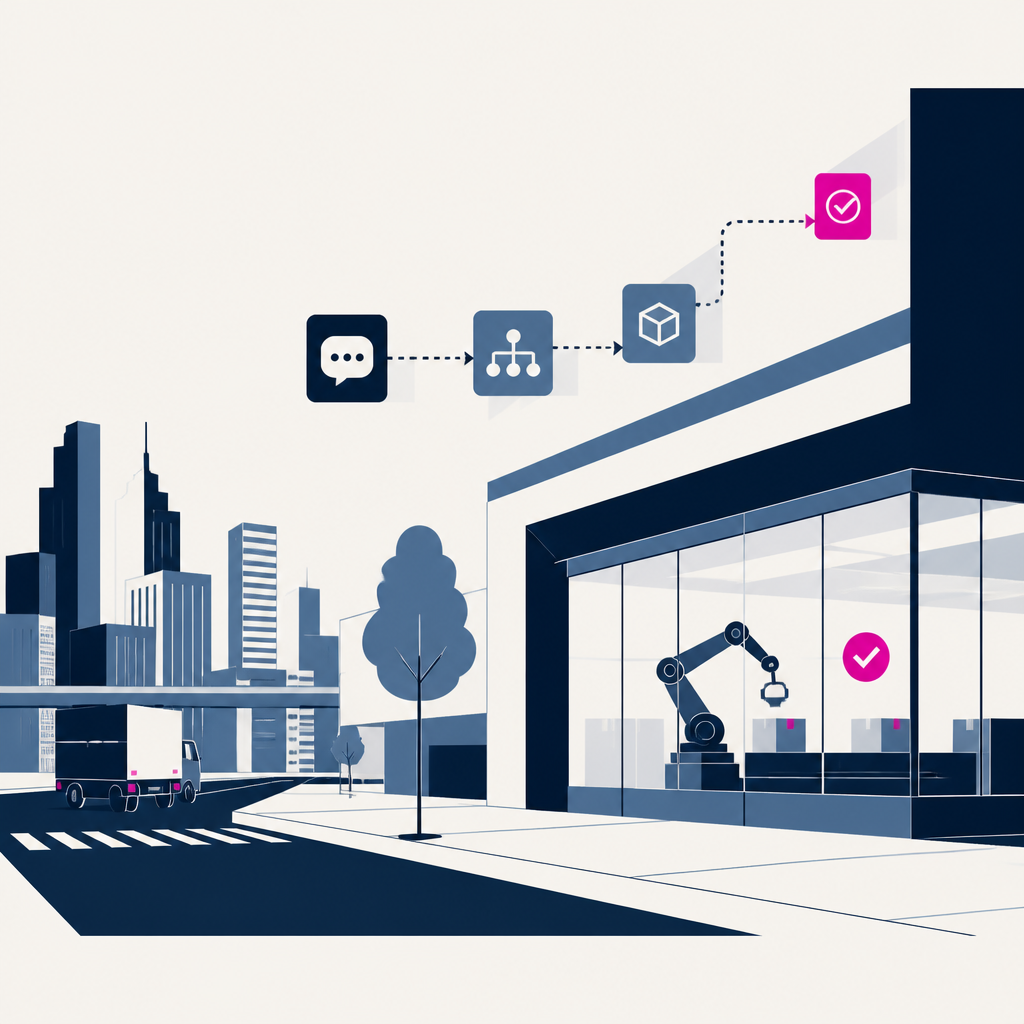
OpenAI research describes how enterprises are moving from AI assistance to AI execution by adopting agentic AI. The report cites ChatGPT and Codex as tools used in these deployments. As a result, firms’ workflows shift toward systems that carry out multi-step tasks rather than only answering questions.
Every AI story that matters,
in your inbox by 8am.
TLDRocket reads all relevant sources, removes duplicate coverage, and summarises the
day in two minutes. Follow companies and topics for alerts, or get the
briefing in Slack. Free, no spam, unsubscribe anytime.
Reading TLDRocket needs no cookies, and the readership counts we rely on come from
our own cookieless analytics. Google Analytics is the exception: it sets cookies and
reports to Google, so it stays switched off until you allow it. You can change your
mind any time from “Cookie settings” in the footer.
Strictly necessary
Session security and form protection (tldrocket-session,
XSRF-TOKEN, 2 hours). The site cannot work without them,
so they need no consent.
Always on
Google Analytics 4 (_ga,
_ga_<id>, up to 2 years). Measures which
stories and sections readers use. Google acts as a third-party processor and may
store the data outside the EU. No advertising, no profiling, no data sold.