Why Japanese firms are being so slow to use AI
BBC News
Japan’s firms are still using AI far less than US and UK companies. That’s a problem in a country short on workers and long on caution.
Based on reporting by BBC News — read the original for the full story.
Summary, retelling and take written by AI under human oversight; images are AI-generated illustrations. How we work · Report an error
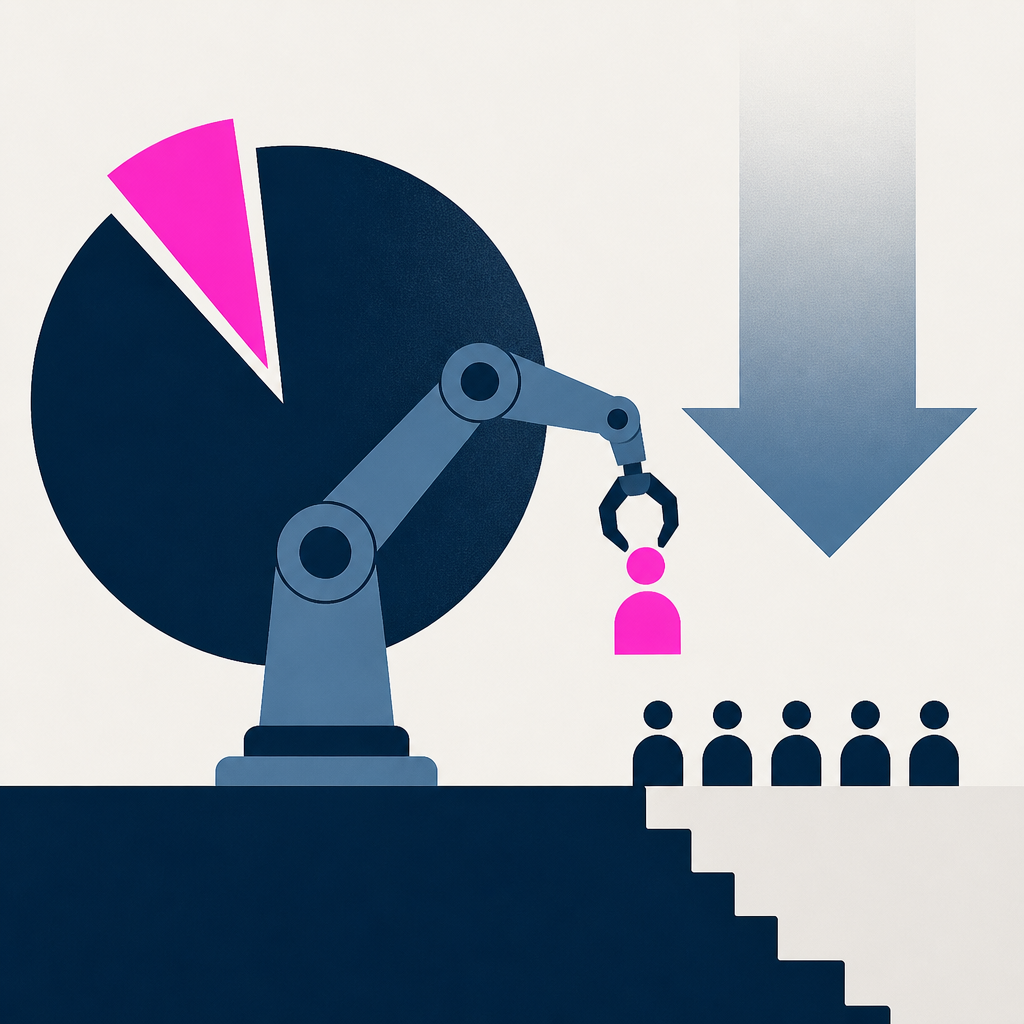
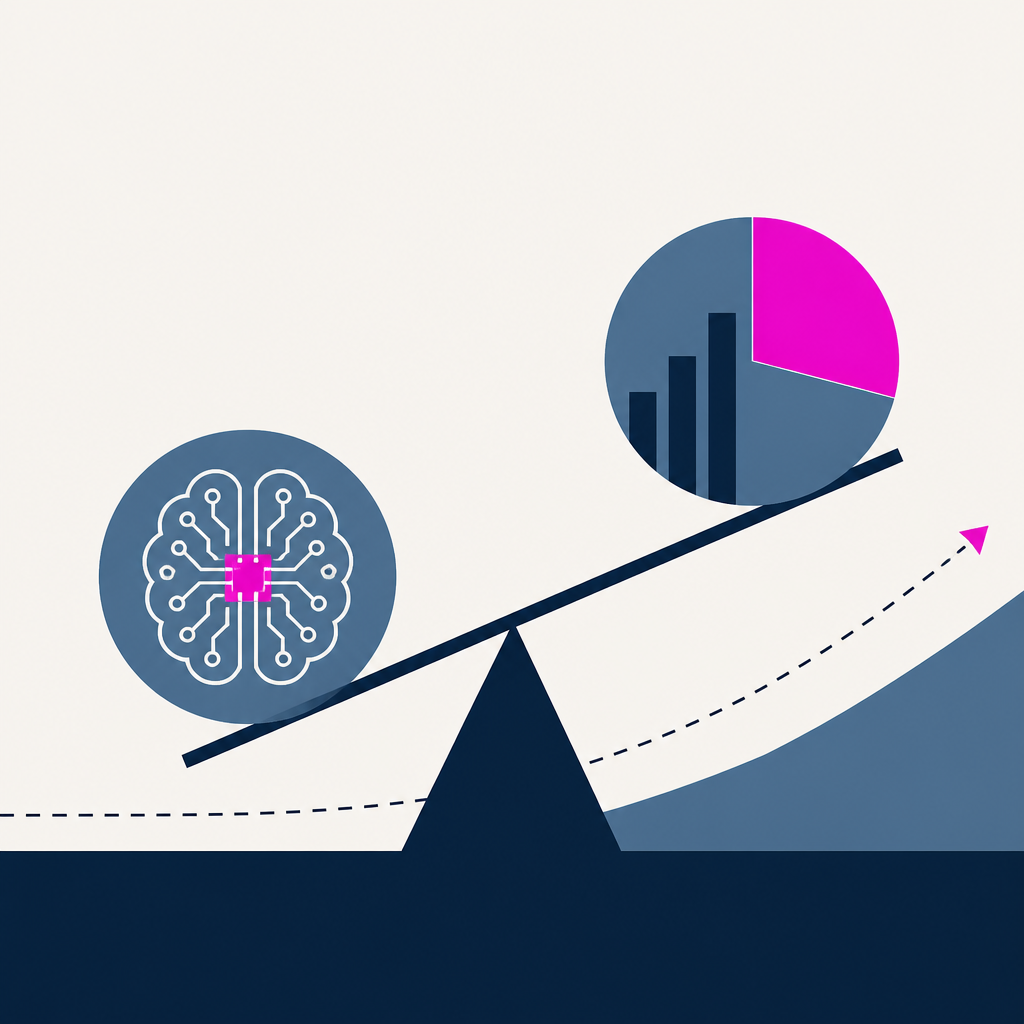
Japan has plenty of reasons to lean hard into AI: workers are scarce, the population is ageing, and productivity has been stuck. But the country’s companies are moving slowly anyway. The contrast with the US and UK is stark, and the gap is now showing up in the numbers.
An OECD report at the end of last year said just 8.4% of Japanese workers use AI at work. The US figure is 50%, the UK’s is 32%, and Singapore is said to have 56% of workers using AI multiple times a week. So while other countries are folding AI into daily routines, Japan still looks like it is standing at the door.
One explanation is cultural, and a bit bleak. Austin Xu, who co-founded the US start-up Kuse AI, says Japanese firms are conservative and risk adverse. In his view, process and consensus can slow everything down, and some companies would rather keep a role open than let a machine take it on. He says US businesses are more willing to let AI try, then fix the mistakes later.
Parrisa Haghirian, a professor at Kyoto University of Advanced Science, makes a similar point. She says Japanese firms are highly sensitive to error, uncertainty and reputational risk, so generative AI is mostly being kept to low-risk tasks like writing, summarising and gathering information. The problem is that this leaves AI on the edge of the business, not in the machinery of it.
There are also harder structural issues. Yasushi Ogasawara, who studies Japan’s social system and technology at Meiji University, says digital literacy is low and there is a shortage of tech-savvy workers. One report earlier this year said Japan could be short almost 800,000 IT professionals by 2030, and around 60% of companies are said to still be using computer systems more than 20 years old. Even when firms talk about AI, retraining, and digital skills, Ogasawara says the priority remains keeping full employment.
Some companies are starting to change. A few now want AI literacy in new graduate hires, and larger firms such as Kanematsu are bringing in graduates who already use AI heavily for emails, summaries and meeting notes. But even there, autonomous multi-step AI work is still rare. The broader mood is clear enough: Japan likes reform best when it arrives without disruption, which is another way of saying the country may be waiting for productivity gains to show up on their own.
My take — AI-written commentary, not fact-checked reporting
Japan is doing the classic corporate thing here: admiring the future from a safe distance while its competitors have already moved in. The real tell is not the caution itself, but how much it still rewards keeping systems old and mistakes invisible. That makes for excellent consensus and terrible productivity.
Read more about this at: BBC News