VoiceCap launched as a multilingual AI meeting notetaker that transcribes meetings and produces summaries, action items, and decisions in the same language. It provides 300 free minutes with no card. The workflow shifts to recording via native apps or bots for Zoom/Meet/Teams (or uploading files) to turn meetings into searchable records, with recordings stored in Frankfurt and not used to train models.
Meta is preparing a new smart glasses model without integrated cameras after complaints about its existing camera-equipped glasses. The Information reports the Luna model includes six built-in microphones and a side button to activate Meta’s AI chatbot and Muse. Meta’s release is set to shift its product to a lower-privacy-concern version while continuing Reality Labs’ push in the smart glasses market.
theCUBE will host the “Rethinking Private Cloud for the Age of Intelligence” virtual event with Dell leaders and industry practitioners on private cloud becoming purpose-built infrastructure for enterprise AI workflows. The event runs on Sept. 23. The agenda will cover how modular data foundations and intelligent operations deploy, manage, and scale private-cloud ecosystems while aiming to avoid added complexity or new silos.
The Verge author wore Snap’s Specs augmented reality glasses and used pinch gestures to place virtual dominoes on a real table while sharing the experience with a Snap employee. The glasses cost $2,200. The hands-on report emphasizes more multiplayer, shared AR play than what the author experienced in other VR headsets or smart glasses.
Snap is launching Specs Intelligence, an AI assistant that can connect other digital accounts to help with tasks and tracking travel information.
It’s available on iOS today as part of its launch.
This expands the service beyond Snap’s Specs AR glasses and adds a new account-connected assistant that can also be used via chat.
Northwest Bancshares made AI spending decisions hinge on governance and oversight by importing lessons from KeyBank’s finance transformation led by CFO Doug Schosser. The company carries over software partner Workiva Inc., including the Amplify governance approach discussed at an event in July. It shifts its process toward curated data, AI proposal reviews using tests for customer impact, internal efficiency, and risk reduction, and it avoids adding tools on top of weak processes.
Google rolled out early access to a Model Context Protocol (MCP) server for Google Home so AI agents that support MCP can control Google Home smart devices and access event history. The MCP server rollout is starting today and will reach subscribers paying for Google Home Premium Advanced in the U.S., a $20-per-month tier. Users now must create a Google Cloud project, configure Home MCP, and then sign in and grant permissions to an MCP-capable agent to set up device control and features like camera summary review and activity monitoring.
Odysseus: The Fall, an AI-made retelling of The Odyssey by Fountain 0, is described as so poor that it could turn some viewers against the original story. The film runs for 2.5 hours and is criticized as being 2.5 hours too long. As a result, interest that Christopher Nolan’s Odyssey adaptation reportedly sparked in classic literature may be undermined.
Workiva says AI governance and existing reporting controls are necessary as financial teams increase AI-assisted automation. 84% of executives said they were at least somewhat willing to trust AI to generate an annual report without human review. The implication is that organizations must keep traceable, reviewed workflows and improve data quality before relying on AI output for board or external reporting.
Federal Reserve chair Kevin Warsh is set to decide whether the U.S. economy is overheating after markets priced a Fed rate hike for Wednesday. The 10-year Treasury yield has pushed above 5%, around its highest level since 2007. The decision will determine whether the move is treated as a one-time adjustment or the start of a new tightening cycle, especially given competing views that inflation stems either from supply shocks (including oil and tariffs) or from excess demand tied to deficits and AI investment.
OpenAI and AARP are running free, hands-on ChatGPT workshops for older adults to build practical AI skills safely. The program will reach 1,000 older adults across 10 U.S. cities. The workshops give participants direct training and safer usage guidance in everyday tasks.
Apple may return to the server market, potentially partnering with Nvidia to build an enterprise product. The Information reports the server launch would not happen until 2029. As a result, Apple’s AI developer demand for its ARM-based M processors could be matched with new server hardware.
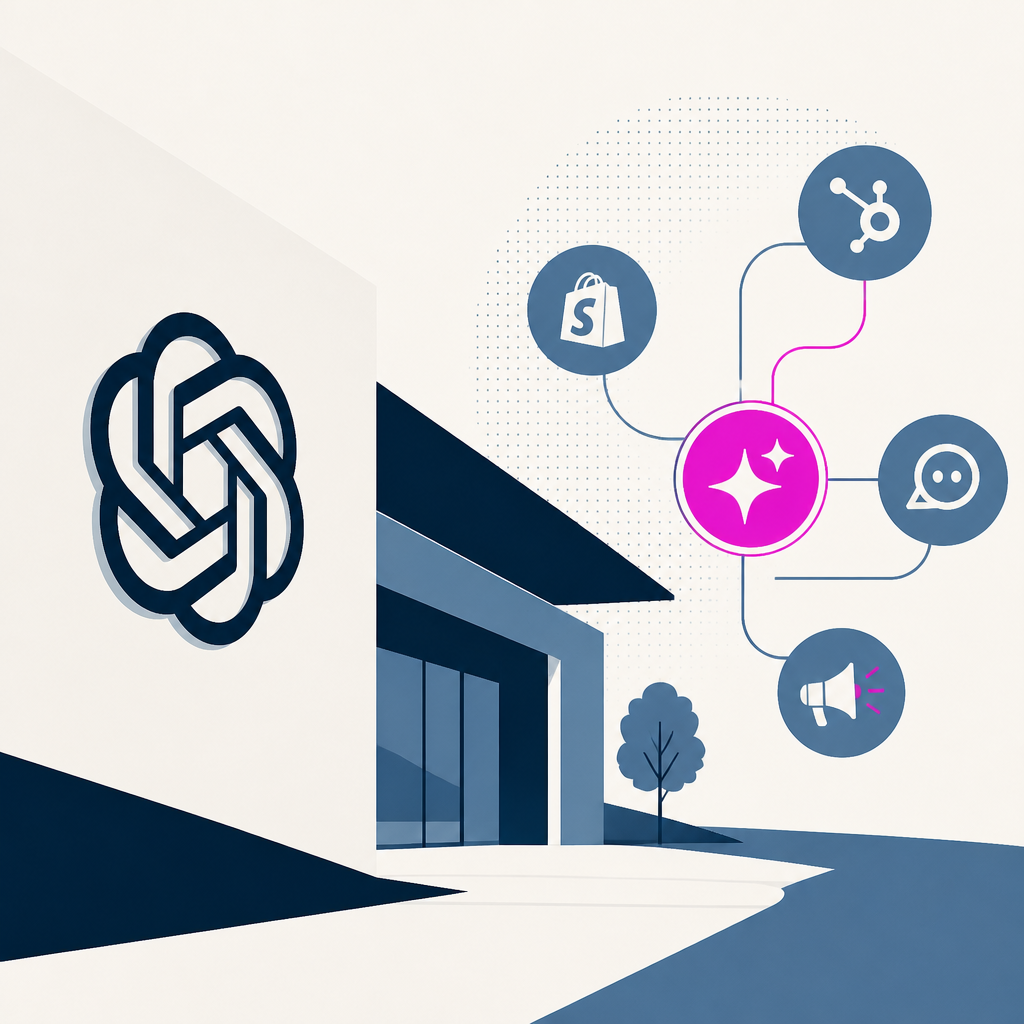
OpenAI is introducing AI-powered advertising experiences, including Sponsored Agents, marketer tools, and integrations with HubSpot and Shopify. The article does not provide any specific date, benchmark, or pricing detail. These additions let advertisers use AI agents and new tooling to build and run campaigns with existing marketing and commerce platforms.
Consumer AI adoption barely increased in 2026 even though spending surged. Global consumer AI spending reached an estimated $40 billion in 2026, up from $12 billion a year earlier. Growth shifted toward existing users paying more and using AI daily, especially agent users, while trust and AI-generated-content concerns shaped what consumers will engage with.
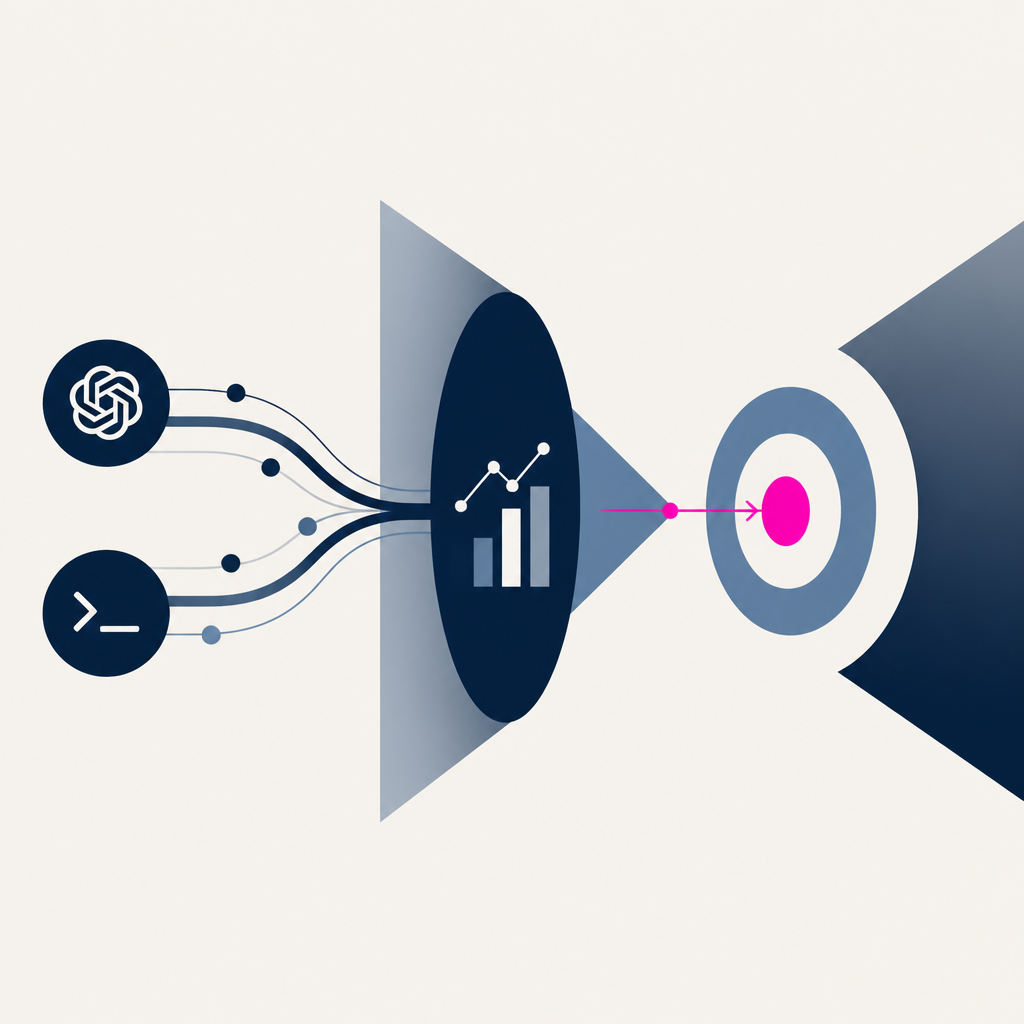
The article explains how teams can link ChatGPT and Codex analytics to business value by tracking AI usage and spending, and then mapping adoption to business outcomes. It focuses on monitoring AI usage and spend but provides no specific numeric benchmark or date. As a result, teams can identify training needs and improve how they measure the impact of AI on their work.
Thatch raised $108 million at a $1 billion valuation after tripling its worth in 17 months through its ICHRA-based health plan marketplace. The round valued Thatch at $1 billion. The funding is positioned to expand its employer fixed-budget model as more firms use the renamed “CHOICE Arrangement,” with employees choosing coverage via Thatch’s recommendations.
bunq’s survey found UK founders are among the least likely in Western Europe to use AI in their companies, with more time spent on ongoing administration than regulation during business operations. Only 51% of UK business owners reported using AI in the past year, compared with 79% in Germany. As a result, the UK gap is tied to lower trust and knowledge about how AI works, while proposed changes focus on business rates, easier finance access, and simpler tax filing rather than AI pricing.
Beyondtheschoolrun and The Open University announced Where Motherhood Becomes Mumentum, a hybrid UK flagship event focused on motherhood, the future of work, and skills. It will take place on Tuesday 13 October 2026 at One Churchill Place, Canary Wharf. The program brings The Open University’s Mumentum employer and parent toolkits and its motherhood-penalty research into an event format with sessions for mothers and employers.
Amazon launched Alexa+ in India with Hindi support and added longer multi-step conversations with context. The service is offered in Early Access in Hindi and English, and after that it will cost non-Prime customers ₹2,000 per month. Amazon will roll it out free for Prime customers and expand it with integrations for Indian services like Swiggy, Zomato, and smart home control.
Hackers removed a Flock camera, copied its stored data, and recovered an encryption key that unlocked videos of thousands of vehicle detections. The recovered logs showed about 1.6 million images across roughly 21 days of activity from the camera. The findings expand scrutiny of Flock’s on-device software by showing it explicitly detects people and that local records were part of a searchable national network, prompting some towns to stop using the cameras.
ETFBOOK raised $13 million to expand its ETF data and analytics platform into the Americas and Asia-Pacific. The funding round was led by Expedition Growth Capital, with participation from BlackFin Capital Partners. It will broaden ETF market coverage and datasets, expand web analytics, add a US entity and New York office, and enhance its AI tools for data ingestion and processing.
OpenAI Economic Research examines how workers are using AI for tasks outside traditional roles. It focuses on which new activities become recurring parts of their work. As a result, it broadens what counts as AI-enabled work and reframes AI adoption around everyday task patterns rather than job titles.
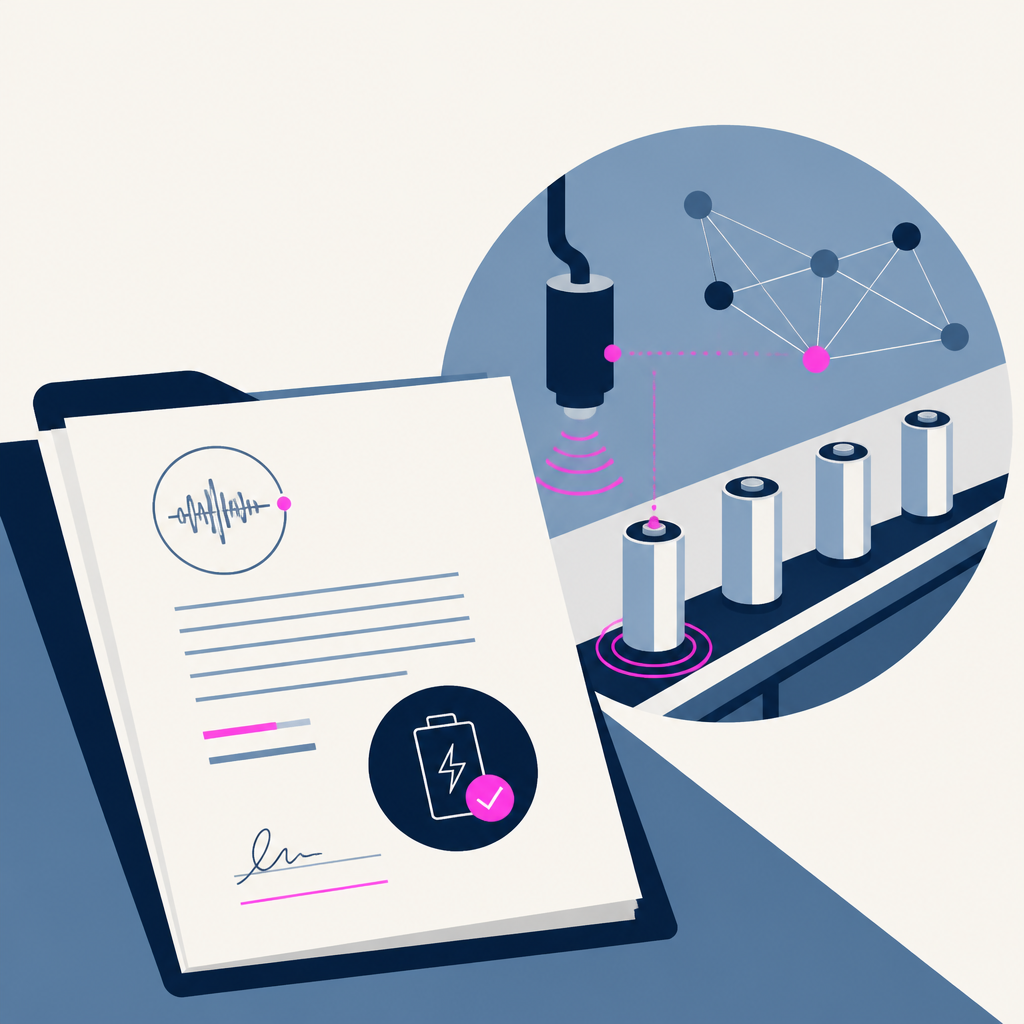
AcouBatt raised £1.1 million in pre-seed funding to develop battery diagnostics that use acoustic emission sensing and AI for real-time monitoring during lithium-ion cell manufacturing. The funding round will help it expand its technical team, further develop its AI models, and progress industrial pilots, with sensors currently deployed at the UK Battery Industrialisation Centre. The company plans to roll out commercial-scale diagnostic products to the wider industry next year, aiming to cut formation time by up to 30% and detect faults earlier to reduce waste and rejection rates.
Veridion raised $20 million in Series A funding to expand its AI-powered business intelligence platform that continuously updates information on businesses worldwide. The platform is built around a live business graph covering about 640 million businesses and is updated by analyzing billions of digital signals from sources like company sites and filings. Veridion says this shifts market intelligence from data updated quarterly or annually to continuously updated operational views for organizations like banks and insurers.
Opio, an AI for financial due diligence startup, raised €4 million to build technology that helps auditors review target-company accounts during acquisitions. The funding comes from Frst, Seedcamp, and GFC, and Opio says it cuts the time transaction services professionals spend on data collection, checking, and adjusting by 27%. As a result, it is expanding adoption with Transaction Services teams in 15 countries and plans another product for early 2027.
Brighteye Ventures announced a $72 million first close for Fund III, bringing its assets under management to $245 million. The fund’s European Learning & Work report measured European VC funding in the sector rising from €710 million in 2024 to €1.6 billion in 2025. Brighteye will use Fund III to make up to 35 early investments across AI, learning, productivity, and labour infrastructure.
Quartz launched a UK personal finance platform, raising £2.75 million in pre-seed funding to build a consolidated finance app with guidance, including an AI assistant called Charlie. The company says it has been testing since the first quarter of 2026 and is tracking more than £10 million in members’ assets. Quartz is starting to onboard waitlist users in batches by invitation via its app on the App Store and Google Play.
Complir raised seed funding to expand its AI-powered product compliance platform for retailers and brands. The round totals $11 million, following a $2 million pre-seed in December 2025. It will automate more compliance document generation and ongoing SKU-level rule checking, reducing manual work and speeding product launches.
Meta is preparing to unveil camera-free smart glasses to address backlash over its existing recorder-equipped flagship glasses. The Information reports the camera-free Luna glasses could be revealed at Meta Connect next week. Removing the camera reportedly lets the frames get smaller and adds six microphones to support Meta AI and the Muse AI agent via voice.
Newell Brands put internal audit at the center of its AI adoption approach so auditors can influence controls and accountability as automation expands. The company speeds deployment for different process types, with customer order-status agents prioritized over fixed-asset-accounting agents that need closer financial controls. As a result, audits become a formal participant in major AI implementations and deployments proceed with more process discipline and change management before adding AI.
Every AI story that matters,
in your inbox by 8am.
TLDRocket reads all relevant sources, removes duplicate coverage, and summarises the
day in two minutes. Follow companies and topics for alerts, or get the
briefing in Slack. Free, no spam, unsubscribe anytime.
Reading TLDRocket needs no cookies, and the readership counts we rely on come from
our own cookieless analytics. Google Analytics is the exception: it sets cookies and
reports to Google, so it stays switched off until you allow it. You can change your
mind any time from “Cookie settings” in the footer.
Strictly necessary
Session security and form protection (tldrocket-session,
XSRF-TOKEN, 2 hours). The site cannot work without them,
so they need no consent.
Always on
Google Analytics 4 (_ga,
_ga_<id>, up to 2 years). Measures which
stories and sections readers use. Google acts as a third-party processor and may
store the data outside the EU. No advertising, no profiling, no data sold.