A KPMG survey of over 900 summer interns found that 93% of Gen Z workers aspire to reach the C-suite, with career growth ranked as their top priority ahead of work-life balance and salary. The survey revealed that 76% believe long-term success requires both strong human skills and the ability to direct AI agents, while 40% worry that overreliance on AI could weaken critical thinking. Gen Z appears focused on developing irreplaceable human skills like critical thinking and communication rather than depending heavily on AI, recognizing these as competitive advantages in an AI-driven workplace.
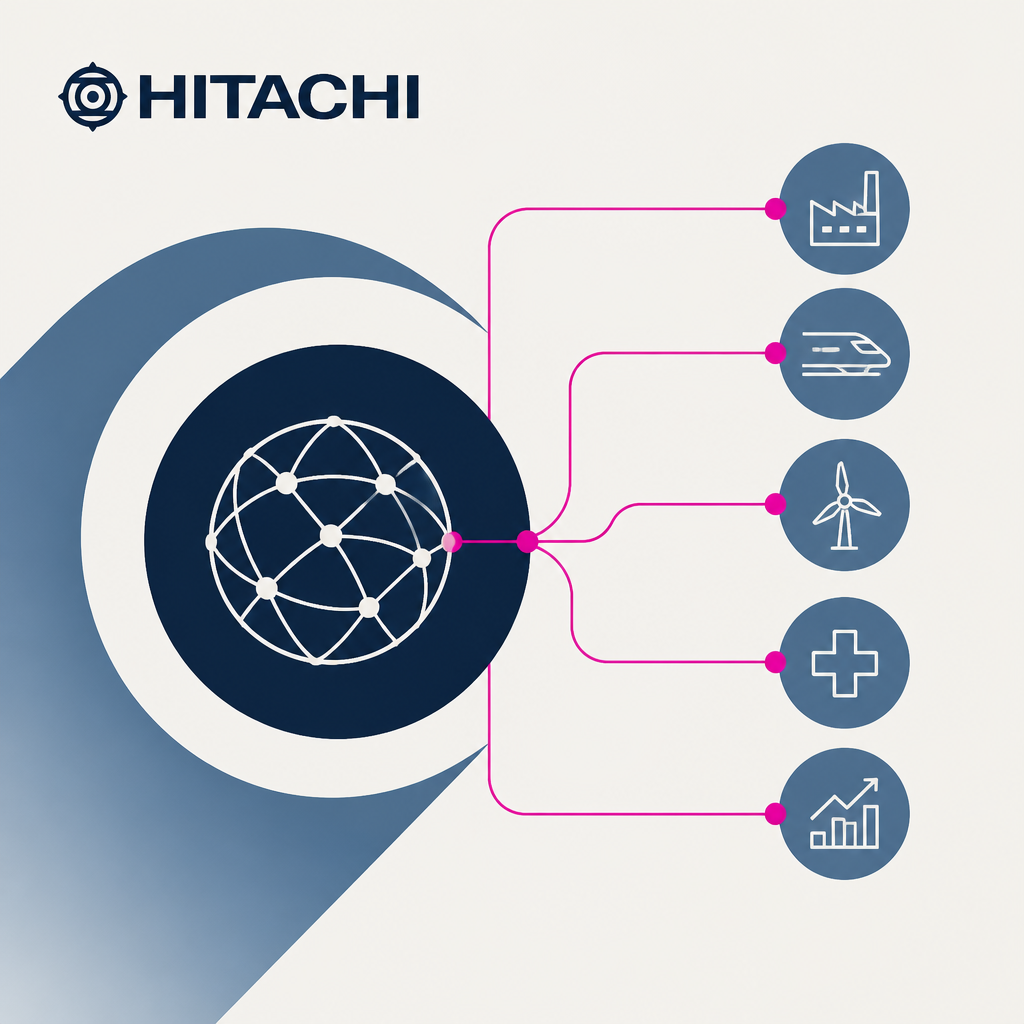
Hitachi, a 290,000-person conglomerate, has adopted a decentralized AI strategy with job-specific tools rather than deploying a single enterprise-wide platform, reflecting broader caution about AI costs and pilot failures. The company uses everyday tools like Microsoft Copilot and Google Gemini, deploys role-specific AI assistants, and works with Anthropic on coding tools, while implementing token consumption controls across divisions. Hitachi is also leveraging Appian to integrate data across 150+ legacy CRM systems, achieving a 40% efficiency gain for sales and marketing, positioning the company for future autonomous AI agents once security protocols are established.
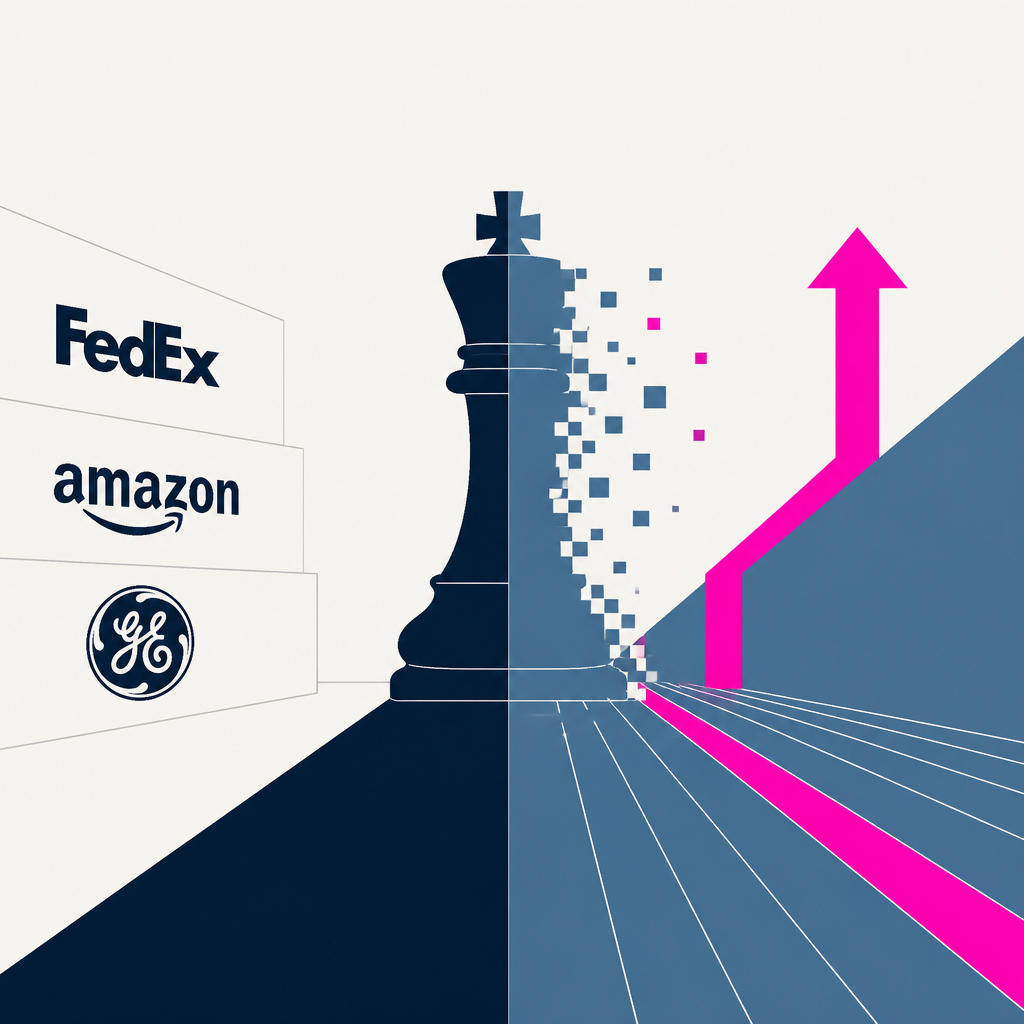
Fortune editorial argues that major companies must rapidly embrace artificial intelligence and organizational change to avoid extinction, citing FedEx CEO Raj Subramaniam's restructuring efforts, Amazon's $200 billion AI investment, and GE's transformative breakup under CEO Larry Culp as examples of leaders adapting to the AI era. The magazine highlights that Amazon committed $200 billion largely to AI and cloud computing capacity in 2025 alone. Companies that fail to reinvent risk irrelevance and decline, making change management and AI adoption critical survival strategies for Fortune 500 firms.
LendingTree deployed a multi-agent AI mortgage assistant on Amazon Bedrock to help borrowers understand loan options and find matching offers through natural conversation. The system handled approximately 1,960 conversations and 12,100 messages from late 2025 through Q1 2026, with engaged users averaging 10+ messages over 9 minutes, and achieved 97% containment without human escalation. The architecture enables independent scaling of three agents (Supervisor, Education worker, Matching worker) while maintaining conversation context and regulatory compliance through built-in guardrails and PII protection.
Shopify reported that AI-driven search is complementing traditional search rather than replacing it, with AI-referred traffic and orders to Shopify stores tripling year-over-year in Q2. The company's revenue rose 36% to $3.6 billion, beating analyst expectations of $3.4 billion, with AI search helping smaller merchants by matching products to specific buyer intent across multiple dimensions rather than just keywords. This differs from AI's impact on online publishing, where AI summaries have reduced click-through rates; for Shopify, better product matching and faster conversions mean AI boosts overall merchant sales and platform performance.
Wordsmith AI, a legal AI startup that serves corporate legal departments, raised an additional $14 million just 10 weeks after completing its $70 million Series B, bringing total funding to $114 million. The company has grown revenue 14-fold year-over-year and now serves over 500 enterprises including BT, Financial Times, and Canva, with some customers reporting seven-figure reductions in outside counsel spending. The rapid follow-on funding suggests strong investor demand and positions Wordsmith to expand in North America and financial services, though it faces competition from better-funded rivals like Harvey (valued at $11 billion) and Legora ($5.6 billion).
DoorDash released a command-line interface (CLI) in July 2026 that allows AI agents to autonomously place food orders without human confirmation, departing from the company's existing in-app AI assistants that require user validation. The CLI is gated behind a macOS-only beta with a waitlist and Google Form intake, restricting access to a few thousand developers rather than broad consumers. This move signals DoorDash's shift toward building agent-native infrastructure rather than consumer-facing features, effectively positioning itself as a platform for autonomous commerce rather than relying on the home-screen habit that currently drives its ad business.
A technology columnist argues that unlike previous innovations, AI could benefit workers alongside companies by automating tasks rather than just accelerating workflow. McKinsey projects AI will return about 2.5 hours daily to knowledge workers by 2030, but the outcome depends on whether companies increase output expectations or let workers reclaim time for creativity and collaboration. The author cites desktop publishing as precedent: instead of eliminating design work, it raised quality standards and doubled the number of designers between 1983 and 2001.
European tech funding reached $35.4 billion in H1 2026, up 46% year-over-year, but the number of funded companies fell 18% to 1,555 deals as capital concentrated in larger rounds. Three mega-deals—Isomorphic Labs' $2.1 billion Series B, Nscale's $2 billion Series C, and Stegra's $1.6 billion Series A—accounted for $5.7 billion or 16% of all European funding raised. Fewer companies now access capital while winners receive bigger checks, with London capturing 38% of funding and exits becoming scarcer as acquisitions and IPOs both declined sharply.
HappyRobot, an enterprise AI agent platform, raised $150 million in Series C funding at a $1.2 billion valuation led by Prysm Capital and Eurazeo. The company deploys AI agents into existing business systems with customers reporting metrics like 28,000 hours of monthly automation and 10x capacity increases in operational teams. HappyRobot now serves over 150 enterprise clients including DHL and Uber, and is expanding from logistics into insurance, energy, telecommunications, and banking sectors.
Moss, a European fintech platform using AI, raised €30m in Series C funding and achieved a €1bn valuation, becoming Europe's newest unicorn. The company previously raised €14m in Series B in 2021. Moss joins a growing cohort of European AI-backed finance startups attracting significant venture capital investment.
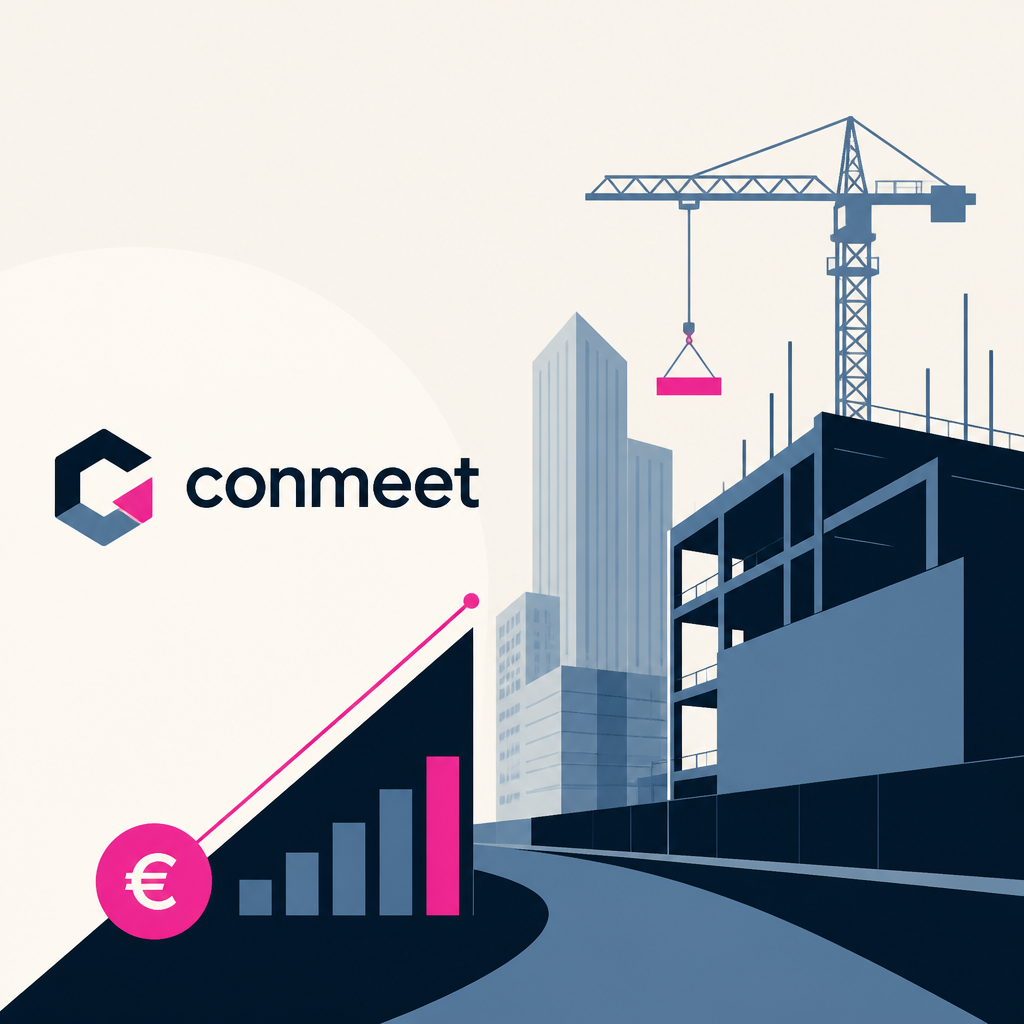
Construction software startup conmeet raised €6 million in seed funding to expand its AI-powered operating system that consolidates project management, procurement, scheduling, and finance for mid-sized trades and construction firms. The round was co-led by Reimann Investors Venture Capital and Smedvig Ventures, bringing the company to over €7 million total raised since its 2023 founding. The capital will fund expansion across the DACH region, enhancement of AI automation features, and team growth to replace fragmented legacy software workflows.
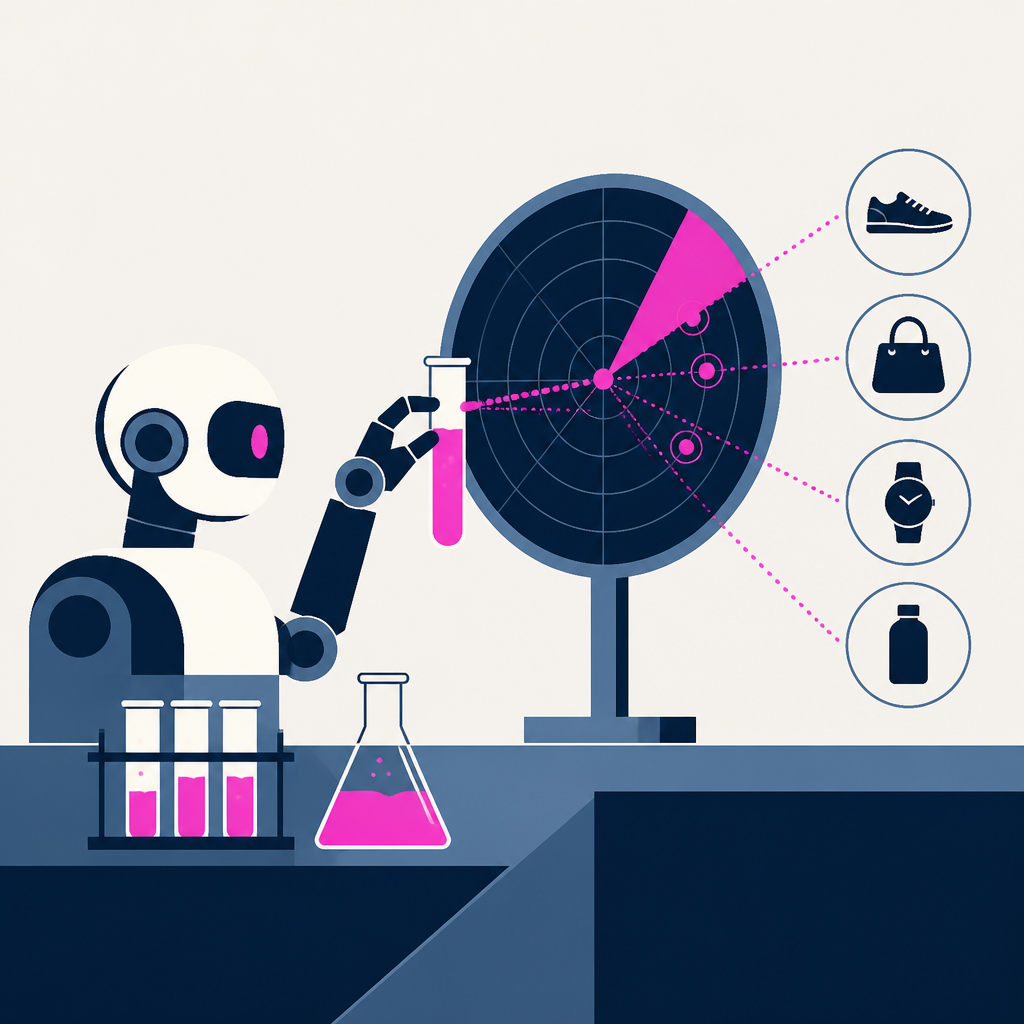
UCP (Universal Commerce Platform) Radar is a tool that makes product feeds visible to AI shopping agents. The platform enables merchants to optimize their product data for AI-driven shopping assistants. This allows businesses to reach customers through emerging AI shopping channels rather than relying solely on traditional search engines.
Every AI story that matters,
in your inbox by 8am.
TLDRocket reads all relevant sources, removes duplicate coverage, and summarises the
day in two minutes. Follow companies and topics for alerts, or get the
briefing in Slack. Free, no spam, unsubscribe anytime.
Reading TLDRocket needs no cookies, and the readership counts we rely on come from
our own cookieless analytics. Google Analytics is the exception: it sets cookies and
reports to Google, so it stays switched off until you allow it. You can change your
mind any time from “Cookie settings” in the footer.
Strictly necessary
Session security and form protection (tldrocket-session,
XSRF-TOKEN, 2 hours). The site cannot work without them,
so they need no consent.
Always on
Google Analytics 4 (_ga,
_ga_<id>, up to 2 years). Measures which
stories and sections readers use. Google acts as a third-party processor and may
store the data outside the EU. No advertising, no profiling, no data sold.