This is trivial product marketing content. Dover MCP appears to be a tool integration allowing hiring workflows to run within Claude or ChatGPT. No concrete details, dates, or metrics are provided. The announcement lacks substance to warrant news coverage.
Microsoft has introduced spending limits on AI tools for employees and designated GPT-5.6 as the default model, directing engineers to focus on productivity gains rather than maximizing AI usage. Starting July 2026, Microsoft divisions will have AI token budgets, with current employee spending ranging from hundreds to thousands of dollars monthly. The policy reflects a broader industry trend of controlling AI costs as companies recognize that higher token consumption does not always deliver proportional business value.
HappyRobot, an AI startup automating enterprise operations, raised $150 million at a $1.2 billion valuation in a Series C round led by Prysm Capital. The company has deployed agents to over 150 enterprise customers including DHL, Uber, and Repsol, with a five-fold growth since its September Series B. With this funding, HappyRobot will expand its engineering and go-to-market teams globally to deploy AI agents that handle business-critical work like scheduling and operations management at scale.
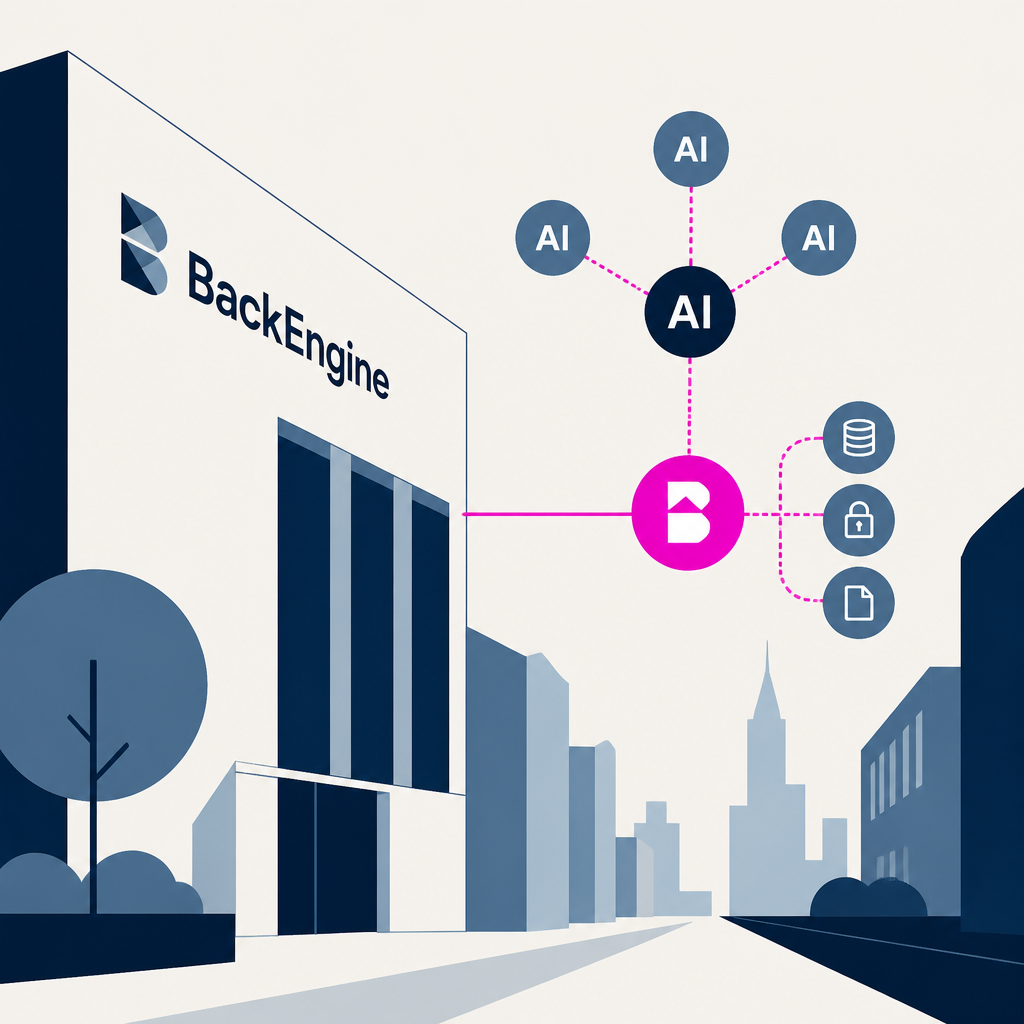
BackEngine launched MCP (Model Context Protocol), a system enabling AI models to securely access private company knowledge and databases without exposing sensitive data. The framework integrates with Claude and other AI systems through a standardized interface. This allows enterprises to use AI assistants on proprietary information while maintaining data governance and security controls.
HappyRobot, an enterprise AI agent startup, raised $150 million in Series C funding at a $1.2 billion valuation led by Prysm Capital and Eurazeo. The company, founded in 2022 in Madrid, works with over 150 businesses including DHL and Uber to build and deploy AI agents across complex workflows. The funding will support expansion of its AI platform capabilities and hiring across engineering, deployment, and sales teams.
Red Hat announced asago, an open-source project designed to automate the conversion of AI governance policies into operational controls that can be deployed alongside AI systems. The platform will map policies to frameworks like NIST's AI Risk Management Framework, generate safety tests, and produce deployment-ready configurations for cloud and Kubernetes environments. This automation aims to eliminate manual policy interpretation and custom scripts that currently slow deployments and create errors between compliance and engineering teams.
Ethyca launched Astralis, a platform that monitors and controls how enterprise AI agents access and use company data in real time. The system automates privacy assessments in 20 to 40 minutes compared to 40 to 60 hours previously, and one financial institution already uses it to govern 6,000 data requests per second. The platform addresses a compliance bottleneck that currently delays AI projects, as Gartner forecasts Fortune 500 companies will run over 150,000 AI agents by 2028.
LexisNexis opened a Customer Innovation Lab in New York City where legal professionals, engineers, and AI technologists collaborate to build AI solutions for legal work rather than developing tools separately and seeking feedback afterward. The lab brings prototypes from concept to production-ready software within weeks by having lawyers and legal experts shape solutions from day one, with early projects focusing on AI-assisted document drafting and review, which currently consume 40-60% of lawyers' time. The collaborative model aims to deliver legal AI that reflects specific firm practices, precedents, and standards while addressing real pain points in legal workflows.
Box's VP of DACH discusses how companies can adopt AI securely by consolidating unstructured data and automating governance controls rather than choosing between security and usability. He emphasizes that scattered data limits AI effectiveness, citing examples like service technicians receiving outdated information when documents sit in separate systems. Organizations should prepare their data infrastructure and user permission systems before deploying AI models, reducing security risks and Shadow AI adoption where employees use unsanctioned tools.
Aavalynx, a female-founded legal AI startup, raised £1.5 million in pre-seed funding to build tools that forecast dispute risks and help companies manage litigation as a financial problem rather than a workflow issue. The platform, called Sisu, gives real-time visibility into total dispute exposure across multiple cases, enabling earlier settlement or withdrawal decisions. Early client data shows savings of 30 times costs in damages and legal fees, with the company positioning itself differently from competitors focused on lawyer productivity.
Aavalynx, a legal AI startup founded in 2023, raised £1.5 million in pre-seed funding to help enterprises analyze and manage corporate litigation disputes more effectively. The platform uses proprietary AI to structure dispute data, enabling companies to make earlier strategic decisions and reduce legal costs, with reported ROI of 30x in saved damages and legal fees. The funding allows the company to expand its product and team while positioning legal teams to shift from reactive dispute management to proactive risk assessment across their entire portfolio.
Estel Technologies, a Bulgarian startup, raised €270,000 in pre-seed funding to develop an AI-powered platform that helps tech staffing firms identify and prioritize sales opportunities by combining demand verification, lead scoring, and buyer matching. The platform's Demand Confidence Score analyzes market signals and ranks opportunities for individual users, addressing inefficiencies caused by outdated job listings and fragmented workflows in the tech staffing industry. The funding will support core technology development, customer growth across European markets, and preparation for a seed round and US expansion in 2027.
Shiplog, a Paris-based startup, raised $1 million in pre-seed funding to build Ada, an AI agent that delivers personalized customer experiences for B2B SaaS companies by continuously evaluating individual customers and recommending next-best actions across their lifecycle. The platform analyzed over four million events across 1,000 customers during pilot programs, demonstrating ability to operate at scale. Instead of treating customers as segments, Ada creates individualized profiles and personalizes marketing, product interfaces, and communications in real time, enabling companies to provide personalized engagement to thousands of accounts that typically wouldn't receive dedicated attention.
Shiplog, a Paris-based startup founded by 23-year-old Khushi Mehta, raised $930,000 in pre-seed funding to build Ada, an AI agent that creates individual customer profiles and decides personalized next steps in real time. The product integrates with platforms like Salesforce, HubSpot, and Stripe to replace segment-based marketing with per-customer personalization, with human approval required before actions execute. Success depends on whether personalization tools become standard across companies or remain difficult to sell against established competitors' free features.
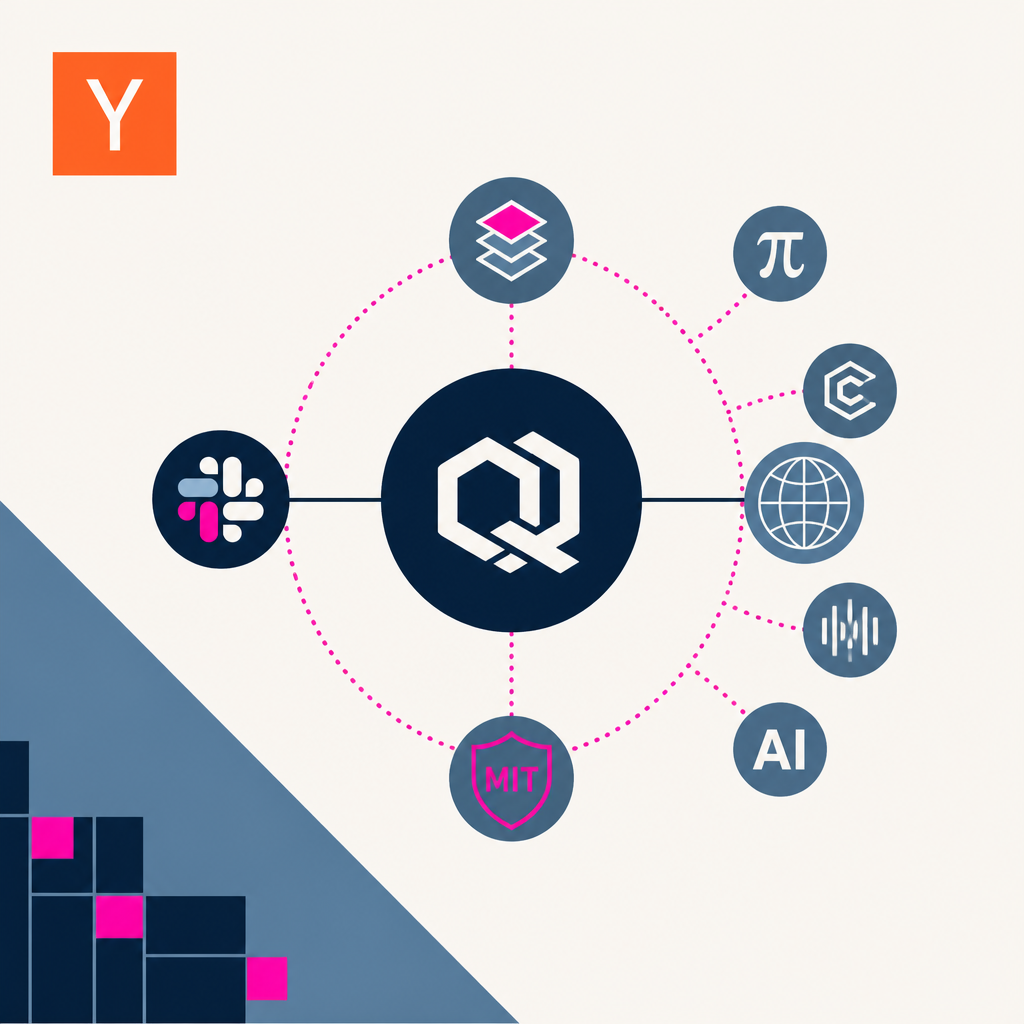
Y Combinator open-sourced QM, a multi-agent harness for workplace collaboration that runs in Slack and the web, under the MIT license. The system is designed for organizations of 10–500 people with at least one platform engineer, supports multiple AI models (Pi, OpenCode, Codex, Claude Code) without vendor lock-in, and isolates each user and room with separate memory, permissions, and sandboxed execution. Deployments can now use QM for internal tasks like inbox triage, document search, code testing, and project tracking without being tied to a single AI vendor.
Nuphos is presented as an AI-native DevOps workspace in a discussion-style post with a link. The post includes 0 concrete details beyond that description. As a result, there isn’t enough information here to determine what capabilities, features, or release terms change for users.
June.ai Technologies, founded by ex-Salesforce executives, launched with $20 million in funding to automate enterprise software upgrades and modernization projects using AI. The startup's platform analyzes existing applications to identify inefficiencies, then uses natural language to implement changes, run tests, and generate training materials for employees. The funding positions June to compete with process mining platforms like Celonis by automating work traditionally handled by professional service firms, reducing costs and project timelines.
Every AI story that matters,
in your inbox by 8am.
TLDRocket reads all relevant sources, removes duplicate coverage, and summarises the
day in two minutes. Follow companies and topics for alerts, or get the
briefing in Slack. Free, no spam, unsubscribe anytime.
Reading TLDRocket needs no cookies, and the readership counts we rely on come from
our own cookieless analytics. Google Analytics is the exception: it sets cookies and
reports to Google, so it stays switched off until you allow it. You can change your
mind any time from “Cookie settings” in the footer.
Strictly necessary
Session security and form protection (tldrocket-session,
XSRF-TOKEN, 2 hours). The site cannot work without them,
so they need no consent.
Always on
Google Analytics 4 (_ga,
_ga_<id>, up to 2 years). Measures which
stories and sections readers use. Google acts as a third-party processor and may
store the data outside the EU. No advertising, no profiling, no data sold.