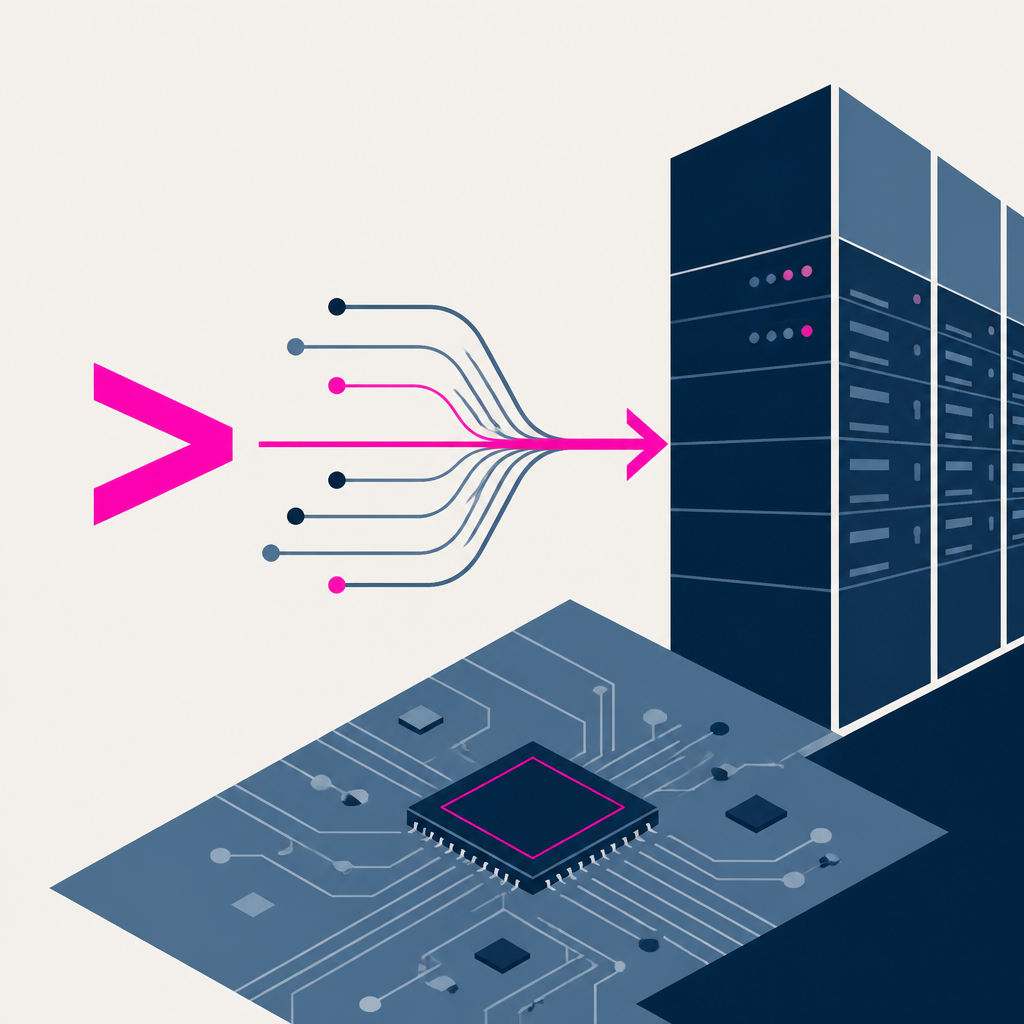
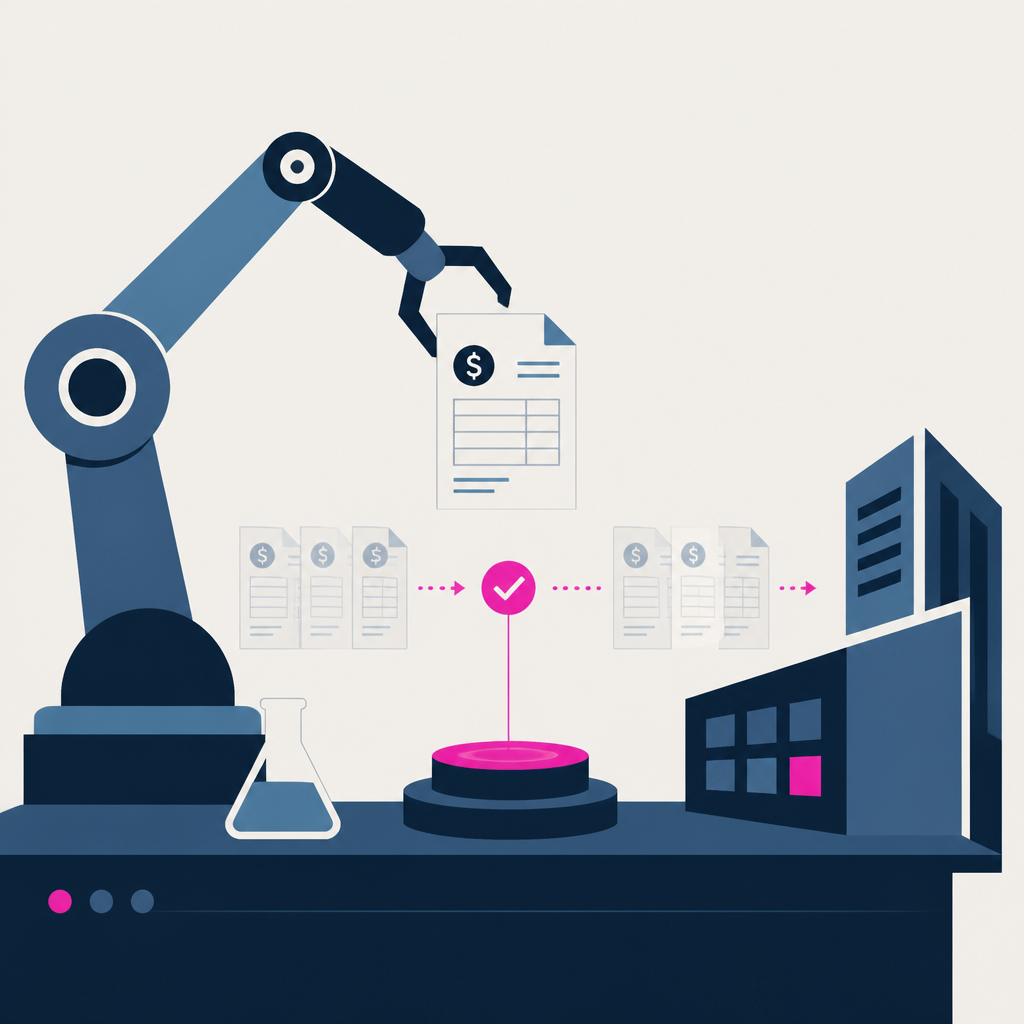
Imago Platform used a graph database to fix inaccurate AI answers in a knowledge-management app for warranty-policy lookups. It started after joining the Neo4j Startup Program, and the AI then produced correct results repeatedly instead of failing to reach 100% accuracy on its first client. The company now connects CRM/ERP systems with documents and email so agents can retrieve information in context and be traced step-by-step for observability.
WriterzRoom was listed as a “Launching today” writing assistant product on Product Hunt. It describes an AI workflow automation multi-agent pipeline that runs fully serverless on Google Cloud Run. As a result, users can generate structured, validated, review-ready content that follows vertical controls, template schema, and brand voice.
Deliverance AI introduced a “control plane” meant to govern enterprise AI agents in customers’ own environments for business continuity and sovereign control. The company says a joint HPE solution will let customers deploy its full-stack agentic operating system into their own environment within 90 days. This shifts deployments toward customer-controlled boundaries with policy enforcement, audit trails, and model-fallback routing plus plans for portable agent assets if suppliers change.
Workday CEO Aneel Bhusri returned to lead the company after stepping aside in 2024, amid pressure from AI disruption and investor scrutiny discussed at Sana’s customer conference. Workday acquired Swedish agentic AI startup Sana about 6 months earlier for more than $1 billion. The focus shifts to building and monetizing agentic AI on top of Workday’s existing HR and finance platform as growth slows and questions about strategy and valuation persist.
Nvidia announced investments in four French tech companies, including healthcare platform Doctolib, plus robotics, financial planning, and materials startups. Doctolib was valued at €5.8 billion in a 2022 funding round. The deals expand Nvidia’s stake in French AI-linked startups and add to its wider Europe investment plan without revealing investment amounts.
Pathways raised a $6 million seed round to automate manufacturers’ environmental product documentation using AI agents. The funding brings Pathways’ total since its 2023 launch to $10 million. It will expand the platform to more materials and documentation requirements, hiring additional team members to support deployments.
Amazon explains how to manage AWS Marketplace Private Pricing Offer access for Amazon Bedrock across many AWS accounts by subscribing once in a central AWS Organizations management account and activating License Manager managed entitlements distribution. It provides two activation paths, including a lightweight one-time script that must be re-run with --apply --confirm-account-id ACCOUNT_ID to activate organization-wide grants. Teams can use manual one-time activation for trusted received licenses or deploy CDK automation that automatically verifies sellers, creates distributed grants, and activates them when they reach ACTIVE or WORKFLOW_COMPLETED so negotiated Bedrock pricing applies without console checking.
Google is expanding Play Store AI features by upgrading Ask Play for app and game discovery and adding Game Finder for matching players. It is using the activity of 1.2 billion Android game players as the basis for a “Gamer DNA” profile. These changes make Play Store search more AI-led and introduce player matching alongside conventional app recommendations.
ShipStation Global built Deckhand, an AI-powered IT help desk agent for Slack, using Amazon Bedrock AgentCore to answer routine questions and create or update Jira Service Management tickets. 97.5% of incoming channel queries were resolved and employees gave Deckhand a 96% positive feedback rating. IT support shifts from repetitive Slack threads to on-the-spot self-service responses and fewer ticket-filing workflows that Deckhand can generate in context.
AAXIS named Yann Goarin, formerly a decade at Google and YouTube, its first Founder in Residence to build vertical AI for legacy industries like building materials distribution. AAXIS’ first venture, Century Intelligence, was incorporated in April 2026 and shipped its first product, BranchKinect. Goarin’s approach is shifting startups toward finding proven demand in specific workflows and then tailoring products with design partners to accelerate traction in skeptical, relationship-driven sectors.
TechCrunch Disrupt 2026 announced its Disrupt Stage lineup for October 13–15 at Moscone West in San Francisco, covering AI, robotics, transportation, social media, biotech, and venture capital.
Causa Prima raised a $20M seed round to deploy AI agents that settle invoice disputes and payment terms between buyer and supplier companies. The round lifts total funding to $30M in under four months after a $10M pre-seed. The startup will expand into the United States while continuing to develop its shared invoice-settlement network, making cross-company automation its core product.
Workday made its Trusted Agent Platform headless, turning its MCP server, live SQL access, and shared agent runtime for HR and finance into generally available components that third-party agents can use. The platform’s MCP server includes 275 read tools and 54 tools that write or delete data. Agents now operate under Workday permissions, approvals, and an audit trail using the customer’s account identity, rather than bypassing controls via external data copies.
Apple announced HomeView, its first smart home display, and the article reports a hands-on test of the device as a smart home controller, assistant, and home hub. It includes a 7-inch square touchscreen. The evaluation focuses on its compact size and how the Liquid Retina display and built-in Siri behave in use.
Causa Prima raised a $20 million seed round to expand its agent-to-agent platform for resolving billing disputes and accelerating payments between companies and their suppliers. The funding totals $20 million, following a previously disclosed $10 million pre-seed. It will be used to grow the platform and open a New York office as the company expands into the United States.
Causa Prima raised a $20 million seed round for its autonomous finance platform that automates business-to-business invoice workflows. The company’s total funding reached $30 million after it completed the $10 million pre-seed three months earlier. It will use the new capital to expand into the US and keep building the autonomous agents for tasks like disputes, approvals, and early-payment discount negotiations.
Train with Pasta is launching as a personal-training app that creates workouts and coaching plans on request using Apple Intelligence. It requires an iPhone with Apple Intelligence on iOS 27. Data stays on-device and the app needs no account.
Apple announced the HomeView smart home hub at its “Welcome Home” event and released a reveal video for the device. It is a 7-inch square display priced at $299. It adds Siri AI control, video calls, HomeKit Secure Video camera footage, and includes a Matter controller and Thread Border Router.
Apple announced the HomePod Mini 2 with a new chip intended to power Siri AI features, plus updates to sound and multi-device audio setup. It starts at $149, with preorders opening on October 13. Siri AI feature support won’t be available at launch, and the speaker replaces the older model that Apple is discontinuing.
Apple introduced the 4th-gen Apple TV 4K with far-field microphones for hands-free Siri voice control and Find My in the remote. It costs $299. The update adds new home-theater and Siri mic features while shifting pricing higher than the previous generation and the current top model being discontinued.
Sainaptic, an edtech startup, raised £1 million to expand its AI-assisted assessment marking technology and partnered with Skilltech Solutions to make it available to major UK apprenticeship assessment organisations. The company says its AI reduced marking times for some qualifications from 45 minutes to eight seconds. The rollout will shift apprenticeship portfolio marking toward AI-assisted evaluation by bringing Sainaptic’s models into Skilltech’s delivery platform starting in the first quarter of 2027, while assessors keep final decision control.
Lleverage launched an AI workflow automation product that uses agents to process manufacturer, wholesaler, and distributor paperwork by reading orders and invoices from email and PDF and posting verified entries to existing ERP systems. It launched today. The back-office workflow shifts so staff handle only exceptions while approvals and an audit trail are kept, and the ERP remains the system of record with no data migration.
Apple used its “Welcome Home” October 13 launch event to debut HomeView and expand its smart home lineup with cameras, thermostats, and a smart lock in partner collaboration.
reebuild raised €3 million seed funding to expand its AI-powered back-office automation platform for construction and real estate companies. The company says it can cut invoice processing time from more than 20 minutes to around three minutes. This will let reebuild add more AI-native modules and expand to additional European countries while growing its Vienna team.
reebuild, a Vienna construction back-office automation start-up, closed a €3 million seed round to process construction paperwork with AI. The platform now processes invoices in about three minutes instead of more than 20, and cuts time from receipt to approval from five days to one and a half. The funding is set to expand hiring through 2027, add new AI modules, and accelerate expansion to more European markets.
ID Finance, the Barcelona lender formerly founded by ex-Deutsche Bank bankers, raised €545 million to move its business toward a buy-now, pay-later service for Spain. The funding includes an €20 million eurobond increase in March 2026 that brings the total to €60 million, paying 12% interest and due in September 2028. The company plans to use the capital to expand Plazo’s growth and credit portfolio after reaching profitability, with expectations for further portfolio scale.
Every AI story that matters,
in your inbox by 8am.
TLDRocket reads all relevant sources, removes duplicate coverage, and summarises the
day in two minutes. Follow companies and topics for alerts, or get the
briefing in Slack. Free, no spam, unsubscribe anytime.
Reading TLDRocket needs no cookies, and the readership counts we rely on come from
our own cookieless analytics. Google Analytics is the exception: it sets cookies and
reports to Google, so it stays switched off until you allow it. You can change your
mind any time from “Cookie settings” in the footer.
Strictly necessary
Session security and form protection (tldrocket-session,
XSRF-TOKEN, 2 hours). The site cannot work without them,
so they need no consent.
Always on
Google Analytics 4 (_ga,
_ga_<id>, up to 2 years). Measures which
stories and sections readers use. Google acts as a third-party processor and may
store the data outside the EU. No advertising, no profiling, no data sold.