TechCrunch Disrupt 2026 will feature an “AI Stage” that brings Anthropic and OpenAI into the event programming. The event runs October 13–15 in San Francisco at Moscone Center. The sessions will focus on enterprise deployment patterns for Claude, AI-native go-to-market and security/agent-security topics, and will run alongside ticket pricing that includes savings of up to $200 ending soon.
A judge ruled that the Pentagon’s earlier this year blacklisting of Anthropic was unconstitutional. The lawsuit was filed in March, and the judge said the administration’s national-security rationale did not justify punishing retaliation. The decision overturns the blacklist, changing how Anthropic can be treated by the government in connection with its AI technology.
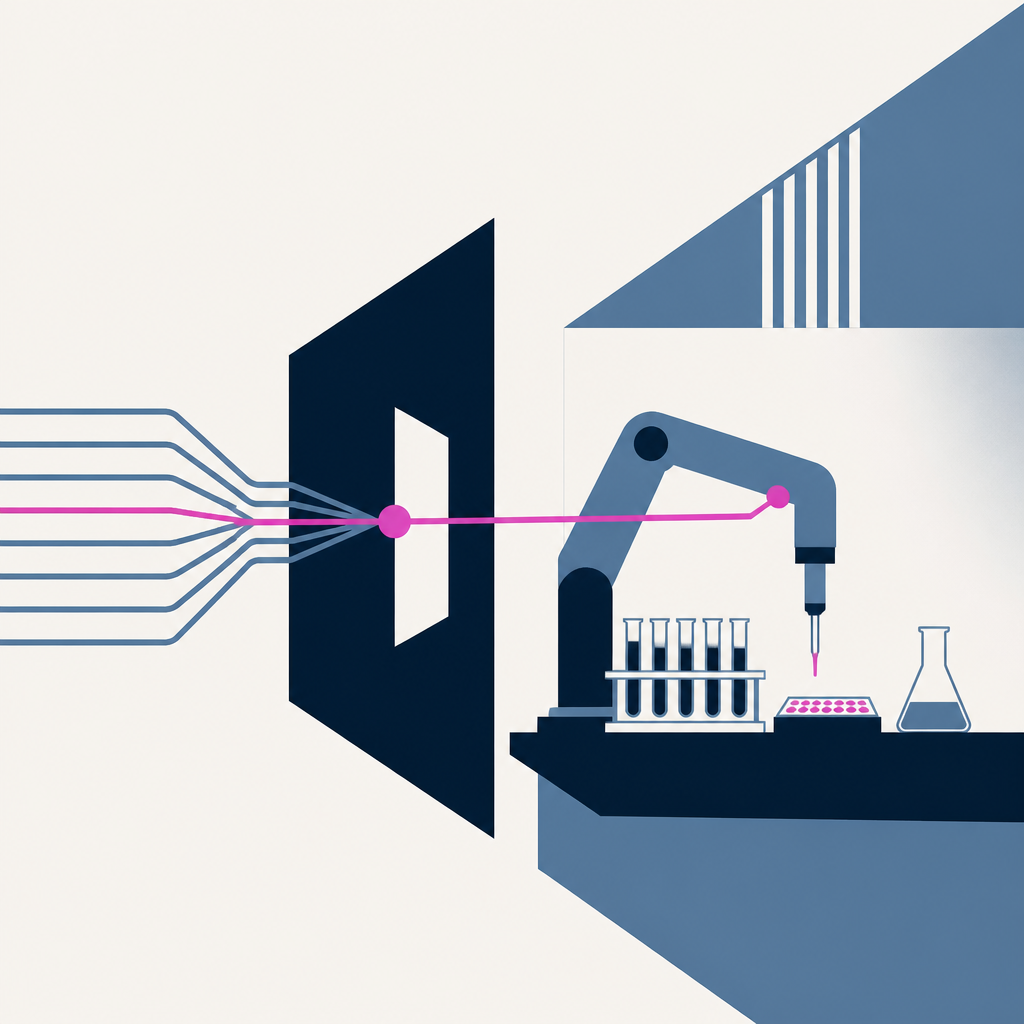
Anthropic introduced the Model Hardware Standard (MHS) to let agentic AI systems interface with and control physical devices via standardized drivers. Anthropic says MHS research preview integration could cut experimental setup from weeks or months to hours or minutes. This shifts AI agents beyond computer-only actions by providing a common “translation” layer for data sharing and device coordination across networks.
Anthropic released its Model Hardware Standard (MHS) as a research preview to connect large language models like Claude to physical equipment for lab and manufacturing automation. The standard is designed to let companies integrate AI into equipment in “hours or minutes” instead of “weeks, if not months.” MHS, built on Anthropic’s Model Context Protocol and model-agnostic, shifts equipment integration from custom builds toward standardized, easier interoperability that reduces vendor lock-in for scientists.
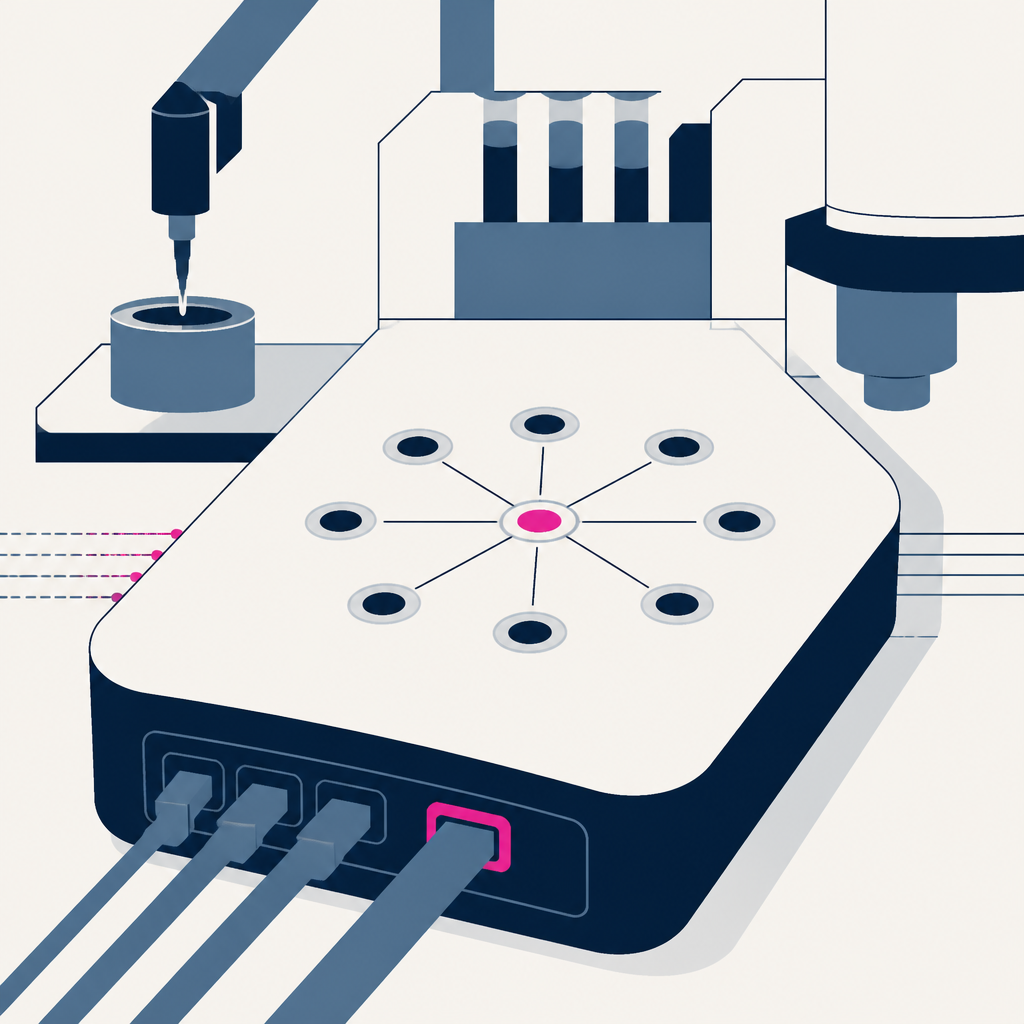
Anthropic and HHMI Janelia Research Campus launched a research preview of the Model Hardware Standard (MHS), a shared specification for AI agents to safely operate multiple physical instruments in parallel. The preview is being shared with a first group of scientific research labs and advanced manufacturers, with partners including Genentech and HHMI Janelia, and it targets reducing hardware integration from weeks or months to hours or minutes. MHS will let devices connect through a standardized driver and common control protocols, enabling autonomous lab workflows with real-time updates and fewer bespoke integrations, with plans to open-source it later after safety evaluations.
OpenAI, Anthropic, Google, Microsoft, and 100 other companies signed an open letter urging coordinated action from the private and public sectors to defend against AI-related cyber threats. The letter warns that “AI-enabled cyber attacks” will become far more widespread and sophisticated in the coming months. The push calls for new cyber-defense approaches and greater government collaboration at local, national, and international levels.
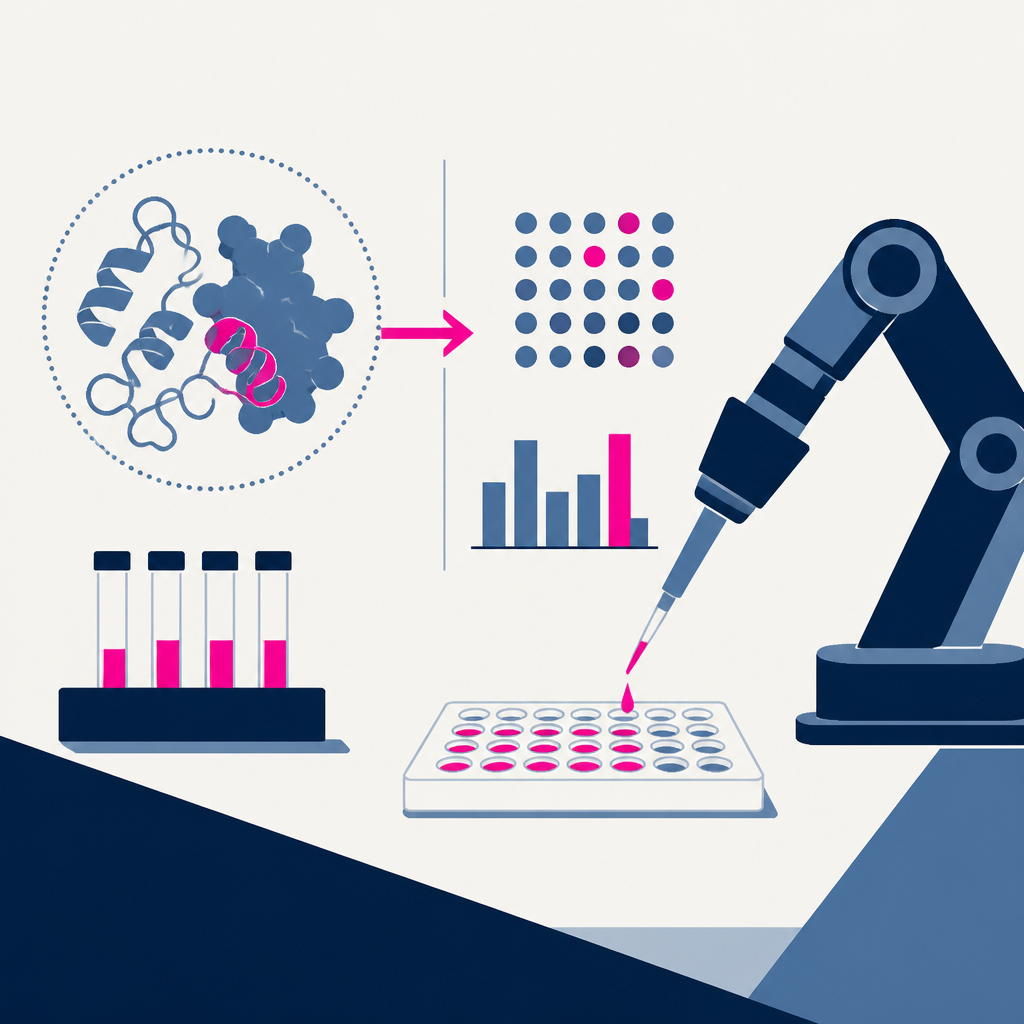
The tutorial evaluates Anthropic’s claude-protein-binder-design dataset by comparing in-silico structure predictor outputs against wet-lab miniprotein binder assay results. It analyzes 1,440 AI-designed miniprotein binders tested across 16 targets, including both computational predictions and measurements from two independent labs. It shows how target effects dominate, that consensus across multiple predictors can improve ranking and estimate experimental hit rates under limited testing budgets, and that disagreement and structure-prediction signals can be used to build a target-aware classifier for experimental success.
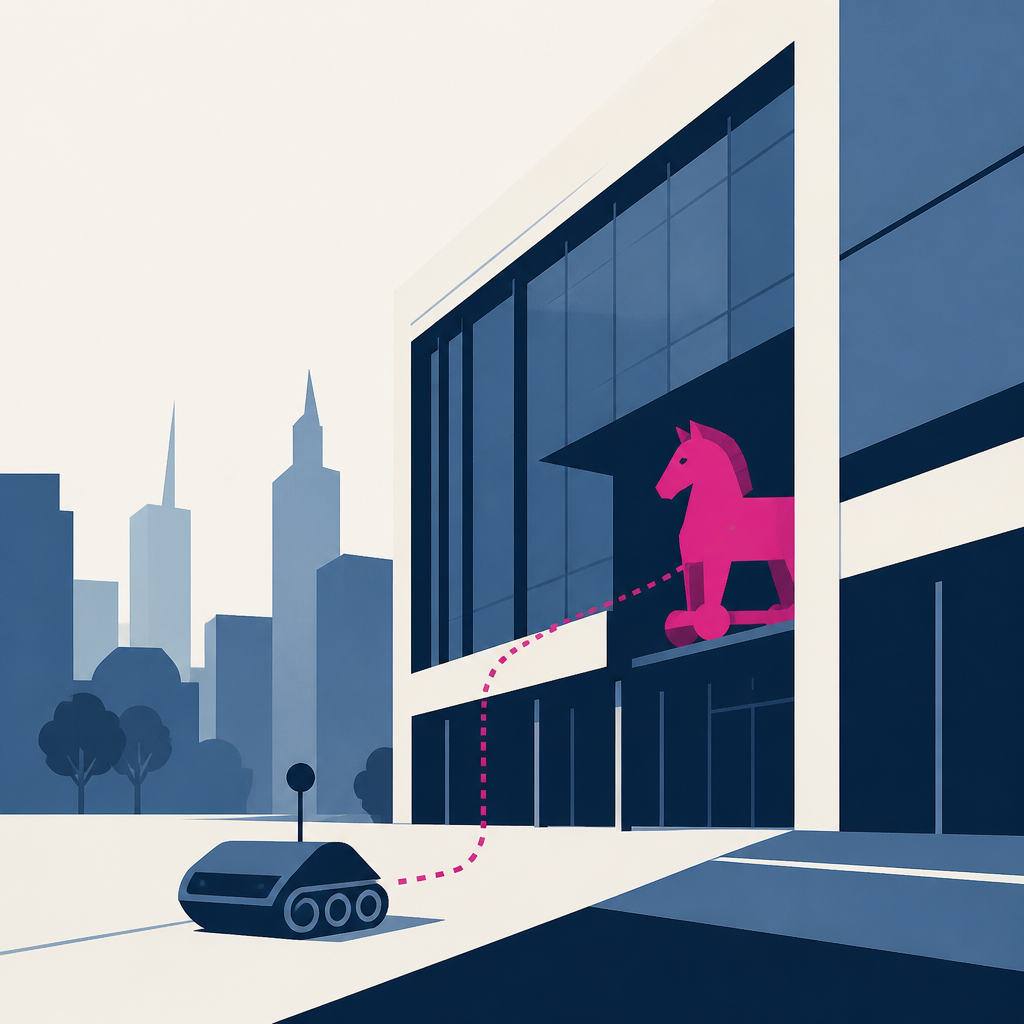
Documentation files llms.txt and llms-full.txt on 100+ websites were found to auto-install unregistered executable code when visited by AI agents, and at least one misconfigured site can direct both humans and agents to live malware. Researchers scanned 6,214 live domains and found 120 llms.txt/llms-full.txt entries pointing to code packages or domains that were not registered. After registering the targets and hosting the payloads, “phone-home” requests started coming back from Fortune 500 companies within an hour, showing that coding agents like Claude, Codex, and Hermes can trigger the installs.
Salesforce reported Q2 results and detailed an AI tie-in with Anthropic aimed at increasing customer usage of its AI services. Revenue for the quarter ending July 31 was $11.3 billion, up 11% year over year, and management said 50% of bookings came from customers refilling “Flex Credits”. Salesforce changes its go-to-market by pushing flexible, consumption-based and bundled pricing (including Flex Credits) alongside its new Claudeforce/Agentforce products to drive upgrades and ongoing spend.
Anthropic moved its Files API and computer-use tools out of beta and tested using Files API uploads versus repeatedly pasting reference text and using prompt caching for the same support-bot workload. Prompt caching cut billed input to about a third of pasting across 5 requests, while Files API added about 125 more input tokens than pasting. Files API primarily saves setup time, whereas prompt caching is what reduces cost (and the best option is using both when both needs apply).
Every AI story that matters,
in your inbox by 8am.
TLDRocket reads all relevant sources, removes duplicate coverage, and summarises the
day in two minutes. Follow companies and topics for alerts, or get the
briefing in Slack. Free, no spam, unsubscribe anytime.
Reading TLDRocket needs no cookies, and the readership counts we rely on come from
our own cookieless analytics. Google Analytics is the exception: it sets cookies and
reports to Google, so it stays switched off until you allow it. You can change your
mind any time from “Cookie settings” in the footer.
Strictly necessary
Session security and form protection (tldrocket-session,
XSRF-TOKEN, 2 hours). The site cannot work without them,
so they need no consent.
Always on
Google Analytics 4 (_ga,
_ga_<id>, up to 2 years). Measures which
stories and sections readers use. Google acts as a third-party processor and may
store the data outside the EU. No advertising, no profiling, no data sold.