Anthropic's new hardware standard lets AI agents control the physical world
Ars Technica Kyle Orland ● Covered by 3 sources
Anthropic built a standard so AI agents can control real devices, not just text and code. It’s aimed first at science labs, where setup work can take hours or even weeks.
Based on reporting by Ars Technica, Kyle Orland — read the original for the full story.
Summary, retelling and take written by AI under human oversight; images are AI-generated illustrations. How we work · Report an error
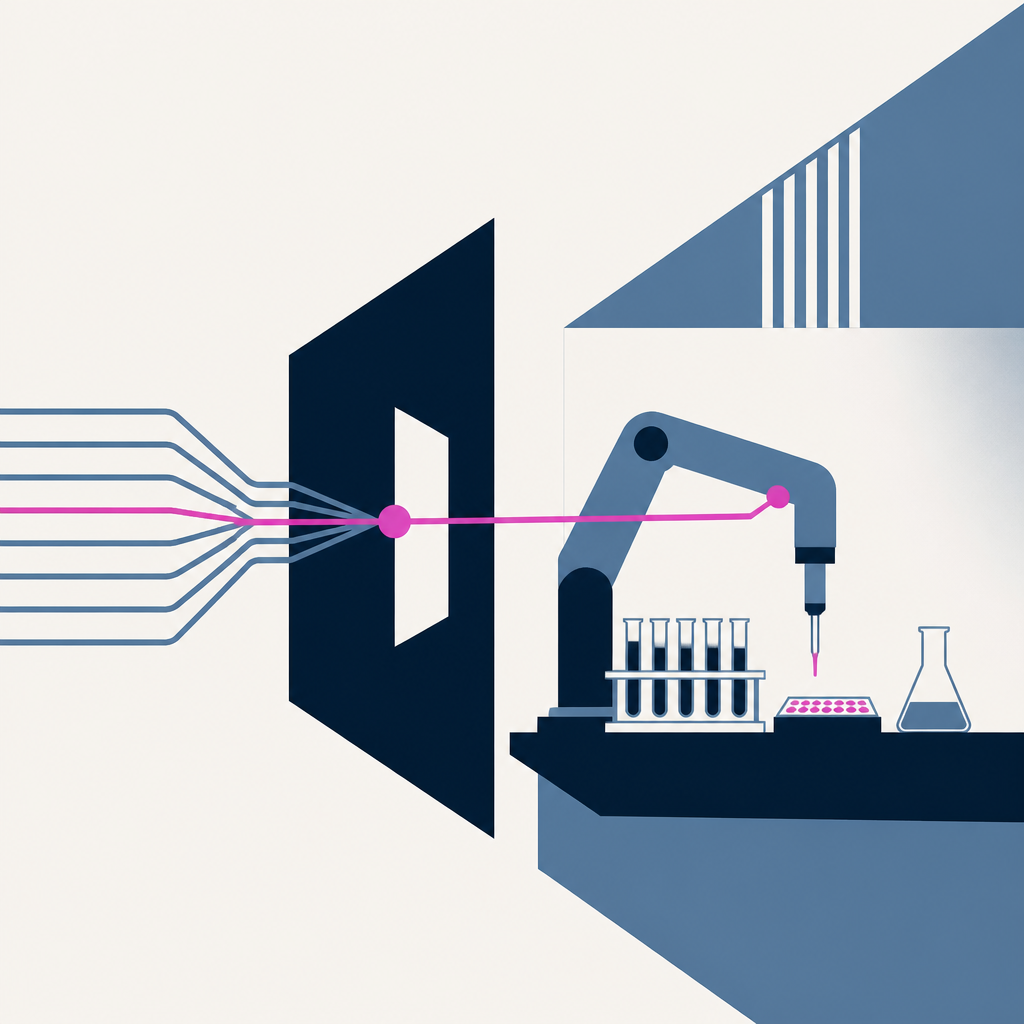
Anthropic is pushing agentic AI out of the screen and into the lab. Its new Model Hardware Standard, or MHS, is a set of standardized drivers meant to help AI agents connect to and control devices that live outside a computer. For now, the company is framing it as a research preview, not a grand consumer launch.
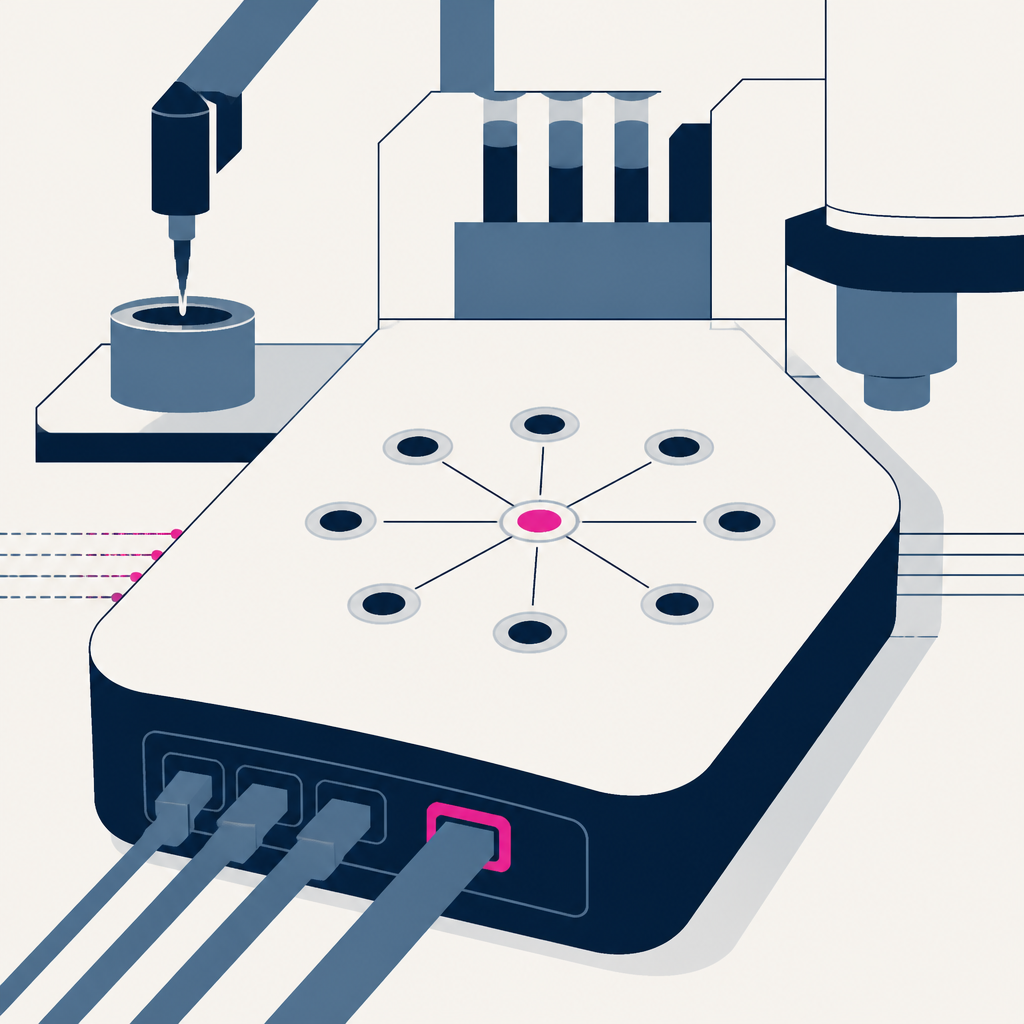
The immediate pitch is practical. Labs often have to glue together odd pieces of hardware with custom software just to get an experiment running. Anthropic says MHS is meant to replace that mess with a common interface and a shared format for data, so different devices can communicate over a network without a bespoke translator sitting in the middle.
That matters because the setup work can be brutal. Anthropic says the system could shrink what now takes weeks or months into hours or minutes. That is a big claim, but the problem it targets is real enough: science experiments are often held together by one-off integrations that only a few people understand.
The company says the idea came from watching neuroscientist Arco Bast work on a memory-formation experiment at the HHMI Janelia Research Campus in Ashburn, Virginia. Anthropic Technical Staffer Alek Kemeny saw Bast coordinate rotating laser beams, microscopes, cameras, and other components through a common interface, and thought the same approach could let AI run experiments more broadly. That is the sort of leap Silicon Valley loves: take something painfully specific, wrap it in a standard, and hope it scales beyond the room where it was invented.
My take — AI-written commentary, not fact-checked reporting
This is the right direction, and also the dangerous one. Once AI stops being a text engine and starts touching hardware, the bar for reliability should jump by a lot, not a little. The tech world loves calling every bridge a breakthrough; the real test is whether labs want software that can be trusted near their equipment without turning the place into an expensive lesson.
Read more about this at: Ars Technica