
Anthropic makes first move into physical AI with universal standard that could bring scientific labs to life
Fortune Emily Forlini ● Covered by 3 sources
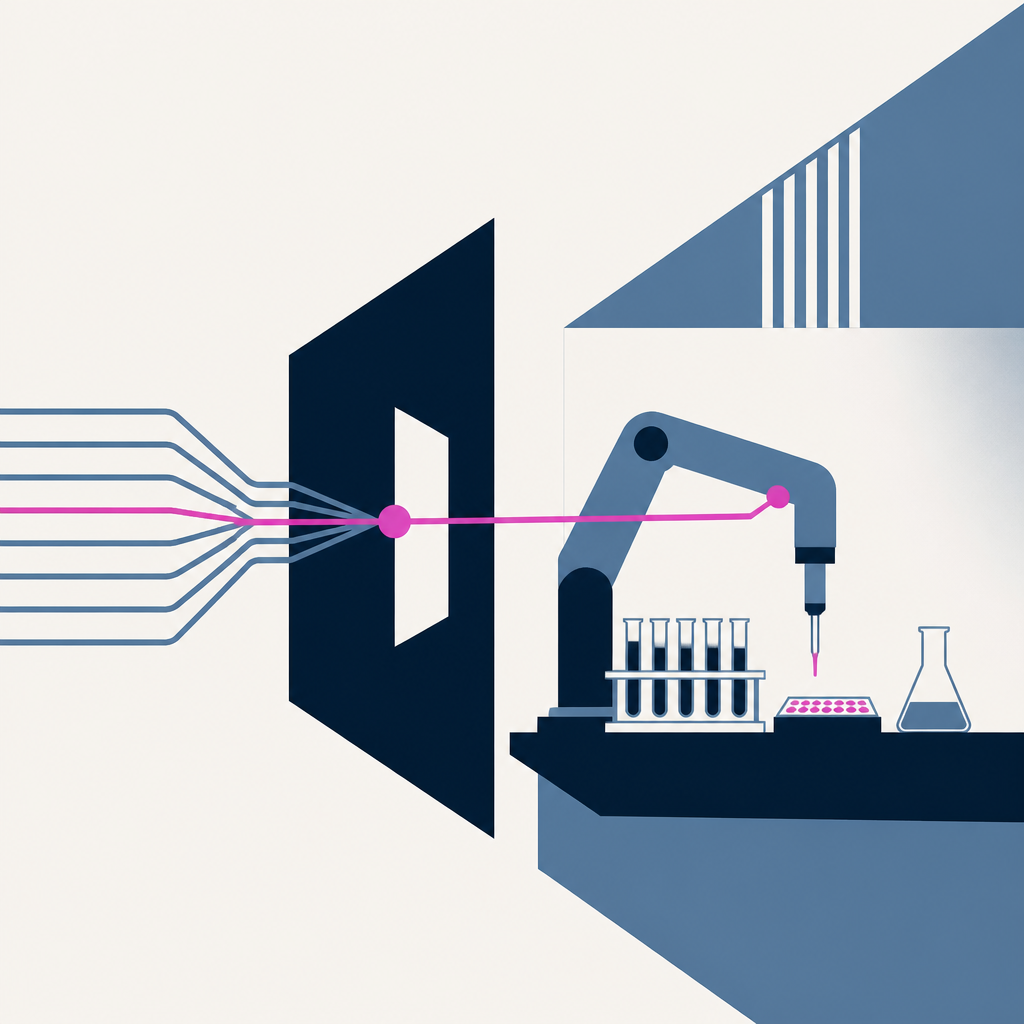
Anthropic just launched MHS, a standard to hook AI to lab gear and factory machines. It could cut integrations from weeks to hours and let devices run and talk on their own.
Based on reporting by Fortune, Emily Forlini — read the original for the full story.
Summary, retelling and take written by AI under human oversight; images are AI-generated illustrations. How we work · Report an error
Anthropic has taken its first real step into physical AI. On Thursday, the company released a research preview of its Model Hardware Standard, or MHS, a framework meant to connect large language models like Claude to machines in the real world: robotic arms, microscopes, factory equipment, and more.
The pitch is simple enough. Instead of paying specialists to build custom links for each device, companies could use MHS to plug AI into hardware in hours or minutes, Anthropic said. The company says that could unlock autonomous experiments and workflows that keep going around the clock, especially in scientific research and advanced manufacturing.
MHS is built on Anthropic’s Model Context Protocol, the open standard it introduced in 2024 for connecting data sources. But MHS goes a step further by letting devices share a common command set, such as “read,” so they can communicate with each other and act on those instructions. It is also model-agnostic, which means it is not tied to Claude. OpenAI models and open-source models can use it too.
That openness is the point. Anthropic says a lot of scientific hardware still relies on brittle proprietary systems, and Jonah Cool, who leads partnerships and deployment of science at the company, said the goal is to avoid vendor lock-in. Alek Kemeny, from Anthropic’s technical staff, compared MCP to “the USB for AI to software connection.” MHS extends that idea into physical equipment.
There are limits, though. Not every machine can connect straight away, because not all devices have a programming interface. So Anthropic is working with device manufacturers on new products with MHS built in, and on adding connections to existing gear. It’s also doing this with early partners in biotech, robotics, and quantum computing, including Genentech, Carnegie Mellon University, QuEra, Universal Robots, Amazon Web Services, Doosan Robotics, Danaher, and Hugging Face.
The release lands as interest in physical AI keeps rising. Hugging Face showed off its own first physical AI product on Thursday, a robotic duck, while Nvidia has been pushing the same broader idea for a while. Anthropic has clearly decided this is no longer just a robotics story. It wants the lab bench and the factory floor to speak the same language.
My take — AI-written commentary, not fact-checked reporting
Open standards are the only sane way to do this, because proprietary lab gear is where good ideas go to rot in custom integrations. Anthropic is smart to frame MHS as anti-lock-in, not as another shiny AI toy. The real test is whether manufacturers and scientists actually adopt the boring standard instead of falling for yet another “platform” with a logo and a webinar.
Read more about this at: Fortune
Related stories
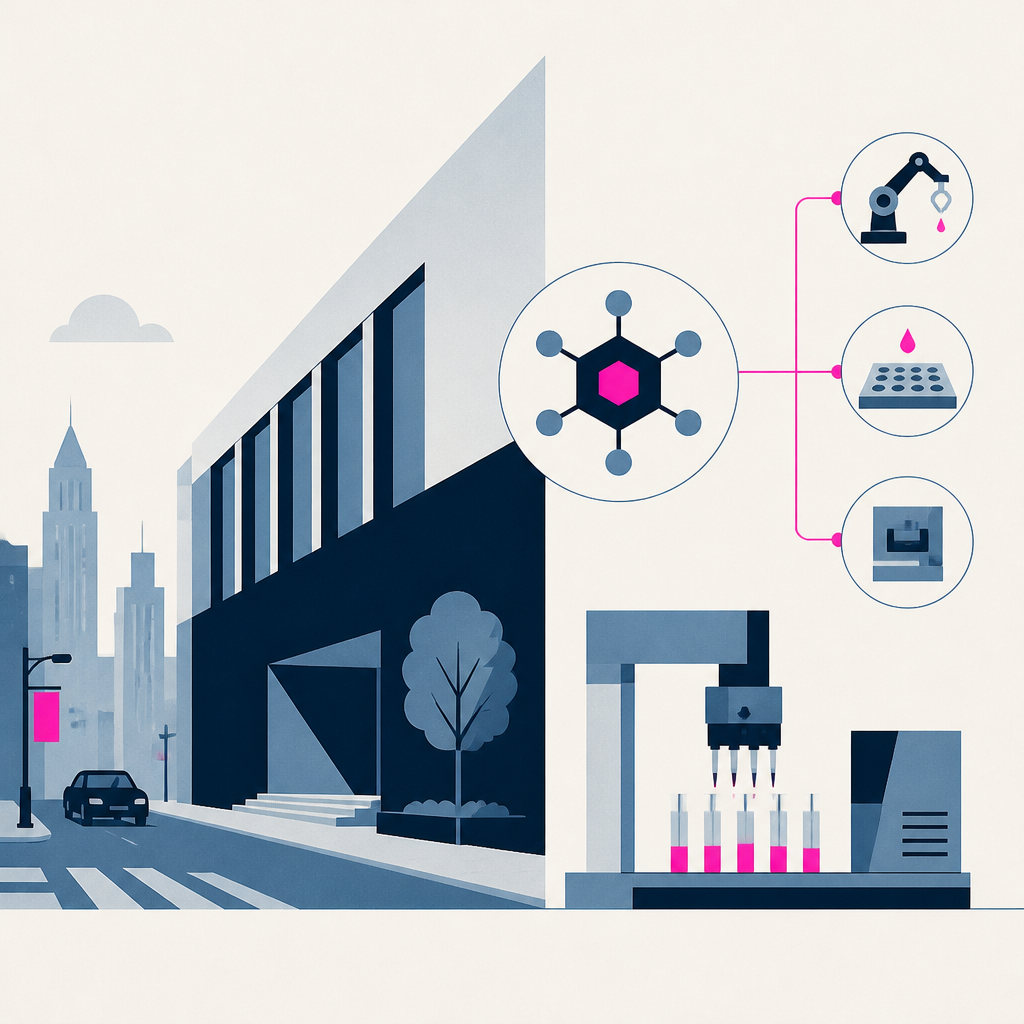 Anthropic Opens a Research Preview of the Model Hardware Standard (MHS): A Shared Specification for AI Agents to Safely Operate Physical Devices
MarkTechPost · 1 month ago ·
50
Anthropic previews MHS standard for AI agents that operate machines
SiliconANGLE · 1 month ago ·
24
Anthropic Opens a Research Preview of the Model Hardware Standard (MHS): A Shared Specification for AI Agents to Safely Operate Physical Devices
MarkTechPost · 1 month ago ·
50
Anthropic previews MHS standard for AI agents that operate machines
SiliconANGLE · 1 month ago ·
24